


Buyer's Guide
6/18/2026
Contents
Products
Residential Lawns

Commercial Landscapes
Explore
Where to Buy


Mulching is best for lawns that are mowed often and kept dry enough for clippings to break down cleanly. It returns fine grass pieces to the soil, cuts down on bagging, and keeps mowing simpler. Wet, overgrown, clumpy, or seedy grass is better bagged or discharged first.
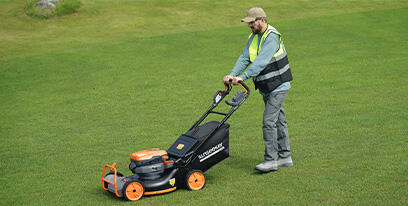
A mulching push mower is a smart choice if you want a cleaner lawn routine without constantly bagging grass clippings. Instead of collecting cut grass, it chops clippings into fine pieces and returns them to the lawn, where they break down naturally. For many homeowners, this means less yard waste, fewer disposal bags, and a lawn that receives a steady return of organic matter.
However, mulching works best under the right conditions. In this guide, we'll take you through how mulching push mowers work, when to use them, when to avoid them, and what features to look for before buying.
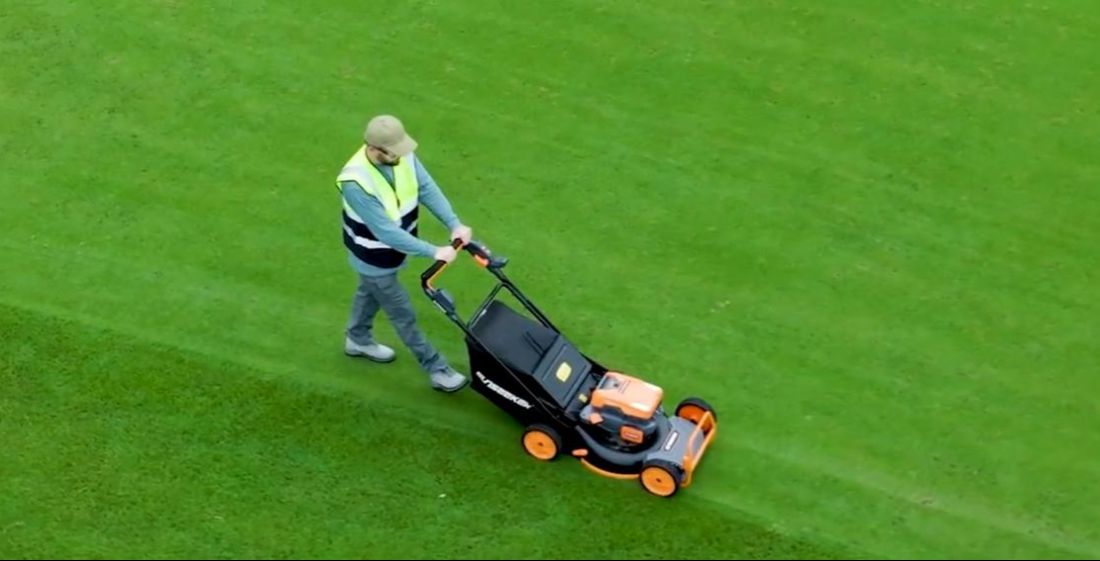
A mulching push mower is a walk-behind mower designed to cut grass and mulch the clippings into smaller pieces before dropping them back onto the lawn. Instead of sending grass into a bag or side chute, the deck and blade system keep clippings moving until they are fine enough to settle between grass blades.
These tiny clippings decompose quickly when mowing conditions are right. A good push mower mulcher can help return nutrients to the soil, reduce visible clippings, and make routine mowing more efficient. The key is cutting regularly so your push mower only removes a small amount of grass each time.
Mulching is not just about skipping the grass bag. When done correctly, it can support a more natural, efficient, and lower-waste lawn-care routine.
Grass clippings contain useful nutrients that can return to the soil as they break down. Instead of removing those nutrients with every mowing session, a mulching push mower recycles them back into the lawn. This does not replace every lawn-care need, but it can reduce how much supplemental fertilizer some lawns require.
Bagging clippings can create a lot of yard waste, especially during fast spring growth. Mulching push mowers keep those clippings on the lawn in a more useful form. This saves bags, reduces cleanup, and keeps organic material out of the waste stream.
Fine grass clippings can help shade the soil surface lightly as they settle and decompose. This may help reduce moisture loss during warm weather, especially when paired with proper mowing height and deep watering habits. The goal is a thin, even layer, not heavy piles.
Traditional bagging mowers often take extra time for daily mowing because you need to stop, empty the bag, and dispose of clippings. Push mulching lawn mowers simplify the process by cutting and recycling in one pass. For weekly mowing, you can make the lawn mowing job feel faster and less messy.
Mulching works best when you mow often and avoid cutting too much at once. This encourages a cleaner cut, reduces stress on grass, and helps the lawn maintain a consistent height. Over time, regular light mowing can support denser, healthier-looking turf with fewer clumps.
Mulching is useful, but good practices matter for the best results. Poor timing can also leave clumps, smother grass, or spread unwanted seeds across the lawn. Avoid mulching with your mower in these cases:
When Grass Is Too Wet: Wet grass is harder to cut cleanly and more likely to stick under the deck. It can form heavy clumps that sit on top of the lawn instead of filtering down. If the grass feels slick, bends underfoot, or leaves moisture on your shoes, wait until it dries.
When Grass Is Too Long: Mulching long grass can overload the mower and leave thick clippings behind. If the lawn is overgrown, raise the cutting height and mow gradually. You may need to bag or side-discharge first, then mulch again once the grass is back under control.
When Clippings Start Clumping: Clumping is a sign that the mower is cutting too much, the grass is damp, the blade is dull, or the deck is clogged. Large clumps can block sunlight and air from reaching the grass below. Stop and clear the deck before continuing.
When Weeds Have Gone to Seed: Avoid mulching when weeds have mature seed heads. A mulching mower can spread those seeds across the lawn, making weed control harder later. In that situation, bagging clippings or treating the weed issue first is usually a smarter approach.
The best mulching push mower should match your lawn size, grass type, terrain, and mowing routine. Instead of choosing only by price, focus on the features that help the mower cut cleanly, recut clippings finely, and leave an even finish without clumps.
A good push mower mulcher needs enough power to maintain blade speed in thick or fast-growing grass. If the motor bogs down, clippings may come out too large and sit on top of the lawn. For gas models, look for dependable engine performance and easy starting. For electric push mowers, check voltage, battery runtime, and whether the mower is designed for your yard size.
The blade system directly affects mulching quality. A strong mulching blade lifts grass, cuts it, and keeps clippings circulating under the deck until they become fine pieces. For cleaner results, choose mulching push mowers with dedicated mulching blades, dual blades, or a deck design that improves airflow. Also, keep blades sharp because dull blades tear grass and create uneven clippings.
A good push mower for mulching should offer several cutting height settings so you can adapt to the season. During fast spring growth, raise the deck and mow more often. In hot summer weather, avoid cutting too short because taller grass can help shade the soil. Multiple height options also help prevent scalping on uneven lawns.
Mulching creates more contact between wet or fresh clippings and the underside of the mower deck. If buildup collects there, airflow drops and mulching performance gets worse. Look for a good walk-behind mulching mower with easy underside access, a durable deck, or a wash-friendly design. Clean the deck after mowing damp or heavy grass.
A gas or electric mulching push mower should feel easy to guide around trees, flower beds, fences, and narrow paths. Look for comfortable handles, smooth wheels, balanced weight, and simple controls. Good manoeuvrability helps you overlap passes properly, reduce missed strips, and keep the lawn looking more consistent.
Match the mower to your actual lawn area. Small yards may work well with a lightweight push mulching lawn mower, while larger or thicker lawns need more power, a wider cutting width, and stronger build quality. If your lawn has slopes, rough patches, or dense grass, choose a model with more capacity than the minimum.
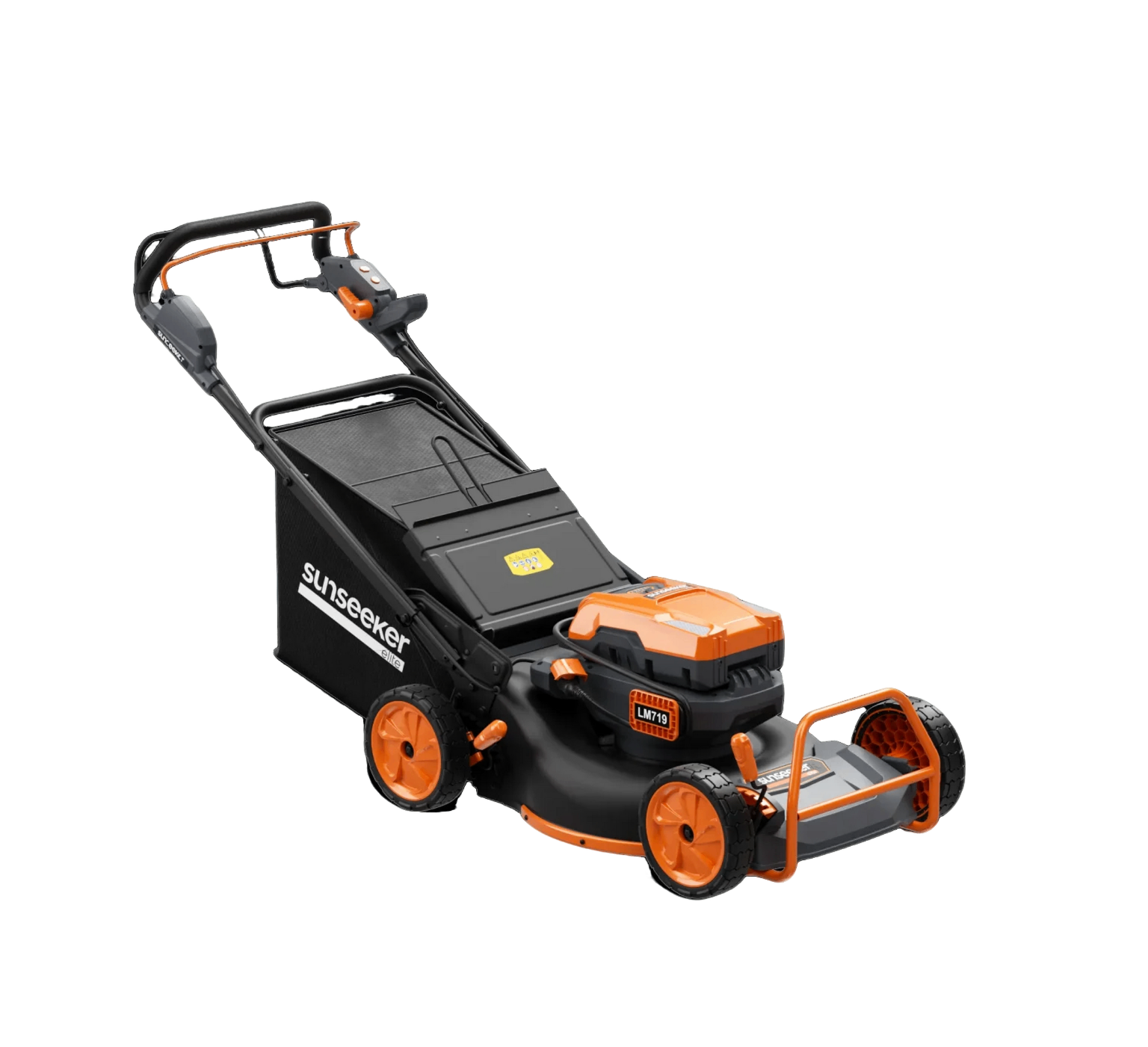
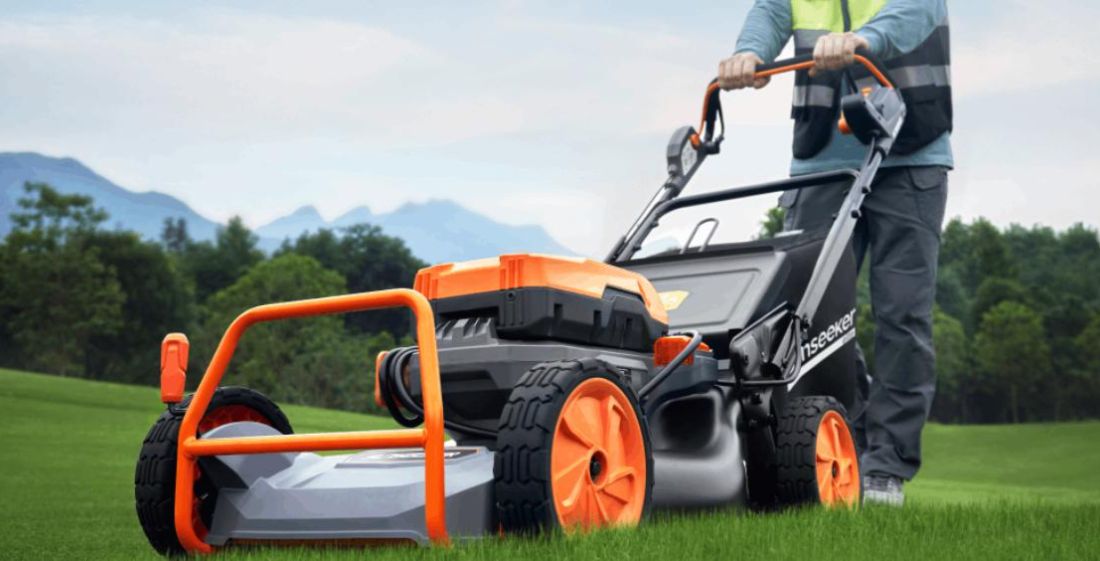
Looking for a good mulching push mower? Check out the powerful Sunseeker Elite Lawn Mower (Plug-in Connect), which is a strong choice for homeowners who want durable push mowing with flexible clipping control. This versatile 3-in-1 mower can mulch, rear-discharge, or bag clippings, so you can switch methods based on grass conditions.
A mulching push mower can make lawn care cleaner, faster, and more sustainable when used correctly. It turns grass clippings into fine pieces that return nutrients, reduce waste, and support steady lawn health. Still, mulching is not ideal for wet grass, overgrown lawns, heavy clumps, or weeds that have gone to seed.
For the best results, choose a mower with strong cutting power, a good blade system, adjustable height, and easy cleaning. With the right mower and mowing habits, mulching can become one of the simplest ways to maintain a healthier lawn.
A mulching push mower is often better for regular lawn maintenance because it returns fine clippings to the soil and reduces yard waste. Bagging is better when grass is too long, wet, diseased, or full of weed seeds. Many homeowners benefit from using both methods as conditions change.
A regular push mower may discharge or bag clippings, while a mulching push mower is designed to cut clippings into smaller pieces and return them to the lawn. It usually has a specialized deck, blade, or plug system that keeps clippings circulating longer for finer results.
It is not recommended to mulch wet grass with a push mower. Wet clippings stick together, clog the deck, and form clumps that can smother grass underneath. For cleaner results, wait until the lawn is dry, keep blades sharp, and avoid removing too much height at once.
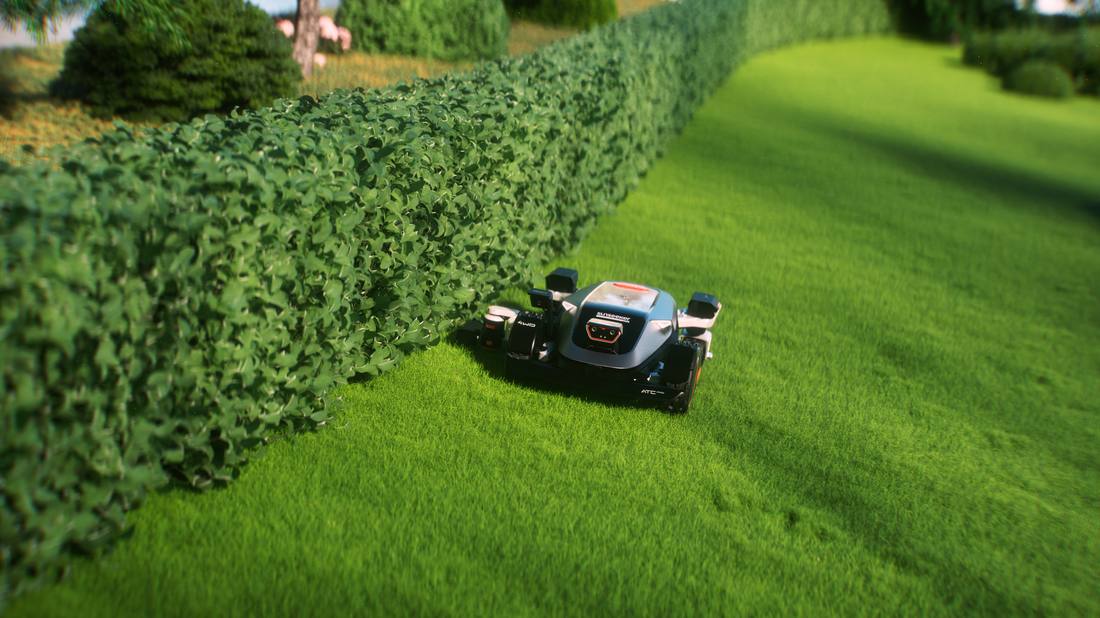
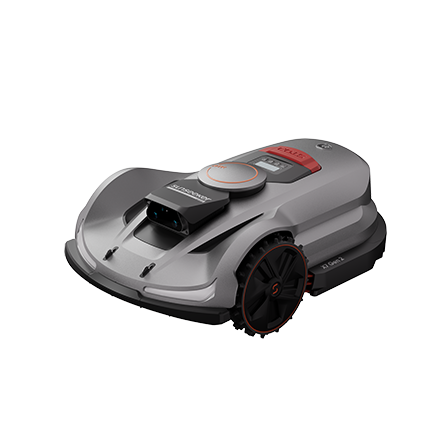
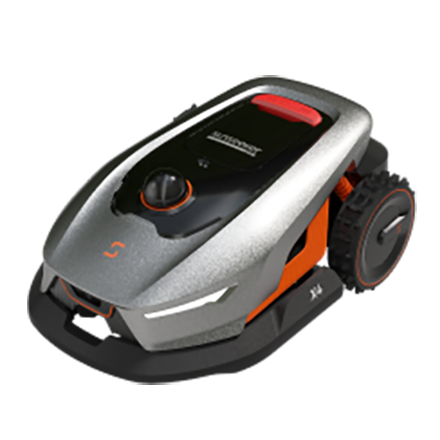
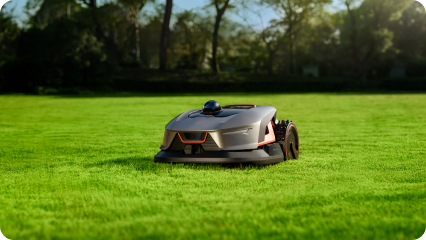
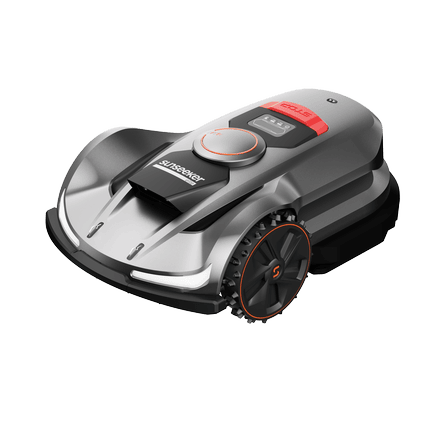
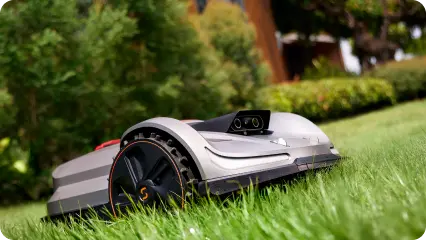
Yes, robot lawn mowers can mulch grass because they trim small amounts frequently and leave fine clippings on the lawn. This works best when the mower runs on a regular schedule. For tall, wet, or neglected grass, a push mower or cleanup pass may still be needed first.