










FAQs
4/28/2026
Contents
Products
Residential Lawns



Commercial Landscapes
Explore
Where to Buy


A lawn mower that won’t start is usually experiencing issues with fuel, ignition, or airflow. Common causes include stale fuel, fouled spark plugs, clogged air filters, blocked carburetors, low or old oil, and disengaged safety features. Systematic checks and maintenance often restore operation, while persistent or complex issues may require professional inspection.
You’re ready to mow. You pull the cord, nothing happens. You try again; still nothing. It is one of the more frustrating moments in yard maintenance, especially when the grass is already overdue. You can’t help asking, “Why is my lawn mower not starting?” In many cases, the cause is minor and fixable at home. This guide breaks down why a lawn mower won’t start and how to troubleshoot it step by step. Then, you’ll know exactly where to look and what to do.

Most lawn mower not-starting failures are related to a fuel, ignition, or airflow problem. Below is what to look for.
The causes above explain the majority of why a lawn mower won't start. If yours won't turn over or crank but won't catch, start with simple checks.
A mower cannot start without a stable power source. For gas models, old fuel often causes starting issues. Check the fuel tank, drain stale fuel if needed, and refill with fresh gasoline. For electric mowers, inspect the battery to ensure it is fully charged. Then, check for loose connections or corrosion on terminals. A weak or disconnected power source can prevent startup.
The spark plug controls ignition. Remove it with a spark plug wrench to check for carbon buildup or oil residue. These deposits reduce spark strength. If the condition is mild, clean the plug with a wire brush. If it is worn or damaged, replace it. Finally, remember to reinstall the plug tightly to ensure proper contact.
Airflow affects engine performance. A clean filter helps restore the correct air-fuel balance. Your lawn mower won’t start with restricted airflow. You can always remove the air filter housing for a check. Foam filters can be washed and dried. As for paper filters, they usually require replacement.
Some mowers include a low-oil shutdown feature. If the level is below the recommended range, the engine may not start. Check the oil level using the dipstick. If needed, add oil gradually and recheck. Avoid overfilling, as it can also affect performance.
The carburetor mixes fuel and air. When it is blocked, the engine cannot receive fuel. Signs of a blocked carburetor include a dry spark plug or repeated failed starts. You can remove the carburetor, then clear residue from jets and passages with a cleaner. This step often restores fuel flow.
Most modern mowers include safety systems to prevent accidental starts. If any safety component is not engaged, the engine will not start. Before starting your lawn mower, check that the handle lever is fully pressed, ensure the blade brake is disengaged, and inspect switches and cables for proper alignment.
These steps above solve most problems. If you’re searching for “push mower wont start” and none of these solutions has worked, the issue may involve internal components. Further inspection can help identify less obvious faults.
The flywheel key is a small piece designed to keep the engine timing aligned. When the mower hits a solid object, like a rock, tree root, or curb, the key shears as a protective measure. Then, ignition timing shifts to prevent the engine from starting.
The inspection is a straightforward task. After removing the flywheel cover with a flywheel puller tool, you can look at the keyway slot where the flywheel meets the crankshaft. Replace it if the key is bent or partially broken.
The ignition coil generates the spark. If it fails, no spark reaches the plug. Age, heat cycling, and vibration all degrade coil performance over time.
With the spark plug removed, hold the plug wire about 6 mm from a metal engine part and crank the engine. A strong, consistent blue spark confirms the coil is working. A weak orange spark or no spark points to the coil.
The air gap between the coil and flywheel magnets can also cause a weak spark. Specs vary but typically sit at 0.25 mm. A business card is a rough proxy for setting this gap. Adjust if needed. Replace the coil if it shows signs of failure.
Not all issues are safe to handle alone. Whether your mower won’t start at all or you’re searching for “lawn mower wont stay running,” some problems require tools or experience beyond basic maintenance. In the following situations, professional repair reduces the risk of incorrect fixes and prevents long-term damage.
If the mower fails to start frequently, the root cause may involve multiple systems. A professional can isolate the issue faster.
If the engine cranks freely with little resistance, it may have lost compression. Diagnosing and repairing compression issues requires disassembly and specialized measuring tools. Attempting it without experience risks permanent engine damage.
Cracked fuel lines or a leaking tank around the carburetor bowl are fire hazards. Working near open fuel with ignition sources nearby is dangerous. A professional can replace lines and seals safely.
If water or oil entered the combustion chamber, the engine may be seized or hydrolocked. Forcing a start in this condition causes connecting rod or crankshaft damage. A professional assessment is needed before attempting a restart.
Riding mower electrical systems involve ignition switches, solenoids, and multiple safety circuits. Tracing a fault through this system without a wiring diagram and a multimeter is time-consuming and carries a risk of creating new shorts.
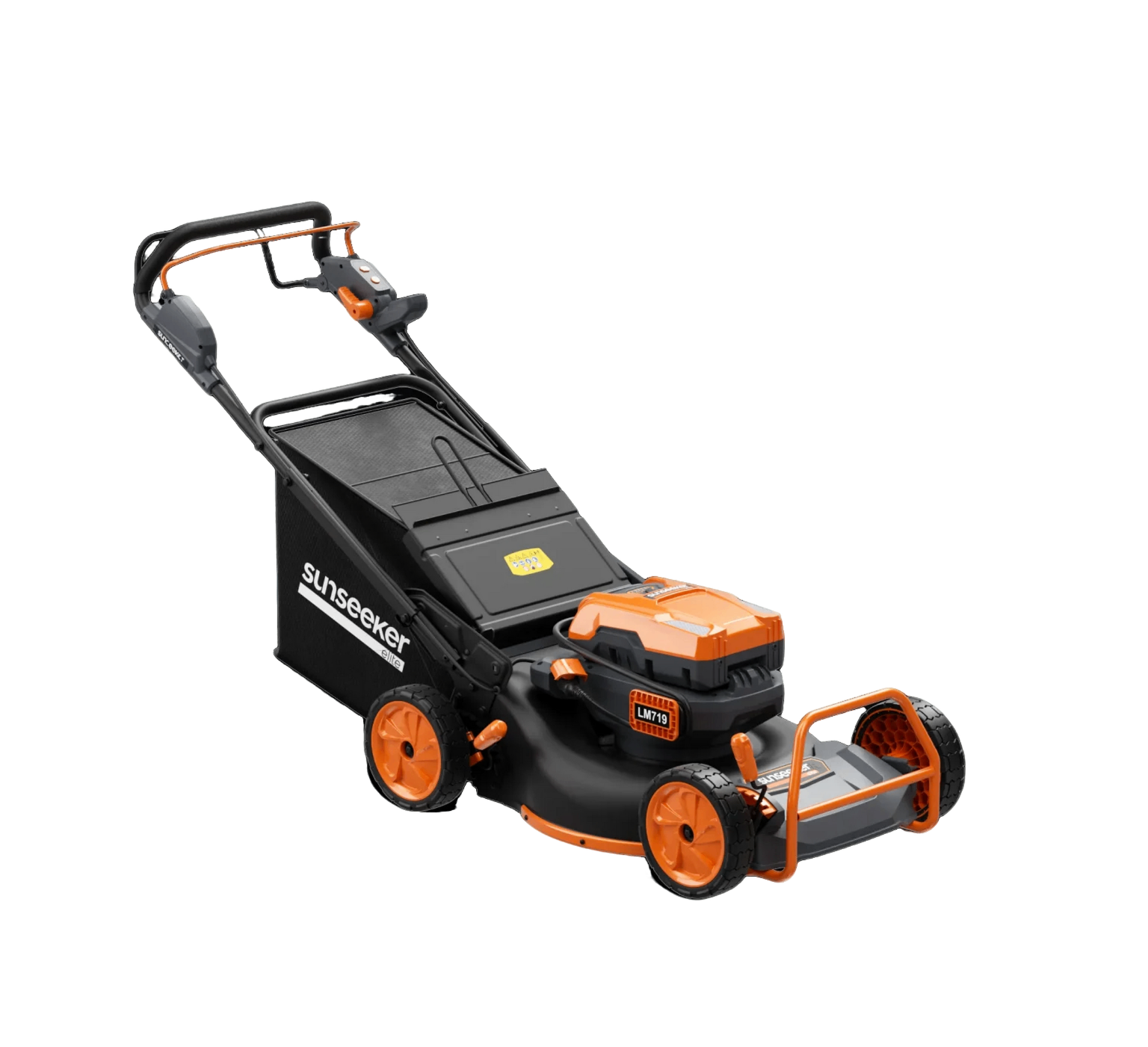
Gas-powered mowers work with multiple mechanical systems. They require daily maintenance by design. If you are tired of troubleshooting starting failures, some modern electric lawn mowers are a better alternative. These battery-powered devices have no spark plugs, no carburetor, and do not require oil level detection. This eliminates the possibility of starting failures from their root.
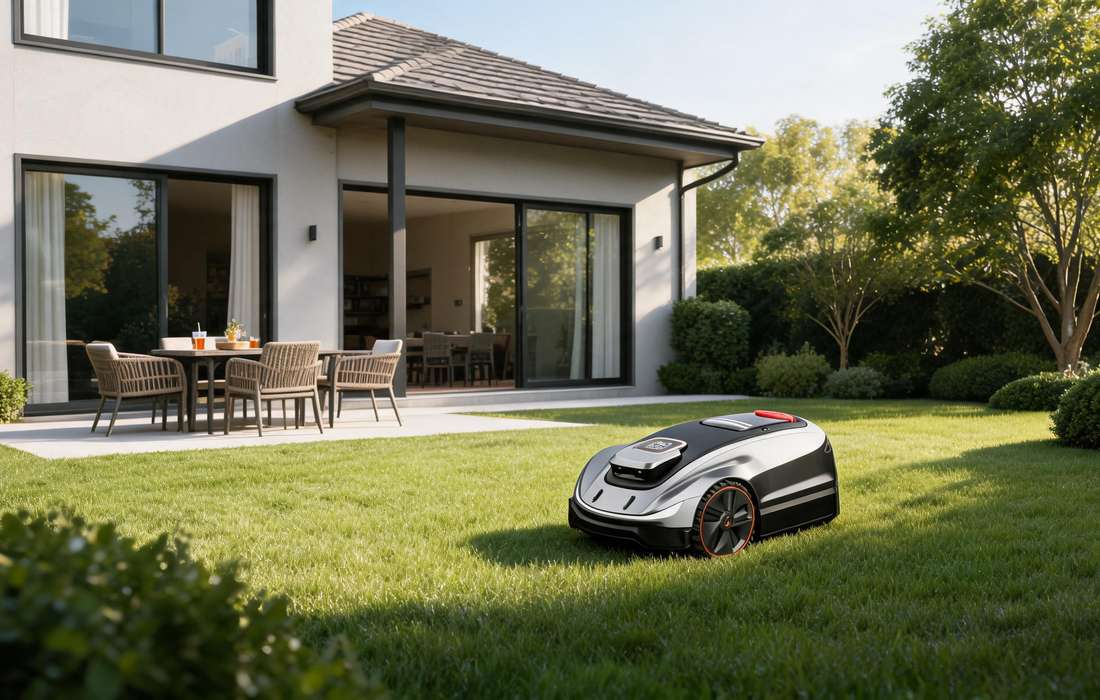
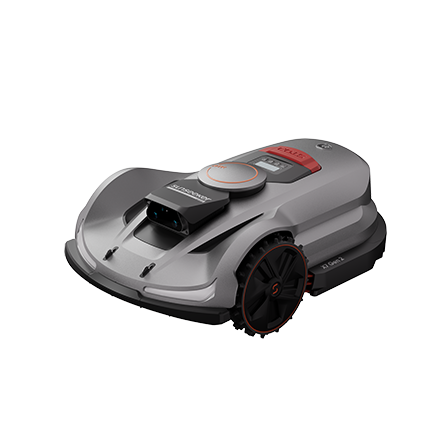
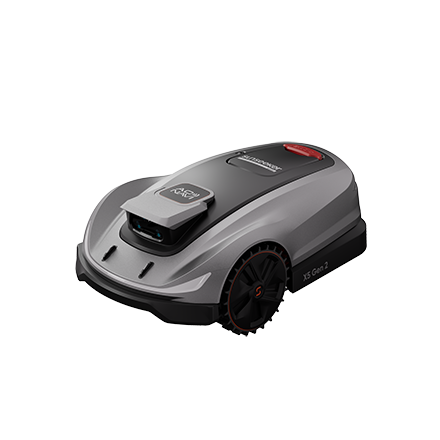
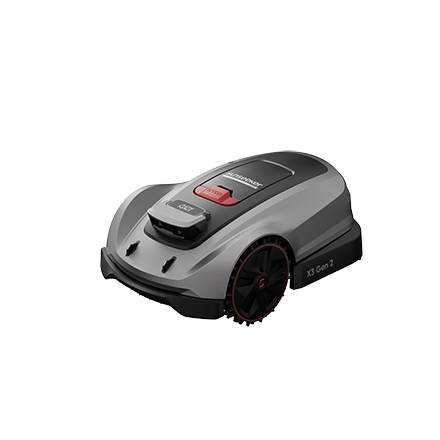
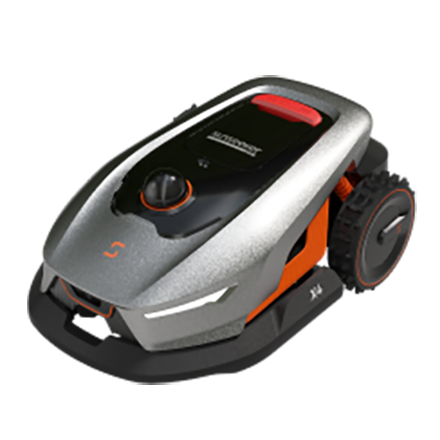
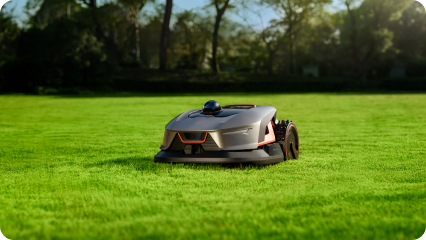
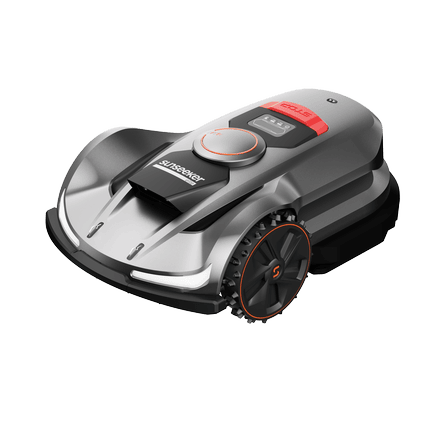
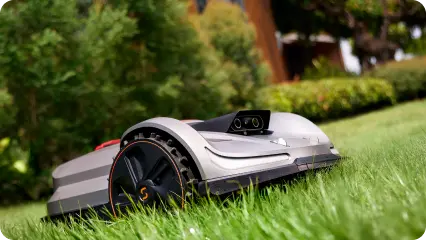
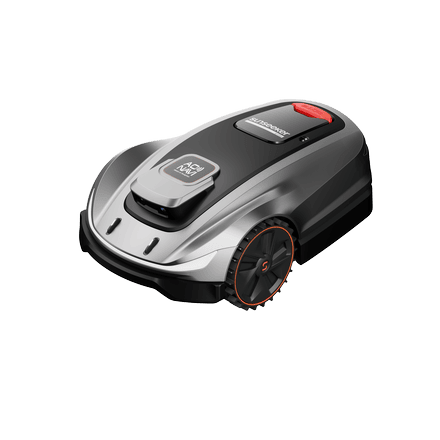
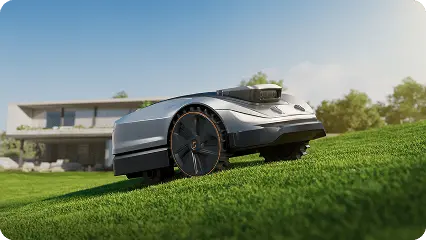
And if you prefer a more hassle-free solution, a robotic lawn mower like the Sunseeker Elite X7 series is worth trying. The automated tool runs according to the established schedule. This totally liberates you from manual tasks. The AI-driven feature is a bonus. During tasks, it will plan routines smartly and avoid moving objects like pets or people. Even for large estates with slopes up to 35 degrees, the rugged off-road tires with an all-wheel-drive system can handle it with ease. Take one to see how easy the maintenance could be!
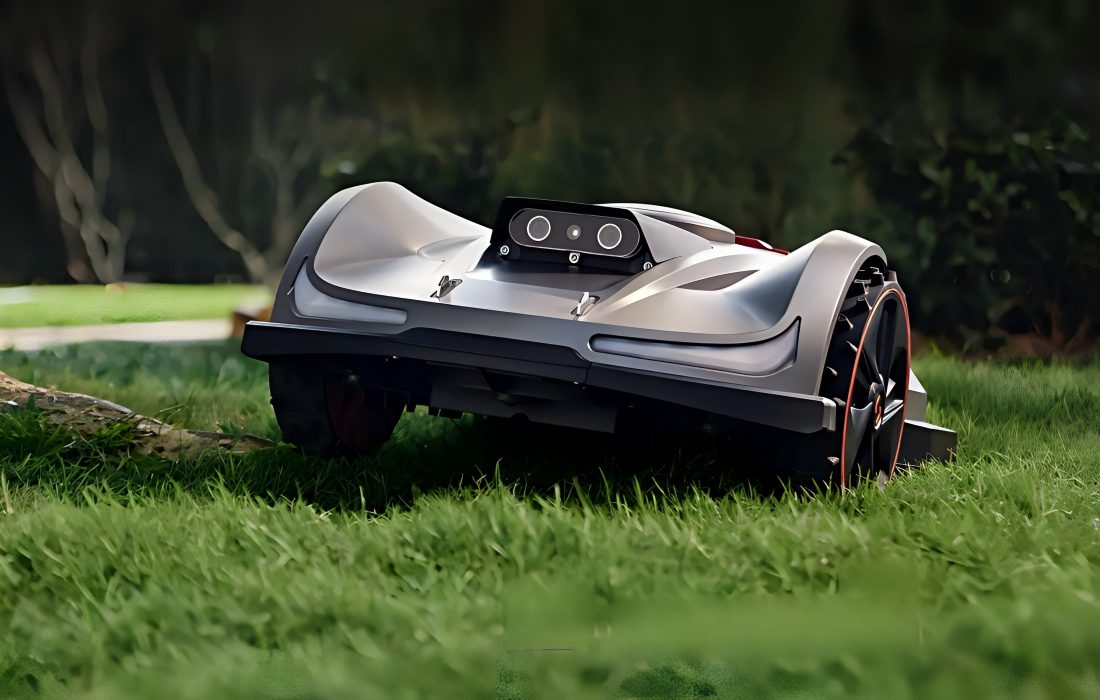
Why a lawn mower won’t start? Fuel issues, airflow restrictions, or ignition faults are common causes. Most problems can be resolved with basic checks and simple tools. This guide outlines practical steps to restore function quickly. If the issue persists, you’d better try a deeper inspection or turn to professional support. For those facing repeated failures, switching to an electric one like the Sunseeker Elite X7 reduces maintenance costs in the long run!
The engine cranks, but ignition fails due to missing fuel or spark. Common causes include a clogged carburetor, stale fuel, a faulty spark plug, or a blocked fuel line. Electrical issues or a dirty air filter can also prevent proper combustion.
Start by checking the fuel level or battery charge. Then inspect the spark plug, air filter, and oil level. Cleaning or replacing worn parts often restores function. If it still fails, check the carburetor and fuel system for blockages.
Yes. The carburetor controls the fuel-air mix. If it is clogged or dirty, fuel cannot reach the engine properly. Without the right mixture, combustion fails, so the mower will not start or may stall quickly after ignition.
Common signs include loud knocking sounds, thick smoke, or loss of compression. The engine may not turn over or run briefly before stopping. Persistent failure after basic repairs often indicates internal damage that requires replacement or rebuilding.