










FAQs
4/28/2026
Contents
Products
Residential Lawns






Commercial Landscapes
Explore
Where to Buy


When a lawn mower starts and then dies, it’s usually due to interrupted fuel, air, or spark. Common causes include stale fuel, clogged carburetor or air filter, blocked fuel cap vent, fouled spark plug, low or dirty oil, and blade drag. Addressing these with cleaning, fresh fuel, and routine maintenance restores reliable operation.
Few things are more frustrating than a lawn mower starts then dies situation, especially mid-session. You pull the cord, the engine fires up, and then it cuts out seconds later. Sometimes it happens immediately, sometimes after a minute or two of running. Either way, the cause is almost always one of a handful of common issues that can be diagnosed and fixed without a trip to the repair shop. Here's what to check and how to work through it.

The issue of lawn mower start then die comes down to the engine's three basic needs: fuel, air, and spark. When any one of these is interrupted or inconsistent, the engine can fire briefly but can't sustain combustion long enough to keep running. Here are the most common culprits:
Work through these in order. Most lawn mower starts and then dies situations are resolved within the first few steps.
Drain any old fuel from the tank and replace it with fresh gasoline. If the mower has been sitting for more than a month, old fuel is the most likely cause. Add a fuel stabilizer to the fresh fill if you don't plan to use the mower frequently, as it prevents degradation during storage periods.
Remove the air filter cover and inspect the filter. A foam filter can be washed with warm soapy water, rinsed, dried completely, and lightly oiled before reinstalling. A paper filter that's heavily clogged or damaged should be replaced. Air filters are inexpensive and easy to swap out, and a clean filter makes an immediate difference to how the engine runs.
Remove the spark plug and inspect it. A healthy plug has a light tan or gray electrode. Black or oily deposits indicate fouling. Clean a lightly fouled plug with a wire brush, check the gap against the manufacturer's specification, and reinstall. If the electrode is worn or the insulator is cracked, replace the plug. A new spark plug costs very little and is worth doing as part of regular maintenance regardless.
A blocked fuel cap vent is easy to test. If the lawn mower starts and then slowly dies after a minute or two of running, loosen the fuel cap slightly and try again. If the mower runs normally with a loose cap, the vent is blocked. Clean it with compressed air or replace the cap.
If the above steps don't resolve the issue, the carburetor is likely clogged. With the air filter removed, spray carburetor cleaner directly into the air intake while the engine is running to dissolve deposits in the throat and jets. For a more thorough clean without removal, spray cleaner into the fuel inlet and let it soak. In more stubborn cases, removing and disassembling the carburetor for a full clean is the most reliable fix.
Pull the dipstick, wipe it clean, reinsert fully, and check the level. If it's low, top up to the full mark with the correct grade of oil specified in the manual. If the oil is very dark or smells burnt, change it before running the mower further.
Tip the mower on its side with the air filter facing up and check for grass buildup under the deck. A packed deck increases blade drag significantly and can stall the engine under load. Scrape the underside clean and check that the blade spins freely before restarting.
Most lawn mower that starts then dies issues can be resolved through the steps above. However, a few situations are worth handing to a professional:
A small engine repair shop can diagnose these situations quickly, and for older mowers, the repair cost is worth weighing against the mower's remaining useful life.
Preventing the issue is easier than fixing it. If you are asking “how do you start lawn mower equipment reliably after storage?”, the answer begins with routine care. These habits keep a gas mower dependable season after season.
Fresh fuel burns cleanly and doesn't leave deposits in the carburetor. Add a fuel stabilizer any time the mower will sit for more than a month, and drain the tank at the end of the season to avoid stale fuel issues the following spring.
Check the air filter every 25 hours of use or at the start of each season. A clean filter keeps the fuel-air mix balanced and reduces strain on the carburetor. It takes five minutes and costs very little.
Old oil loses its lubricating properties and can trigger the low-oil safety cutoff even when the level appears adequate. Changing the oil at the start of each season keeps the engine protected and the sensor functioning correctly.
Clear grass buildup from under the deck after each use. A clean deck reduces blade drag, improves cut quality, and prevents the engine from working harder than necessary.
At the end of the season, drain the fuel, run the engine until it stops, clean the deck, and store the mower in a dry covered space. Proper storage prevents most of the carburetor and fuel system issues that cause starting problems the following spring.
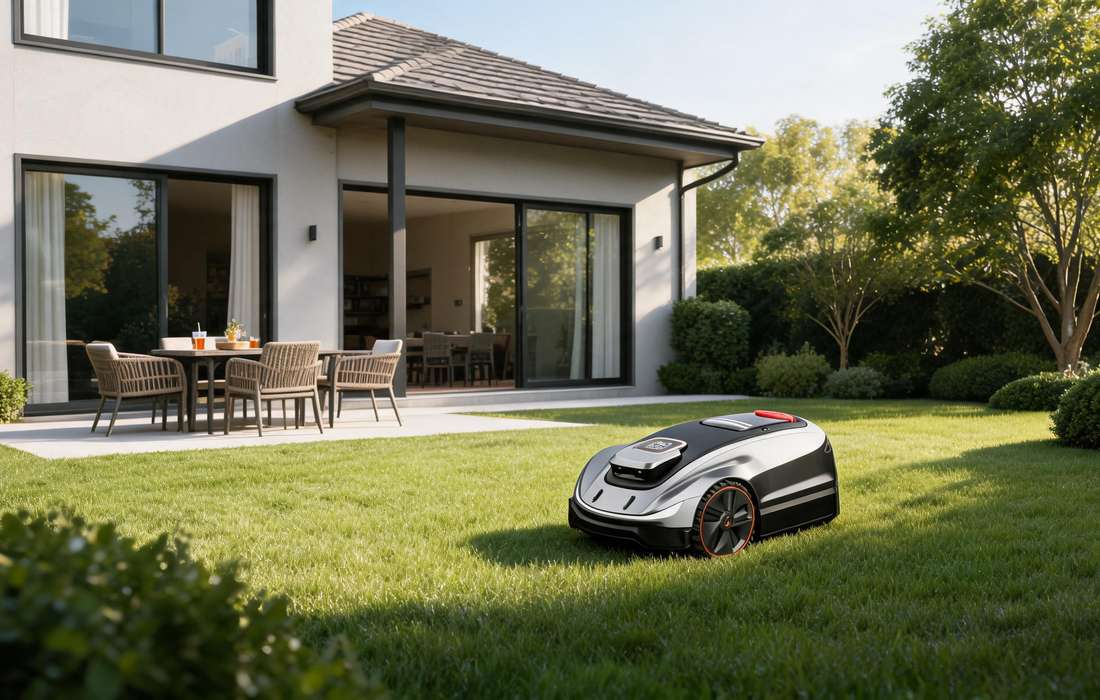
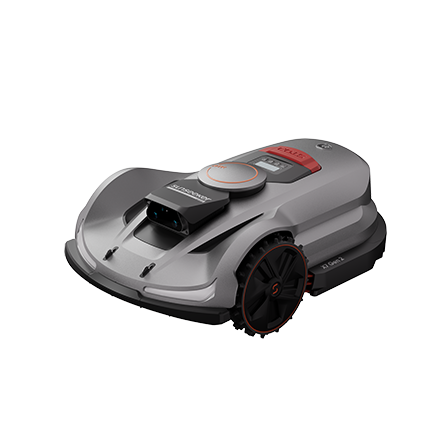
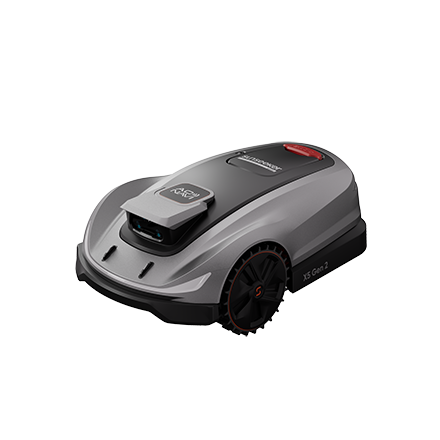
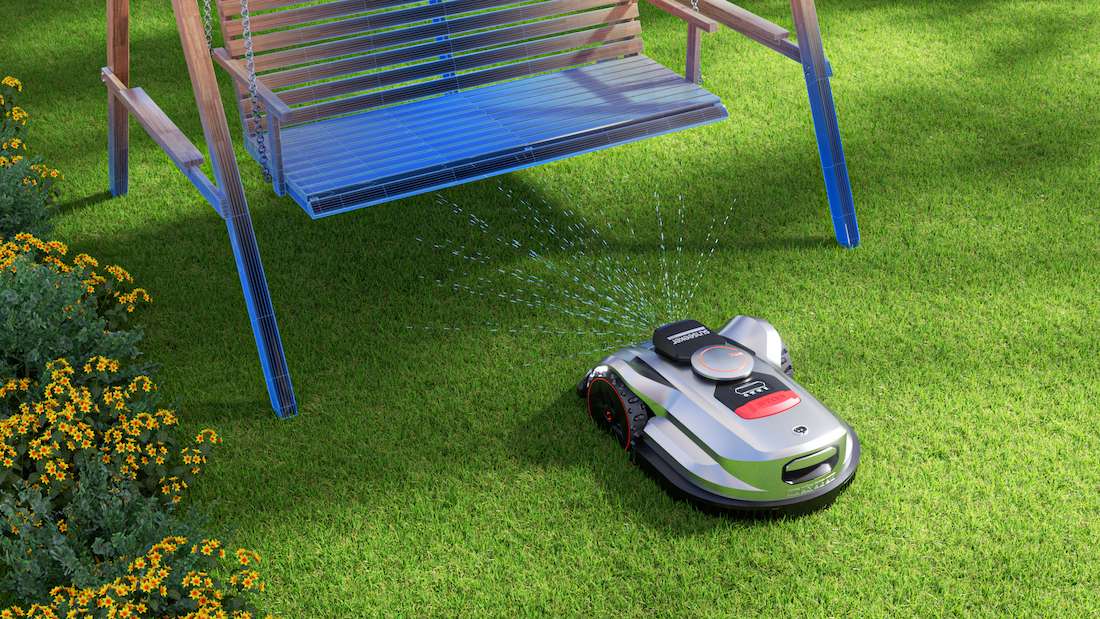
If recurring maintenance issues are a frustration, a robotic mower eliminates most of them entirely. The Sunseeker Elite X5 Gen 2 runs on battery power with no carburetor, no spark plug, and no fuel system to maintain. It operates autonomously on a set schedule and returns to its charging station automatically, removing the maintenance burden that comes with gas-powered equipment.
Whether your problem is described as “lawn mower wont start” or “lawn mower starts then dies,” it is almost always fixable at home with basic tools and a methodical approach. Start with fuel freshness and the air filter, move to the spark plug and carburetor, and work through the checklist before assuming the worst. Consistent maintenance prevents most of these issues from developing in the first place. And if gas engine upkeep has become more trouble than it's worth, a modern lawn mower or robotic alternative is worth considering as a longer-term replacement.
Spray carburetor cleaner directly into the air intake with the air filter removed while the engine is running. This dissolves deposits in the carburetor throat and jets without disassembly. For a more thorough clean, spray cleaner into the fuel inlet with the engine off and let it soak for 15 to 20 minutes before attempting to start. Repeat if needed. This method resolves most mild to moderate clogging issues. If the carburetor is heavily clogged with varnish from old fuel, removal and full disassembly may be necessary for a complete clean.
A failing ignition coil causes intermittent or weak spark, which typically shows up as hard starting, the engine firing briefly then dying, or loss of power under load. To test, remove the spark plug lead and hold it close to a metal surface while cranking the engine. A strong blue spark indicates the coil is working. A weak orange spark or no spark at all suggests the coil is failing. A small engine multimeter test of the coil's resistance against the manufacturer's specification gives a more definitive result. Replacement coils are relatively inexpensive and straightforward to install.
Yes, this is one of the most common causes of the why does my lawn mower start and then die issue. Gasoline degrades within 30 days without a stabilizer, losing combustibility and leaving behind varnish and gum deposits that clog the carburetor's small jets and passages. The engine may fire on residual good fuel in the system but stall once it draws on degraded fuel from the tank. Draining old fuel completely and refilling with fresh gasoline resolves the issue in most cases, though a carburetor clean may also be needed if deposits have already built up.