










FAQs
1/20/2026
Contents
Products
Residential Lawns

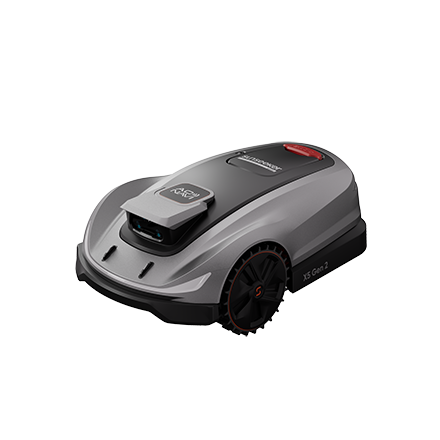

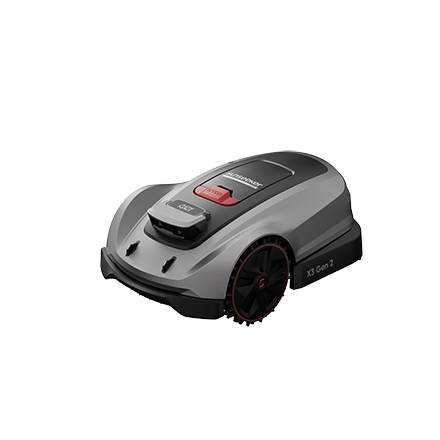

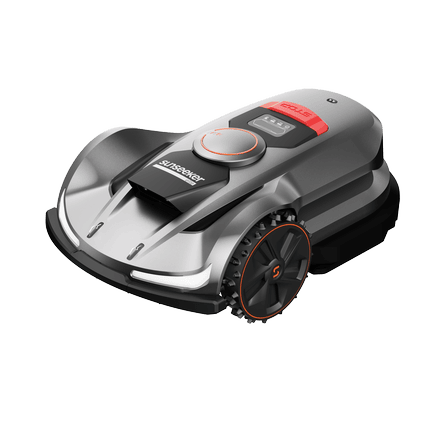
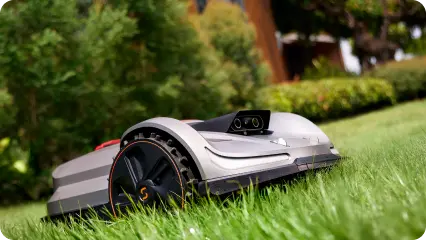
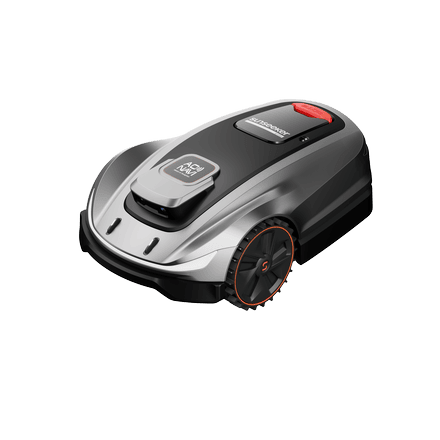
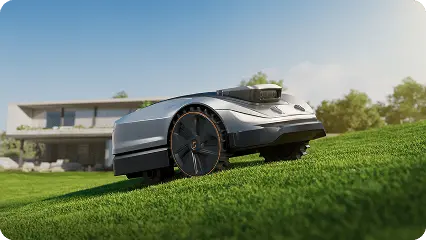
Commercial Landscapes
Explore
Where to Buy


For many homeowners, mowing the lawn has shifted from gas-powered engines to quieter, more efficient electric solutions. As cordless and robotic lawn mowers become more common, the battery has taken center stage in determining performance, convenience, and long-term value. This guide explains the different battery types, what affects their lifespan, signs of replacement, and tips to extend battery life for electric mowers.
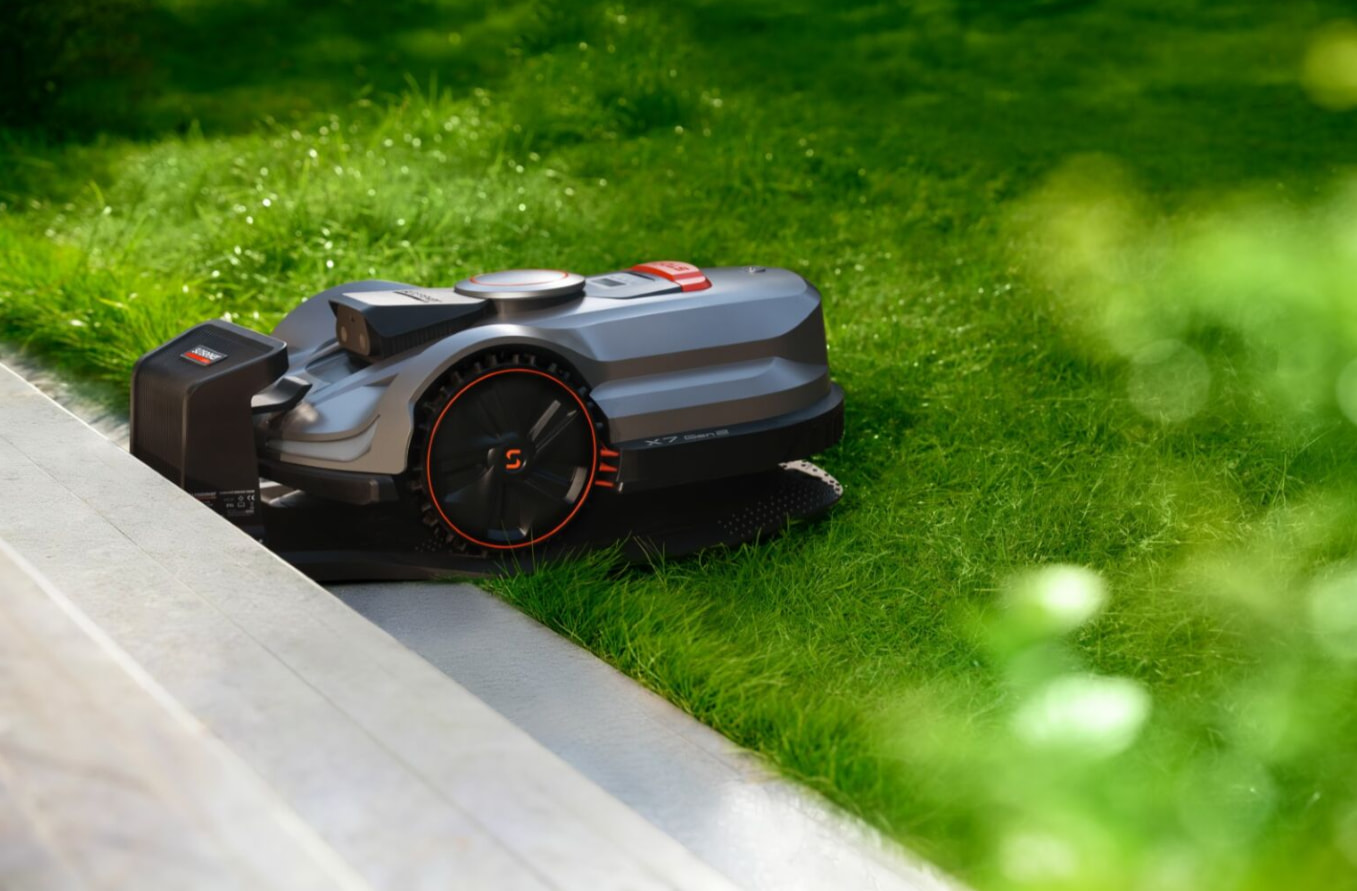
Generally, a lawn mower battery lasts between 3 and 5 years, depending on the type of battery and how you use it. For the average homeowner, the battery may complete around 500 charging cycles before its performance noticeably declines. However, these figures are just guidelines.
The actual lifespan is influenced by several factors, including battery chemistry, frequency of use, maintenance habits, and environmental conditions. Understanding these variables helps set realistic expectations for your equipment.
Choosing a reliable lawn mower battery is essential for consistent performance and long-term use. Today’s mowers typically rely on three main battery types: lead-acid, lithium-ion, and lithium iron phosphate (LiFePO₄). Each option comes with its own strengths and trade-offs. Taking a closer look at how these batteries differ can help you decide which one best fits your mowing needs and expectations.
Primarily found in traditional or large commercial electric mowers, lead-acid batteries are a more budget-friendly option. However, they are significantly heavier and require regular maintenance, such as checking fluid levels. Their lifespan is generally shorter than modern alternatives, typically lasting 2-4 years, and they are more susceptible to damage from deep discharges.
This is the most common battery type in modern cordless and robotic mowers. Lithium-ion batteries offer a high energy density, meaning they pack a lot of power into a relatively small, lightweight package. They have a low self-discharge rate and do not suffer from the "memory effect," allowing for more flexible charging. These batteries typically last 3-5 years and can withstand over 500 charge cycles, making them the standard for convenience and efficiency in today's automated lawn care.
A newer type of lithium-ion battery, Lithium Iron Phosphate (LiFePO4) technology is gaining popularity. It offers an even longer lifecycle, and superior safety due to its stable chemical structure. While more expensive upfront, its durability and extended lifespan can provide better long-term value for frequent users. LiFePO4 batteries can last over a decade and endure 2,000-4,000 charge cycles, representing the most durable option currently available.
Several key factors determine whether your battery reaches its maximum potential lifespan or falls short.
Charging behavior has a direct impact on battery longevity. Regularly letting the battery drain completely or leaving it connected to the charger long after it reaches full capacity accelerates cell wear. Ideally, charging should occur before the battery drops too low and stop once it reaches full charge. Using the charger in extremely hot or cold environments further stresses the internal chemistry, so a stable, moderate-temperature location is best.
Ambient temperature strongly influences battery health. Prolonged exposure to high heat speeds up internal chemical reactions, causing faster aging and capacity loss. Extremely cold conditions reduce available power and make charging less efficient. For optimal lifespan, store and operate the mower in a shaded, well-ventilated area where temperatures remain within a moderate range.
Demanding mowing conditions place extra strain on the battery. Thick or wet grass, steep slopes, and uneven terrain increase motor resistance, causing higher current draw. This leads to faster discharge and more intensive charge cycles. Over time, frequent high-load use can shorten battery life compared to lighter, more consistent mowing routines.
To select a robotic mower that matches your lawn’s size and terrain without straining its battery or performance, a practical comparison can provide essential guidance. For a detailed look at models designed to work efficiently within their ideal operating range, The Best Robot Lawn Mowers: Upgrade Your Garden with No Effort highlights five top options tailored to varied landscapes.
Basic maintenance helps prevent unnecessary battery stress. Monthly inspections of the terminals ensure connections remain clean and secure. Corrosion or loose contacts can cause voltage drops, inefficient charging, and uneven power delivery. Keeping terminals dry and debris-free supports stable performance and reduces the risk of premature battery wear.
Battery quality varies widely between manufacturers. Higher-end batteries use premium cells and advanced battery management systems that regulate charging, temperature, and discharge more effectively. These safeguards reduce stress on the cells, improve safety, and extend usable lifespan. Investing in a well-built battery often results in more consistent performance and fewer replacements over time.
Proper charging is the most direct way to extend battery life and maintain your mower's reliability. The specific process varies depending on whether you have a riding mower or a robotic model. Follow these steps to ensure safe and efficient charging every time.
1. Prepare the Area: Park the mower on a flat, stable surface and ensure the ignition is completely turned off.
2. Locate the Battery: Find the battery, which is typically located under the seat or within the engine compartment hood.
3. Connect the Charger: First, attach the red charger clamp to the battery's positive (+) terminal. Then, connect the black clamp to the negative (-) terminal.
4. Initiate Charging: Plug the charger into a standard wall outlet and switch it on. A smart charger will automatically regulate the current.
5. Allow Time to Charge: The process may take several hours. The charger will typically shut off automatically or indicate when the battery is full.
6. Disconnect Safely: Once charging is complete, first unplug the charger from the wall outlet. Then, carefully remove the black clamp from the negative terminal, followed by the red clamp from the positive terminal.
In contrast, charging a robotic lawn mower is seamless and fully automatic. They uses intelligent sensors to monitor battery levels and return to its docking station without user input.
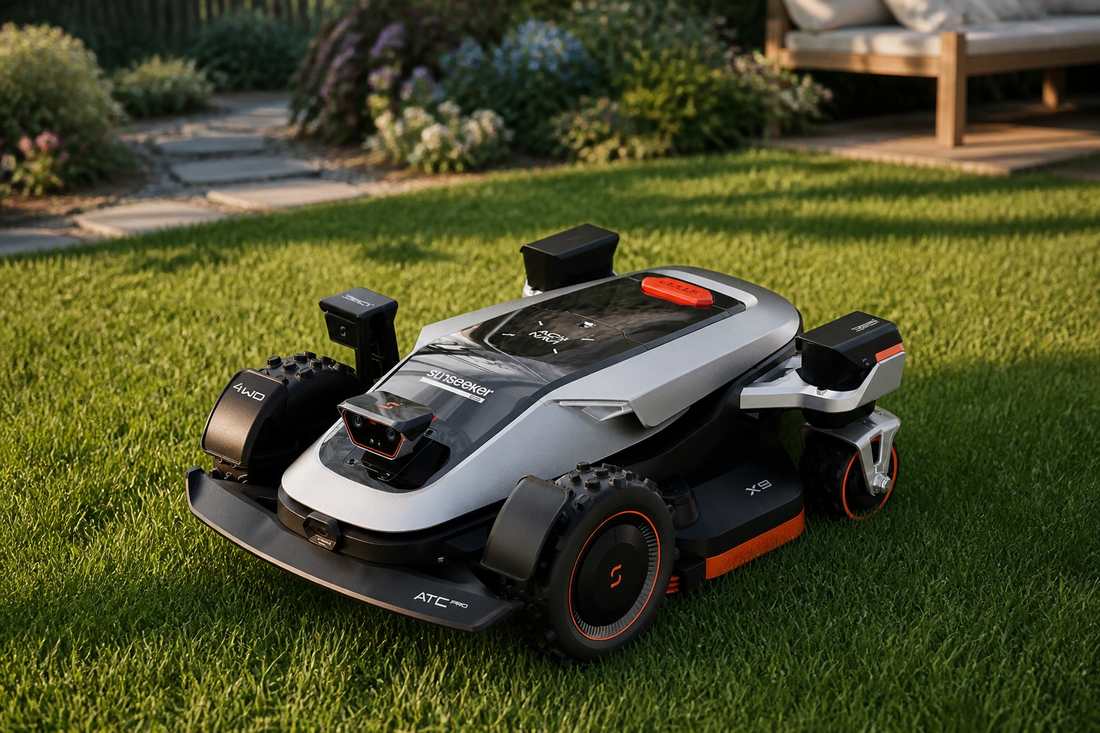
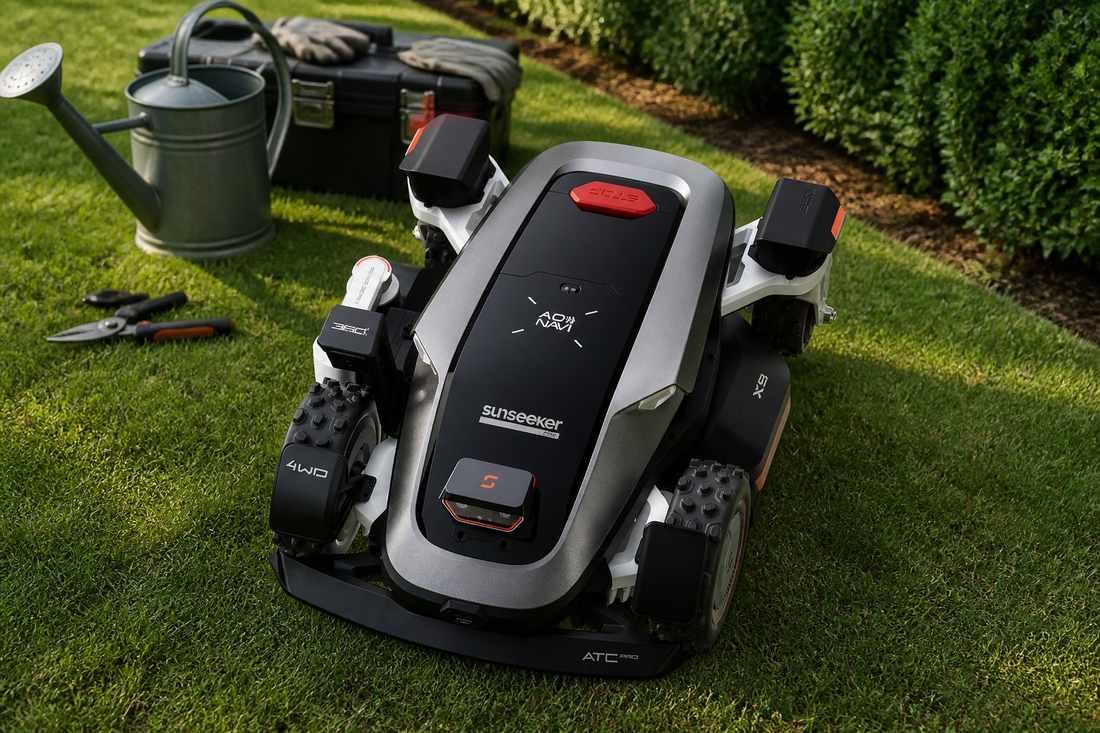
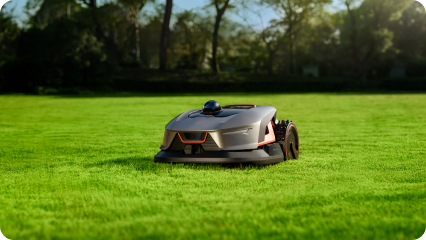
The Sunseeker Elite X Gen 2 Series even offers flexible return modes to suit different situations. Normally, the mower back along a clean, mark-free path to protect the lawn’s appearance. When the battery is low or an urgent return is required, the mower heads straight to the charging station, avoiding detours for faster and more efficient charging. Once recharged, it either waits for the next scheduled session or resumes mowing automatically.

Sunseeker Elite X7 Gen 2 Rapid Return Mode
Recognizing the symptoms of a failing battery can prevent frustration and potential mower downtime:
Reduced Runtime and Performance: The most common sign is a noticeable decrease in how long the mower runs on a single charge. You might also experience a lack of power, with the mower struggling or slowing down when cutting grass it used to handle easily.
Charging Issues: If the battery takes much longer than usual to reach a full charge, or if it seems to lose its charge very quickly after being disconnected from the charger, it is likely deteriorating.
Physical Damage and Swelling: Any visible signs of trouble are serious. A swollen, deformed, or cracked battery case, leaking fluid, or corroded terminals indicate a safety hazard. Stop using the battery immediately.
Age and Warranty Period: If the battery is several years old and has seen heavy use, or if it has already exceeded the manufacturer's warranty period, replacement should be considered.
Voltage Testing with a Multimeter: For a more technical check, using a multimeter provides a quick snapshot of battery health. If measured voltage falls below recommended levels—around 12.6V for lead-acid or 14V for lithium-ion—the battery may be nearing the end of its usable life.
With proper care, you can maximize your battery's service life and delay the need for a replacement.
Always read and follow the manufacturer's guidelines, paying close attention to recommended charging times, temperature ranges, and charger types. Avoid letting the battery fully deplete before recharging. Instead, try to recharge when it reaches 20-30% capacity. This "shallow cycle" approach is less stressful than repeated deep discharges. Use the original charger or a fully compatible smart charger designed for your battery type.
If you store your mower for an extended period, such as over winter, proper battery care is essential. Remove the battery from the mower, clean the terminals, and store it in a cool, dry place. For long-term storage, lithium-ion batteries are best kept at around a 50% charge state to minimize aging.
Keep the battery and its charging contacts free from dirt, grass clippings, and corrosion. Periodically check that all cable connections are secure. A clean connection ensures efficient power transfer and reduces the risk of issues.
Whenever possible, avoid mowing in the peak heat of a summer afternoon, on freezing winter days, or across excessively rough and steep terrain. Extreme temperatures already stress battery chemistry, and uneven ground or sharp slopes further increase motor load, accelerating battery wear and reducing overall lifespan.
So, how long does a lawn mower battery last? In most cases, a well-maintained battery can deliver 3 to 5 years of reliable service, depending on its type, usage patterns, and care routine. Taking good care of your lawn mower battery is a simple yet effective way to protect your investment and ensure your mower is always ready when needed.
By selecting the right battery technology, following smart charging habits, storing it properly during the off-season, and monitoring performance changes, you can significantly extend its lifespan. This approach reduces replacement costs and ensures consistent, dependable mowing season after season.
For homeowners seeking long-term reliability and intelligent battery management, you can try models like the Sunseeker Elite X Gen 2 robotic mower are designed to maximize efficiency while minimizing battery wear.
Capacity (Ah) indicates how long the battery can run, like a fuel tank's size. Voltage (V) represents the power "pressure" driving the mower. Higher voltage typically means more cutting power for tough conditions.
Check your mower's manual first. While physically compatible, a higher capacity battery may require a specific charger and could affect warranty coverage if not officially supported by the manufacturer.
No, continuous trickle charging can damage most lithium-ion batteries. For long-term storage, charge to about 50%, disconnect, and store in a cool, dry place, checking the charge level every few months.