







FAQs
4/23/2026
Contents
Products
Residential Lawns











Commercial Landscapes
Explore
Where to Buy


Mowing doesn’t kill all ticks directly but disrupts their habitat, making lawns less hospitable. Keeping grass short increases sunlight and reduces moisture, limiting tick survival and questing opportunities. Regular mowing, combined with debris removal, spacing plants for airflow, and targeted treatments, helps reduce tick presence and protects both people and pets.
With tick-borne diseases on the rise, many homeowners worry about these tiny pests hiding in their grass, especially during peak season. So, does mowing the lawn kill ticks? The answer is yes. Regular mowing does not instantly eliminate ticks, but it plays a key role in reducing their habitat and lowering your risk of exposure. This article explores why and how mowing disrupts tick habitats, along with more advanced, practical strategies to combat tick activity in your yard. You can also learn effective lawn tick control tips to reduce infestations and protect your outdoor space throughout the year.

Ticks thrive in environments that provide moisture, shade, and easy access to hosts. Lawn, especially those that are not regularly maintained, can offer the perfect conditions for their survival and reproduction.
Pests prefer areas with tall grass, dense vegetation, and leaf litter, where humidity levels remain high. In these environments, ticks engage in a behavior called “questing,” where they climb up grass blades or weeds and wait for a passing host such as humans, pets, or wildlife.
In most residential yards, ticks are not evenly distributed. Instead, they tend to concentrate in specific zones, such as shaded corners, along fences, near wooded edges, or around piles of debris. Even if your lawn appears tidy, ticks can migrate from nearby forests or overgrown areas and settle into favorable microclimates.
So, do ticks live in mowed grass? Generally, they are less likely to thrive in short, well-maintained grass. However, they can still survive temporarily if there is enough moisture or nearby shelter. Factors such as high humidity, the presence of hosts, and poor yard maintenance can all increase tick populations.
So, does mowing the lawn kill ticks? The answer is: not directly. But it can reduce their chances of survival. Mowing alters the environment that ticks depend on. Keeping your grass trimmed to around 75-100 mm can reduce shade and increase sunlight exposure. This creates a hotter, drier environment that leads to desiccation, or drying out, which is harmful to ticks.
While mowing may physically kill some ticks, many survive by dropping to the soil or clinging to lower vegetation. However, the bigger impact comes from habitat disruption. Short grass makes it harder for ticks to climb and “quest,” reducing their ability to latch onto hosts.
Research has shown that ticks are less commonly found in regularly maintained lawns compared to overgrown areas. If you are wondering what is the best time to mow lawn areas for effective maintenance, choose mid-morning after the dew has dried or late afternoon when temperatures are cooler. Avoid mowing wet grass, as damp clippings can clump together and create the moist shelter that ticks prefer. A well-mowed lawn also makes it easier to spot debris, problem areas, and potential tick habitats, allowing you to take additional action.
Even so, mowing alone does not eliminate infestations. Instead, it should be viewed as a foundational step in a broader lawn tick control strategy. So, how to rid your lawn of ticks more effectively? Here are practical and proven methods.
Install a 3-foot-wide strip of gravel, mulch, or wood chips between your lawn and nearby wooded or overgrown areas. This dry, exposed zone helps prevent ticks from migrating into frequently used spaces.
Regularly clear leaf litter, grass clippings, and brush piles from your yard. These materials trap moisture and create shaded hiding spots where ticks can survive, making cleanup essential for reducing tick activity.
Limit access for deer, rodents, and other wildlife that carry ticks into your yard. Use fencing, natural repellents, or move bird feeders away from living areas to reduce the risk.
The best lawn treatment for ticks is to use sprays or granules specifically formulated to eliminate ticks, with a focus on shaded areas, lawn edges, and other high-risk zones. There are also plenty of eco-friendly, natural options that can help reduce tick populations effectively.
How to treat your lawn for ticks if there are severe infestations? Professional pest control can be a smart solution. Experts can assess your property and apply treatments more precisely than most DIY approaches, helping to reduce overall tick activity more effectively in challenging situations.

Aside from lawn tick treatment, it’s crucial to focus on prevention. Preventing ticks is far more effective than dealing with an infestation later. In this part, we’ve concluded useful tips that can reduce the tick activity over time.
Design your outdoor space to make more areas receive direct sunlight. Ticks prefer shaded, humid environments, so increasing exposure naturally makes survival more difficult.
Overwatering creates damp soil conditions that favor ticks. Water only when necessary and avoid keeping soil constantly moist, especially in shaded parts of your lawn.
Avoid overcrowding shrubs, hedges, or ornamental plants. Proper spacing allows airflow and reduces sheltered zones where ticks can survive unnoticed.
If possible, shift play or seating areas periodically within your yard. This prevents repeated pressure on the same micro-areas where ticks may begin to establish.
Some ground covers retain moisture and shade. Select varieties that stay relatively dry and airy to avoid creating tick-friendly pockets in your landscape.
Understanding how to mow a lawn properly is important for both grass health and tick prevention. Avoid letting the grass fluctuate between very short and overgrown, and never remove more than one-third of the grass blade in a single mowing session. A steady, moderate height reduces the shaded, humid microclimates that ticks rely on. To make this easier, many homeowners are turning to advanced robotic mowers that handle routine cutting with precision and minimal effort.
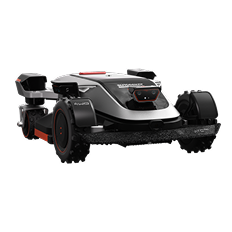
The Sunseeker Elite X5 is an excellent choice for those seeking smart, reliable lawn maintenance. Its floating cutting disc automatically adjusts to lawn contours, delivering an even and precise cut every time. With app-controlled height adjustment, AI-powered navigation, and obstacle detection, it ensures full coverage without missed spots. You can easily maintain the ideal lawn height that discourages ticks while protecting your grass.
If you have a larger or more demanding yard, the Sunseeker Elite X7 offers even greater capability. With a wider cutting height range, powerful AONavi™ navigation, Vision AI, and superior slope handling, it’s built to manage bigger properties with speed and precision, reducing mowing time while still delivering professional-level results. Equipped with an advanced floating disc system and app-based height control, it helps ensure consistent, efficient lawn maintenance with minimal effort.
Does mowing the lawn kill ticks? Not completely, but it’s one of the most effective ways to disrupt their habitat and limit the areas where ticks can thrive and latch onto hosts. When combined with debris removal, protective barriers, and targeted lawn tick treatment, you can significantly reduce tick presence and make your outdoor space much more enjoyable. To keep your lawn consistently maintained, consider investing in Sunseeker Elite models. They deliver the precision and efficiency needed to create a well-balanced lawn environment that is far less inviting for ticks.
Yes, treating your lawn for ticks is often recommended if you live in an area with high tick activity. Targeted treatments are designed to reach hidden areas such as shaded corners, dense vegetation, and lawn edges where ticks are more likely to survive. Combining treatment with regular yard maintenance is a more complete approach that can reduce tick presence effectively.
Mowing mainly disrupts tick habitats rather than killing them outright. It reduces grass height, increases sunlight exposure, and lowers humidity, which makes survival more difficult for ticks. While some may be physically harmed, many survive by dropping to the ground. That’s why mowing works best when combined with other lawn tick control methods.
You should mow your lawn every 7-10 days during the growing season to keep the grass around 75 mm tall. This prevents ticks from finding suitable questing spots while maintaining healthy turf. In wetter conditions, it’s best to mow more frequently, which helps reduce moisture levels that ticks depend on for survival.
The fastest way is to combine multiple approaches: mow your lawn short, remove all debris, and apply a targeted lawn tick treatment to edges and shaded areas. Adding a mulch or gravel barrier can also provide immediate protection. For severe infestations, professional pest control services can deliver quicker and more noticeable results.
Start with regular mowing and routine removal of leaves, clippings, and other debris that create moist hiding spots for ticks. Many commercial yard treatments can also be used safely once they have fully dried, but it’s important to always read labels and keep pets off treated areas until it is safe.