
















Your sprinklers are winterized, the grass has turned brown, and three weeks have passed without rain. Does the lawn need water in January, or could adding moisture do more harm than good? The answer depends largely on local winter conditions. A snow-covered northern yard has very different watering needs from a windy, snow-free inland lawn.
Winter irrigation should be an occasional response to dry soil, not a continuation of your summer watering routine. Before turning on a sprinkler, check whether the ground is dry, whether temperatures allow water to soak in, and how much precipitation the lawn has received recently. These conditions matter even when the grass above ground appears completely dormant.

When Does a Lawn Need Water in Winter?
Winter watering is most important when the soil becomes too dry to support healthy grass roots. Some lawns continue growing through mild winters, while others enter dormancy but still need occasional moisture during dry weather.
- Grass is still actively growing. In regions with mild winters, cool-season grasses may remain green and continue growing slowly. If rainfall is insufficient and the soil begins to dry, occasional watering helps maintain healthy growth.
- Winter brings little rain or snow. Dormant lawns can experience moisture stress during extended dry periods. Check the soil beneath the surface, especially after several weeks of dry weather, and water when the root zone becomes dry.
- The lawn was recently established. Newly laid sod and young grass planted in autumn have developing root systems. They need closer moisture monitoring through their first winter, particularly during dry spells.
- Exposed areas dry out faster. Strong winds, direct sunlight, and sloping ground can leave certain sections drier than the rest of the lawn. Check these spots individually before deciding where to water.
What Should You Check Before Winter Watering?
Before watering your lawn in winter, check the soil and recent weather conditions. A few simple observations can help you decide if extra moisture is necessary and when to apply it.
Soil Moisture
Push a soil probe or screwdriver about 7-10 cm into two or three areas of the lawn. If the soil feels slightly moist, additional watering is usually unnecessary. Dry, crumbly soil at this depth may indicate that the root zone needs water.
Check exposed slopes and sandy areas separately, as they often dry out faster than sheltered sections.
Ground Temperature
A mild afternoon does not always mean the soil has thawed. If the ground is frozen or water cannot penetrate the surface, postpone irrigation.
Choose a day when temperatures are above approximately 4°C, the soil is thawed, and water has time to soak in before nighttime freezing.
Recent Precipitation
Review how much rain or snow the lawn has received recently. Rainfall and melting snow may already provide sufficient moisture, while light snow that blows away contributes little.
After several weeks without meaningful precipitation, check the soil before deciding to water. Pay particular attention to exposed areas that receive less natural moisture.
Grass Dormancy
Warm-season grasses such as bermudagrass and zoysiagrass commonly turn brown during winter dormancy. Cool-season grasses may remain green during mild weather, but their growth and water demand also slow.
Established dormant lawns generally need less frequent watering. Newly seeded or sodded areas require closer monitoring because their root systems are still developing. Use soil moisture, not grass color alone, to guide watering decisions.
How Much and How Often Should You Water in Winter?
There is no useful nationwide weekly winter schedule. In snow-free dry regions, inspect established turf after roughly four to six weeks without meaningful rain or snowfall; if the soil is dry and thawed, a single watering of about 13 mm is a practical reference. Turf guidance in dry regions often cites approximately this amount ahead of dry winter cold fronts. Reduce or skip irrigation when recent precipitation has already supplied moisture.
For perspective, 13 mm of water equals approximately 1,300 L spread across 100 m². A shallow catch can placed on the lawn lets you measure what a hose-end sprinkler actually delivers. Sandy sites may need reassessment sooner, while clay soils should be watered slowly enough to prevent runoff. A slope that sheds water may benefit from short soak-and-pause cycles rather than one long spray.
In a wet maritime winter, December through February rain may eliminate the need for supplemental irrigation. In dry, snow-free inland areas, one event during a prolonged dry spell may be beneficial. These are climate examples, not automatic monthly instructions.
New sod or recently seeded turf merits more frequent moisture checks because shallow roots dry faster. Give it enough water to keep the rooting zone from becoming severely dry on suitable days, while avoiding repeated saturation.
How Should You Water a Lawn on a Suitable Winter Day?
Winter watering works best as a short, deliberate visit to a genuinely dry lawn. The aim is to replenish thawed soil without creating icy surfaces or restarting an entire summer irrigation program.
- Pick the right day. Choose a clear, relatively calm midday period with air temperature above roughly 4°C, thawed soil, and enough time for infiltration before evening temperatures fall. Skip icy, snow-covered, or waterlogged sections.
- Use a hose-end sprinkler or watering can for targeted spots. A south-facing strip or exposed slope may be dry while the shaded back lawn remains moist. Apply water where the probe test shows a need instead of watering every zone out of habit.
- Watch how water enters the soil. Place a shallow container on the lawn to estimate the amount and pause if puddles form. For a dry established area, around 13 mm is a useful single-event reference, adjusted for recent precipitation and local guidance.
- Protect equipment when finished. Disconnect and drain the hose, empty portable sprinklers, and store fittings where they will not freeze. Do not turn on a winterized in-ground sprinkler system without accounting for the need to drain or re-winterize it afterward.
Recheck the soil after the event. If moisture reached the root zone and the forecast turns wetter, no follow-up appointment is necessary.
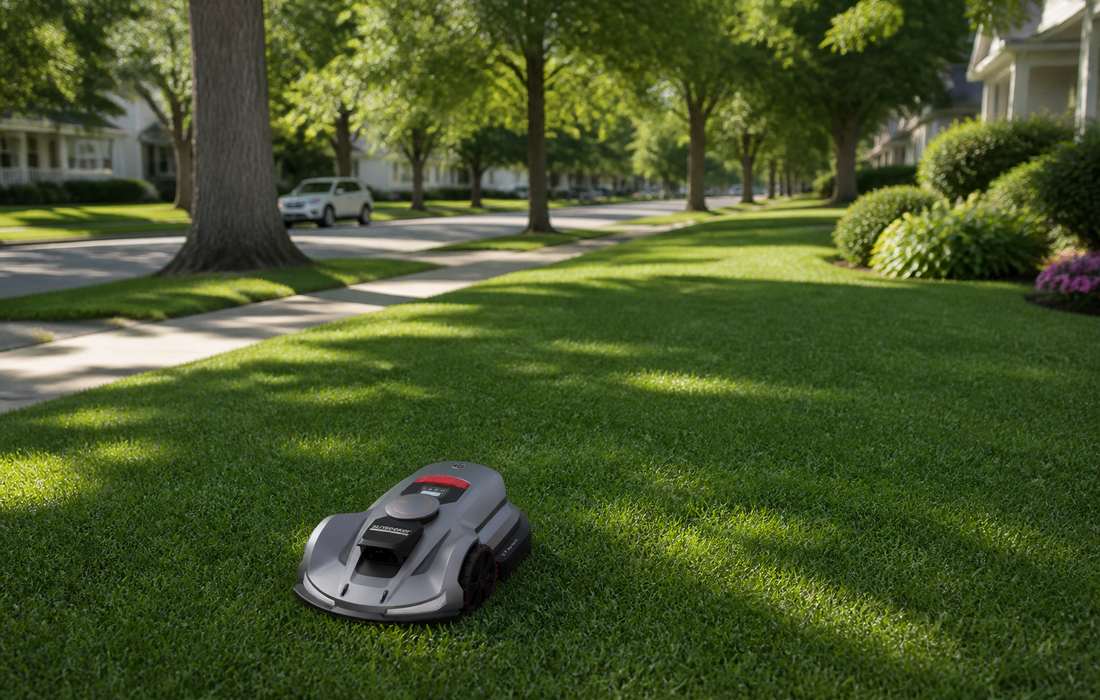
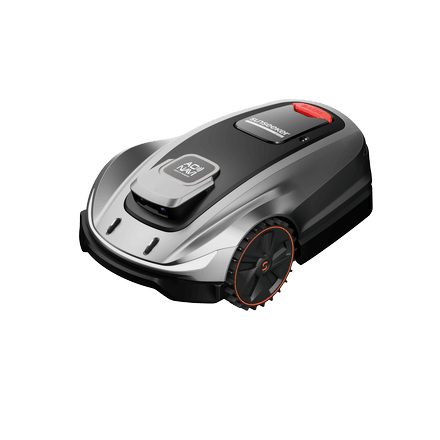
For lawns with multiple sections or different mowing needs, the Sunseeker Elite X5 supports multi-zone management and customizable mowing schedules through its app. Its AI obstacle avoidance and all-wheel-drive system help it navigate complex layouts and sloped areas, keeping spring lawn maintenance more consistent with less manual work.