









FAQs
5/7/2026
Contents
Products
Residential Lawns





Commercial Landscapes
Explore
Where to Buy


not be. Too much oil, spilled oil, a mower tipped the wrong way, or the wrong oil grade are common causes. If the smoke clears after a few minutes, the issue may be minor; if it keeps coming back, internal engine wear or gasket trouble may need attention.
Seeing sudden white smoke from a lawn mower is alarming, but it usually signals a fixable oil issue rather than terminal engine failure. Identifying the root cause early can save you significant time and professional repair costs before the situation escalates.
However, ignoring these warning signs can lead to permanent damage. This guide explores the primary causes of white smoke from lawn mower engines, provides useful fixes, and explains how modern solutions can eliminate gas-powered maintenance headaches entirely.
When you see lawn mower white smoke, the most common culprit is burning oil. Unlike black smoke, which usually indicates a fuel-related issue, white or light blue smoke signifies that oil has entered the combustion chamber or has spilled onto the hot muffler.
Overfilling your oil reservoir is a leading cause of white smoke. When levels exceed the "Full" mark, excess pressure forces oil into the cylinder to burn with fuel, creating thick clouds. Additionally, external spills on the muffler or engine block will emit smoke as the machine heats up during operation.
Solution: Check your oil level with the dipstick while the mower is on a level surface. If it is overfilled, drain the excess oil until it reaches the correct level. If you spilled oil on the exterior, wait for the engine to cool and wipe it down with a degreaser.
Tipping your mower incorrectly for maintenance can force oil into the carburetor, air filter, or cylinder. If the spark plug or air filter side faces downward, oil will pool in these areas and burn off upon restart, resulting in a sudden and dramatic cloud of smoke from lawn mower units.
Solution: If you have tipped your mower, check the air filter. If it is soaked in oil, it must be replaced. Allow the mower to run for about 5 to 10 minutes; in most cases, the oil will burn off, and the smoke will clear on its own. In the future, always tip the mower with the spark plug facing up.
Using the wrong oil viscosity can trigger white smoke. If the oil is too thin for high operating temperatures, it may bypass internal seals and leak into the combustion chamber to burn off. Always use the manufacturer-recommended oil grade to maintain engine integrity under heat.
Solution: Consult your owner’s manual for the manufacturer’s recommended oil grade (e.g., SAE 30 or 10W-30). Drain the incorrect oil and replace it with the high-quality grade recommended for your specific climate.
If your mower is older and continues to smoke even after you’ve verified oil levels, you may be dealing with internal wear. Piston rings are designed to create a seal between the piston and the cylinder wall. When these rings wear down or become brittle, oil from the crankcase "leaks" past them into the combustion area.
Solution: Perform a compression test to confirm worn rings, which usually requires a costly professional rebuild. At this stage, upgrading to a maintenance-free robotic mower is often the most cost-effective and long-term solution.
Serious mechanical failures like a blown head gasket or a faulty crankcase breather also trigger white smoke. A blown gasket allows oil to be sucked into the cylinder, while a malfunctioning breather forces oil into the intake system due to improper pressure regulation, both signaling the need for technical repair.
Solution: Inspect the head gasket for signs of leaks or "weeping" around the engine seams. Replacing a head gasket is a mid-to-high level repair task. If the breather is the issue, it usually needs to be cleaned or replaced to ensure proper pressure regulation.
Not all smoke is white. Understanding exactly why a lawn mower smokes white versus other colors is the best diagnostic tool you have for determining the health of your engine.
Blue smoke is often indistinguishable from white smoke to the untrained eye, but it usually leans toward a darker tint. Like white smoke, blue smoke indicates that the engine is burning oil. The primary difference is often the duration; while white smoke might be a temporary spill, persistent blue smoke usually points toward internal wear, such as worn valve guides or piston rings.
If your mower is emitting black smoke, the problem is not oil—it is fuel. Black smoke indicates that the engine is running "rich," meaning there is too much gasoline and not enough air in the combustion mixture. This is often accompanied by the engine "hunting" or surging.
Common causes include A heavily clogged air filter, a stuck choke, or a dirty carburetor. Cleaning the air filter is the first step in resolving black smoke.
To keep your backyard from looking like a battlefield, regular maintenance for your lawn mower is non-negotiable. Follow these 2026 standards to extend your engine's life:
1.Monitor Oil Levels Weekly: The most critical rule is to keep oil between the "Add" and "Full" marks. Overfilling is the #1 cause of white smoke from push mower.
2.Replace the Air Filter Every Season: A clogged filter forces the engine to work harder, leading to internal pressure issues and potential oil leaks into the combustion chamber.
3.Keep the Deck Clean: Dried grass and debris around the muffler can catch fire or smolder, creating an illusion of engine smoke.
4.The "Spark Plug Up" Rule: Whenever you need to sharpen blades, always tilt the mower with the spark plug facing the sky to prevent oil from draining into the carburetor.
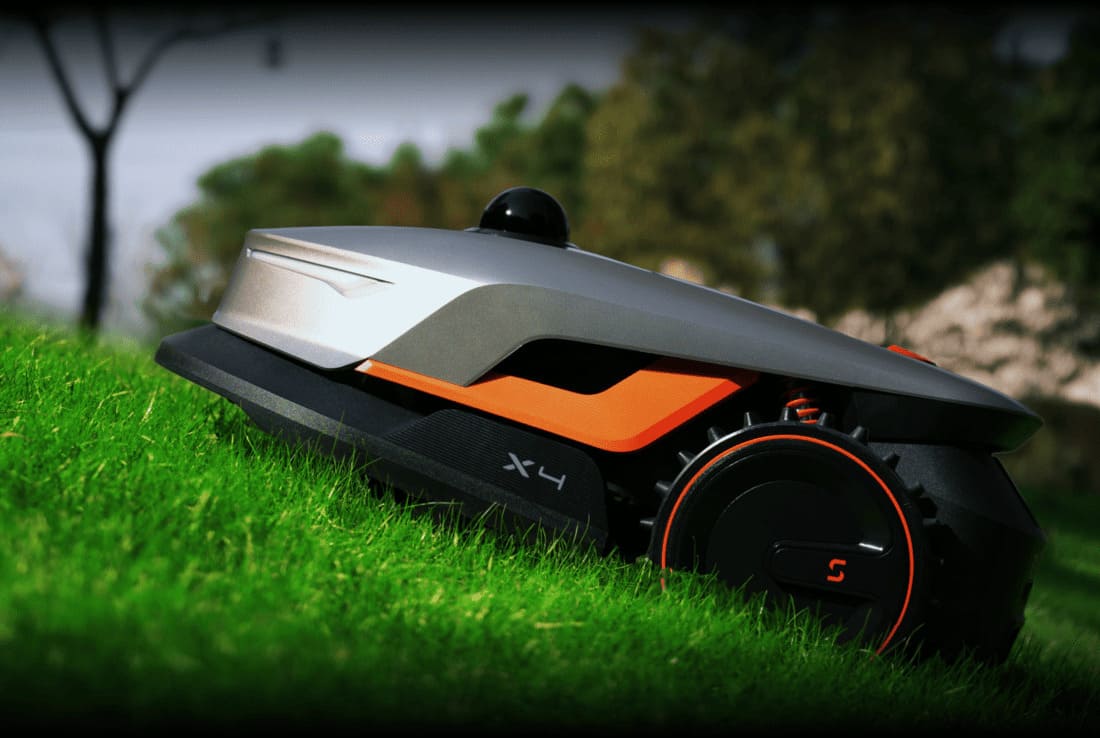
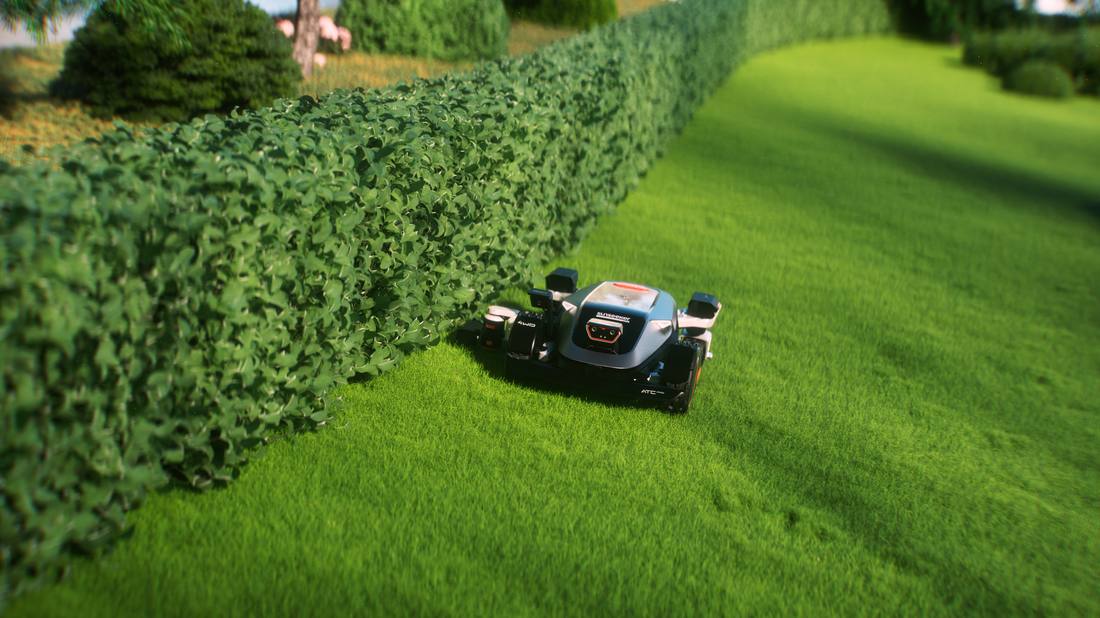
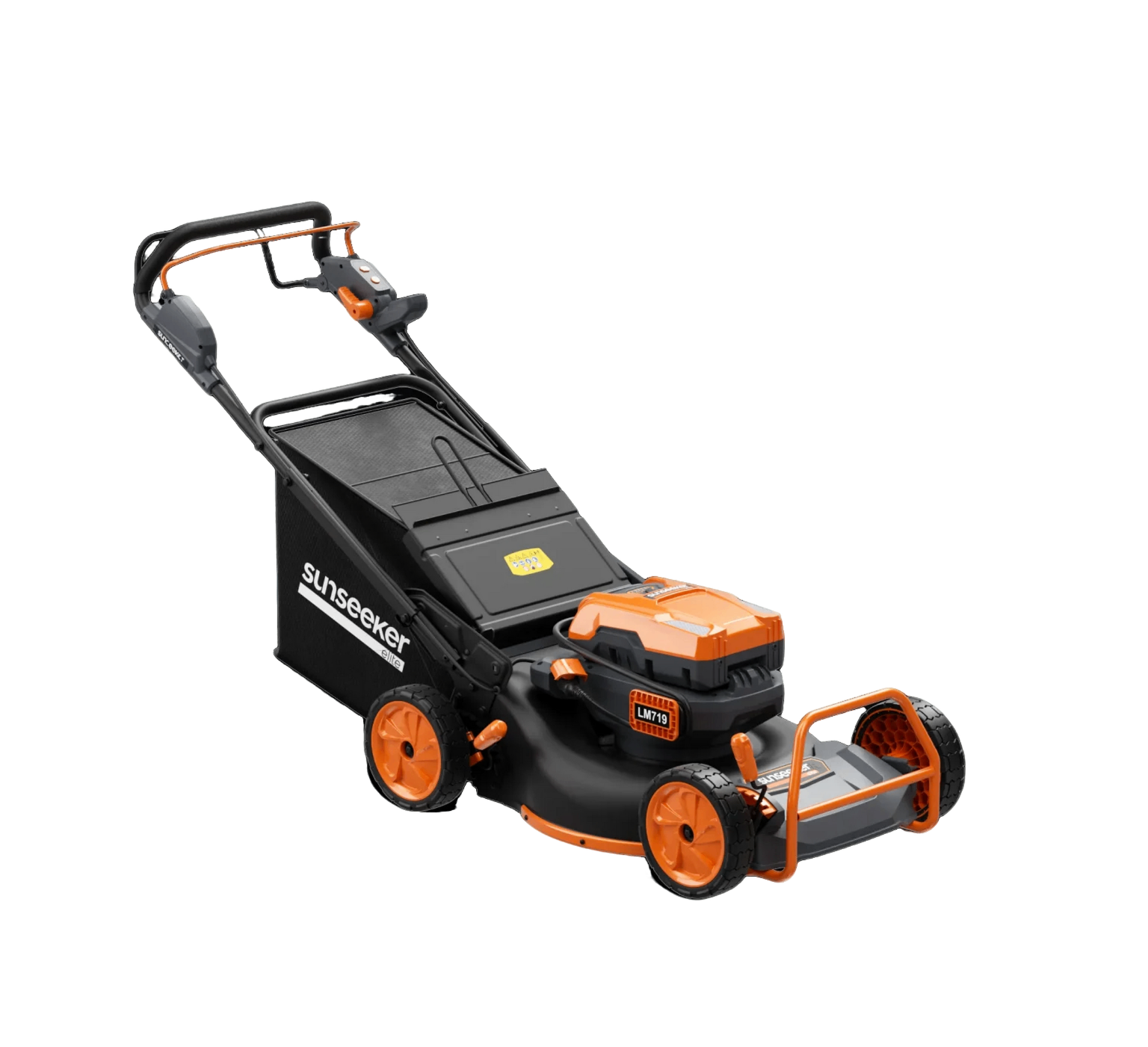
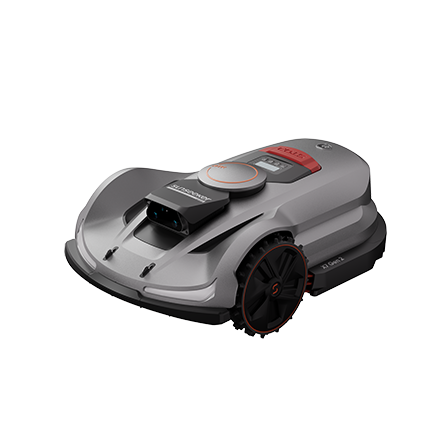
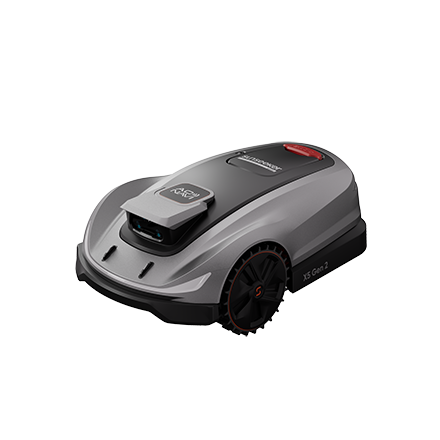
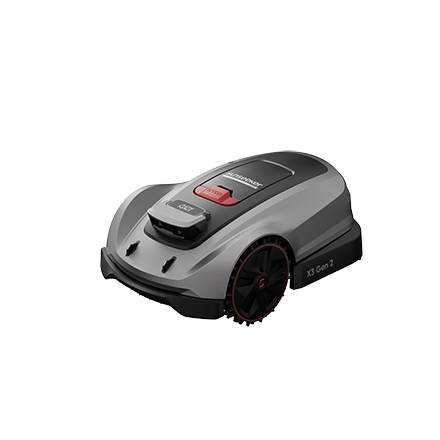
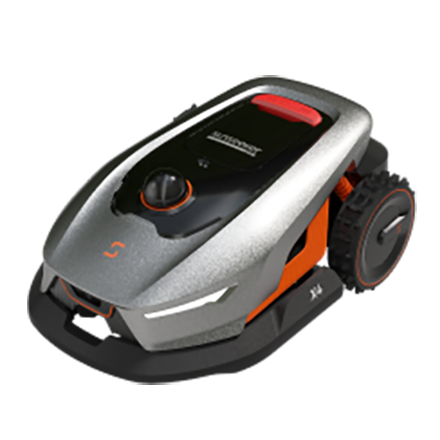
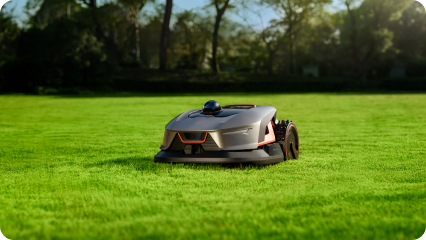
Even the best gas lawn mower comes with fuel-system and engine-maintenance concerns. If you want to avoid these gas mower problems altogether, a fully electric robotic mower can be a much easier choice. The Sunseeker Elite X4 removes many of those worries because it does not use gas or engine oil. There is no oil to spill, no head gasket to fail, and no filter to clog.
White smoke from a lawn mower is a warning sign you should not ignore. In many cases, quick action can stop the problem from getting worse. Still, gas mowers often need regular oil checks, filter changes, and engine care.
If you want to avoid smoke, oil mess, and constant troubleshooting, an electric lawn mower or robotic mower can make lawn care much easier. It gives you a cleaner, quieter way to keep your grass neat, with less work each weekend.
Yes. Overfilling creates excess pressure that forces oil into the combustion chamber, creating thick white clouds. To fix this, simply drain the excess oil until the level sits between the "Add" and "Full" marks on your dipstick.
If you just tipped the mower or spilled oil, it’s safe to let it run for 5–10 minutes to clear. However, if the smoke persists or is accompanied by loud knocking and power loss, turn it off immediately—this indicates serious internal damage.
Look for persistent white/blue smoke, oil "weeping" from the engine seams, and a fouled spark plug. If your mower has a sudden drop in power, a compression test is the best way to confirm a failed seal.