






FAQs
5/7/2026
Contents
Products
Residential Lawns









Commercial Landscapes
Explore
Where to Buy


Mowing frequency should follow grass growth, not a fixed calendar. During active growing seasons, many lawns need cutting about once a week, while fast spring growth, summer heat, rainfall, fertilizing, and grass type can all shift the schedule. The safest guide is the one-third rule, so each mow trims the lawn without stressing it.
If you've been guessing at your mowing schedule, you're not alone. How often to mow lawn depends on more than just how long the grass looks. Growth rate, season, grass type, and recent fertilizing all play a role. Getting the timing right means less effort per session and a healthier lawn over time.
This guide covers the general rule, how frequency changes by season and grass type, what signs to watch for, and practical tips for building a routine that actually sticks.

There's no single answer that works for every lawn, because mowing frequency is really just a response to how fast your grass is growing. When growth is fast, you mow more often. When it slows down, you can stretch the schedule. The goal is to keep the grass within a healthy length range, not to hit a specific number of days between cuts.
That's where the one-third rule comes in: never remove more than one-third of the grass blade in a single session. If your grass is at 7.5 cm, cutting it back to 5 cm is fine. Cutting it down to 2.5 cm in one pass stresses the turf, exposes the soil to heat and dryness, and gives weeds a chance to establish.
In practical terms, how often should you mow your lawn to stay within that range? For most lawns during active growing season, once a week is a reasonable starting point. That frequency keeps the grass at a manageable length and means each session stays short. Mowing less frequently tends to mean harder catch-up cuts and more stress on the turf each time.
Growth rate changes through the year, so your mowing schedule should too.
Not all grass grows at the same pace, and knowing your grass type helps you set a more accurate schedule.
Cool-season grasses such as Kentucky bluegrass, tall fescue, and ryegrass grow most actively in spring and fall. During those periods, mowing every five to seven days keeps them in good shape. In summer heat, growth slows and you can stretch to every ten to fourteen days.
Warm-season grasses like Bermuda, Zoysia, and St. Augustine hit their peak growth in summer and go dormant in cooler months. During their active season, Bermuda in particular can need mowing every four to five days to stay looking neat. In fall and winter, mowing frequency drops significantly or stops altogether.
If you're unsure what type of grass you have, a local garden center or a quick online search with your region and grass appearance can usually narrow it down.
Your lawn will usually show you when the schedule is off.
Signs you're mowing too often:
If any of these sound familiar, stretching your schedule by a few days and raising your cutting height slightly usually gives the turf a chance to recover.
Signs you're not mowing enough:
If you notice either pattern, adjusting your frequency by a day or two in either direction and sticking with that for a few weeks usually brings things back into balance.
Beyond season and grass type, a few other things can shift your mowing schedule.
Rainfall
More rain means faster growth. A wet week can push the lawn to need mowing two days earlier than usual. Tracking rainfall roughly helps you anticipate when the lawn needs attention rather than reacting to it looking overgrown.
Fertilizing
Feeding the lawn encourages faster growth. If you fertilize regularly, expect to mow more frequently in the weeks after each application. Should I mow more often if I fertilize? Generally yes, at least in the short term. The growth response from a nitrogen-heavy fertilizer in particular can be noticeable within a week.
Shade
Grass in shaded areas grows more slowly than grass in full sun. If part of your lawn is under trees or receives limited direct light, that section may not need mowing as often as the rest.
Mower type
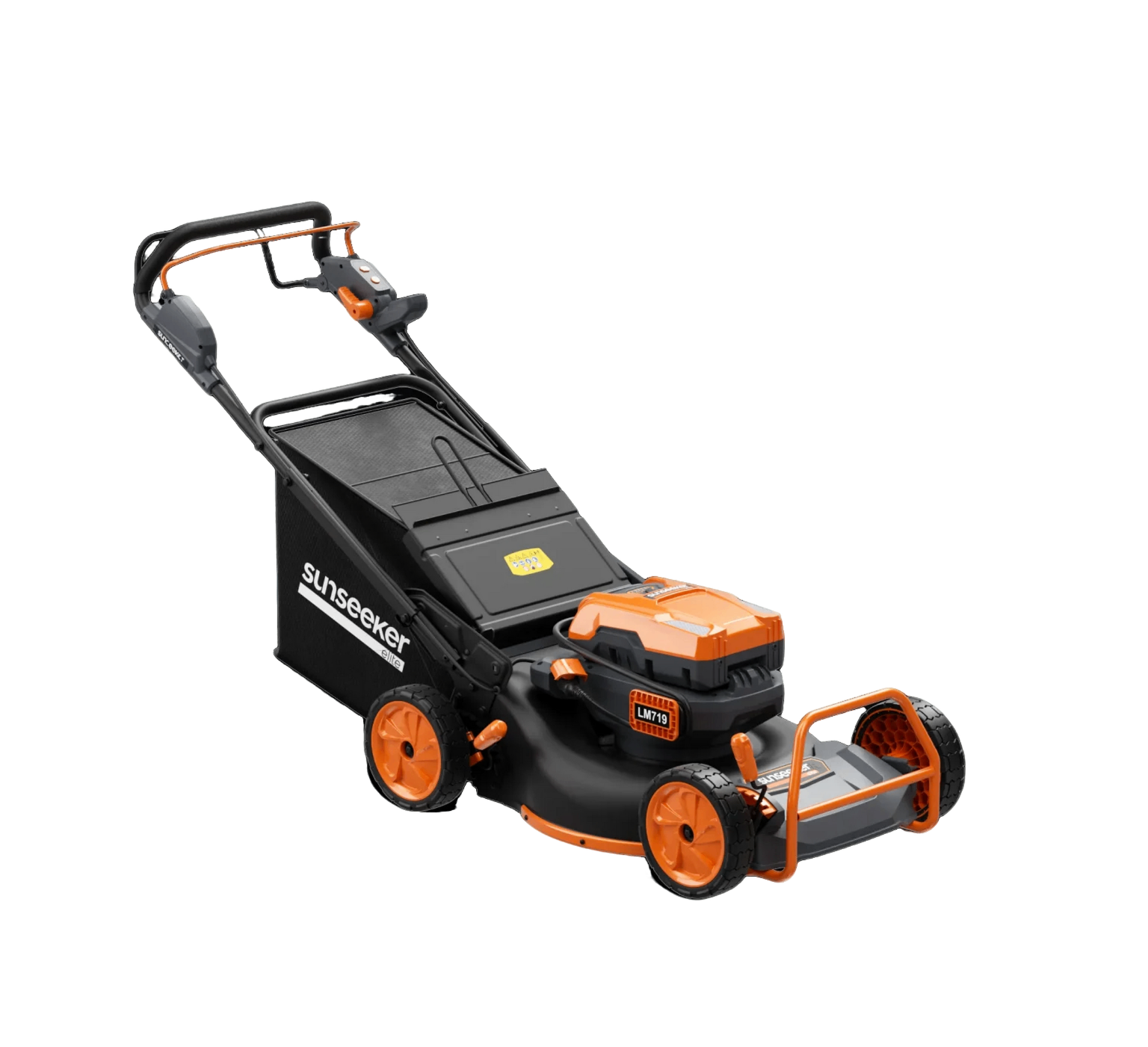
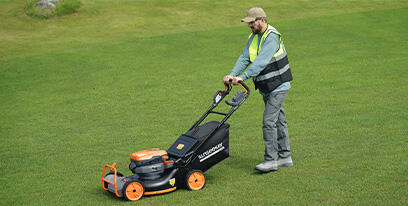
Different mowers suit different mowing frequencies. A push mower or riding mower typically works on a weekly or biweekly schedule depending on how fast your grass grows. A reel mower cuts more lightly and is often used every few days on finer lawns.
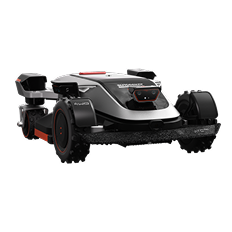
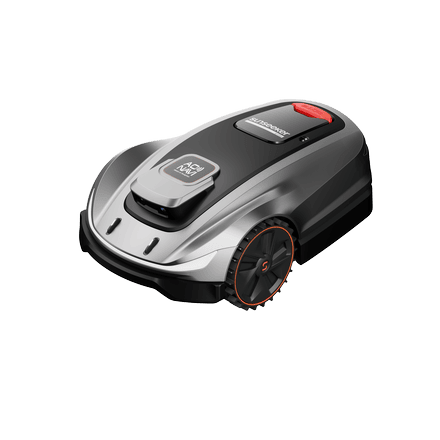
If you'd rather not keep track of a schedule at all, a robotic mower such as Sunseeker Elite X4 is worth considering. It lets you set a mowing schedule once, and it takes care of the rest automatically, mowing little and often so the lawn stays at a consistent height without you having to think about it.

A consistent schedule is easier to keep when the process itself is straightforward. Knowing how to mow a lawn efficiently and adjusting your routine to changing conditions can make regular maintenance more manageable.
1.Set a day and stick to it.Mowing on the same day each week, adjusted by a day when the weather calls for it, is easier to maintain than mowing reactively when the lawn looks long. It also means your sessions stay shorter since you're never letting growth get ahead of you. For larger lawns where finding a consistent window is harder, the Sunseeker Elite X5 handles the scheduling automatically, so the lawn stays on track even when your week doesn't.
2.What is the best time to mow lawn? Aim for mid-morning after the dew has dried, or mow in the late afternoon. Avoid the midday heat, as freshly cut grass can lose moisture quickly. Cooler, drier conditions also help the lawn recover after mowing.
3.Raise your cutting height in summer.How often mow lawn adjustments in summer should go hand in hand with height adjustments. Taller grass in heat handles stress better, which means it stays healthier between sessions even if the frequency drops.
4.Keep your blade sharp.A dull blade tears rather than cuts, leaving ragged tips that brown quickly. A sharp blade produces a cleaner cut that the lawn recovers from faster, which matters more when you're mowing frequently.
5.Don't skip mowing before a holiday.If you know you're going to miss a week, mowing just before you leave is worth doing. Coming back to an overgrown lawn and having to do a catch-up cut in one go is harder on both you and the grass.
How often should I mow my lawn? For most lawns in active growing season, once a week is a good starting point. From there, adjusting based on season, grass type, rainfall, and fertilizing gets you to a schedule that actually fits your lawn rather than a generic rule. The goal is to stay within the one-third guideline consistently, which keeps the turf healthy and each session manageable.
During peak growing season in summer, warm-season grasses like Bermuda may need mowing every four to five days to stay looking neat. Zoysia and St. Augustine grow a little more slowly and are usually fine with a weekly schedule. In cooler months when these grasses go dormant, mowing frequency can drop to once every few weeks or stop altogether until growth resumes.
The one-third rule means you should never remove more than one-third of the grass blade height in a single mow. Cutting more than that in one session stresses the turf, weakens the root system, and makes the lawn more vulnerable to weeds and drought. If the grass has gotten long, it's better to mow twice at a higher setting a few days apart than to cut back to the target height all at once.
Weekly mowing is generally better during active growing seasons, since it keeps the grass within the one-third rule and means each session is quicker. Biweekly mowing can work in slower growth periods, like midsummer heat or early fall, but during spring growth flushes, waiting two weeks often means removing too much in one cut. How often should I mow my lawn really depends on growth rate at that moment, not a fixed interval.
Yes, at least temporarily. Fertilizing, especially with a nitrogen-based product, accelerates grass growth noticeably in the week or two following application. During that period, you may need to mow a day or two earlier than usual to stay within the one-third guideline. Once the growth response levels off, you can return to your regular schedule.