









FAQs
5/7/2026
Contents
Products
Residential Lawns





Commercial Landscapes
Explore
Where to Buy


A clean lawn mower cuts better, clogs less, and is less likely to rust over time. Grass and dirt should be brushed or scraped away after mowing, especially under the deck and around the blade. Water can help in some cases, but engines, batteries, sensors, and electrical parts need to stay protected.
Grass, dirt, and moisture build up on a mower after each use. Over time, this layer can block airflow under the deck, dull the blade’s cut, and lead to rust. A clean machine cuts grass better and lasts longer. It also helps prevent clogs in the deck and discharge chute. Many people think the process is hard, but in most cases, it takes only a few simple tools and a few minutes of work.
In this article, we will share how to clean lawn mower, remove packed grass from the deck, and clean mower parts without damage. We will also explain how to clean robotic mower models as well.
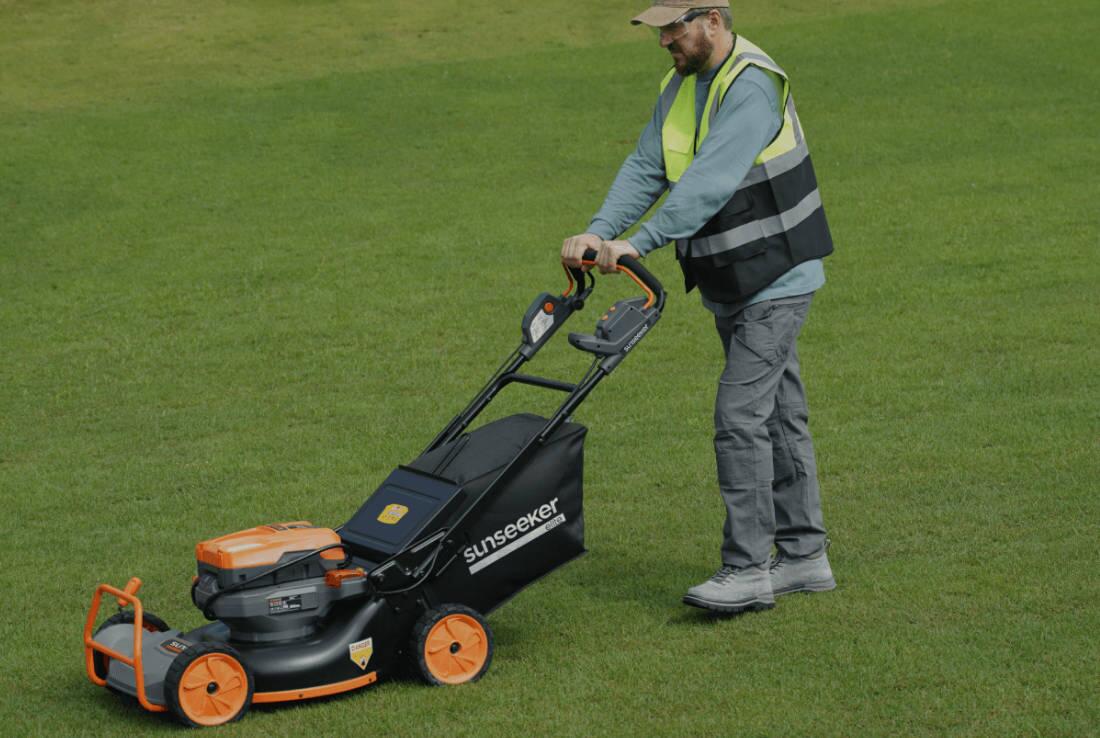
Yes, you can wash a lawn mower, but you need to do it with care. A light rinse can remove grass, dirt, and mud that stick under the deck and around the blade. Still, avoid spraying water on the engine, air filter, or electrical parts. When you know how to wash a lawn mower the right way, you can remove buildup without risking damage to the machine.
Cleaning keeps the mower working well. Grass clippings and soil collect under the deck during each mow. This layer blocks airflow and leads to uneven cuts or clumps on the lawn. Moist grass can also trap water and cause rust over time. When you clean lawn mower parts often, the blade cuts better, and the machine lasts longer.
Keeping your mower clean does not take much time, but it makes a clear difference in how the machine performs. When you clean lawn mower parts soon after mowing, the debris is still soft and easy to remove. The process is simple. With a few basic tools and a careful approach, you can clean mower parts without damaging the engine or blade area. The steps below show a safe way to clean a lawn mower and keep it ready for the next cut.
You do not need special equipment for this task. Most items are common tools used for garden maintenance.
Before you start, make sure the mower cannot turn on by accident. Unplug electric models, remove the battery from cordless units, or disconnect the spark plug on gas mowers. This step protects your hands while you work near the blade.
Take out the grass catcher or collection box and shake out any clippings. If it is dusty or sticky, rinse it with water and let it dry fully. A clean bag improves airflow during mowing.
Use a brush to clear dry clippings from the mower deck, wheels, and discharge chute. This first pass removes most debris and makes the rest of the cleaning easier.
Turn the mower carefully on its side if the manual allows it. If you are learning how to clean lawn mower deck surfaces safely, use a wooden or silicone scraper to remove packed grass from the underside. Avoid metal tools because they can scratch protective coatings.
Use a damp cloth with mild detergent to wipe the top cover, handle area, and wheels. This step removes dust, pollen, and dirt that build up during mowing.
If the mower has a wash port, connect a hose and run water at low pressure to flush out remaining debris. If not, use a gentle rinse and keep water away from the engine, air filter, and electrical parts. When learning how to clean lawn mower air filter components, follow the manufacturer’s instructions and use a dry brush or compressed air when appropriate rather than rinsing them with water.
Look for grass wrapped around the blade or spindle. Remove any debris and make sure the blade area is clear. A clean blade cuts grass more evenly.
Allow the mower to dry before storing it. Keeping the machine dry helps prevent rust and keeps the mower in good condition for the next use.
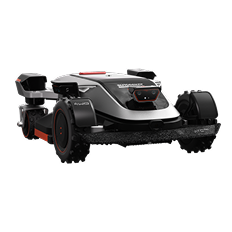
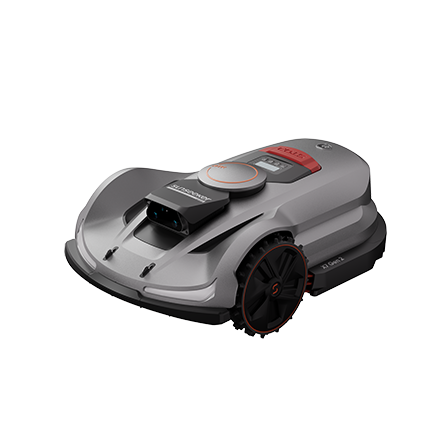
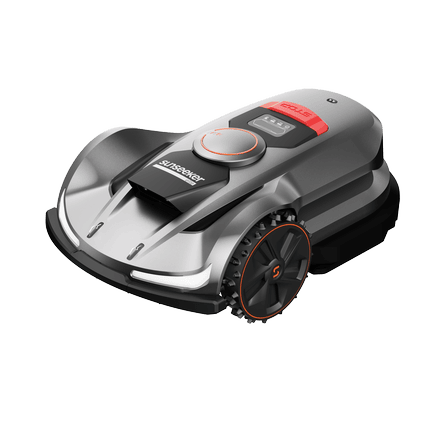
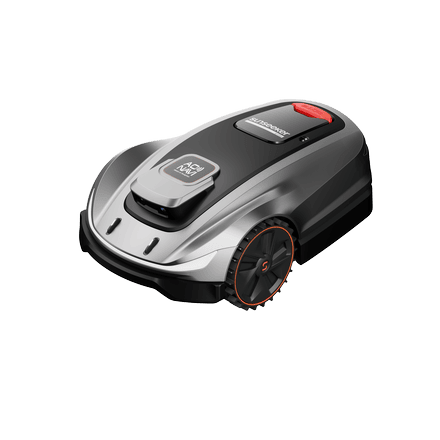
Robotic mowers like Sunseeker Elite X7 with built-in Vision AI system make mowing easier, but they still need cleaning to work well. Dirt, grass, and dust can build up on the blades, wheels, and sensors. Regular cleaning keeps the mower moving smoothly and ensures it cuts the lawn evenly.
Power down the mower and remove the battery. This prevents accidental starts and protects sensitive electronics while you clean robotic mower components.
Use a soft brush or cloth to remove grass, dust, and debris. Avoid spraying water directly on the sensors or other electronics.
Wipe the deck and blades with a damp cloth or mild soap solution. A hand vacuum can help lift stubborn dirt without touching delicate parts.
Wipe sensors with a dry microfiber cloth to keep navigation accurate. Clean wheels with a soft brush so the mower rolls freely.
Note: Most robotic mowers are not fully waterproof. Never use a hose or pressure washer, as water can damage internal electronics.

Different types of lawnmowers need slightly different care, but following a few key habits will keep your lawn mower working well and lasting longer.
We hope now you know how to clean lawn mower correctly to ensure better performance and a longer lifespan. Cleaning after each use prevents clogs, rust, and uneven cuts. Regular maintenance, from scraping and brushing to checking blades and moving parts, keeps the mower safe and efficient. If you want to take things a step further and make lawn care even easier, it’s worth switching to more efficient smart mowing solutions like the Sunseeker Elite X7. With advanced navigation, AI obstacle detection, and consistent cutting performance, it reduces manual effort and handles most of the work for you.
Hosing down a mower is safe only for certain areas. Avoid the engine, battery, and electrical parts. Use low-pressure water to remove dirt and grass clippings. Focus on the deck, wheels, and handles, and dry the mower afterward. For gas or electric mowers, a gentle brush and a damp cloth are often better than a direct spray. Proper care prevents water damage and maintains performance.
The best approach combines brushing, scraping, and wiping. Remove loose grass and dirt first, then use a scraper for stuck debris under the deck. Wipe the body and handles with a damp cloth and mild detergent. If your mower allows, a low-pressure rinse can remove remaining clippings. Regular cleaning after every use and occasional deep cleaning keep the mower running smoothly and protect both blades and the engine.
Tilt the mower safely or use a washout port if available. Scrape off packed grass and dirt with a wooden or silicone tool. Wipe the deck with a damp cloth, avoiding the engine, battery, or other sensitive components. Regular cleaning prevents clogs, rust, and uneven cutting. Maintaining the underside ensures airflow for proper blade rotation and a consistently neat lawn.
Quick cleaning should follow every mowing session to remove fresh grass clippings and debris. A deeper cleaning, including scraping the deck, wiping down the exterior, and checking the blades, should be done every few weeks or at the start and end of the mowing season. Robotic mowers benefit from more frequent cleaning of sensors and wheels.