







FAQs
4/29/2026
Contents
Products
Residential Lawns












Commercial Landscapes
Explore
Where to Buy


Fresh sod is usually ready for its first mow after the roots have started gripping the soil and the grass reaches about 8 to 10 cm. A gentle tug test gives a better answer than the calendar alone. For the first cut, dry conditions, sharp blades, and a higher mowing height help the sod stay firmly in place.
Getting sod installed is a big investment, and the first mow can make or break the result. Mow too early and you risk pulling up roots that haven't anchored yet. Wait too long and the grass grows unruly, making the first cut stressful for the lawn. The good news is there are clear signals that tell you when your sod is ready, and a straightforward process for doing it right. This guide covers when to mow new sod, how to read the signs that it's ready, the right way to do the first cut, and how to care for the lawn afterward.

When to mow new sod is one of the most common questions after installation, and the short answer is: not as soon as you might think. Most newly laid sod needs at least two weeks before the first mow, but the actual timeline depends on several factors.
As a general rule, wait until the grass reaches 8 to 10 cm in height before the first cut, regardless of how many days have passed since installation.
Watching the calendar is a starting point, but the grass itself gives the most reliable signal. Before you bring out the mower, run through two quick checks.
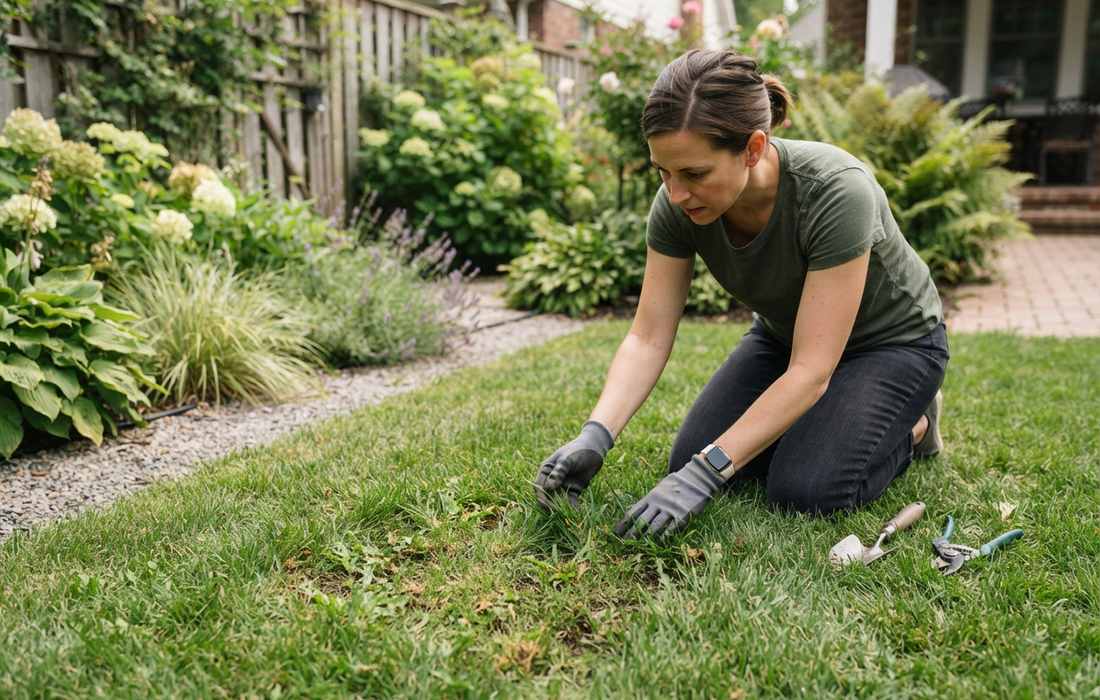
Grab a corner of one sod piece and gently pull upward. If it lifts with little resistance, the roots haven't anchored yet and mowing should wait. If you feel firm resistance when pulling, the roots have pushed into the soil and the sod is ready. It's worth repeating this in a few different spots across the lawn, since rooting can be uneven depending on soil conditions and sun exposure.
Mowing new sod for the first time before it reaches the recommended height risks scalping sections that haven't grown evenly. Aim for these benchmarks before cutting:
Removing more than one-third at once stresses the turf during the rooting phase and can set back establishment by days or even weeks.
Once the sod passes both checks, the first mow needs a bit of preparation to go smoothly. If you are learning how to put sod lawn in place correctly, remember that proper installation and firm root anchoring must come before the first cut.
Two things to confirm before you start:
Mower weight and cutting width both affect how the first mow goes. A heavy riding mower puts more pressure on soft soil that's still settling, which can disrupt root contact with the ground beneath.
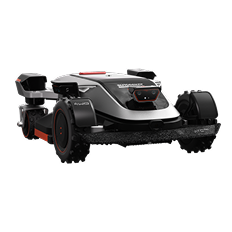
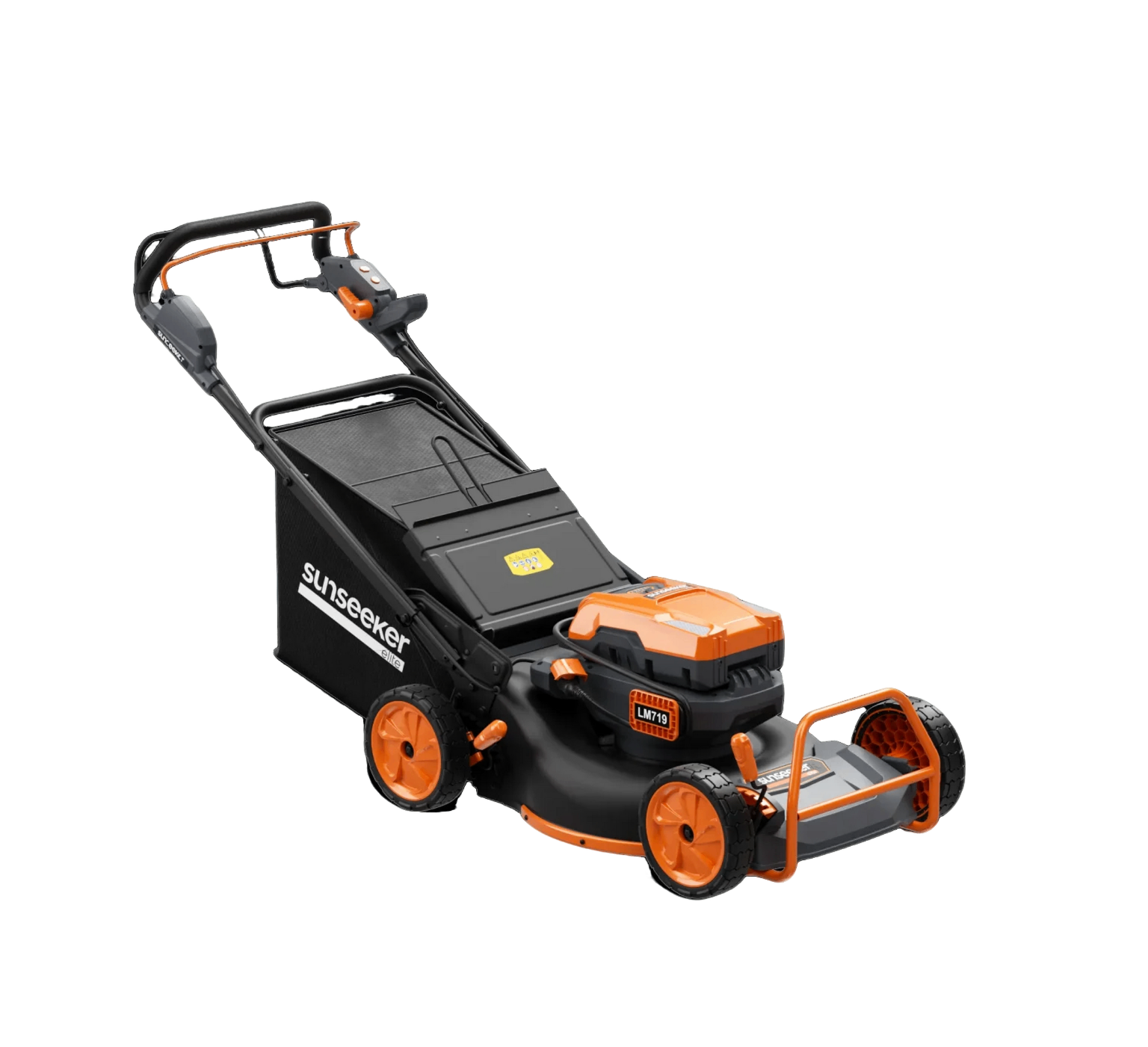
For most residential lawns, a lighter walk-behind mower is the safer choice for the first cut or two. Some mowers are built to handle new turf without excessive ground pressure. The Sunseeker Elite X4 is a compact option that balances maneuverability with efficient coverage, making it a practical fit for residential new-sod situations.
The first mow is a milestone, but the lawn isn't fully established yet. The weeks that follow determine whether it fills in evenly.
During the first two weeks, new sod typically needs daily watering to keep the root zone moist. After the first mow, transition to deeper, less frequent sessions:
Deeper watering encourages roots to grow downward in search of moisture, which builds a stronger foundation over time.
Right after the first mow, your lawn is still settling in. The roots are not fully established yet, so extra pressure or nutrients at the wrong time can do more harm than good.
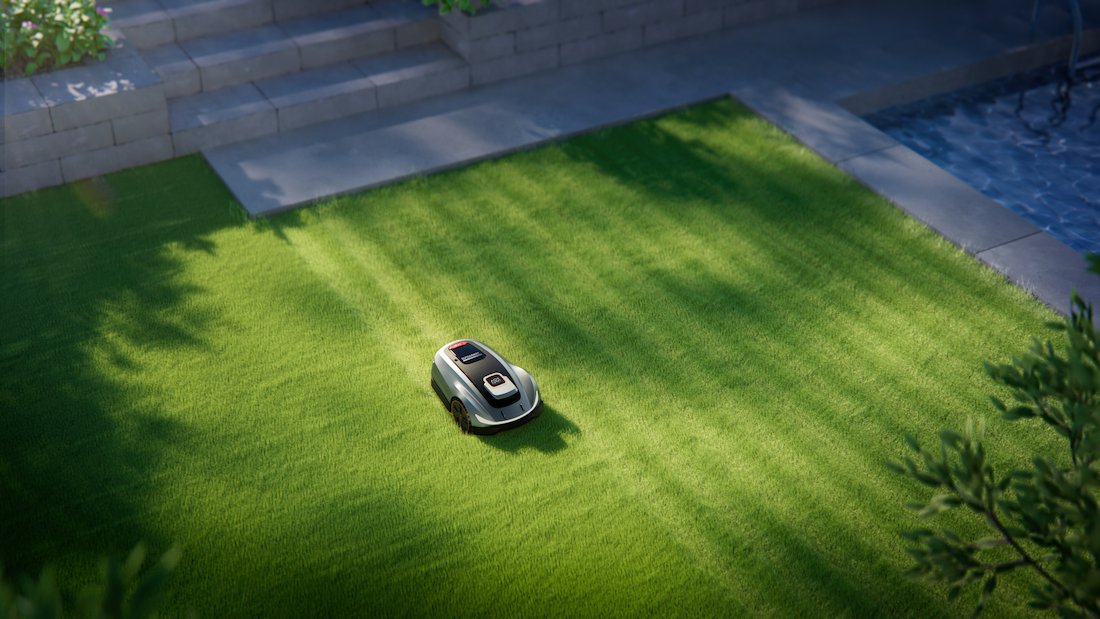
Mowing frequency can settle into a regular schedule once the lawn is fully established, typically six to eight weeks after installation. At that point, a wider cutting deck saves time on larger properties. The Sunseeker Elite X5 offers adjustable height settings and a broader path, which works well for maintaining an established lawn efficiently week to week.
Timing the first mow correctly gives new sod the best possible start. Waiting until the grass reaches 8 to 10 cm, confirming root anchoring with the tug test, using a sharp mower at the right height, and following up with adjusted watering and minimal traffic are steps that compound into a healthy, even lawn. Read the signals, set up the equipment properly, and the first mow doesn't have to be a guessing game.
In most cases, waiting at least two weeks after installation before the first mow is the standard recommendation. The exact timing depends on grass type, climate, and how quickly the sod roots into the soil. A reliable way to confirm readiness is the tug test: if the sod resists when pulled at the corner, the roots have anchored and mowing is safe to begin.
How long does it take sod to fully root varies by grass type and season, but most turf grasses develop a working root system within three to six weeks of installation. Full, deep rooting that makes the lawn truly drought-tolerant and traffic-resistant can take several months. Warm-season grasses in active growing conditions tend to root faster than cool-season varieties.
Mowing before the roots have anchored pulls the sod away from the soil, disrupting the root-to-ground contact essential for establishment. Even if the sod doesn't visibly lift, early mowing creates stress that slows growth and can lead to thin or patchy areas. In some cases, sections of sod may die back entirely if the roots are disturbed before they've had a chance to settle.