








FAQs
4/29/2026
Contents
Products
Residential Lawns


Commercial Landscapes
Explore
Where to Buy


Electric and gas lawn mowers suit different kinds of yards. Gas models are better for large areas, thick grass, and long mowing sessions. Electric models are quieter, easier to start, and need less upkeep. For many home lawns, the better choice depends on yard size, grass condition, noise limits, and how much maintenance you want to deal with.
When it comes to lawn mowers, the debate around electric lawn mowers versus gas is still active. It is widely accepted that gas models focus on raw power and long runtime, and electric ones on ease and low maintenance. Are there further differences? This guide breaks down how each type works, where it fits, and what trade-offs to expect. Read to make an easier decision to match the mower to your actual needs, not assumptions!

As the name suggests, an electric lawn mower has a motor and runs on electricity. These machines have evolved from niche tools into high-performance equipment capable of handling diverse terrain. There are 3 main types.
These units connect directly to a power outlet via an extension cord. They offer unlimited runtime and are usually the most affordable option. However, they are restricted by the cord length. This makes them a great fit for small, unobstructed yards.
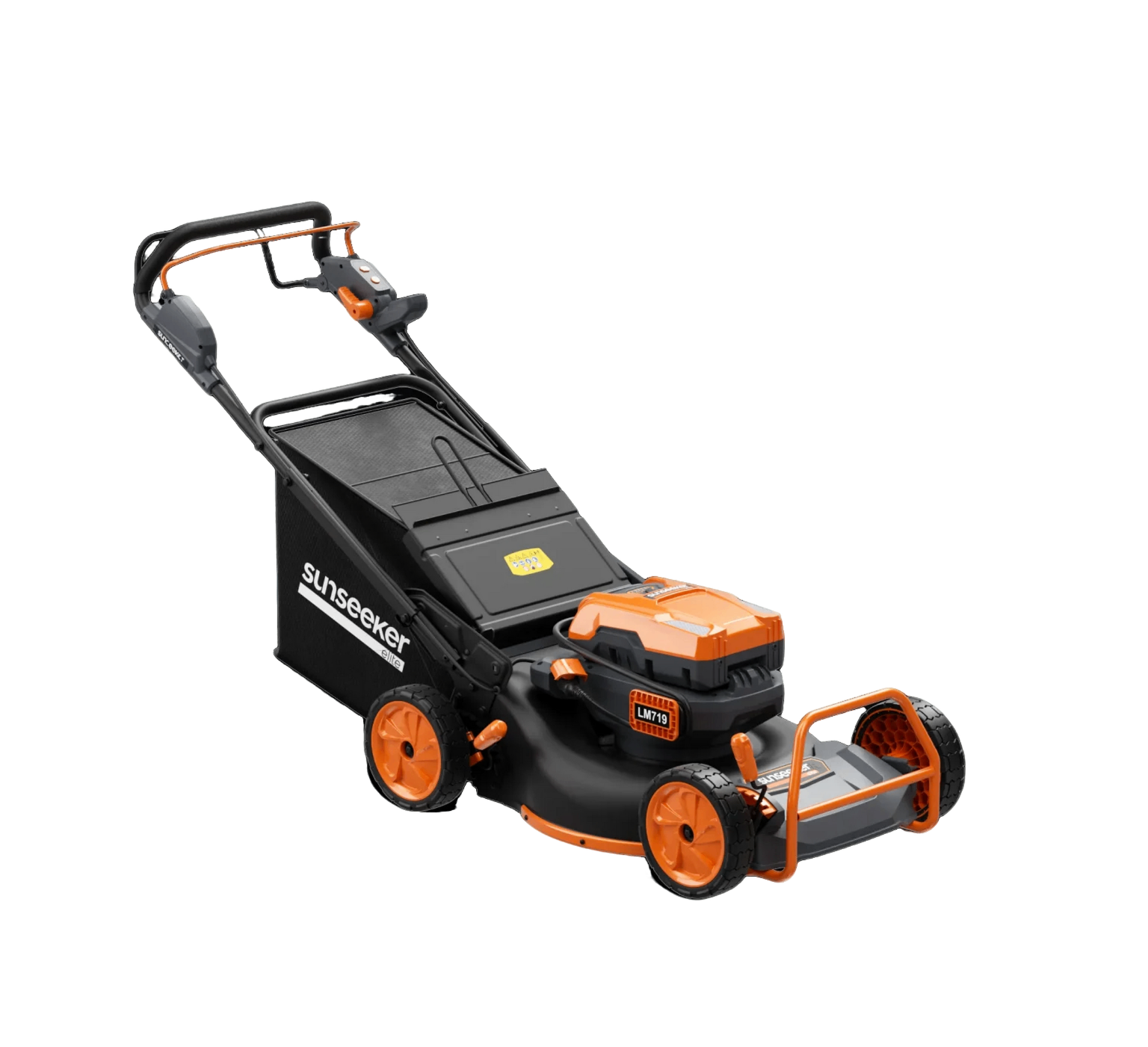
These lawn mowers are the most common electric models. They start instantly with a button and make less noise during operation. For this type, the runtime is mainly determined by battery capacity. Thanks to the evolving lithium-ion technology, most modern systems can now manage mid-to-large suburban lots on a single charge.
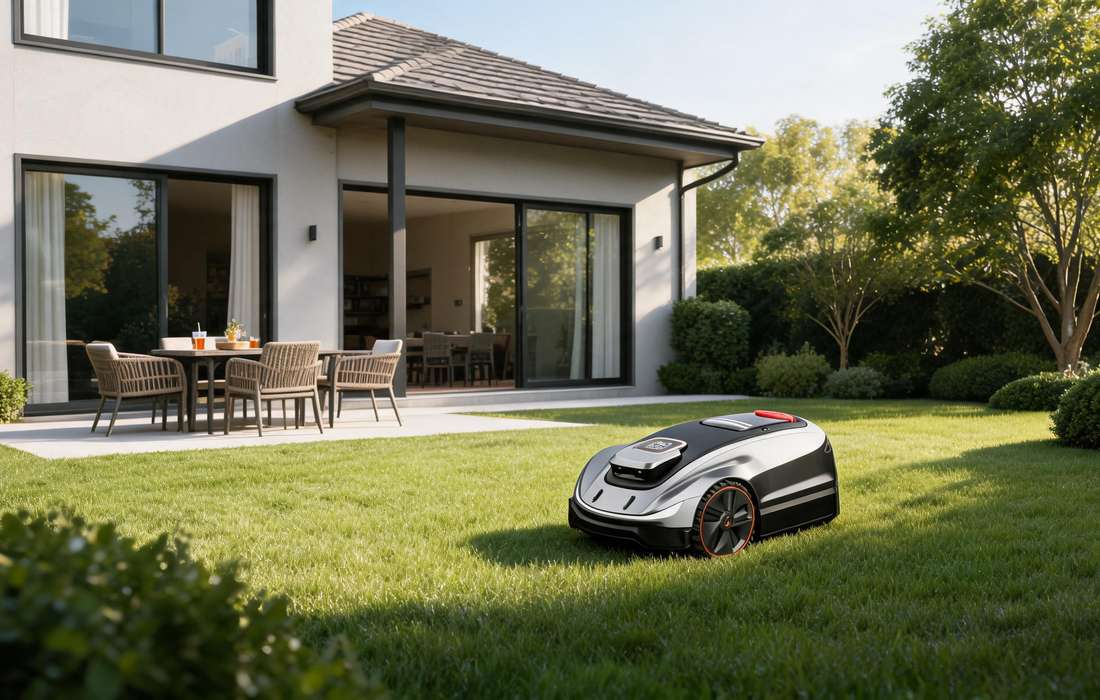
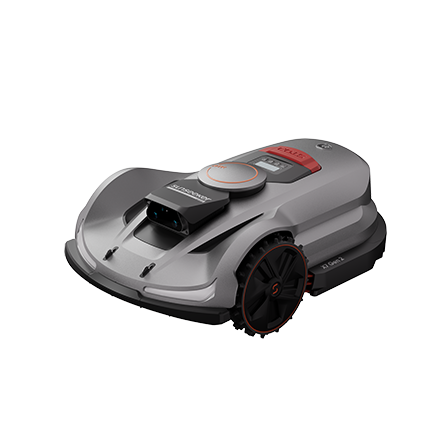
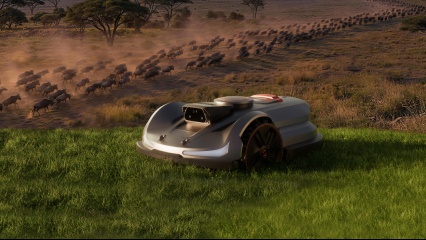
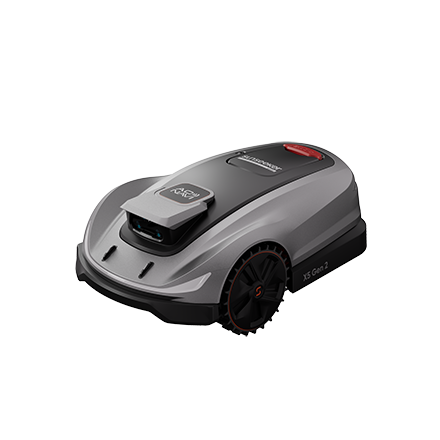
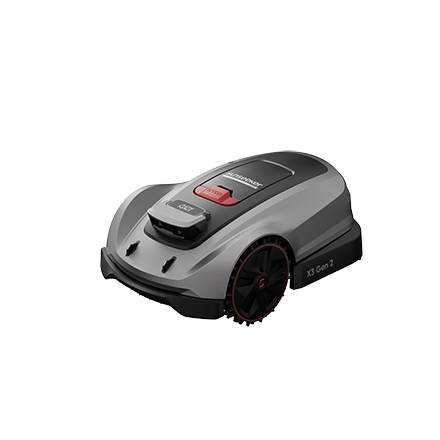
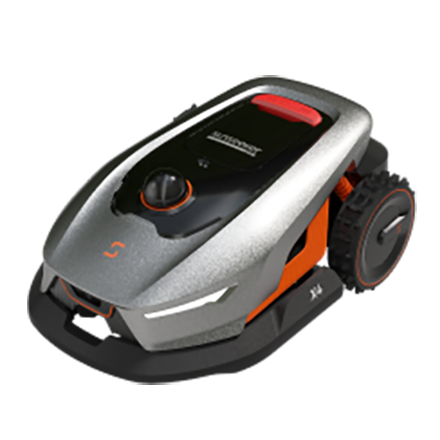
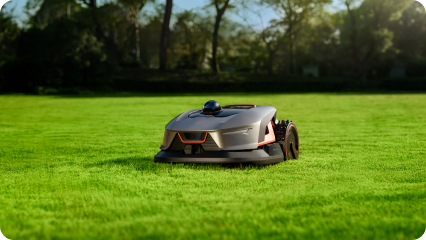
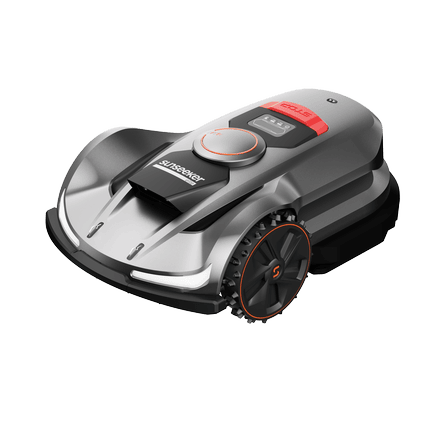
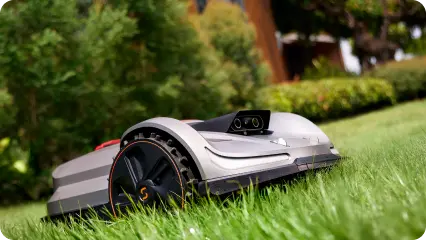
Robotic lawn mowers also belong to battery-powered mowers. These systems reside on your lawn and cut grass automatically on a set schedule. They represent the peak of autonomous lawn maintenance and require minimal manual input. Generally, robotic lawn mowers are more suitable for consistent maintenance.
Gas lawn mowers have been the industry standard for decades. These models utilize an internal combustion engine. You need to fuel a gas lawn mower to make it ready to work. Gas mowers come in push and riding types.
A push gas mower is a walk-behind machine powered by an internal combustion engine. It requires the operator to provide the physical force to move it forward. These are typically more affordable, lighter, and easier to maneuver in tight spaces. They are a great fit for small, flat yards under 1000 m².
A riding gas mower is a large vehicle-style machine where the operator sits on a seat to steer. Powered by a potent gas engine, it uses a wide cutting deck to clear grass quickly. These are designed for efficiency, especially on large properties or hilly terrain.
The differences between electric vs gas lawn mowers lie in several aspects. Below are breakdowns of each.
This is the primary difference. Gas mowers rely on gas engines. They provide strong and steady power output for thick, wet, or overgrown grass. Electric mowers utilize motor output and battery voltage.
Gas mowers run as long as fuel is available. Battery mowers depend on charge cycles. So far, their typical runtime ranges from 30 to 90 minutes. You can have extra batteries for extended use, but it adds to the initial cost.
Electric models are quieter. Gas mowers typically exceed 90 dB. It is often disturbing and requires ear protection. Electric mowers operate at roughly 65-75 dB. This is similar to the volume of a normal conversation.
Gas mowers have complex mechanical components. They require regular service, including oil, filters, and fuel system care. As there is no fuel system for electric mowers, they require less maintenance. The blading and battery care are the main focus.
As for basic models, the upfront cost of a gas mower wins in an electric vs gas push mower debate. However, an electric model outperforms in the long term because of the lower cost of maintenance and electricity.
After knowing the differences, the decision between a gas or electric lawn mower becomes clearer when tied to real use cases.
Choose a Gas Mower if:
Choose an Electric Mower if:
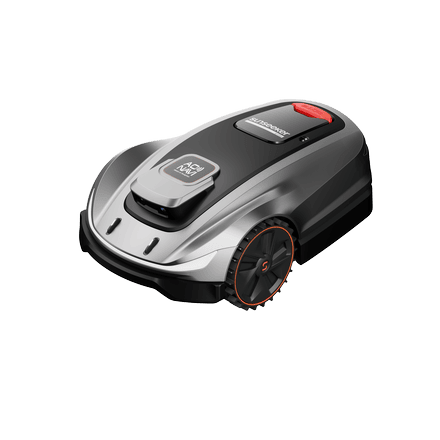
As certain high-voltage lawn mowers can now match the mowing performance of gas-powered models, electric models are gaining increasing favor for residential use. For homeowners seeking the best electric lawn mower with a hands-off approach, a robotic unit like the Sunseeker Elite X7 Plus Gen 2 represents a significant shift.
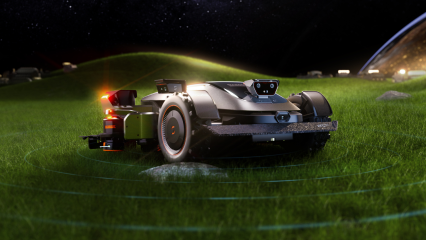
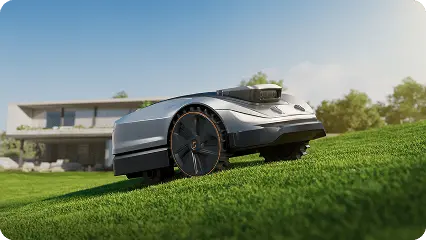
While electric mowers are commonly regarded as suitable only for flat lawns, the X Gen 2 breaks this limitation. Its independent AWD (All-Wheel Drive) system provides the traction necessary to navigate complex landscapes and can incline up to 35 degrees. The AI-driven chips are also upgraded. Its doubled 10 TOPS processing power enables smarter movements and obstacle avoidance throughout the day and night. Once configured, your lawn stays managed with minimal human intervention.
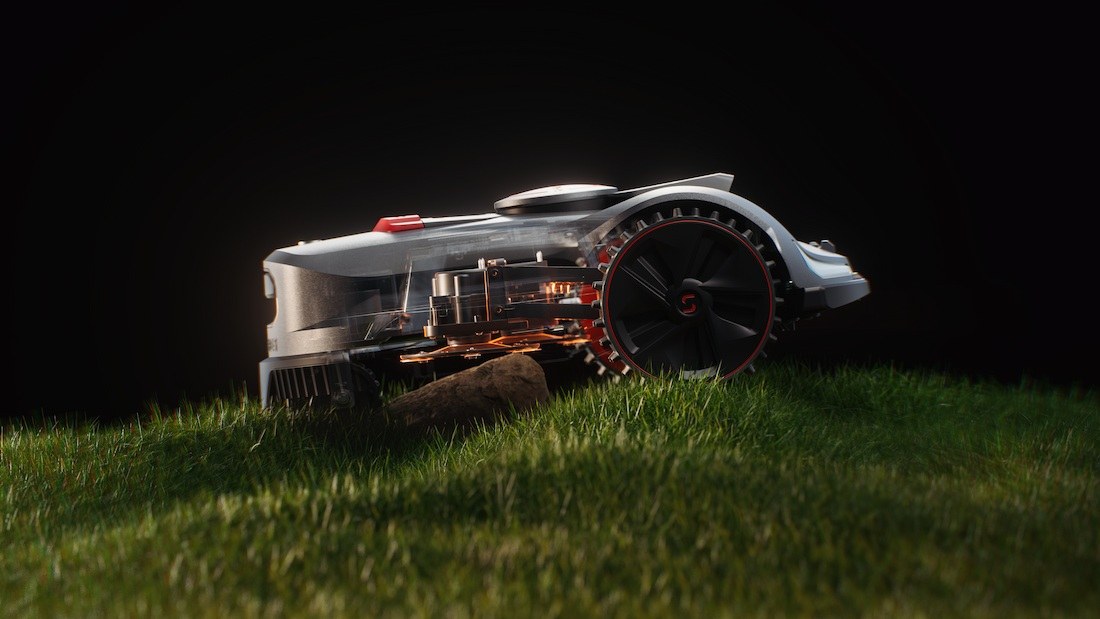
The decision on an electric lawn mower versus a gas mower rests on balancing power with convenience. A better choice should be made depending on how the mower is used, not just specifications. If you prefer a hands-free solution, robotic lawn mowers like the Sunseeker Elite X7 Plus Gen 2 are worth trying. These modern systems apply edge-cutting technology. They offer nearly the same professional results as gas without the associated noise, emissions, or mechanical headaches.
It depends on workload and environment. Gas mowers handle larger or denser areas with stable power and longer runtime. Electric mowers have low noise and simple upkeep. They are suitable for smaller lawns and regular maintenance. Each type performs better within its intended use case.
While most modern electric mowers are water-resistant, cutting wet grass is not recommended for any mower type. Electric models may lose efficiency because wet grass sticks to blades and deck surfaces. This affects airflow and cutting quality. Safety also becomes a concern due to moisture near electrical components. For the best cut quality and battery efficiency, wait for the lawn to dry.
Most lithium-ion batteries last around 3 to 5 years, or roughly 500 to 800 charge cycles under normal use. Lifespan also depends on charge cycles, storage conditions, and usage patterns. To maximize lifespan, store the battery in a cool, dry place and avoid leaving it at 0% charge for extended periods during the off-season.