








FAQs
4/29/2026
Contents
Products
Residential Lawns




Commercial Landscapes
Explore
Where to Buy


A lawn mower blade usually needs to come off when it is dull, bent, clogged, or ready for replacement. Safety should come first, so the mower needs to be fully powered down before any work starts. Once the blade is secured, the center bolt can be loosened with the right wrench, and stubborn bolts may need oil or extra leverage.
Maybe your lawn mower blade is dull and needs sharpening, or it’s gotten a little bent after hitting something hard. Perhaps it's just clogged with grass, and it’s time for a good cleaning. Whatever the reason, you need to take off the blade to get things back in shape. So, how do I remove a lawn mower blade safely and correctly? This guide will show you exactly what tools you need, how to prepare your mower, and step-by-step instructions for removing the blade from different types of mowers—walk-behind, riding, and robotics. Just read on.
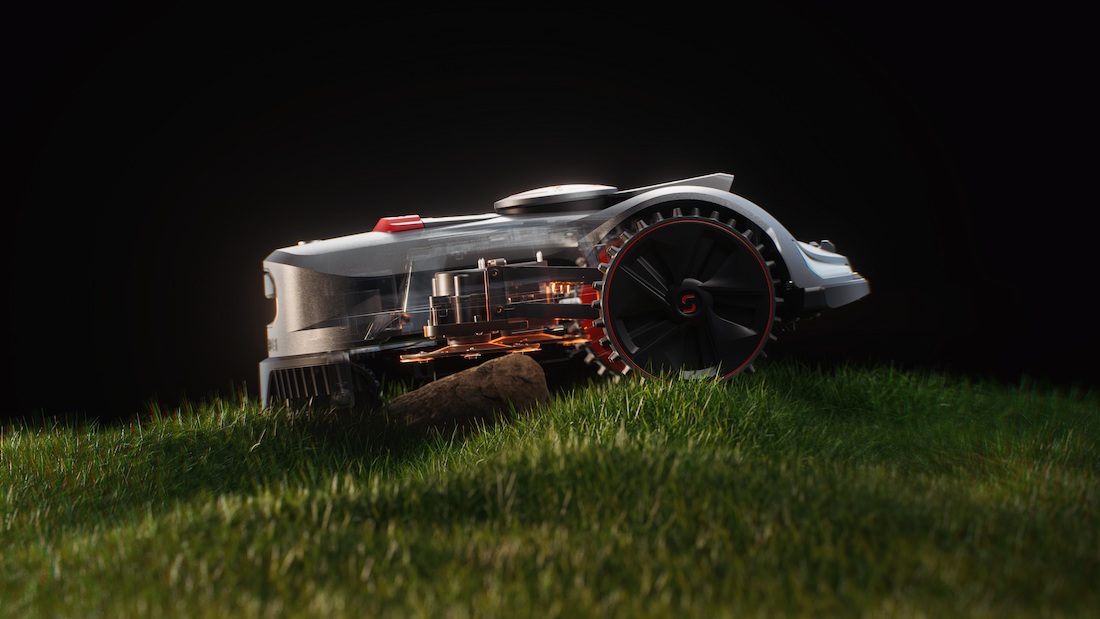
Before you begin the lawn mower blade removal process, having everything ready ensures a smooth, injury-free process and prevents damage to your equipment. Here are the tools you'll need to successfully remove the blade from a lawn mower:
Safety is the most important step when you take the blade off of a lawn mower. Proper preparation is key to preventing accidents and avoiding damage to your mower. Follow these steps to ensure you are working in a safe environment:
Removing the blade from a lawn mower varies slightly by mower type, but the core principles remain the same. Here are the steps for Walk-behind, riding, and robotics. Meanwhile, always refer to your owner's manual for variations to ensure the process goes smoothly.
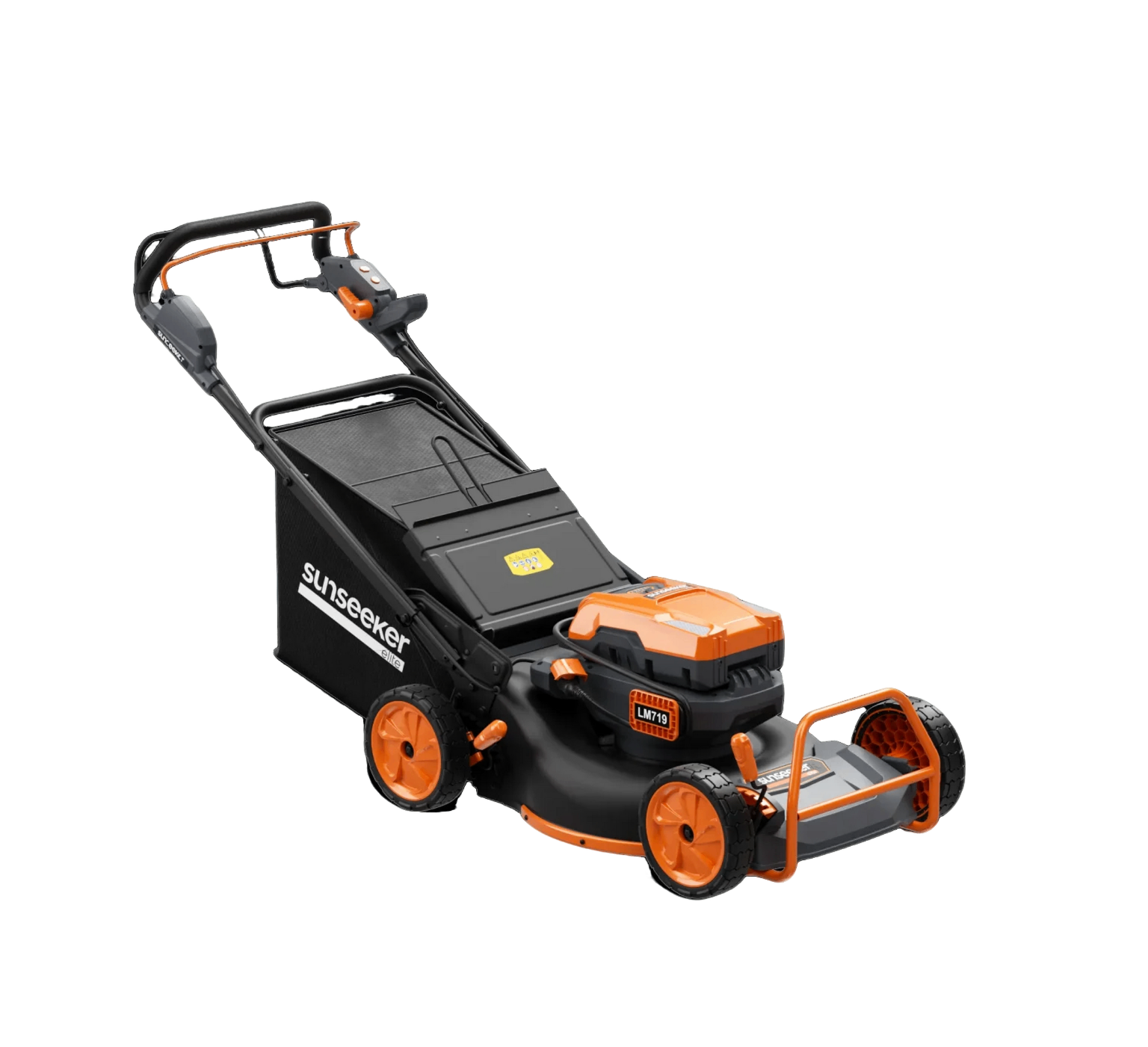
Standard walk-behind mowers are the most common DIY project. Follow these steps to unscrew lawn mower blades.
Step 1. Tilt the Mower
Always tilt the mower with the air filter and carburetor side facing up. If the carburetor faces down, oil can drain into it, which might damage the filter.
Step 2. Secure the Blade
Wedge a 2x4 wooden block between the blade and the inside of the mower deck. This will stop the blade from rotating while you apply pressure.
Step 3. Loosen the Bolt
Use your socket wrench to turn the bolt counter-clockwise (this is the most common direction). If the bolt is stuck, use a breaker bar to add extra torque.
Step 4. Keep Track of Parts
Remove the bolt, washer(s), and blade carefully. Make sure to note the order of the washers and the orientation of the blade(the "wings" usually point toward the mower deck). If a replacement is needed, the best push mower blade is one that matches your mower’s model, blade length, center-hole pattern, and cutting requirements.
Riding mowers often have heavier blades and decks, so extra caution is needed when you remove mower blades. Here’s how.
Step 1. Lower the Deck
Park the mower on a flat, level surface, engage the parking brake, and lower the deck to its lowest position. This will give you better access to the blade and keep the deck secure while you work.
Step 2. Access the Underside
Safely raise the front or rear of the mower using ramps, a mower lift, or a floor jack so you can comfortably reach underneath the deck (never work under an unsupported mower). This gives you enough room without removing the deck.
Step 3. Secure the Blade
Wedge a sturdy block of wood (or use a blade holder tool) between the blade and the mower deck to prevent the blade from spinning while you work.
Step 4. Unscrew and Remove
Fit a socket wrench (commonly 15/16" or check your manual) onto the central blade bolt. Turn it counterclockwise (lefty-loosey) to loosen. If the bolt is tight, use a long-handled wrench or breaker bar to remove the blade on lawn mower spindles. Then remove the bolt, washer(s), and carefully slide out the blade. Take a photo or mark the blade’s orientation for correct reinstallation later.
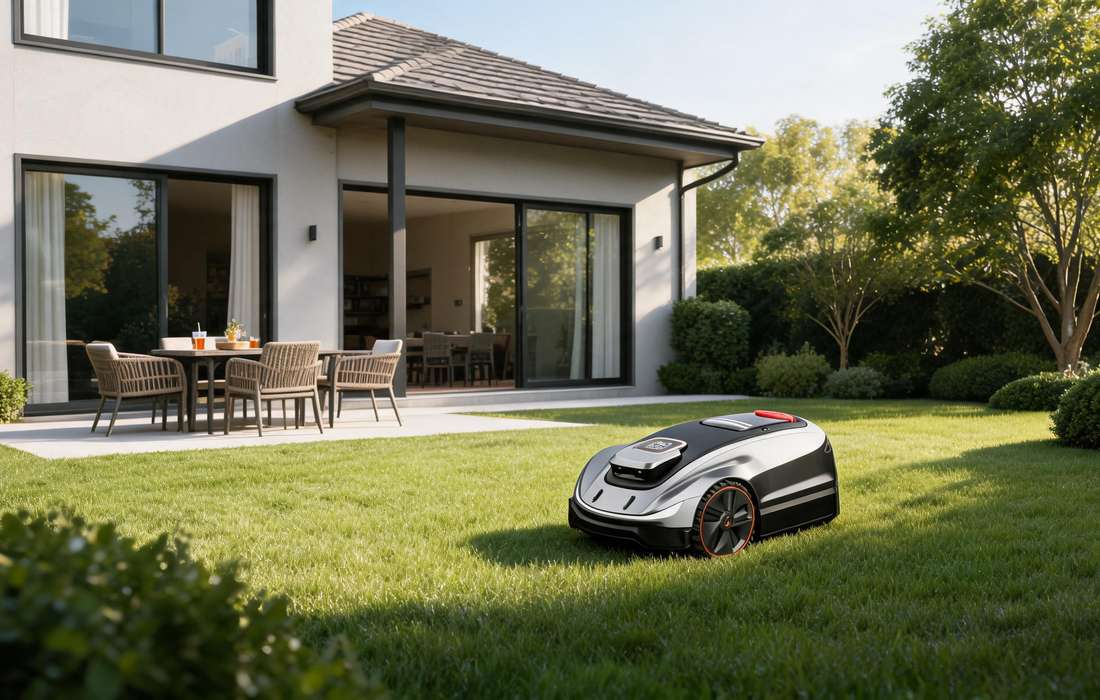
Robotic lawn mowers work a bit differently from traditional mowers. Instead of one large, heavy blade, they typically use a rotating disc with smaller, razor-like blades. Here’s how to take lawn mower blades off from a robotic model.
Step 1. Power Down
Make sure the main safety switch is turned off, and if your robotic mower has a safety key, remove it to ensure the mower won’t power on while you are working.
Step 2. Flip the Robot
Place the robotic mower on a soft surface, like grass or a towel, to protect the chassis from scratches during the process.
Step 3. Unscrew the Razor Blades
Use a screwdriver to remove the small screws that secure each razor blade to the cutting disc.
Step 4. Replace or Clean
Since these blades are thin, they are typically replaced rather than sharpened. If they are not too damaged, you can clean them before reinstalling, but it’s often more efficient to swap them out for new ones.
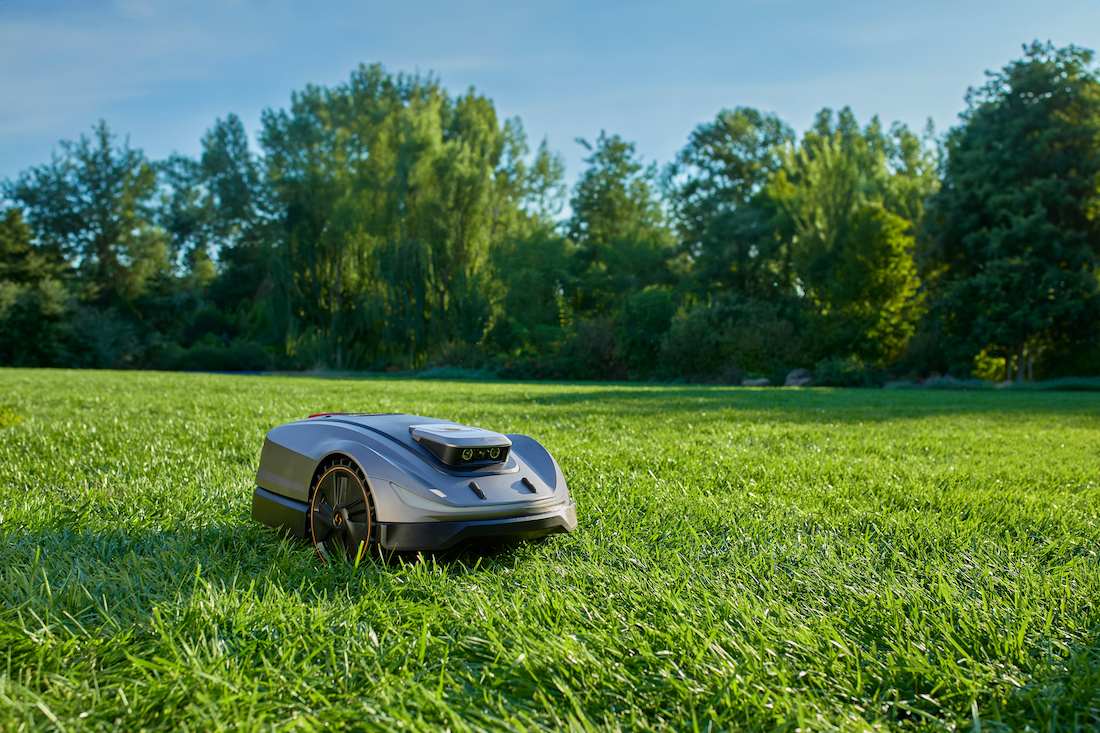
As you can see, one of the biggest advantages of robotic mowers is just how easy blade maintenance is. Unlike traditional mower blades that may require heavy tools, wooden blocks, a lawn mower blade sharpener, and additional time for sharpening and balancing, robotic blades can be changed in just a few minutes with a simple screwdriver.
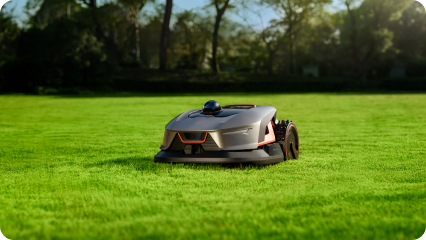
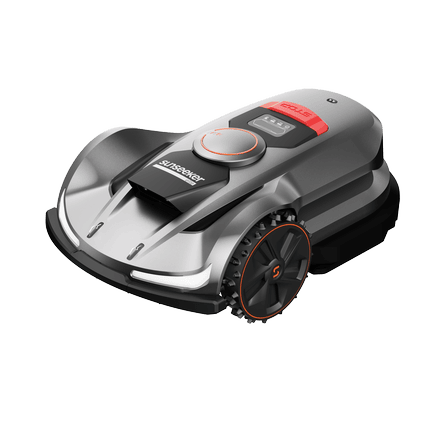
For homeowners who want a truly hands-off experience, the Sunseeker Elite X5 stands out as a top robotic choice. It features a floating cutting disc system with 6 evenly distributed blades automatically adjusting height to match the lawn’s contours for an even, gentle cut. Replacement is also effortless, thanks to readily available blade kits. Overall, this model makes ongoing maintenance minimal while keeping your lawn healthier.
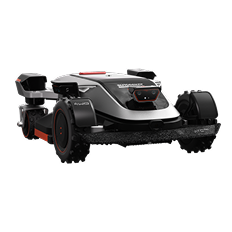
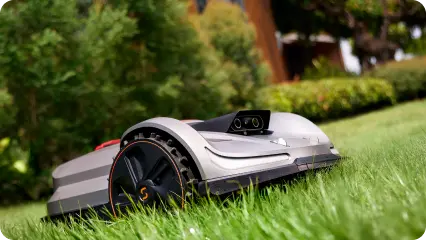
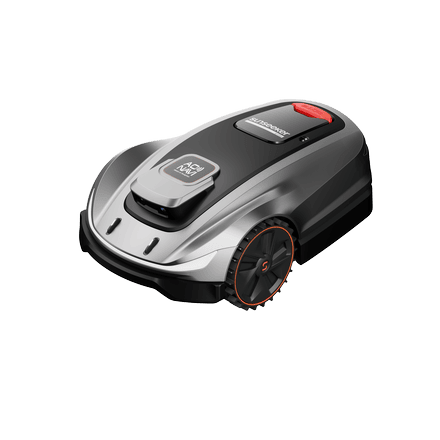
If you are dealing with a larger or more demanding lawn, the Sunseeker Elite X7 Plus Gen 2 is a great fit. The robotic series boasts an upgraded floating dual cutting disc on higher models, with 6 blades per disc for finer, more uniform cuts. It also includes extra-precise edge-cutting discs that can trim as close as 3 cm to boundaries, reducing the need for manual touch-ups. Paired with dedicated blade kits for quick replacement, the system streamlines the care process while delivering high-quality results.
How to remove lawn mower blades? By following the right steps and using the proper tools, you can get the job done safely and without hassle. If you are tired of the heavy lifting that comes with traditional mower maintenance, it might be time for a smarter solution. Sunseeker brings industry-leading technology that makes lawn care easier, from advanced navigation to effortless blade replacement. Visit Sunseeker to find the best automated partner for your home now!
In the vast majority of cases, a lawn mower blade bolt follows the standard "lefty-loosey" rule, meaning you turn it counter-clockwise to remove it. However, always check your manual for confirmation, as some engines with specific crankshaft rotations may use a reverse-thread bolt to prevent it from loosening during operation.
Socket sizes vary by manufacturer, but the most common sizes for standard walk-behind and riding mowers are 16-mm, 17-mm, and 19mm. For European or modern robotic models, you may need metric sizes such as 14mm or 17mm. Always ensure the socket fits snugly to avoid stripping the bolt head.
Apply penetrating oil such as WD-40 to the bolt and wait 5-15 minutes. Then wedge a wood block to hold the blade steady. Use a breaker bar or long-handled wrench for leverage. For stubborn bolts, tap the wrench with a mallet or use an impact wrench. You can also apply heat with a heat gun for rusted bolts.