





FAQs
5/28/2026
Contents
Products
Residential Lawns




Commercial Landscapes
Explore
Where to Buy


Watering after mowing is generally fine and often beneficial, but doing it at the wrong time or in the wrong amount can cause more harm than good. The grass type, weather, and time of day all factor into whether your lawn actually needs water after a cut, and how much to give it.
Mowing and watering are the two things homeowners do most for their lawns, but the connection between them is rarely discussed. Should you water grass after mowing? In most cases, yes, but the timing, amount, and conditions matter more than people realize.
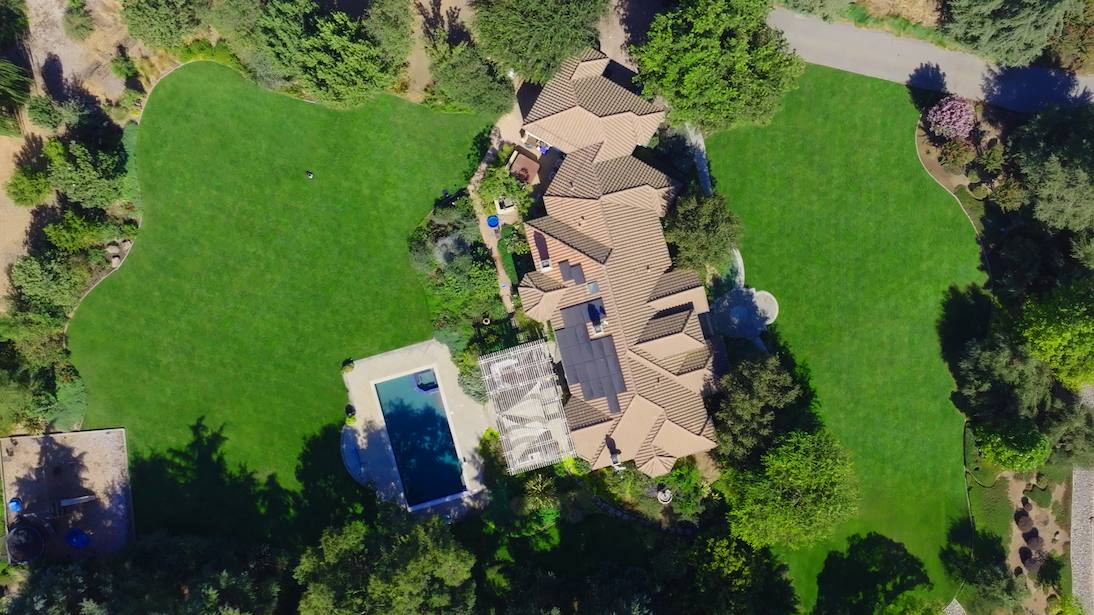
Yes, watering after mowing is generally safe and often helpful. Freshly cut grass has open wounds at the blade tips where moisture escapes more quickly than usual. Watering helps the grass recover and reduces stress, especially in hot or dry conditions.
That said, watering isn't always necessary right after mowing. If the soil is already moist, rainfall is expected, or temperatures are mild, the lawn may not need additional water. The key is to water based on what the lawn actually needs, not on a fixed schedule tied to mowing.
One thing to avoid: watering immediately before mowing on wet grass. Wet clippings clump under the deck and leave an uneven cut. Mowing dry grass and watering afterward is the better sequence.
Watering after mowing can do more than refresh the lawn. Below, we’ll look at the key benefits and why this simple step helps grass recover and grow stronger.
Timing matters more than most people think. If you mow in the morning, watering right after is fine. The grass gets moisture before the heat builds and has time to dry before nightfall. If you mow in the afternoon or evening, it's better to wait until the following morning. Watering in the evening leaves moisture on the blades overnight, which creates conditions for fungal disease.
A few other timing considerations:
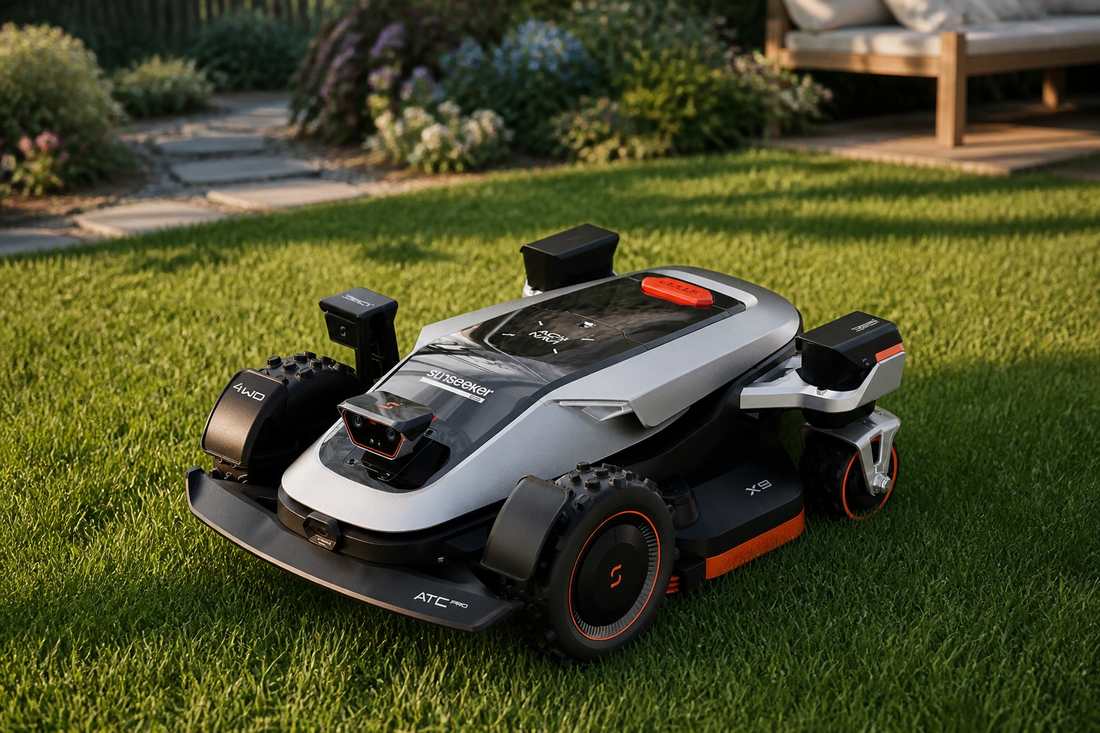
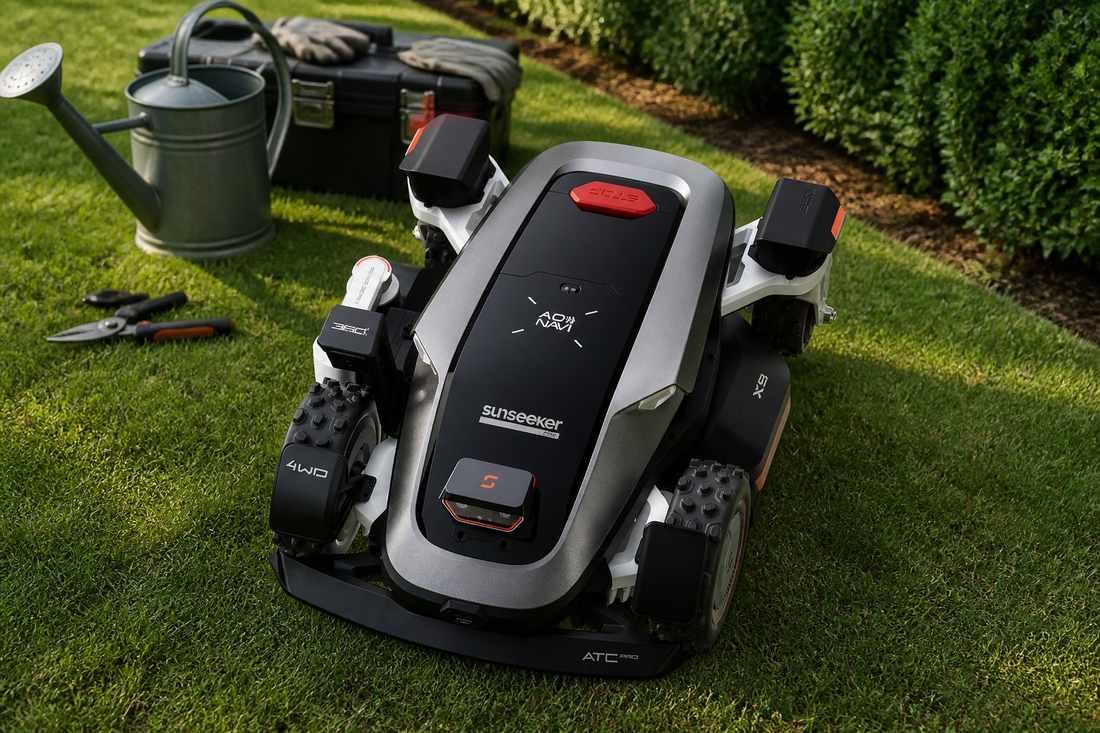
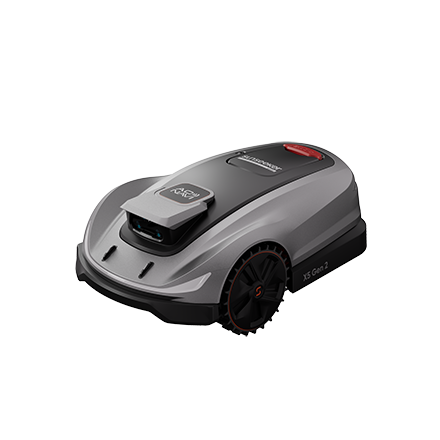
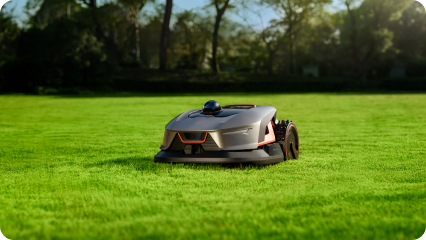
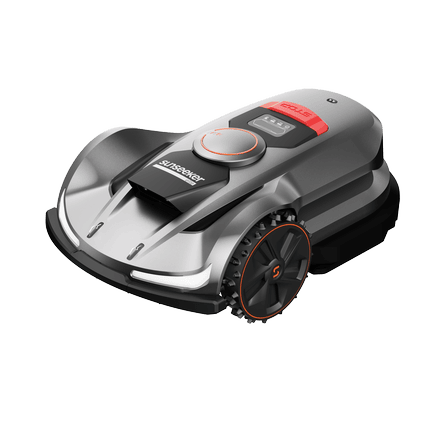
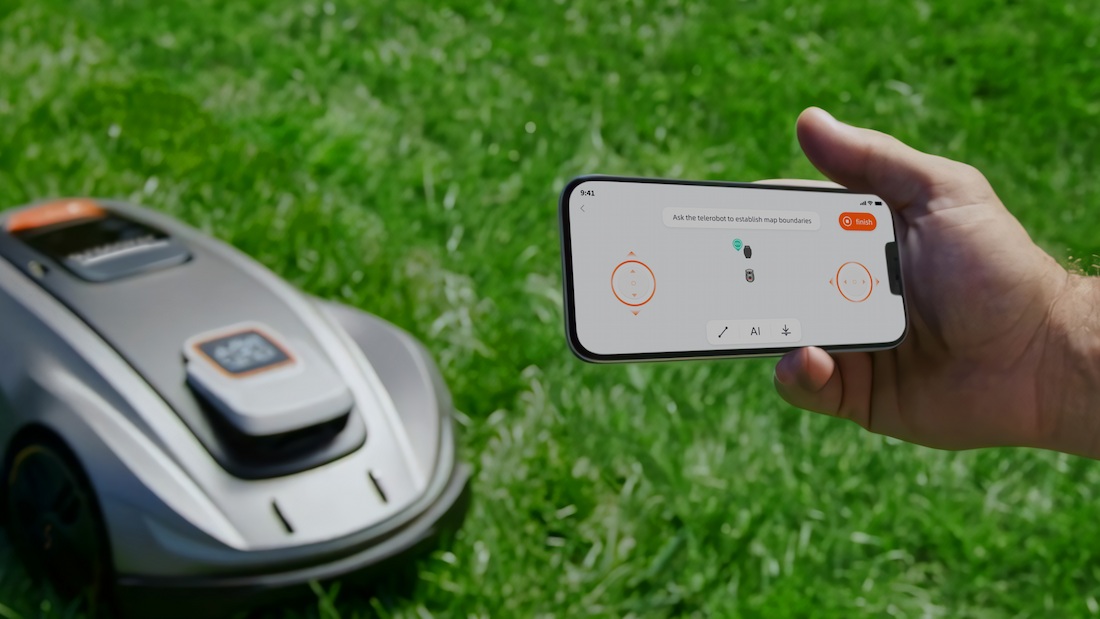
Keeping track of both mowing and watering schedules takes some attention. The Sunseeker Elite X5 takes the mowing side off your hands entirely, freeing you to focus on watering timing and the rest of your lawn care routine. It covers yards up to about 2,000 m² and uses AONavi™ combining RTK-GNSS and VSLAM for accurate wire-free navigation, with Vision AI for obstacle detection. Set a schedule in the app and it handles the rest on its own, leaving you free to focus on watering, fertilizing, and the rest of the lawn care routine.
Should you water the lawn after mowing is sometimes easier to answer by looking at the grass itself. These signs tell you water is needed:
If none of these signs are present and the soil still has moisture, the lawn doesn't need water after mowing, regardless of what the schedule says.
Should I water after mowing and doing it well comes down to a few consistent habits.
1.Water deeply, not frequently. If you are wondering how long to water lawn, focus on getting moisture down to the root zone, roughly 15 cm to 20 cm below the surface, rather than following a fixed watering time. Light, frequent watering keeps moisture near the surface and encourages shallow roots. A deep watering once or twice a week does more than a light sprinkle every day.
2.Water in the morning. The best time to water grass is early morning because the lawn can absorb moisture before the heat of the day, while the blades still have enough time to dry before nightfall, reducing disease risk.
3.Avoid watering during peak heat.Watering between 10 a.m. and 4 p.m. leads to significant evaporation.
4.Don't overwater.Standing water or soggy soil is a sign of too much. Overwatering encourages shallow roots, weed growth, and fungal disease. The same problems as underwatering, just from the other direction.
5.Adjust for rainfall.If it has rained recently or rain is forecast, skip the post-mow watering.
6.Use a rain gauge or soil moisture meter.These inexpensive tools take the guesswork out of when and how much to water.
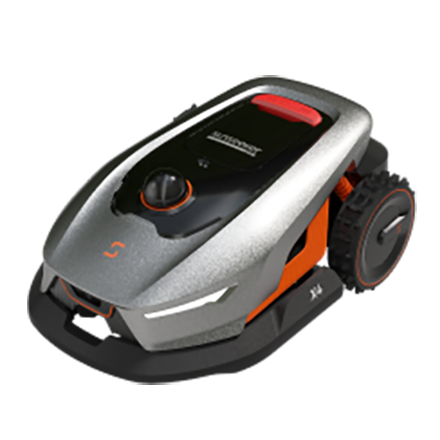
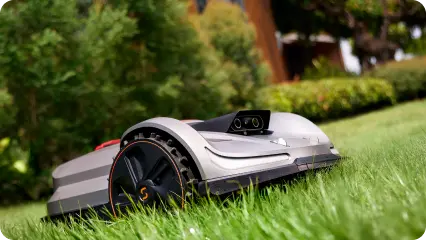
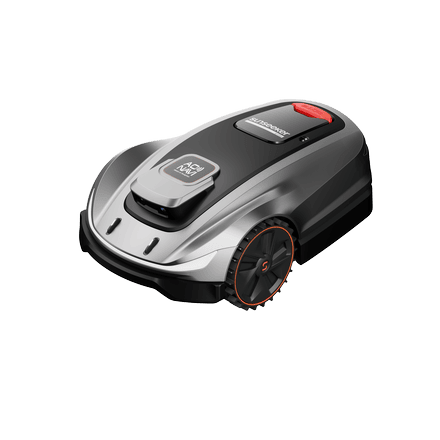
If managing both mowing and watering schedules feels like a lot to keep track of, a robotic mower handles the mowing side automatically. For yards with complex layouts, narrow passages, or lots of obstacles, the Sunseeker Elite X4 is worth a look. It uses LidarAI™ 3D fusion sensing with 360° 3D LiDAR capturing over 210,000 point clouds per second, giving it a precise real-time map of the yard. A 10 TOPS AI chip handles obstacle detection in real time, so it navigates cleanly around garden beds, furniture, and uneven ground without supervision.
Should you water grass after mowing? Yes, in most cases, but the timing and amount matter more than the act itself. Water in the morning, water deeply, and let the lawn's own signals tell you when it actually needs water rather than watering on a rigid schedule.
If conditions are hot and dry, watering within a few hours of mowing helps reduce heat stress on the freshly cut grass. If the weather is mild and the soil has some moisture, the lawn can usually wait until the next morning. Should I water grass after mowing in the evening? It's better to wait until morning. Overnight moisture on the blades increases the risk of fungal disease.
It's not harmful to water right after mowing, but the timing isn't ideal. The best approach is to water in the early morning regardless of when you mow. Is it good to water grass after mowing immediately in hot conditions? Yes. A light watering within a few hours helps the grass recover. But if you mow in the afternoon, watering immediately means the grass stays wet overnight, which can cause disease. Morning is always the better window.
Yes, rain after mowing is generally beneficial. It waters the lawn naturally, helps clippings break down faster, and reduces heat stress without any effort on your part. And for those wondering should I water lawn after mowing if rain is in the forecast, the answer is no. Skip the watering and let the rain do it. The only downside to rain immediately after mowing is if it's heavy enough to wash clippings into clumps, which can smother the grass if left in place. Redistributing them after the rain solves that quickly.