















A sputtering push mower is one of the more common complaints during mowing season. The engine runs, but it keeps cutting out or losing power instead of running smoothly. Sometimes it clears up on its own. Other times it gets worse. Either way, push mower sputters are almost always a sign that the engine isn't getting enough fuel, air, or a consistent spark.

Common Causes and Fixes for Push Mower Sputtering
Sputtering usually comes from one of a handful of sources. Working through them in order is the most efficient way to find and fix the problem.
Here's what to check when your push mower sputtering starts:
1. Dirty or clogged air filter
- The air filter keeps debris out of the engine. Over time, it gets clogged with dust, grass, and dirt. A restricted filter starves the engine of air, causing it to run rich and sputter, especially under load.
- How to Fix: Remove the filter and inspect it. Foam filters can be cleaned with warm soapy water, dried completely, and reinstalled. Paper filters should be replaced if they're visibly dirty or damaged. Check the filter at least once a season, or more often if you mow in dry or dusty conditions.
2. Stale or contaminated fuel
- Gas starts to degrade after about 30 days. Old fuel leaves behind a varnish-like residue that coats fuel lines and carburetor passages, disrupting the fuel flow the engine needs to run smoothly. If the mower has been sitting since last season, stale fuel is likely the cause.
- How to Fix: Drain the old fuel completely and refill with fresh gasoline. If the mower runs better straight away, fuel was the problem. Use a fuel stabilizer if the mower will be sitting for more than a month.
3. Clogged or dirty carburetor
- The carburetor controls the fuel-air mixture entering the engine. When its tiny internal passages get blocked by fuel residue, the mixture becomes uneven and the engine sputters. A partially clogged carburetor is one of the most common causes of push mower sputtering, and it often develops gradually.
- How to Fix: Spray carburetor cleaner into the air intake with the engine running to clear light blockages. For a more thorough fix, remove the carburetor, soak it in cleaner, and use a small brush to clear the jets and passages. If the carburetor is heavily corroded, replacing it is often more practical than cleaning it.
4. Worn or fouled spark plug
- A spark plug that's past its prime fires inconsistently, which causes the engine to sputter and surge. Plugs can also get fouled with carbon deposits from old fuel or oil, which has the same effect.
- How to Fix: Remove the spark plug and check its condition. If the electrode looks worn, the tip is black or oily, or the gap is off, replace it. A new spark plug is inexpensive and often fixes sputtering that nothing else has resolved. Most manufacturers recommend replacing it at the start of each season.
5. Water in the fuel
- Water can get into the fuel tank through condensation or a damaged fuel cap. Even a small amount disrupts combustion and causes sputtering. If the fuel in the tank looks cloudy or has visible separation, water contamination is likely.
- How to Fix: Drain the tank completely and refill with fresh fuel. Check the fuel cap for cracks or a worn seal and replace it if needed.
6. Dirty or damaged fuel cap vent
- The fuel cap has a small vent that allows air into the tank as fuel is used. If the vent gets blocked, a vacuum forms inside the tank that restricts fuel flow. The mower may run normally at first, then start sputtering as the vacuum builds.
- How to Fix: Test this by loosening the cap slightly while the mower is running. If the sputtering stops, the vent is the problem. Clean the cap with compressed air or replace it if the vent is damaged.
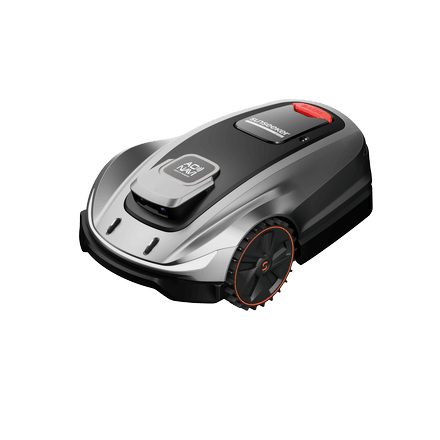
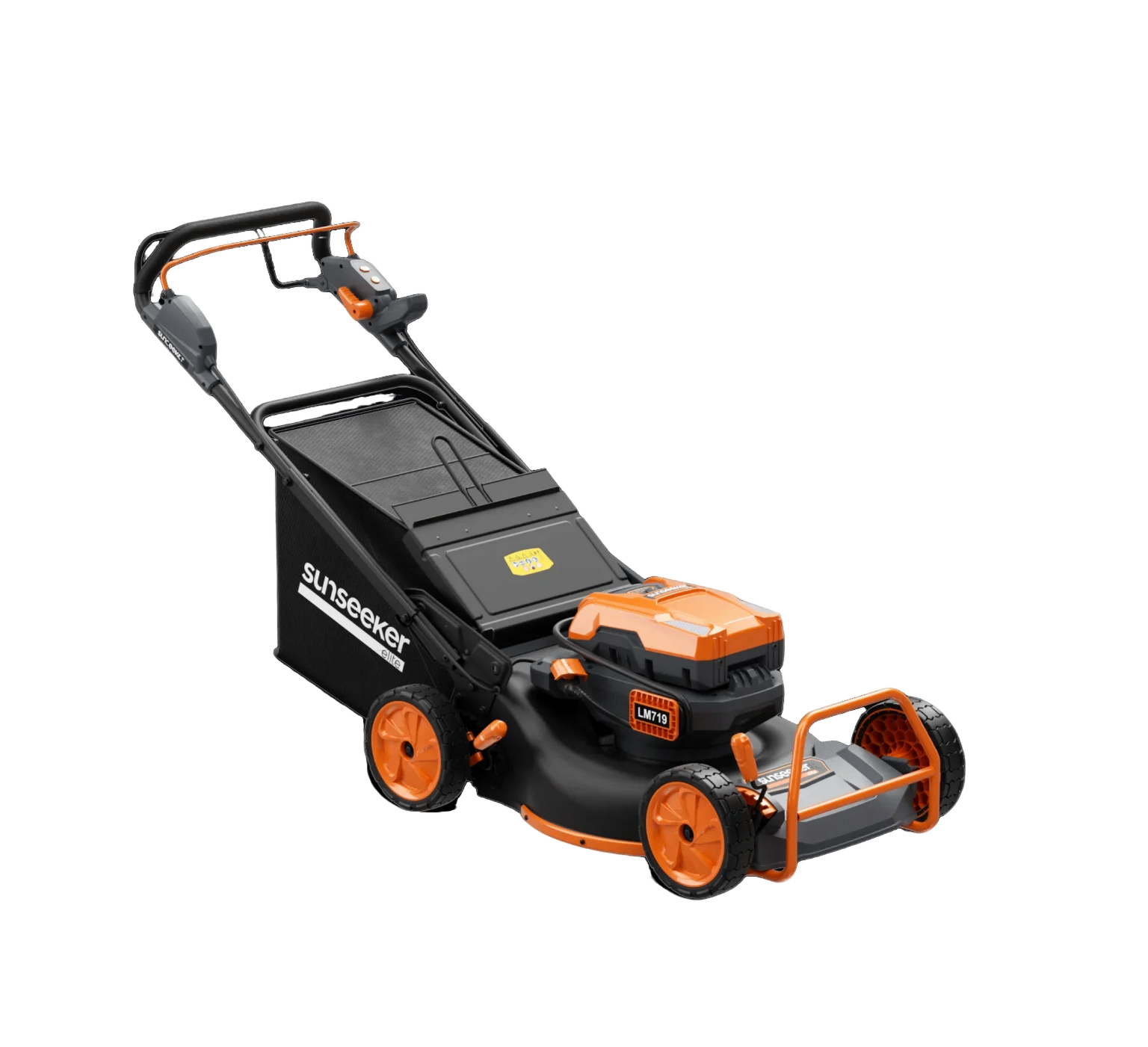
If gas engine maintenance feels like a recurring chore, an electric mower is a practical alternative. The Sunseeker Elite Lawn Mower (Plug-in Connect) runs on a 60V battery system with no carburetor, no fuel, and no spark plugs to maintain. It features a 560 mm dual-blade steel deck, 7 cutting height settings from 1.0 in to 3.50 in, and 3-in-1 functionality for mulching, rear discharge, and bagging. Noise stays at or below 98 dB(A), and day-to-day maintenance is mostly limited to keeping the blade sharp and the deck clean.