











FAQs
5/28/2026
Contents
Products
Residential Lawns







Commercial Landscapes
Explore
Where to Buy


A surging mower is usually trying to correct an uneven fuel, air, or spark supply. The sound rises and falls because the engine cannot hold a steady mix. Old fuel, a clogged carburetor, dirty air filter, worn spark plug, or loose governor linkage are common causes. Fresh fuel and simple filter checks are the best first steps.
A lawn mower surging problem is one of the more frustrating things to deal with mid-job. The engine revs up, drops back down, and repeats the cycle even when you haven't touched the throttle. Left unfixed, a surging engine puts extra wear on internal components and can eventually cause the mower to stall completely. The good news is that the most common causes are straightforward to diagnose, and most can be fixed without taking the mower to a shop.
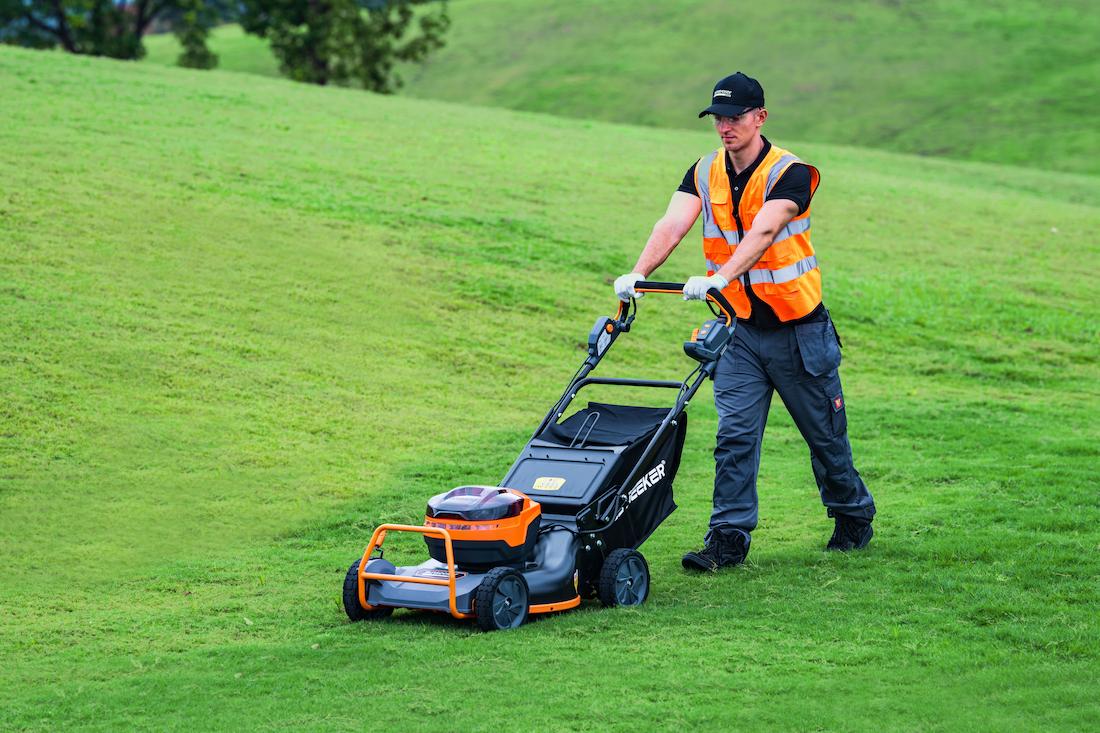
When a lawn mower is surging, the engine repeatedly speeds up and slows down on its own, even when you haven't touched the throttle. You'll hear the RPM rise, drop, and rise again in a continuous cycle rather than holding a steady tone.
Left unaddressed, the constant RPM swings accelerate wear on the carburetor, governor, and ignition components. In more serious cases the engine stalls completely mid-job. Knowing what's causing it determines how involved the fix needs to be.
Even the best gas lawn mower can begin surging when its fuel or air supply becomes inconsistent. The underlying issue is almost always a fuel or air delivery problem, so here are the most likely culprits to check, starting with the most common.
The carburetor mixes fuel and air in the right ratio before sending the mixture to the engine. When small passages inside get clogged with fuel residue or varnish buildup, the fuel flow becomes inconsistent and the engine surges in response.
This is especially common if the lawn mower sat with fuel in the tank over winter. Ethanol in modern gasoline attracts moisture and breaks down into a sticky residue that coats the inside of the carburetor. Even a partial blockage in one of the tiny jets is enough to cause noticeable surging.
Old fuel loses its combustibility over time. Gasoline sitting in the tank for more than 30 days starts to degrade, and the volatile compounds that make it combust efficiently begin to evaporate. What's left burns unevenly, which directly causes the engine to surge.
Water contamination produces the same result. If the tank wasn't sealed properly during storage or condensation has built up inside, water droplets in the fuel disrupt combustion and make the engine rev inconsistently.
The air filter keeps dust and debris out of the engine. When it gets clogged, airflow to the carburetor is restricted and the fuel-to-air ratio gets thrown off. A rich mixture, meaning too much fuel relative to air, often causes the engine to hunt and surge rather than run cleanly.
A foam or paper air filter that looks gray or brown with dirt is usually past its useful life and needs replacing rather than cleaning.
A spark plug that is fouled, gapped incorrectly, or simply worn out produces an inconsistent spark. When ignition becomes irregular, the engine doesn't fire on every cycle the way it should. A surging lawn mower engine at full throttle is one of the clearest signs of a spark plug problem, since the ignition demand is highest when the engine is running hardest.
Spark plug issues are one of the easier things to check because the plug is accessible on most mowers without any disassembly beyond removing a single wire.
The governor regulates engine speed and keeps it consistent under varying loads. When the governor arm, spring, or linkage becomes worn, bent, or loose, it loses its ability to hold a steady RPM. The engine then oscillates between too fast and too slow, which is exactly what surging looks and sounds like.
Governor problems are less common than carburetor or fuel issues, but worth checking if cleaning the carburetor and replacing the fuel doesn't resolve the surging.
Work through these steps in order. Starting with the simplest fixes saves time before moving to more involved repairs.
If you are asking “how do you start lawn mower equipment after storage without surging?”, begin by checking the fuel before doing anything else. Drain the old fuel from the tank completely and refill it with fresh gasoline. If the mower has a fuel filter, replace it at the same time. Run the engine for a few minutes to see if the surging resolves.
Use fresh fuel with no more than 10% ethanol content, and add a fuel stabilizer if the mower will sit between uses for more than a few weeks.
Remove the air filter and inspect it. A foam filter can be washed with mild soap, rinsed, dried thoroughly, and lightly oiled before reinstalling. A paper filter that looks heavily soiled should be replaced rather than cleaned, since cleaning a paper filter often reduces its effectiveness.
Reinstall the filter and test the engine. Restricted airflow is one of the quicker fixes for lawn mower surging at full throttle, since the engine demands the most air at peak load.
Pull the spark plug and check the electrode for fouling, carbon buildup, or erosion. If the electrode looks worn or the ceramic is cracked, replace the plug. Even if it looks acceptable, check the gap with a feeler gauge. Most small engine spark plugs run at a gap between 0.75-0.9 mm, but check your manual for the exact spec.
Spark plugs are inexpensive, and replacing one proactively is faster than troubleshooting further only to come back to it later.
If the previous steps haven't resolved the surging, the carburetor needs attention. Remove it from the engine and disassemble it carefully, keeping track of any small parts like jets, needles, and springs.
Spray carburetor cleaner into every passage and jet opening, then use compressed air to clear any remaining blockages. Pay particular attention to the main jet and idle jet, since these are the passages most likely to get clogged with varnish residue. If the carburetor is heavily corroded, replacing the unit is often more cost-effective than a full rebuild.
With the engine off, locate the governor arm and its linkage. Move it through its full range of motion by hand and check for binding, looseness, or obvious damage. A spring that has lost tension or a linkage rod that is bent can cause the governor to hunt rather than regulate steadily.
If the governor components look worn, replacing the spring is an inexpensive first step. A more involved adjustment to the governor arm position may be needed if the spring replacement doesn't stabilize the engine.
Most surging problems are preventable with a consistent maintenance routine. A few habits make a significant difference over the life of a gas engine.
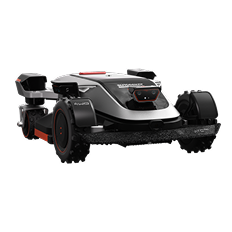
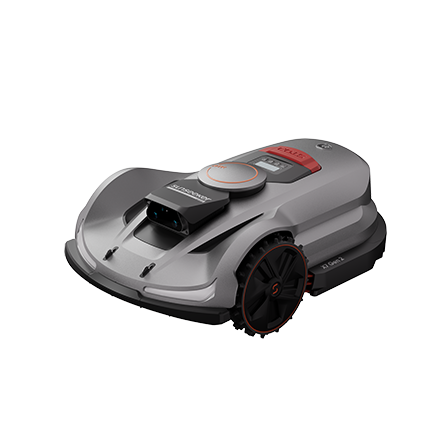
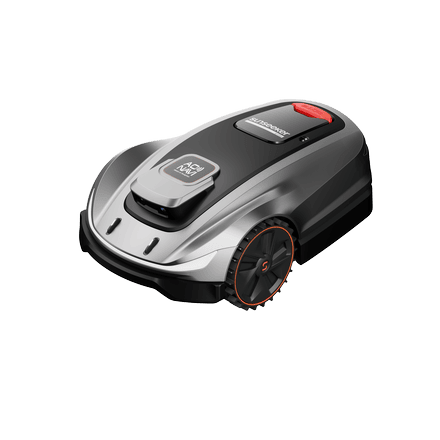
If you'd rather step away from gas engine maintenance entirely, battery-powered and robotic mowers have no carburetor, spark plug, or fuel system to maintain. The Sunseeker Elite X7 Plus Gen 2 covers up to 6,000 m² per session autonomously, and runs on a set schedule through the app with no fuel or ignition system to service between uses.

A surging lawn mower is almost always a fuel or air delivery problem, and working through the fix in order saves time. Start with fresh fuel and a clean air filter, move to the spark plug, then clean the carburetor if the problem persists. Governor issues are the least common cause and worth checking last. With a consistent end-of-season routine, most surging problems can be avoided entirely.
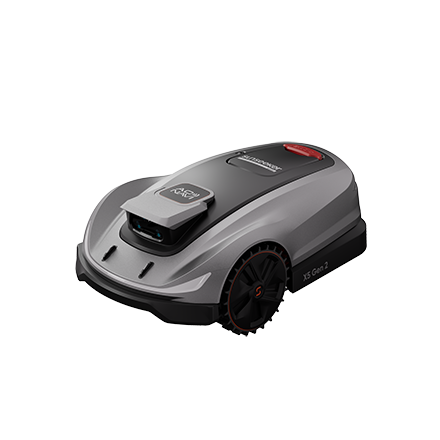
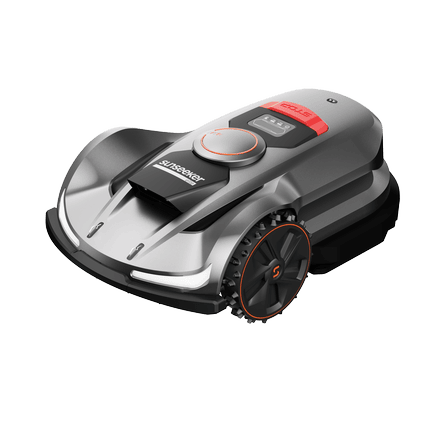
For operators who want to eliminate gas engine maintenance from the equation, the Sunseeker Elite X5 runs autonomously on a brushless electric motor with no fuel system to manage, and its compact footprint handles tight corners and decorative planting that larger robotic units can't navigate cleanly.
A lawn mower idles up and down most often because of a dirty carburetor or stale fuel. Start by draining the tank and refilling with fresh gasoline, then check the air filter and replace it if it's clogged. If the revving continues, clean the carburetor by removing it and spraying out all the jets and passages with carburetor cleaner. A worn spark plug or a loose governor linkage can also cause the same symptom if the carburetor checks out clean.
Yes. A fouled or worn spark plug produces an inconsistent spark, which leads to irregular combustion and lawn mower engine surges particularly at full throttle. Checking the spark plug is one of the quicker steps in diagnosing a lawn mower engine surging issue because the plug is easy to access and inexpensive to replace. If the electrode is eroded, the tip is fouled with carbon, or the gap is outside the recommended range, replacing the plug is worth doing before moving on to more involved repairs.
Surging puts additional stress on engine components over time. The inconsistent RPM fluctuations affect the carburetor, governor, and ignition system, and running an engine in a surging state for extended periods accelerates wear on these parts. It won't destroy the engine immediately, but fixing the underlying cause promptly reduces the risk of more expensive repairs down the line.