











You step outside with a coffee, notice fresh paw prints across the grass, and then spot the yellow patch or mess that explains why it keeps happening. The goal is not to punish the animal, but to make your lawn less attractive, less accessible, and harder to treat like a regular route.
In practice, success comes from combining a few simple layers: removing what attracts dogs in the first place, cleaning and repairing affected areas, and adjusting access so repeated entry becomes less likely. In this article, you will learn some safe deterrent methods to protect your lawn without harming pets or the surrounding environment.

How to Keep Dogs Off Your Lawn
Dogs usually return to the same lawn because of scent, easy access routes, and habit. The most effective solution is not a single trick, but a combination of targeted methods that remove triggers, block access, and interrupt repeat behavior at entry points.
Method 1. Remove scent trails and “repeat signals”
Dogs rely heavily on smell to decide where to return. If scent markers stay in place, they will often revisit the same spots even after being chased away.
Clean up waste immediately and rinse marked grass with water to dilute odor signals. For frequently used spots near trees, posts, or corners, lightly flushing the area helps reset the scent pattern. Avoid leaving food sources outside such as birdseed, unsecured trash, or pet bowls, since these create strong reinforcement signals that attract repeated visits.
Method 2. Block the actual entry routes (not the whole lawn)
Most dogs do not cross randomly—they follow the easiest physical path from sidewalks, driveways, or neighboring yards. Instead of fencing the entire lawn, target entry points. Low edging, short decorative fences, gravel strips, or dense border planting can interrupt movement patterns.
Even a 10–30 cm physical barrier is often enough to break the habit loop. In high-traffic corners, reshaping the edge with mulch or curved planting beds can redirect movement more naturally than rigid fencing.
Method 3. Interrupt entry behavior at the first step
Stopping a dog early is more effective than reacting after it has already entered the lawn. Place motion-activated sprinklers at the exact entry point where paws first touch the grass. The sudden water burst creates an immediate, harmless interruption and teaches avoidance without needing constant presence.
Position devices so they trigger on approach, not deep inside the yard. This prevents reinforcement of “safe zones” within the lawn. Sound or light devices can be added in low-pressure areas, but they are secondary because they depend heavily on the individual dog’s sensitivity.
Method 4. Reduce long-term attraction zones
Some areas repeatedly attract dogs because they feel safe, soft, or already marked. Tree bases, mailbox posts, and shaded corners are common problem zones. Changing the surface in these spots helps break the pattern.
Gravel, coarse mulch, or tightly planted shrubs reduce comfort and discourage lingering. If dogs cut across the lawn repeatedly, adding a defined stepping-stone path for humans can indirectly reduce accidental canine traffic by removing shared shortcuts.
Method 5. Use repellents only as a supporting layer
Repellents work best when the behavior pattern is already weakened by barriers or deterrents. Apply pet-safe commercial repellents only in small zones such as corners, gates, or repeated marking spots. These products are most effective when reinforcing other methods, not replacing them.
Avoid strong homemade substances like ammonia or pepper mixtures, which can damage grass, irritate animals, and create soil imbalance. Rain and irrigation will reduce effectiveness, so reapplication is often needed.
Lawn Care Habits That Make Your Yard Less Inviting
Once entry points and deterrents are in place, ongoing lawn care should focus on keeping the yard from becoming attractive again. The goal is not to repeat earlier steps, but to maintain conditions that discourage dogs from re-establishing patterns over time.
Keep the lawn clean and free of strong scent buildup. Removing waste promptly and lightly rinsing occasional urine spots can help reduce lingering odor signals that may attract repeat visits. The key is consistency rather than heavy treatment, since strong chemicals are not necessary and can damage turf.
Lawn structure also plays a role in long-term prevention. Dense, even grass makes it harder for dogs to identify repeated landing or marking spots, while thin or patchy areas tend to become natural targets. Maintaining healthy turf through proper mowing height and occasional overseeding helps reduce these weak zones.
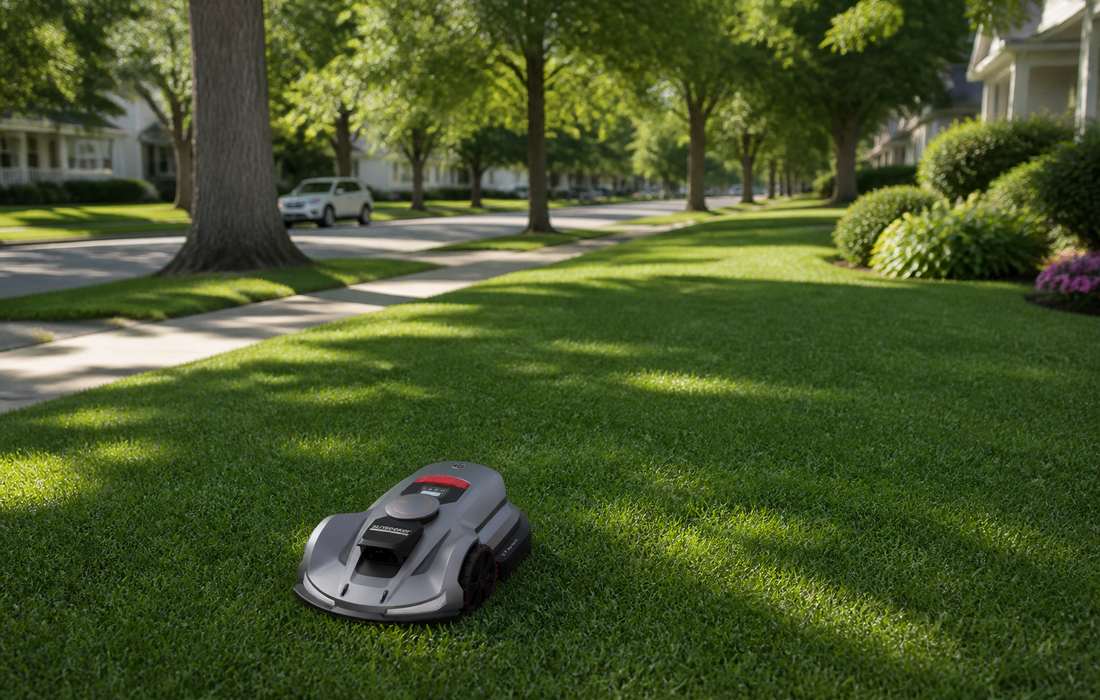
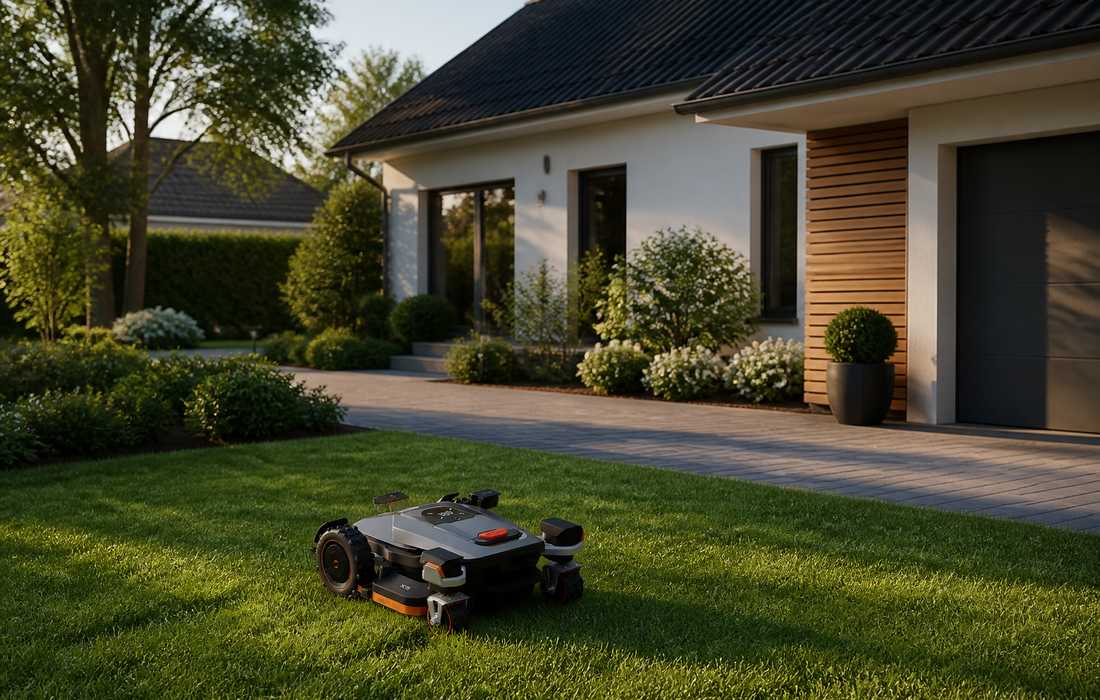
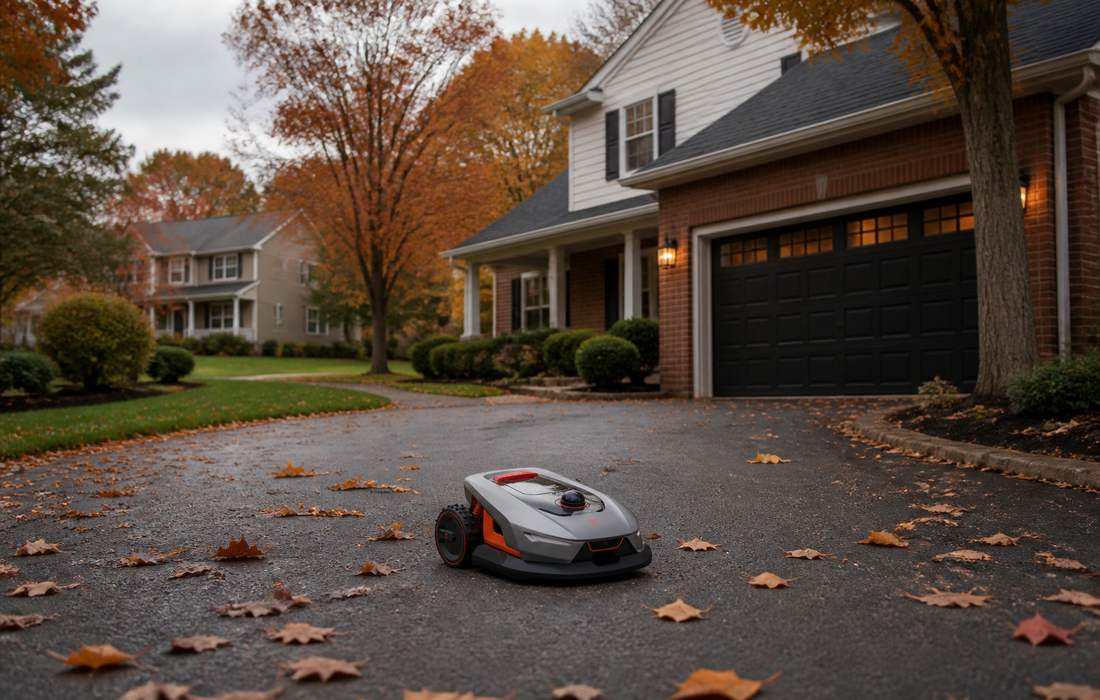
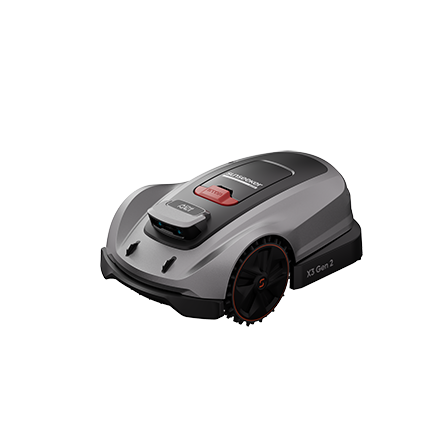
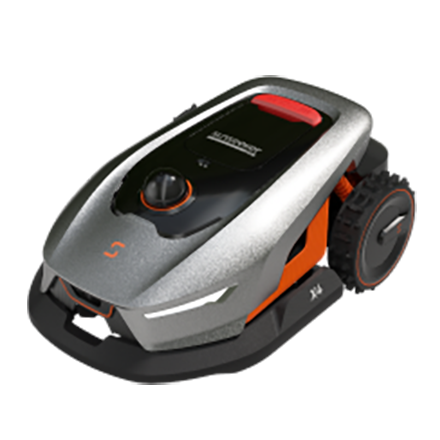
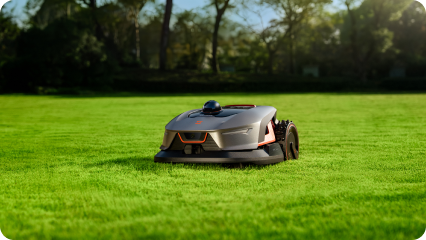
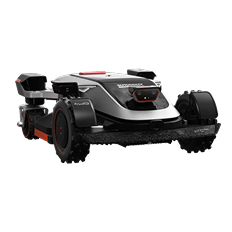
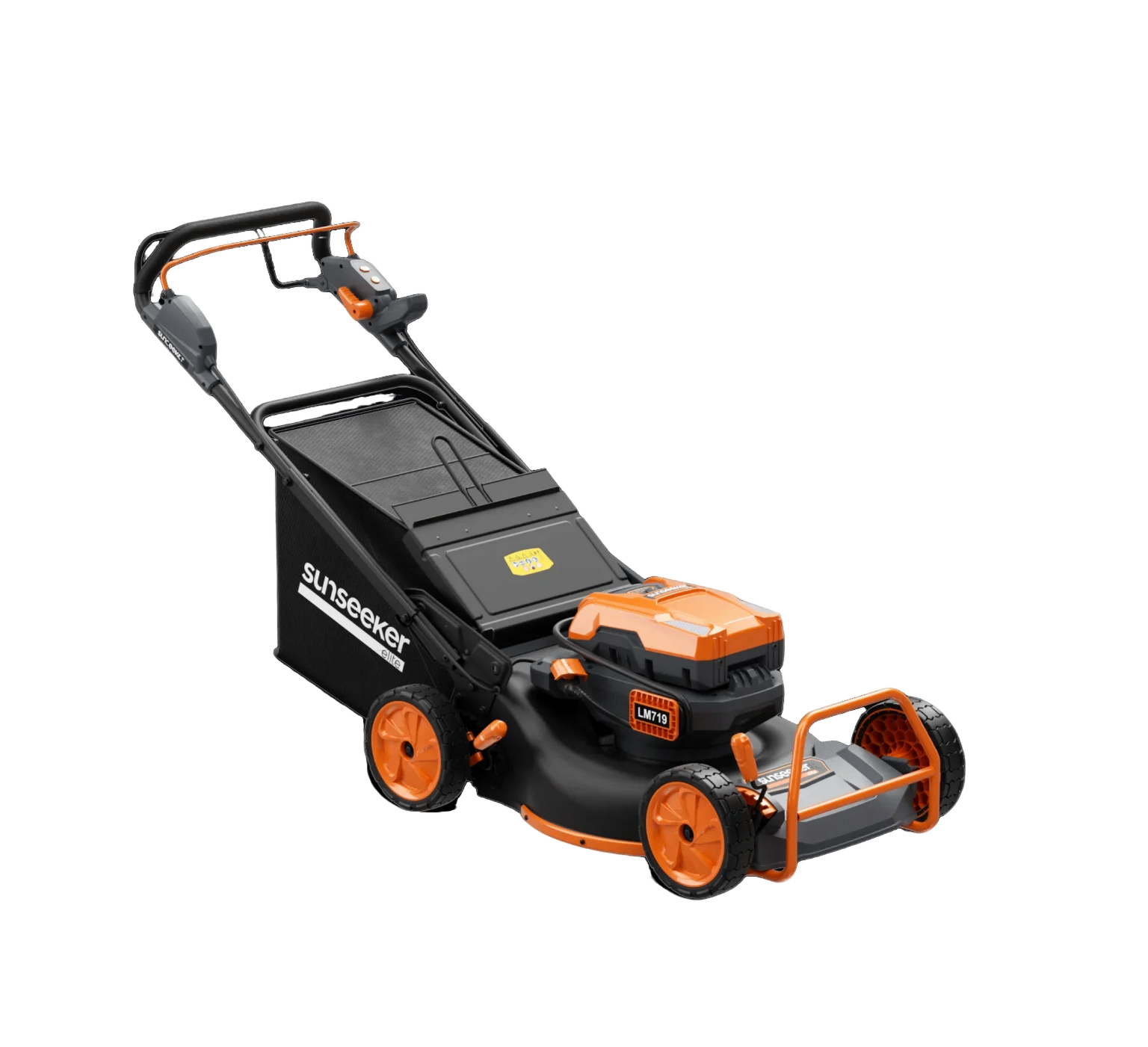
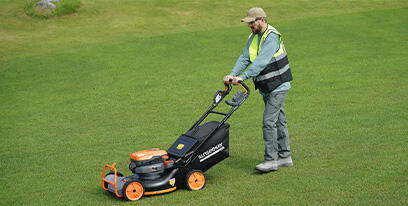
For larger lawns, maintaining an even cutting pattern can also reduce “familiar paths” that dogs tend to follow over time. A system like the Sunseeker Elite X4 can support this by keeping mowing height consistent across the yard, helping the surface stay uniform and less prone to developing repeated wear lines that attract traffic.