












What the NPK Numbers Mean for Greener, Thicker Grass
The three numbers on a fertilizer bag are the NPK analysis: nitrogen, phosphorus, and potassium. They appear in that order and show the percentage by weight of each nutrient in the product. A bag labeled 24-0-10, for example, supplies nitrogen for growth and color, no phosphorus, and potassium for stress tolerance and overall plant function.
Nitrogen is usually the nutrient homeowners notice first because it drives green color and leaf growth. Too little can leave turf pale and slow to fill in; too much can create soft, fast growth that needs more mowing and may be more vulnerable to stress. For established lawns, controlled-release nitrogen is often easier to manage than a quick flush of growth.
Phosphorus supports roots and early establishment, but many established lawns do not need extra phosphorus unless a soil test shows a shortage. In some areas, phosphorus use is restricted because runoff can affect waterways, so avoid applying it casually.
Potassium matters more for resilience than instant color. It helps grass handle heat, cold, foot traffic, and disease pressure. If a lawn struggles every summer, the answer may be better potassium balance, deeper watering, improved mowing height, or soil correction rather than a stronger green-up product.
The point is not to chase the highest numbers. A higher analysis means the fertilizer is more concentrated, not automatically better. Match the ratio to the need, then follow the label for how much product to apply over your measured lawn area.
How to Choose the Best Lawn Fertilizer for Your Lawn
The best fertilizer depends on your grass type, soil condition, and what your lawn is currently lacking.
Start with a soil test if possible. It shows whether your lawn is low in nitrogen, phosphorus, or potassium, which helps you avoid overfeeding and target real deficiencies. If you cannot test, look at the lawn’s condition: pale or slow-growing grass often needs nitrogen, while weak root growth may benefit from balanced formulas.
Choose a fertilizer type based on timing and convenience. Slow-release fertilizers feed gradually and reduce the risk of burning, making them suitable for regular maintenance. Quick-release products act faster but require more careful application and timing.
Also match fertilizer to season and grass type. Cool-season grasses typically respond best in spring and fall, while warm-season lawns perform better with feeding during active summer growth. Avoid fertilizing during extreme heat, drought, or dormancy, when grass cannot absorb nutrients effectively.
The table below summarizes the best fertilizer choices based on common lawn goals.
|
Lawn goal |
Best fertilizer type |
What to look for |
Key notes |
|
General greening |
Nitrogen-led fertilizer |
Moderate to high nitrogen, optional slow-release |
Good for established lawns; avoid excess phosphorus if soil levels are already sufficient |
|
Thickening thin turf |
Balanced or nitrogen-focused blend |
Steady nitrogen release for growth support |
Works best when underlying issues like shade or compaction are also addressed |
|
Summer stress management |
Stress-tolerant, low-nitrogen formula |
Higher potassium support, slow growth focus |
Avoid pushing fast growth during heat or drought periods |
|
New or recovering lawns |
Starter fertilizer |
Nutrient balance with phosphorus support (if needed) |
Apply carefully at label rate; soil test helps avoid overuse |
Best Fertilizer Timing for Cool-season and Warm-season Grass
Once you know which nutrients your lawn needs, timing decides how effectively the grass can use them. Feeding at the wrong time can waste fertilizer, encourage weak growth, or add stress.
Cool-season grasses, such as tall fescue, Kentucky bluegrass, and perennial ryegrass, grow most strongly in spring and fall. Fall is often the most useful feeding window because the grass can rebuild roots and density after summer stress. Spring feeding can help color and recovery, but heavy nitrogen too early may push top growth before roots are ready for heat.
Warm-season grasses, such as bermudagrass, zoysiagrass, St. Augustinegrass, and centipedegrass, grow most actively from late spring through summer. Fertilize after the lawn has greened up and is actively growing, not while it is still dormant. As growth slows toward fall, stop feeding so the grass can prepare for cooler weather.
Avoid fertilizing during drought dormancy, before heavy rain, on frozen ground, or when the lawn is too stressed to take up nutrients well. If your area has blackout dates or nutrient restrictions, follow them. In practice, the safest rule is simple: feed grass when it is actively growing and match the formula to the season.
How to Apply Lawn Fertilizer the Right Way
Choosing the right product and season still leaves one final step: how to apply lawn fertilizer evenly and at the right rate. Good fertilizer can disappoint if it is spread too heavily, too lightly, or at the wrong time.
Test Your Soil and Measure Your Lawn
A soil test shows whether your lawn actually needs phosphorus, potassium, lime, or other adjustments. Measuring the lawn prevents overapplication. Count only the turf area, not driveways, patios, planting beds, or sidewalks, and use that square footage to calculate the product amount from the label.
Choose the Right Spreader and Application Rate
Use a broadcast spreader for larger lawns and a drop spreader where precision matters near beds or pavement. Set the spreader by the fertilizer label, not guesswork. If the label allows it, applying half the amount in one direction and the other half at a right angle can improve coverage.
Water and Mow for Better Results
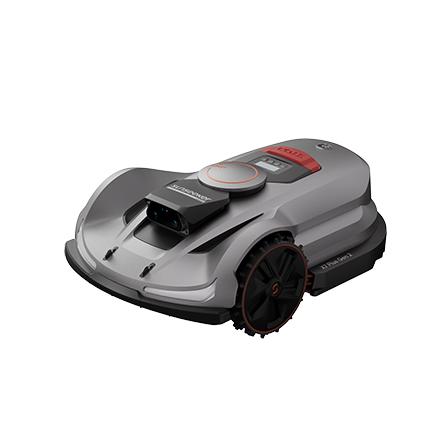
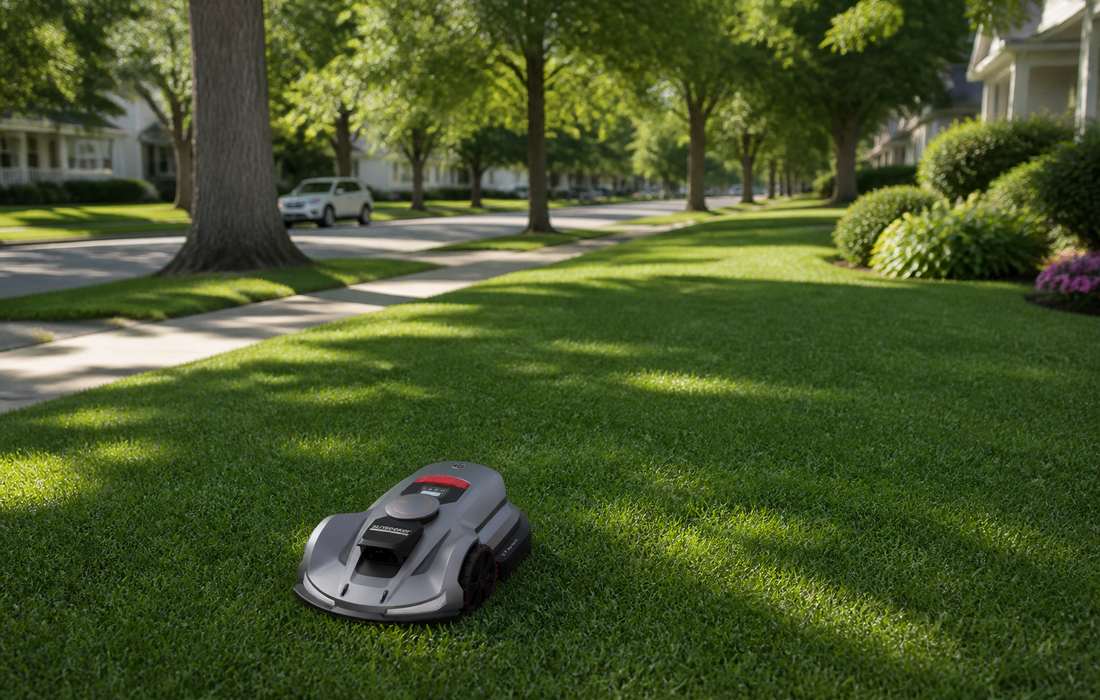
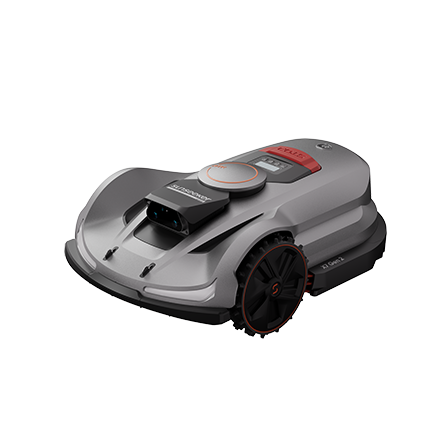
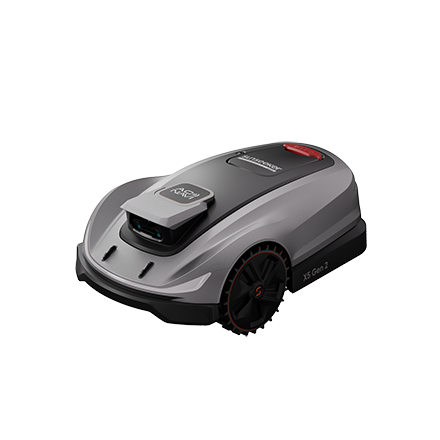
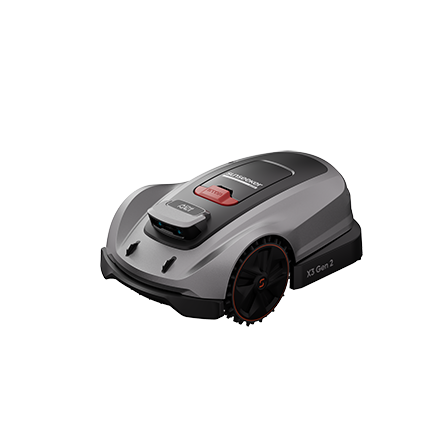
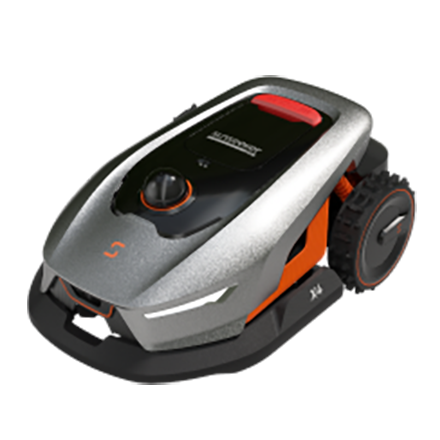
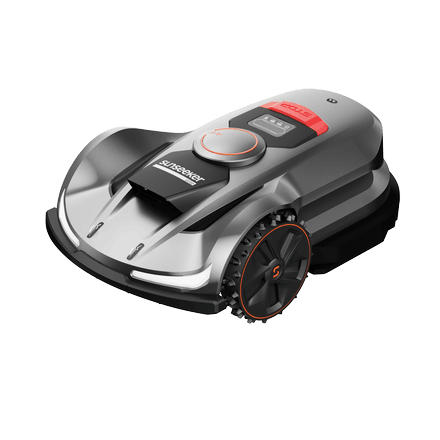
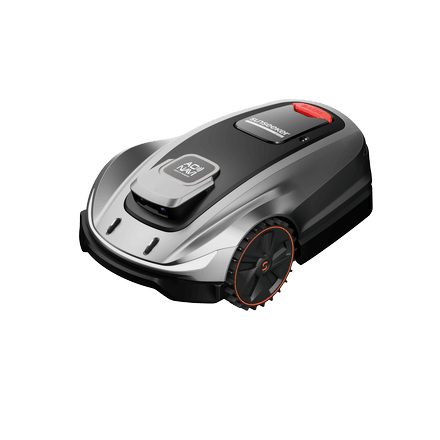
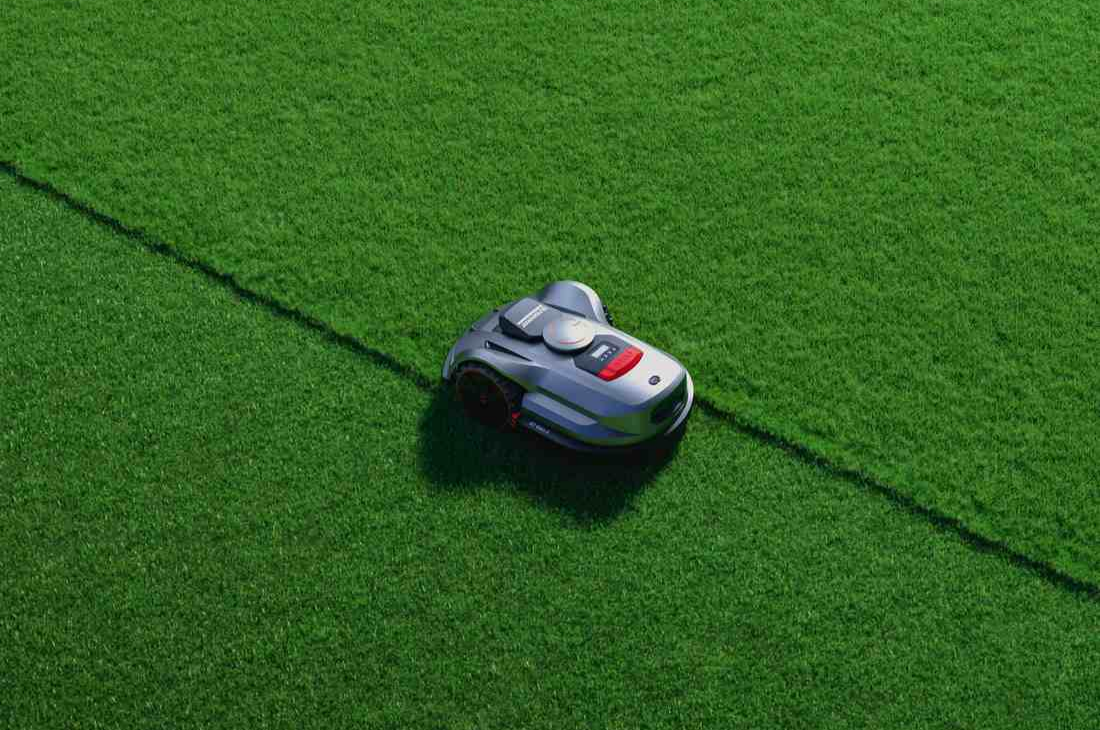
Most fertilizers need watering after application to move nutrients into the soil. Always check the label first, since some formulas (especially weed-and-feed types) have specific timing requirements. If the grass is too long, mow before fertilizing, then wait before mowing again so nutrients can fully absorb into the soil. A robot lawn mower can help to mow the lawn at the proper height without a lot of efforts.
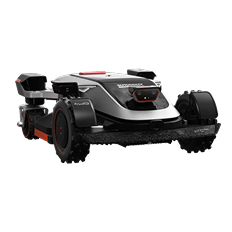
Keeping mowing consistent also matters because fine clippings can return nutrients back to the lawn as they break down. A system like the Sunseeker Elite X7 Gen 2 supports this process by using a dual-disc cutting system with multiple blades that produce a finer, more even cut. The clippings are smaller and distribute more uniformly across the lawn, which helps them decompose faster and contribute back to soil nutrition instead of clumping or being removed.