










FAQs
3/30/2026
Contents
Products
Residential Lawns









Commercial Landscapes
Explore
Where to Buy


Finding the right spot for a mower isn’t just about fitting it somewhere. Space, weather, and accessibility all shape storage decisions, whether it’s a garage corner, a shed, or a simple outdoor cover. Seasonal prep like draining fuel, cleaning, and battery care keeps machines running smoothly and ready for the next mowing session.
Finding a good spot for your lawn mower often gets pushed aside until space runs out or the mower starts to wear down. No matter if you have a full garage, a small shed, or no cover at all, a smart storage setup helps protect it from the weather and keeps it in better shape over time. It also helps your space feel more organized. Below, you’ll find some practical lawn mower storage ideas and seasonal advice to get it sorted.

Before picking a storage solution, it helps to think through a few factors so you choose something that actually works for your space and mower type.
There's no single right answer for every home. These ideas range from simple and budget-friendly to more involved setups worth the investment.
If you're thinking about how to store a lawn mower in the garage, setting aside a dedicated corner is a simple and practical start. Add wall hooks or a pegboard for tools and accessories to keep everything together. It also frees up floor space and keeps the area neat.
For push mowers and lighter models, a ceiling hoist lets you lift the mower off the ground entirely, freeing up floor space for other things. These systems typically use a pulley mechanism and can hold several hundred pounds when properly anchored to ceiling joists.
A small outdoor shed, even a prefab resin model, gives your mower its own protected space separate from the main garage. This is one of the most popular outdoor storage for lawn mower solutions because it keeps fuel smells and mud out of living spaces while still providing weatherproof shelter.
Some push mowers can be stored vertically on specially designed wall brackets, tilting the deck up and securing the handle to the wall. This dramatically reduces the footprint and is one of the more clever lawn mower storage ideas for tight garages.
If covered storage isn't an option, a high-quality waterproof cover designed specifically for mowers is your next best defense. Look for UV-resistant materials with ventilation panels to prevent moisture buildup underneath, which is important for outdoor lawn mower storage in humid climates.
A lean-to attached to your garage or fence provides shade and rain coverage without requiring a full shed build. This works well for how to store lawn mower outdoors on a budget, as the structure keeps the worst of the elements off while remaining easy to access.
In homes with walk-out basements or wide interior stairwells, the basement can be a surprisingly practical option. It stays cool and dry, protects against freezing, and keeps the mower out of the way during winter. Just make sure to drain or stabilize any fuel first.
Rather than moving the mower to make shelving work, build shelving around the mower's designated spot. Adjustable metal shelving units on either side of your parking space keep the mower accessible while storing fuel cans, gloves, and other lawn care gear within reach.
For push mowers, some homeowners use reinforced attic pull-down systems to store equipment above the garage. It's not for everyone, as weight limits and access angles need to be factored in, but it completely clears the garage floor.
If you have a garden area, a small storage nook built into a fence corner or retaining wall can house a push mower neatly. Paired with a weatherproof door and drainage-friendly flooring like gravel, this becomes a practical built-in outdoor storage for lawn mower that blends into the yard.
Temporary canopy tents designed for vehicles work equally well for riding mowers and zero-turn models. They're UV-treated, easy to set up, and collapsible for off-season storage. This is a solid option when you need outdoor lawn mower storage without committing to permanent construction.
Designating a specific parking zone in the garage, marked with floor tape or rubber mats, and pairing it with a nearby tool tower keeps the mower from slowly migrating into general clutter. Simple but effective for anyone storing a lawn mower in the garage long-term.
Bags, blades, and seasonal attachments take up more room than people expect. Storing them on a separate labeled shelf or bin, near but not under the mower, makes maintenance easier and reduces the chance of tripping hazards around the machine.
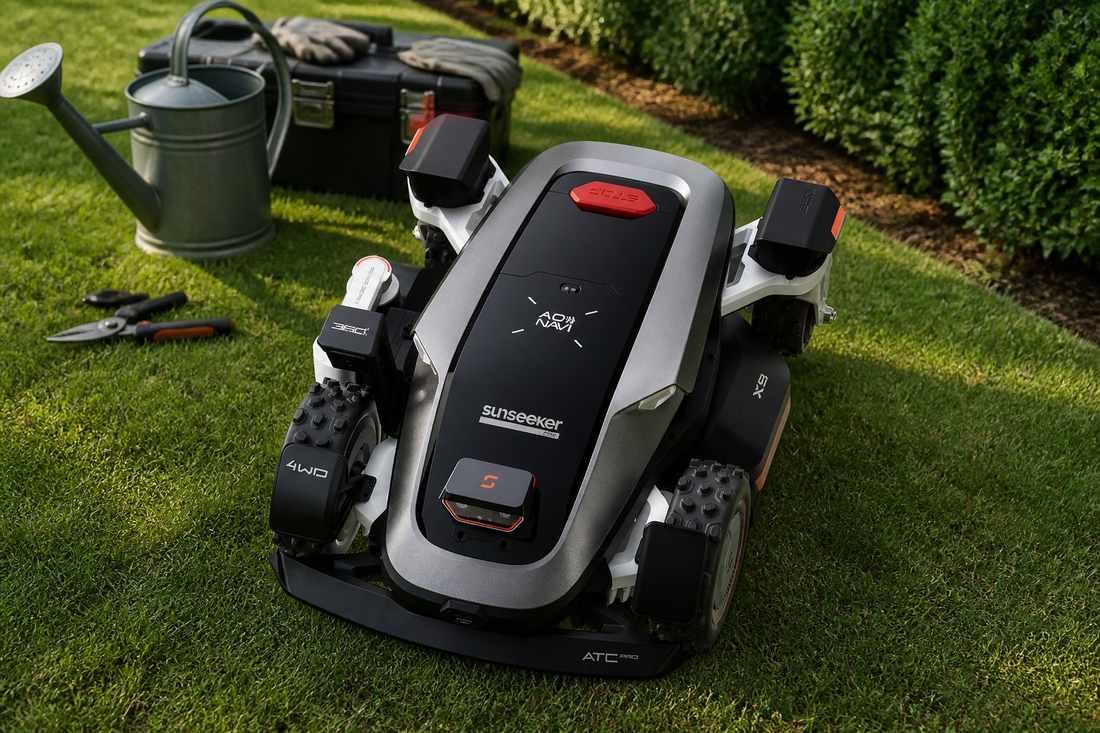
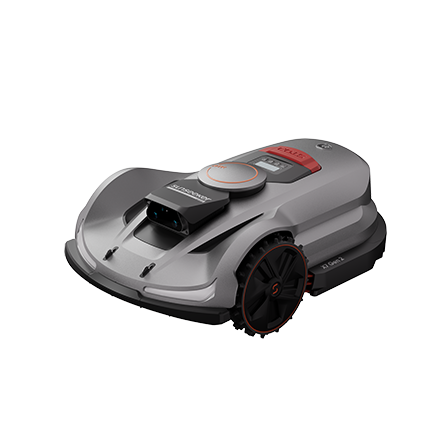
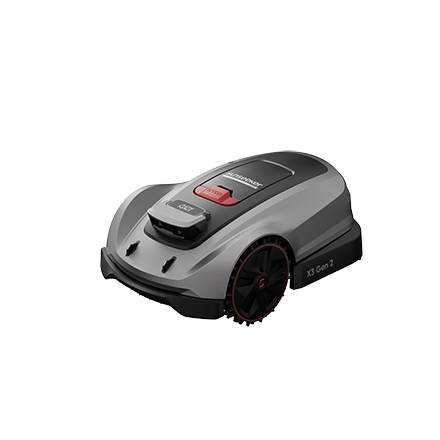
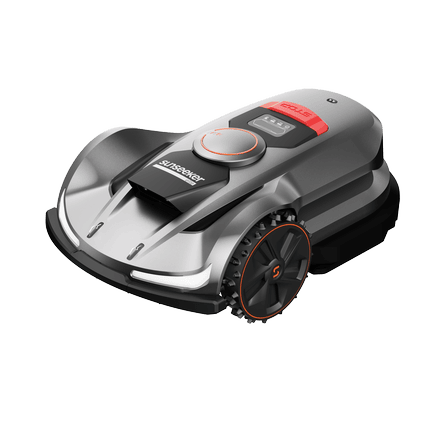
If finding space for a mower keeps being a hassle, switching to a robotic mower can simplify things. Models like the Sunseeker Elite X4 handle mowing on their own and return to a small docking station when done. The dock takes up very little space and also handles charging, so you don’t need to set aside extra storage.

When considering “what is a good lawn mower” for long-term ownership, storage requirements are an important part of the answer. Good storage habits go beyond just picking the right spot. A few seasonal routines make a real difference in how well your mower performs year after year.
1.Clean before storing. Grass clippings trapped under the deck hold moisture and accelerate rust. After the last mow of the season, scrape the deck clean, wipe down metal surfaces, and let everything dry before putting the mower away.
2.Check oil and replace if needed.Old oil left sitting over winter can break down and cause engine issues. Changing the oil before long-term storage is a quick task that pays off in spring.
3.Disconnect the battery on electric and battery-powered mowers if storing for more than a month. Store the battery indoors in a cool, dry place, not in an unheated garage where temperatures can drop below freezing.
4.Sharpen the blade before lawn mower winter storage. Removing and sharpening the blade so it's ready to go when the season starts makes a noticeable difference in cut quality and reduces strain on the engine.
The right lawn mower storage setup depends on your available space, climate, and how much you want to invest. From simple weatherproof covers and wall brackets to dedicated sheds and robotic mowers with self-docking stations, there's a workable option at every level. The key is picking a storage solution you'll actually use consistently, because even the best lawn mower needs proper protection to remain reliable year after year.
Yes, storing a lawn mower in a shed is a smart and practical choice. It protects the mower from rain, sun, and cold weather that can cause damage over time. Just make sure the shed has good ventilation, especially for gas mowers, so fuel fumes don’t build up inside.
If you don’t have a shed, you can still store a lawn mower outside with the right protection. A heavy-duty waterproof cover works well, especially one with UV protection and some ventilation to reduce moisture buildup. Keep the mower off the ground using a mat or pallet to avoid dampness.
The best way to store a lawn mower is to keep it in a covered, well-ventilated space and take a little time to prepare it first. Cleaning the deck, managing the fuel, and checking the oil help keep it in good condition. For electric models, disconnecting the battery is also a smart step.
You can store a lawn mower outside in winter, but it’s not ideal. Freezing temperatures can damage parts and affect performance. If needed, drain the fuel, remove the battery, and store it indoors. Use a heavy-duty cover and place the mower under a canopy or lean-to for better protection from snow and ice.