



FAQs
5/13/2026
Contents
Products
Residential Lawns






Commercial Landscapes
Explore
Where to Buy


The best mowing height depends on grass type, season, and growing conditions. Cool-season grasses usually do better a little taller, while warm-season grasses often handle shorter cuts. Cutting too low can weaken roots, dry out the soil, and invite weeds, so the one-third rule is still the safest guide for routine mowing.
Many homeowners are unsure about the best height to mow grass. Some think cutting it shorter means less mowing, while others worry that leaving it too long will look messy. In reality, mowing at the wrong height can weaken your lawn and cause more problems than it solves. So, how high should I mow my lawn? This guide covers everything you need to know. You’ll learn why grass mowing height matters, recommended heights for cool-season and warm-season grasses, and how to keep your lawn thriving with minimal effort.
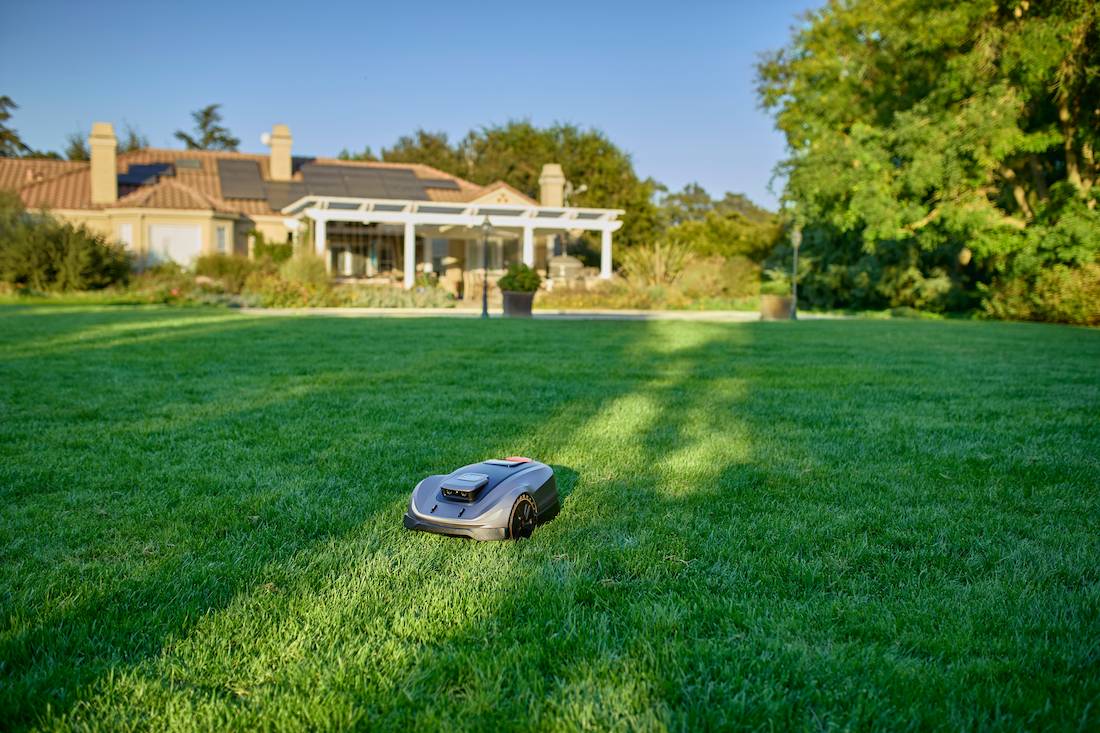
The height to mow lawn might seem like a small detail, but it has a big impact on overall lawn health. Here’s why grass mowing height matters:
The right grass mowing height depends primarily on whether you have cool-season or warm-season grass, plus your local climate and season. If you still don’t know what height to mow lawn, here’s a brief chart based on general recommendations.
|
Grass Type |
Recommended Mowing Height (cm) |
Mow When Grass Reaches (cm) |
|
Tall Fescue (Cool) |
8–10 cm |
11–15 cm |
|
Kentucky Bluegrass (Cool) |
6–9 cm |
10–13 cm |
|
Perennial Ryegrass (Cool) |
6–9 cm |
10–13 cm |
|
Fine Fescue (Cool) |
6–10 cm |
10–15 cm |
|
Bermuda (Warm) |
4–6 cm |
6–10 cm |
|
Zoysia (Warm) |
4–6 cm |
6–10 cm |
|
St. Augustine (Warm) |
6–10 cm |
10–15 cm |
|
Centipede (Warm) |
4–5 cm |
6–8 cm |
Cool-season grasses thrive in temperatures between 16–24°C (spring and fall) and go dormant or slow in extreme summer heat. The best height to mow grass for these types is generally 8–10 cm, with many experts recommending the higher end during hot summers to conserve moisture and promote deeper roots.
If you are not sure how high to mow grass for cool-season lawns, here’s a closer look:
When deciding when to mow new grass, consider both the grass variety and its stage of establishment. Warm-season grasses grow most actively when temperatures rise above 24–29°C and generally become dormant in winter. Once the new grass is firmly rooted and tall enough for its first trim, maintain a mowing height of approximately 4–8 cm, as these varieties usually perform best with shorter cuts than cool-season grasses.
Here’s how high to mow lawn for common warm-season grasses:
Seasonal shifts in temperature, rainfall, and growth rate mean your mowing strategy should adapt throughout the year. Here’s how short to mow grass based on each season to keep your lawn healthy and resilient.
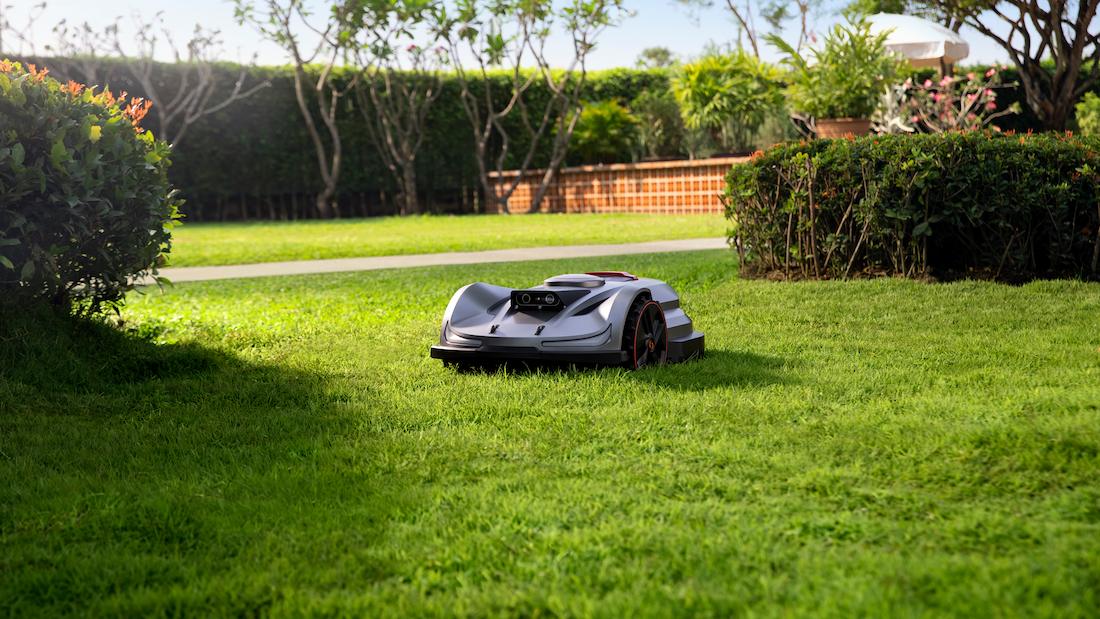
Aside from maintaining the best grass mowing height, there are a few essential practices that help build a thick, self-sustaining lawn. Here are some proven habits to follow.
Never remove more than one-third of the grass blade in a single mowing session. If your lawn becomes too long, gradually reduce the height over multiple cuts to prevent stress and promote healthy regrowth.
Sharp mower blades ensure clean, precise cuts, while dull blades tear the grass and cause brown tips. Regular sharpening helps reduce disease risk and keeps your lawn looking neat, healthy, and well-maintained.
Grasscycling returns valuable nutrients like nitrogen and moisture back into the soil, acting as a natural fertilizer. This supports stronger growth, improves soil health, and helps maintain a lush, green lawn over time.
Mowing wet grass can lead to clumping, uneven cuts, and increased risk of fungal diseases. Always mow when the lawn is dry to achieve a cleaner cut and promote healthier, more even growth.
Factors like sunlight exposure, soil quality, foot traffic, and hardscape features can affect how evenly your lawn grows. If your yard includes patios, paths, or stepping stones, learning how to mow grass around pavers can help you avoid scalping the edges or damaging your mower blade. Raise the cutting deck slightly near uneven surfaces, guide the mower carefully along the border, and use a string trimmer to finish any narrow gaps.
A robotic mower can maintain the perfect height automatically with minimal effort. It keeps your lawn evenly trimmed on a regular schedule, preventing overgrowth or scalping and helping you consistently achieve the ideal mowing height.
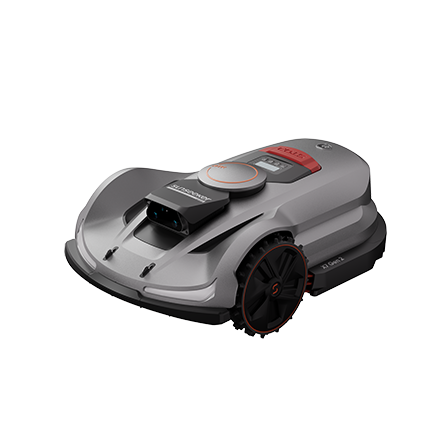
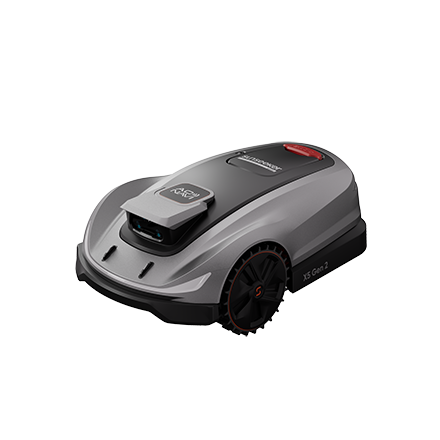
If you are looking for reliable options that combine precision and consistent results, the Sunseeker Elite X5 can maintain the best height for mowing lawn effortlessly. Its floating cutting disc automatically adapts to lawn contours, delivering a smooth and even cut every time. With an adjustable cutting height range of 20-60 mm via a smart app, you can easily set and maintain the ideal grass mowing height. Paired with precise scheduling and dependable performance, it keeps your lawn healthy with minimal hands-on effort.
For larger lawns or more demanding terrain, the Sunseeker Elite X7 offers even greater control and flexibility. It delivers exceptional consistency in mowing height management, thanks to its dual floating cutting discs and electronic height adjustment (20-100 mm) via the app. This allows you to fine-tune the best height for mowing lawn across different seasons and grass types. Combined with advanced AI navigation and all-wheel drive, it handles slopes and uneven ground with ease, ensuring a clean, even finish while promoting stronger turf.
What height to mow the grass? The best height to mow grass depends on your grass type, season, and local growing conditions. In general, keeping grass slightly taller in summer and a bit shorter in cooler months helps create a healthier, more resilient lawn overall. If you want to make lawn care even easier and more precise, consider upgrading to a Sunseeker’s smart robotic mower. With flexible height adjustment and consistent cutting performance, they help you maintain the ideal lawn height effortlessly. Your grass will always look its best with minimal work!
The healthiest height to cut grass depends on the type: 8–10 cm for most cool-season grasses and 4–8 cm for warm-season varieties. Taller cuts within the recommended range promote deeper roots, better moisture retention, and natural weed control. Meanwhile, always avoid removing more than one-third of the blade to prevent stress.
No, 100 mm is not too high for many cool-season grasses like tall fescue or Kentucky bluegrass, especially during summer. This height helps shade the soil, reduces water loss, and improves resistance to heat stress and weeds. Warm-season grasses may prefer slightly lower cuts, but 100 mm can still work well for varieties like St. Augustine, particularly in hot conditions.
In October (fall), it’s best to maintain normal mowing heights for most of the month, then slightly lower the final cut before frost arrives, around 50-60 mm for cool-season grasses and 40-50 mm for warm-season types. This helps prepare the lawn for winter by reducing matting and disease risks.