

FAQs
4/3/2026
Contents
Products
Residential Lawns


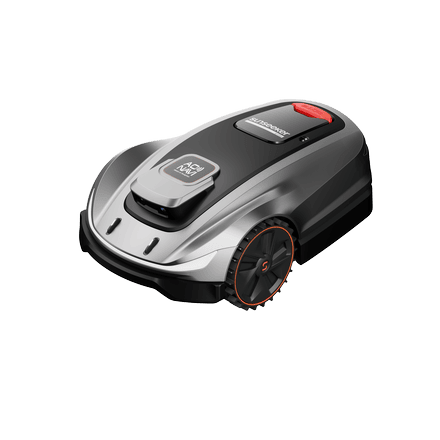
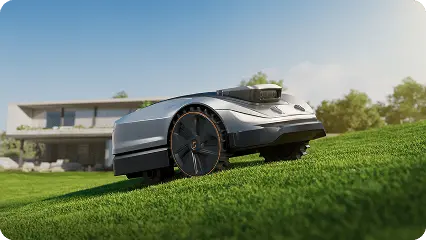
Commercial Landscapes
Explore
Where to Buy


Lawn mowing carries real risks, from flying debris to powerful blades. Checking equipment, clearing obstacles, wearing sturdy gear, and staying focused on slopes and surroundings drastically lowers accidents. Safe fuel handling, proper maintenance, and mindful storage also play key roles. Autonomous robotic mowers further reduce direct contact with hazards.
Keeping your lawn neat feels great, but mowing comes with real risks. Lawn mowers use fast-moving blades, and even a small mistake can lead to serious injury.
Many accidents happen from rushing or not paying attention. A simple safety check and staying focused while mowing can help keep you and your family safe. In this guide, we’ll walk through a lawn mower safety checklist, easy safety tips and how newer tools are making lawn care safer. Read on!

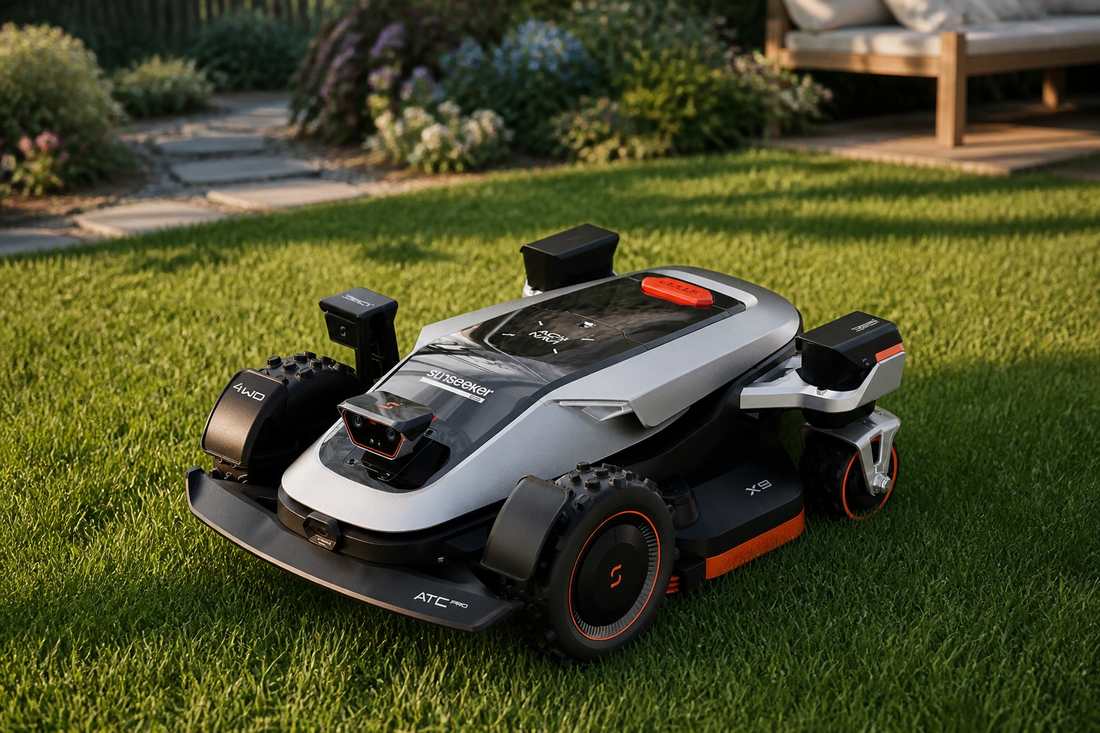
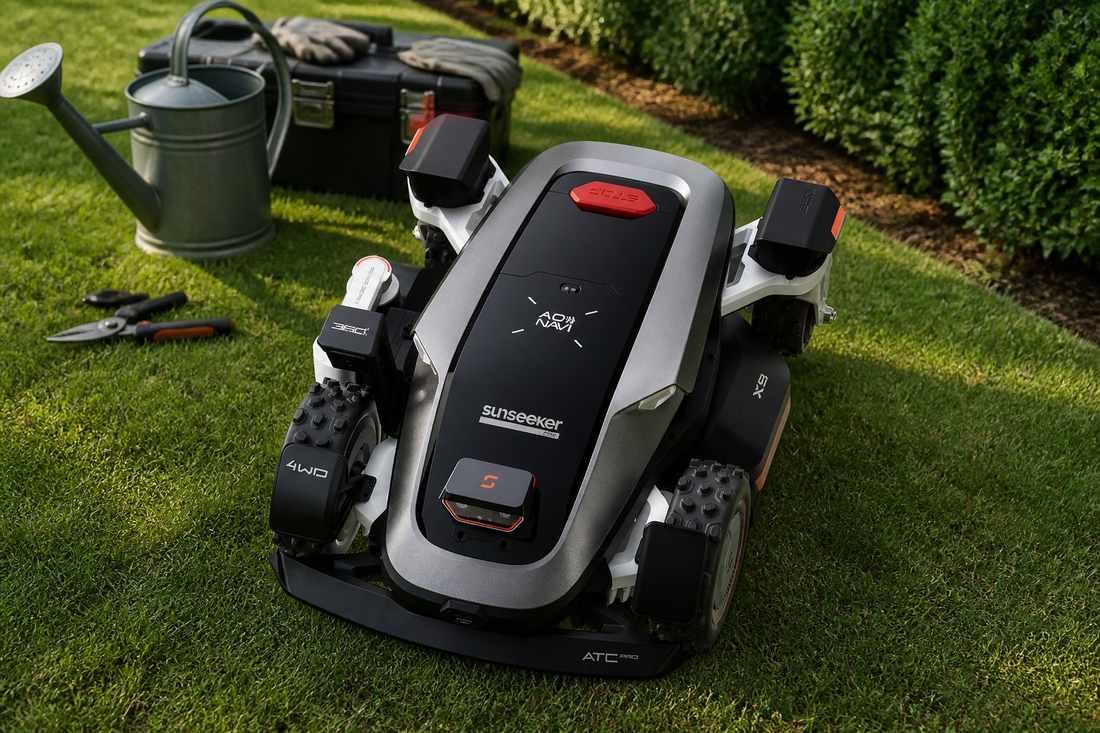
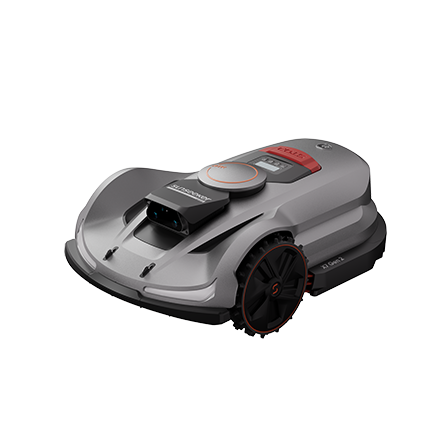
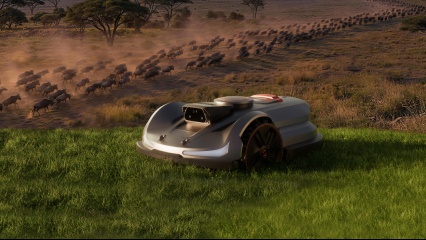
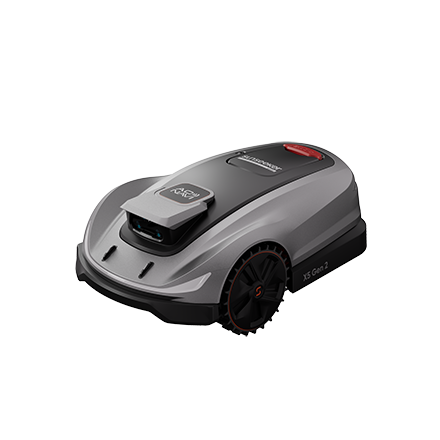
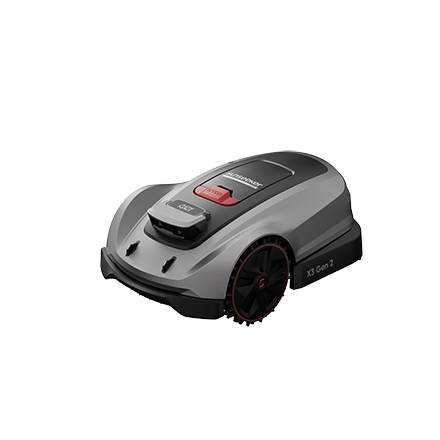
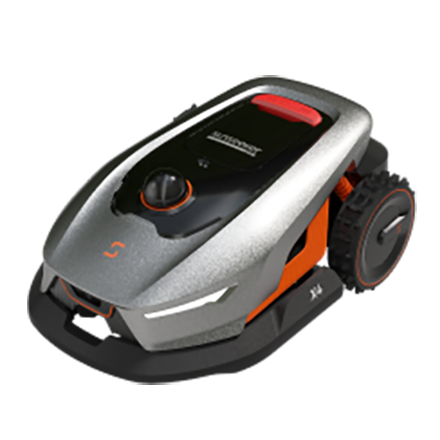
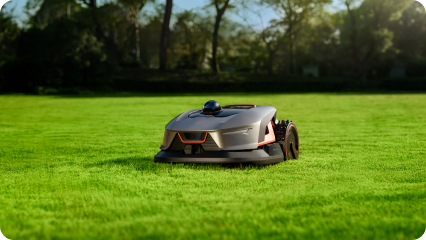
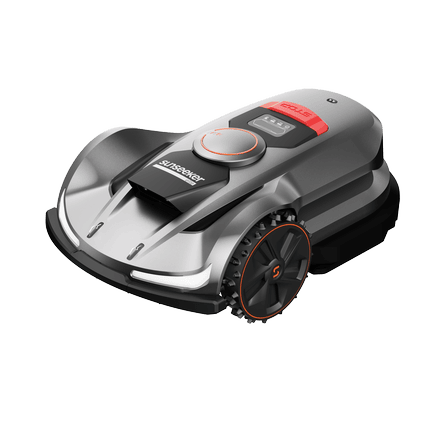
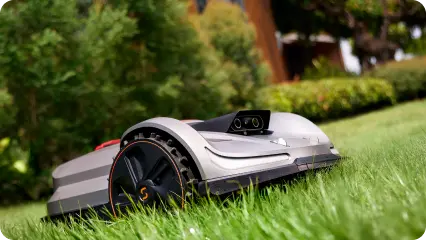
If you are wondering what is a good lawn mower for reducing hands-on safety risks, the following two robotic models show how autonomous mowing works in real use.
The medical reality of mower accidents is staggering. According to the American Academy of Orthopaedic Surgeons (AAOS), in 2017 alone, more than 253,000 people were treated for lawn mower-related injuries, with children under 19 accounting for over 10,000 of those cases. These are not simple garden tools; they are high-powered machines capable of causing deep cuts, loss of fingers and toes, and broken bones.
Safety begins long before you pull the starter cord or engage the ignition. A thorough inspection of both your equipment and your environment is your primary defense against mechanical failure and external hazards.
To prevent these scenarios, your pre-mowing routine should include:
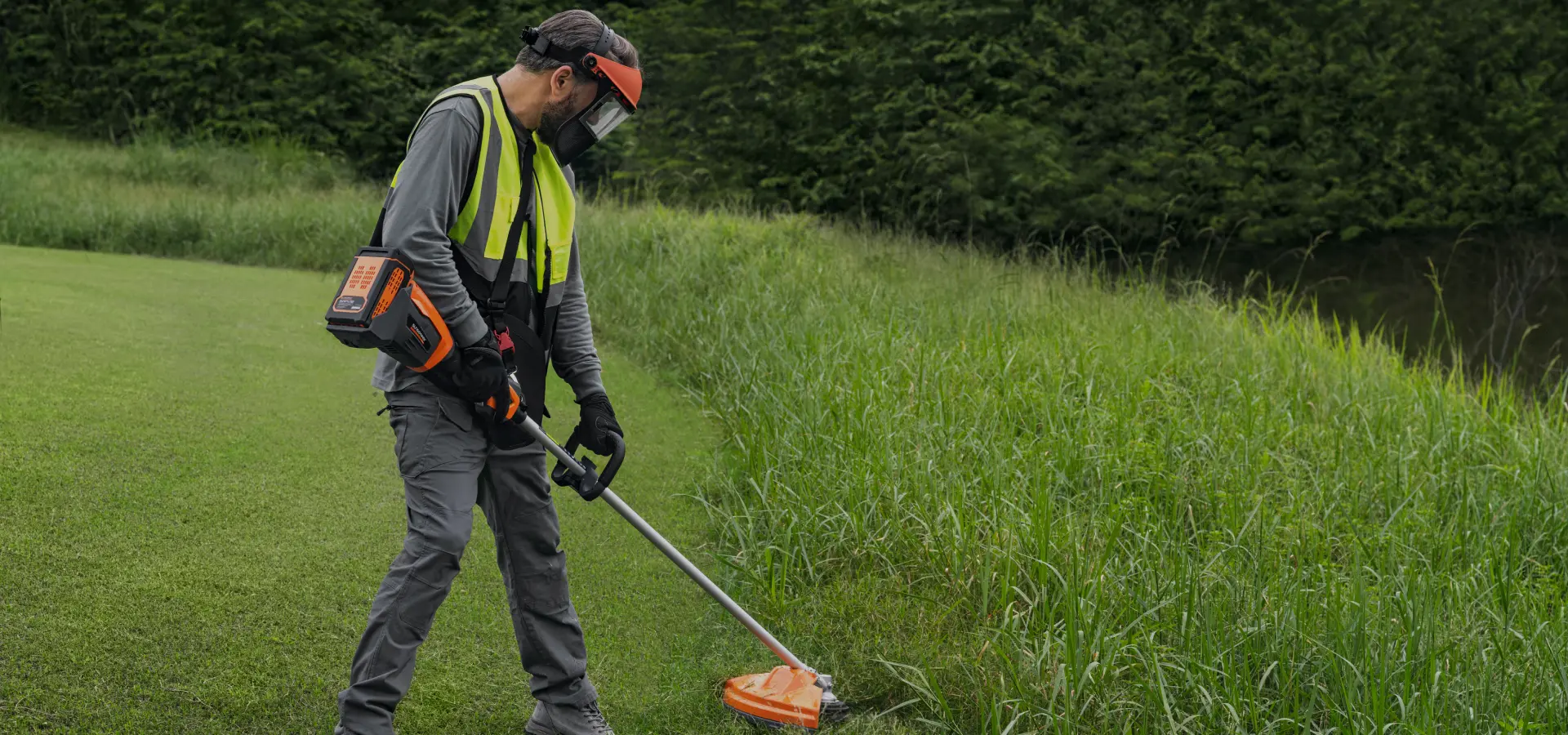
Proper personal protective equipment and safe clothing reduce risk. The essential gear outlined next helps ensure consistent protection.
Before starting, you may wonder, “what time can I legally mow my lawn?” Permitted mowing hours vary according to local noise ordinances, so check your city or homeowners association rules before operating the mower. Once the mower is running, keep your full attention on what’s ahead. Staying focused helps prevent accidents and keeps everyone around you safe.
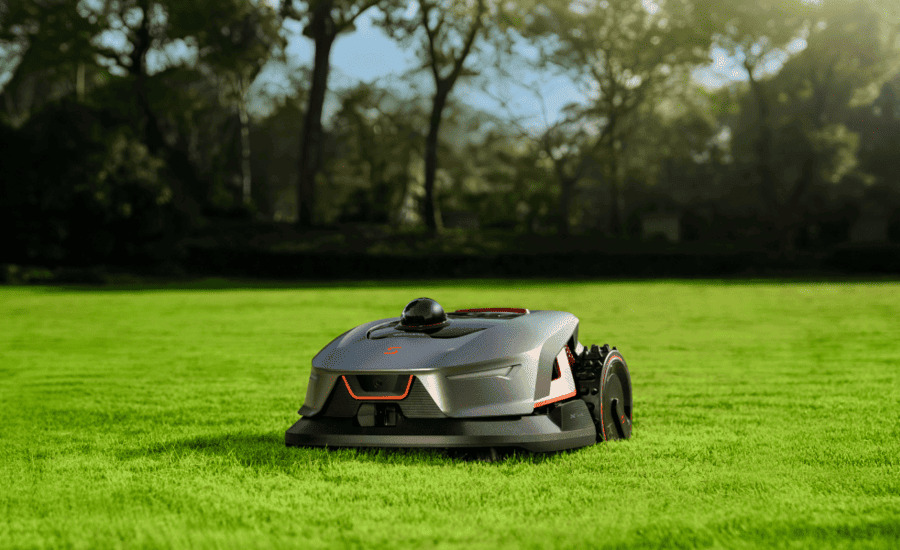
The mechanical side of mowing introduces risks of fire, chemical burns, and sudden mechanical "kickbacks." A few simple habits here can help you stay safe and avoid trouble.
Safety protocols should continue until the mower is locked away. Follow these simple steps.
The biggest safety problem with a traditional mower is simple. You stay close to a fast-moving machine with exposed cutting parts. That raises the chance of injury, especially when something gets missed or the ground is uneven.
A robot mower lowers that risk in a clear way. The machine runs on its own, and you stay away from the blades. No need to guide it step by step, and no need to stay in the cutting area while it works.
Let’s look at two examples that show how this works in real use.
The Sunseeker Elite X4 focuses on seeing and reacting in real time. It keeps checking the area as it moves and adjusts right away when something changes.
The Sunseeker Elite X7 Plus Gen 2 suits larger or more complex lawns. It focuses on accurate movement and stable control.
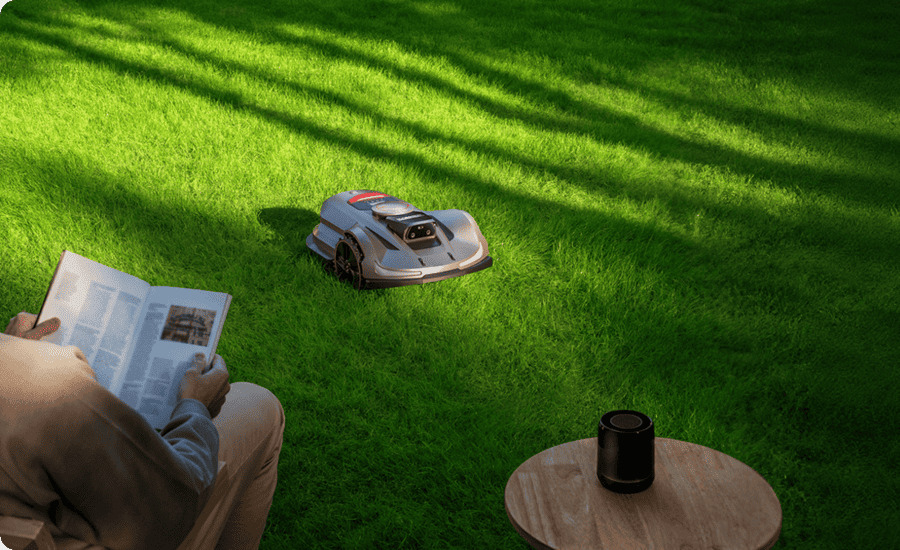
A beautiful lawn should be a source of joy, not a safety hazard. By strictly adhering to a lawn mower safety checklist, investing in high-quality PPE, and maintaining your equipment, you can significantly reduce the risk of injury.
However, the most effective safety measure is often to remove the risk entirely. Transitioning to advanced autonomous technology, such as the Sunseeker Elite series, allows you to maintain a professional-grade lawn with zero physical risk to yourself or your family. If you are ready to put down the starter cord and embrace a safer, smarter way to mow, explore our full range of robotic solutions today.
Clear the yard of debris, wear PPE (sturdy boots and goggles), and never mow wet grass. Always shut off the engine and disconnect the spark plug before clearing clogs or performing maintenance.
Most injuries fall into a few clear groups. Cuts to hands or feet from the blades happen often and can be very serious. Eye injuries are also common, usually caused by small objects thrown out while mowing. Riding mowers bring another risk, including tip-overs and back-over accidents, which often involve children.
Per the AAP, children should be at least 12 years old for walk-behind mowers and 16 years old for riding mowers, depending on their physical strength and maturity.