







FAQs
5/28/2026
Contents
Products
Residential Lawns






Commercial Landscapes
Explore
Where to Buy


Getting rid of an old lawn mower depends on its condition. A working mower can often be sold, donated, traded in, or given away, while a broken one may need recycling, scrap metal disposal, junk removal, or local bulk pickup. Before handing it over, drain the fuel and oil, remove the battery, and make the blade safe.
Lawn mower disposal isn't as simple as dragging the machine to the curb. Most areas have rules against leaving gas-powered equipment out with regular trash, and even electric mowers can't always go in the recycling bin. The good news is there are plenty of legitimate options, whether the mower still runs or has completely given up. This guide covers how to dispose of old lawn mower the right way, what to do before you hand it off, and where to take it depending on its condition.
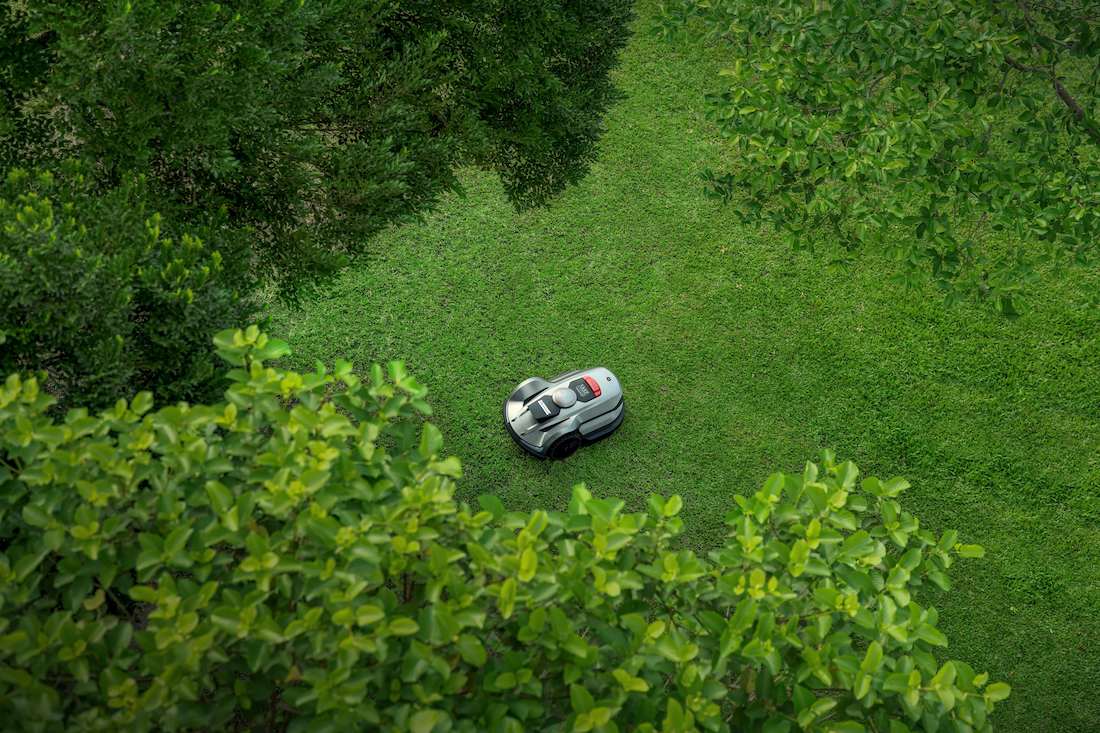
There are more options in dispose of a lawn mower. The right one depends on whether the mower still works and how much effort you want to put in.
If the lawn mower still runs, selling it is the most straightforward way to get it out of your garage while recovering some value. Facebook Marketplace, Craigslist, and Nextdoor are the fastest channels for local sales. Even a mower that needs minor repairs can sell if you price it honestly and describe the condition accurately. Take a few clear photos, note the brand and model, and be upfront about any issues.
A working mower in reasonable condition can go to organizations that will put it back to use. Habitat for Humanity ReStores accept lawn equipment and resell it to fund housing projects. Local community gardens, churches, and nonprofits that maintain outdoor spaces often need mowers and will pick one up for free. Call ahead to confirm they accept equipment in the mower's current condition before making the trip.
Some retailers offer trade-in programs when you buy a new mower. Home Depot and Lowe's have run seasonal trade-in promotions where you bring in an old gas mower and receive a discount on a new electric or battery model. Check with local dealers as well, since independent equipment retailers sometimes offer credit toward a new purchase.
If selling or donating feels like too much effort, giving it away is the next fastest option. Post it on Facebook Marketplace or Craigslist marked as free and it will usually disappear within a day. Nextdoor is also effective since it reaches neighbors who are already familiar with your area.
Recycling a lawn mower is one of the most responsible disposal options, especially for mowers that no longer run. Steel, aluminum, and cast iron components all have recycling value. Many municipal recycling centers accept lawn equipment, either for free or for a small fee. Call ahead to confirm they accept gas-powered equipment and ask whether you need to drain fluids first, since most facilities require it.
Scrap metal yards buy old metal by weight, and a lawn mower has enough steel and aluminum to be worth a small payout. Prices fluctuate with commodity markets, but a full-size push mower can bring anywhere from a few euros to around €20 depending on current scrap rates and the mower's weight. Strip off any plastic components before you go, since most yards pay only for metal.
If the mower is large or you don't have a vehicle to transport it, a junk removal service handles the job for a fee. Companies like 1-800-GOT-JUNK and LoadUp will pick up a mower from your property and take it to an appropriate disposal or recycling facility. It's the most convenient option if you have multiple items to get rid of at the same time.
Many cities and counties offer bulk item pickup on a scheduled basis or by appointment. Mower disposal through a municipal program is often free for residents, though gas-powered equipment may need to have fluids drained beforehand. Check your local waste management website or call the city's sanitation department to find out the rules in your area and when the next pickup date is.
A mower that doesn't run as a whole unit can still have valuable parts. Engines, carburetors, wheels, blades, and decks are all things other owners search for. List the mower on eBay or Craigslist as "for parts" and let buyers pick what they need. This takes more time than other options but can return more money than scrapping the whole unit.
Some manufacturers have take-back or recycling programs for their own equipment. This is more common with electric and battery-powered brands than with gas mower manufacturers. A quick search for your brand name and "recycling program" or "take-back program" will tell you whether the option exists.
No matter which disposal method you choose, a few preparation steps are required by most facilities and protect whoever handles the mower after you.
Gasoline is a hazardous material and can't go with the mower to most disposal facilities. Run the engine until it stalls from an empty tank, or use a hand pump to remove as much fuel as possible from the tank. Leftover fuel should be taken to a local hazardous waste facility, not poured down a drain or onto the ground.
Used engine oil needs to stay out of the waste stream. Tip the mower carefully and drain the oil into a sealed container, then bring it to an auto parts store or oil recycling drop-off. Many AutoZone, O'Reilly, and Advance Auto Parts locations accept used oil for free.
If the mower is battery-powered, remove the battery before disposal. Lithium-ion and lead-acid batteries both require separate recycling and can't go to a landfill. Most hardware stores and battery retailers accept used batteries for recycling at no charge.
If you're scrapping the mower or sending it to a recycling center, removing the blade first makes handling safer for whoever processes it. Wrap the blade in cardboard or newspaper before disposing of it separately.
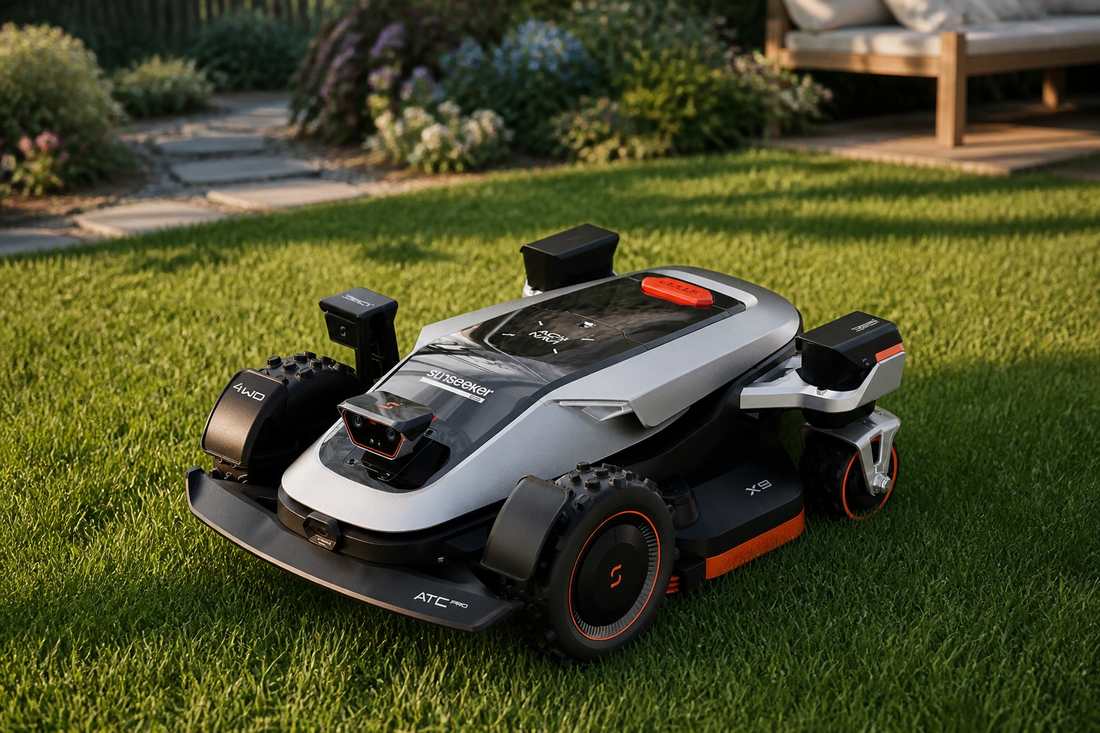
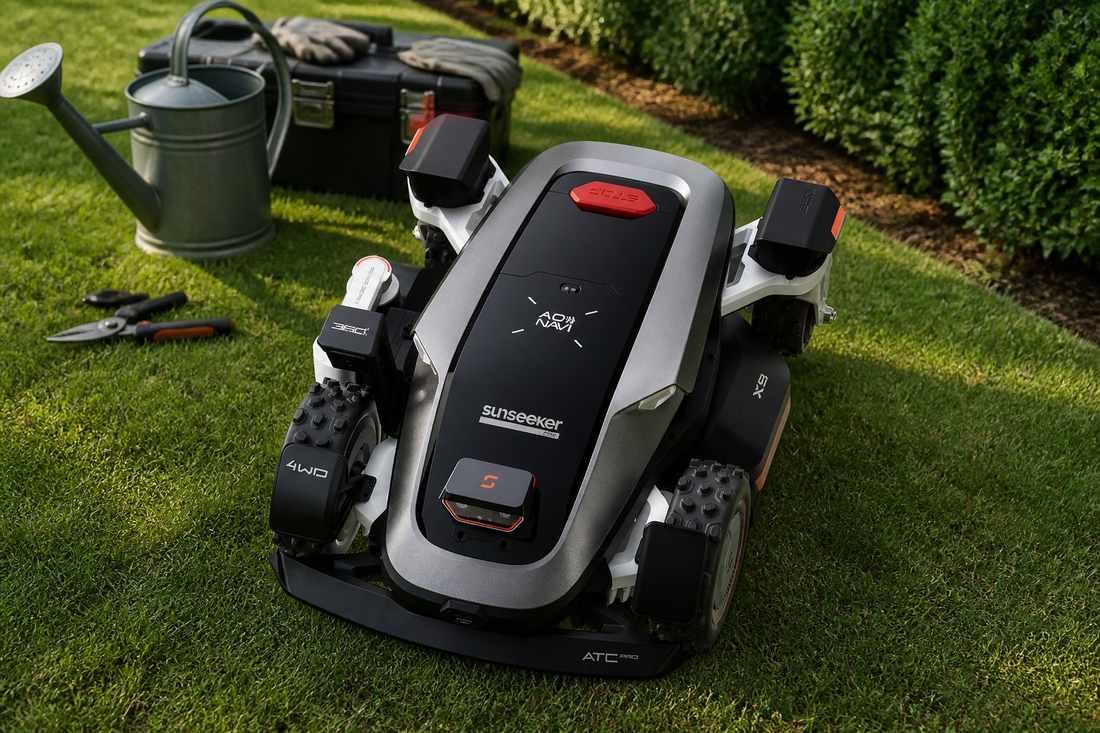
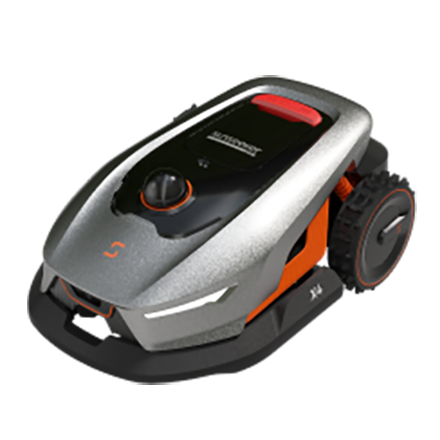
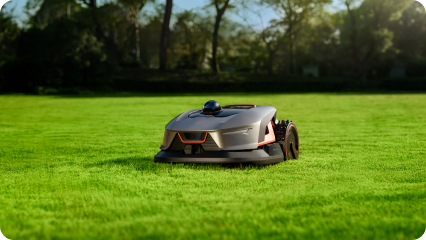
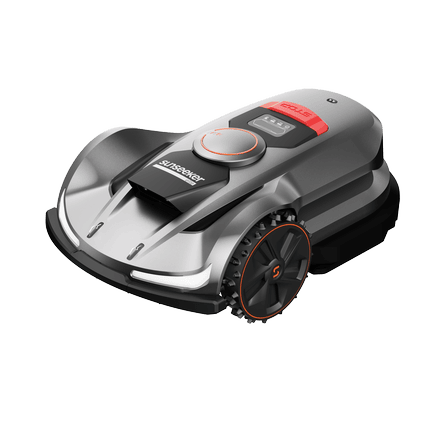
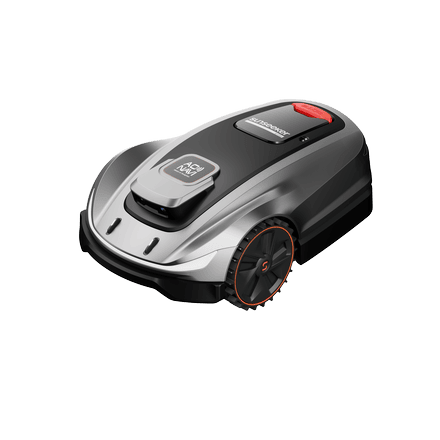
Even the best lawn mower will eventually reach the end of its service life, making this a good time to upgrade to a cleaner and easier option. Robotic mowers like the Sunseeker Elite X5 can mow on a set schedule without fuel, oil changes, or engine maintenance, helping you avoid many of the problems that wear gas mowers down in the first place.
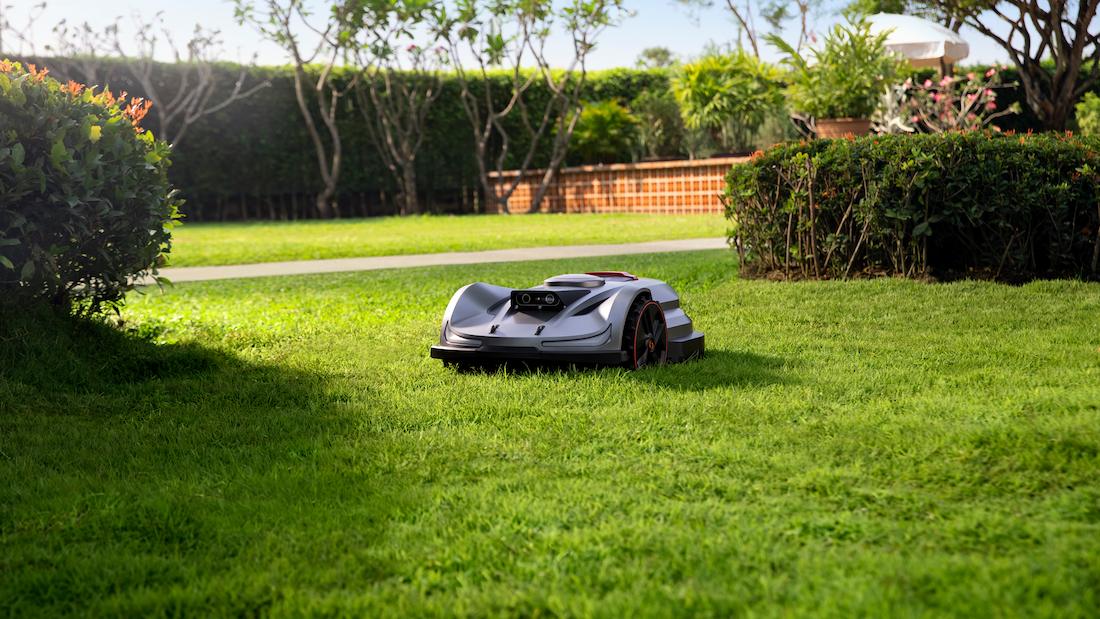
How to get rid of a lawn mower comes down to its condition and how much effort you want to put in. Working mowers can be sold, donated, traded in, or given away. Non-working ones can go to a scrap yard, recycling center, or municipal bulk pickup. Drain the fuel and oil before any of these options since most facilities require it.
If you are also wondering, “what is a good lawn mower” for replacing your old machine, it is worth considering a low-maintenance alternative. The Sunseeker Elite X7 runs autonomously on a set schedule with no fuel or engine servicing needed, covering up to 6,000 m² per session.
A broken lawn mower that no longer runs has several disposal paths. A scrap metal yard will take it for its metal value after you remove plastic components. A municipal bulk pickup or junk removal service will haul it away without requiring it to run. You can also list it on Craigslist or eBay as "for parts," since engines, blades, and carburetors are often still usable even when the mower as a whole isn't. Drain the fuel and oil before any of these options since most facilities require it and it prevents spills during transport.
To scrap a lawn mower, start by draining the fuel and oil completely. Remove the blade and any large plastic components like the grass catcher, hood, and side panels, since scrap yards typically pay only for metal. Call your local scrap yard ahead of time to confirm they accept lawn equipment and ask about current pricing per pound. Bring the metal components in and you'll receive payment based on weight and current scrap metal rates. Steel and cast iron components are worth less per pound than aluminum, so knowing roughly what your mower is made of helps you set realistic expectations.
Yes, riding lawn mowers can be donated, though finding the right recipient takes more effort than donating a push mower. Habitat for Humanity ReStores accept riding mowers in working condition. Rural churches, community farms, and volunteer fire departments that maintain large grounds sometimes accept donated equipment as well. Be upfront about the mower's condition when you call, since some organizations only accept equipment that is ready to use. For a non-working riding mower, a scrap yard or junk removal service is a more practical route than donation.