












FAQs
5/13/2026
Contents
Products
Residential Lawns








Commercial Landscapes
Explore
Where to Buy


A mower battery usually needs replacing when starts become slow, power drops, corrosion appears, or the battery will not hold charge. Safe installation starts with the mower off, the key removed, and the old battery disconnected in the right order. Clean terminals, correct cable placement, and a secure hold-down help the new battery work reliably for longer.
Installing a failing mower battery is not that difficult. You can manage it by yourself. This also reduces service costs. What matters is handling the process correctly to avoid wiring issues or short circuits. From identifying when replacement is needed to completing the installation, this guide fully explains how to install a lawn mower battery. It also covers common problems and basic maintenance tips. Scroll down to learn how to keep the new battery working longer.

Batteries do not last indefinitely. They typically last for 2-4 years. Then, performance tends to decline after repeated charge cycles and seasonal storage. There are a few warning signs that appear before they fail. Recognizing these signs helps decide if changing a lawn mower battery is necessary.
Before installing a lawn mower battery, gather these basic tools to ensure the process remains efficient and safe.
Installing a lawn mower battery includes both removal and installation. Following the correct sequence is vital for your safety and the health of the mower’s electrical system.
Park the mower on a flat, level surface and engage the parking brake. Turn off the mower and remove the key. This ensures no electrical current flows during the process and prevents accidental starts.
Wear your safety gear before opening the battery compartment. The battery is usually under the seat or hood. Locate it, open the panel carefully, and secure it in place. If there is a protective cover or a hold-down strap, use your wrench to remove the hardware and set it aside.
You should know how to remove the battery from a lawn mower safely. Disconnect the negative (black) cable first, followed by the positive (red). This order reduces the risk of short circuits. Finally, lift the old battery out of the tray. Some batteries are heavier than expected. Steady handling helps avoid spills or drops.
A clean contact point ensures the new battery can deliver full power to the starter. Examine the cable connectors for rust or corrosion. Use a wire brush to scrub them until the metal is bright and clean.
Place the new battery into the tray, ensuring it is oriented correctly. The positive and negative terminals on the battery must align with the corresponding cables in the mower. Incorrect placement can cause cable tension or misconnection.
Installation is the reverse of removal. Connect the positive (red) cable first and tighten the bolt. Then, connect the negative (black) cable. Avoid over-tightening, or it may damage terminals. Applying a small amount of terminal protector spray at this stage can prevent future corrosion.
Replace the hold-down bracket or strap to ensure the battery does not vibrate during operation. Close the compartment and start the engine to verify the installation was successful.
Even after changing a lawn mower battery, you may encounter starting difficulties. Most are linked to the connection or battery condition. Here are common issues and how to resolve them.
Check terminal connections. Loose or reversed cables are common causes.
If the mower has no power at all, inspect the fuse and wiring. A loose connection prevents the circuit from closing.
This may result from overcharging or internal battery damage. Replacing the battery is often the safest option.
This may indicate a faulty battery or an electrical draw from the mower. Testing with a charger can help isolate the issue.
This suggests exposure to moisture or residue left during cleaning. Applying a terminal protectant can help.
Battery maintenance affects both performance and replacement frequency. Here are proper maintenance tips that help extend the lifespan of your battery. Keeping them in mind can reduce the frequency of installing a new lawn mower battery.
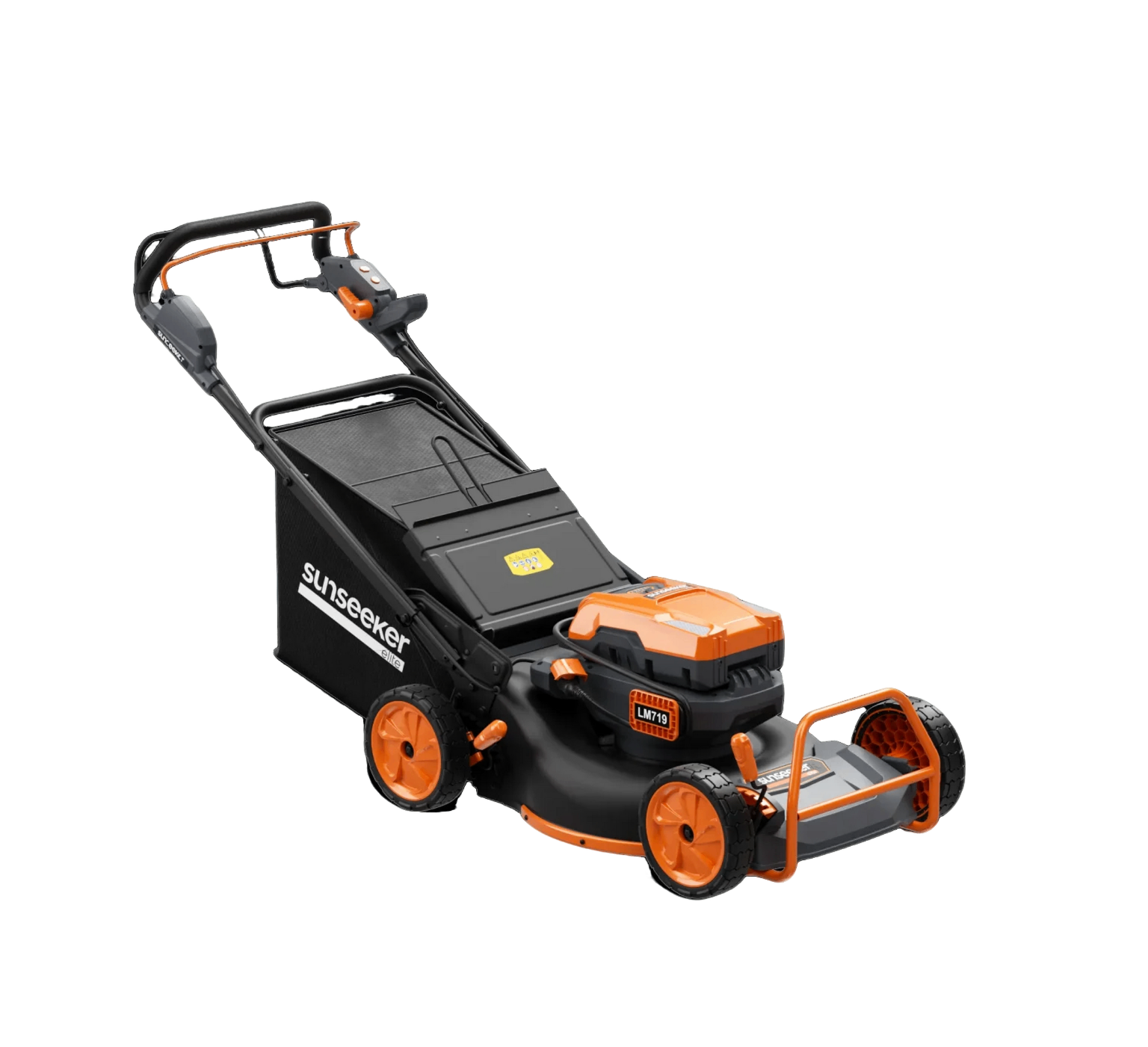
While proper maintenance extends battery life, the most effective way to reduce labor is by upgrading to a lawn mower equipped with a high-performance lithium battery. Compared to traditional lead-acid battery solutions, modern lithium-ion battery technology offers a longer cycle life and delivers a more stable and consistent power output. This reduces the frequency of battery replacements and maintenance.
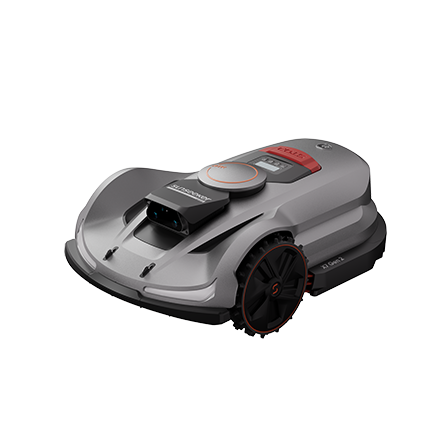
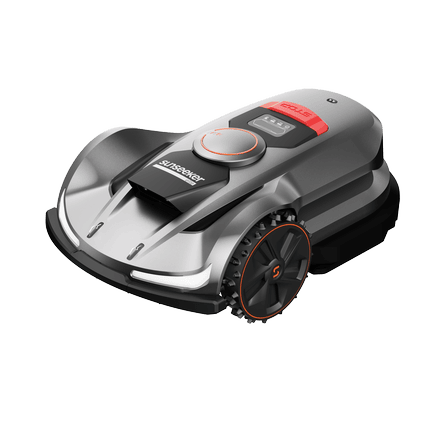
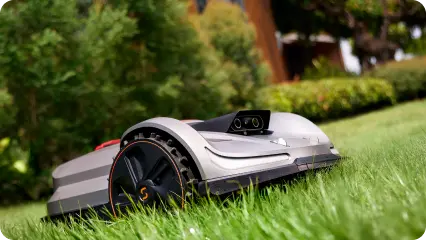
For minimal maintenance, you can try a robotic model. Modern solutions, such as the Sunseeker Elite X4 , shift the burden of battery management from the user to the machine. Equipped with a high-capacity 5Ah lithium battery, this robotic mower eliminates the need for manual charging or seasonal battery removals. Its IPX6 waterproof rating ensures the internal electronics remain shielded from moisture, which is a leading cause of terminal corrosion in traditional mowers.
Instead of monitoring voltage levels, you can manage the entire process via a mobile app. The unit automatically returns to its station when the battery is low and resumes work once recharged. Your lawn will stay maintained with smooth, worry-free mowing at all times.

Learning how to install a lawn mower battery and how to charge a mower battery helps reduce downtime and avoid unnecessary service costs. The process involves safe removal, correct connection order, and basic inspection. Regular maintenance further improves battery reliability. For those looking to simplify upkeep, robotic mowers like the Sunseeker Elite X4 reduce manual intervention through automated charging and durable battery systems. Try one to make long-term operation easier to manage!
When installing a new battery, you should always connect the positive (red) terminal first. Once the positive side is secure, you then connect the negative (black) terminal. This sequence is a safety measure to prevent short circuits. The removal is a reversed sequence. Following this pattern helps protect both the battery and the mower’s electrical system.
No, battery size and specifications vary by model. Differences include voltage, capacity, and terminal placement. Using the wrong size may lead to poor performance or connection issues. Always check the mower’s manual or the original battery label to confirm compatibility.
The primary causes of battery failure are extreme temperatures, lack of use, and vibration. Leaving a battery discharged over the winter causes sulfation, which ruins the internal plates. Additionally, overcharging or allowing the battery to remain loose in its tray can lead to physical internal damage that shortens its lifespan.