










FAQs
4/29/2026
Contents
Products
Residential Lawns







Commercial Landscapes
Explore
Where to Buy


Most people replace mower blades when the grass starts looking torn, uneven, or messy after mowing. The job is usually simple, but safety matters first: stop the power, secure the blade, loosen the bolt, clean the deck area, then fit the new blade in the right direction. Regular checks help protect both the mower and the lawn.
For many homeowners, a well-kept lawn is a point of pride. However, your dull or damaged mower blades can quickly ruin that clean, even look. Instead of neatly cutting grass, worn blades tear it, leaving a ragged and unhealthy appearance. So, how to replace mower blades? In this guide, we will walk you through the diagnostic signs of wear, the tools required, and a comprehensive step-by-step process to get your mower back in peak cutting condition.

Before you start the lawn mower blade replacement process, you need to confirm that a swap is actually necessary. Look for these three primary indicators:
You don't need a professional workshop to replace lawn mower blade hardware, but having the right mechanical leverage will prevent stripped bolts and bruised knuckles. Gather the following items before changing a lawn mower blade.
Whether you are using a standard gas model or a high-performance lawn mower the physics of the blade attachment remains largely the same. Here’s how to replace mower blades in general steps.
Before you change a lawn mower blade, it’s crucial to make sure the engine is off. For gas-powered mowers, disconnect the spark plug wire completely. For electric or battery-operated models, remove the battery and safety key. This precaution eliminates any risk of accidental startup and keeps you safe while working underneath the mower deck area.
Carefully tilt the mower onto its side to expose the blade underneath the deck. If you are working with a gas mower, always position it so the air filter and carburetor face upward. This prevents oil or fuel from leaking into the engine system and causing potential performance issues or long-term damage.
Insert a sturdy wooden block between the blade and the inner edge of the mower deck. This step is essential because it prevents the blade from spinning when you attempt to loosen the mounting bolt. A securely wedged block ensures better control, reduces effort, and helps avoid potential injury during removal.
If you are wondering how to remove lawn mower blade hardware safely, start by using your socket wrench to turn the bolt counter-clockwise (in most cases) to loosen it. Since the bolt is often exposed to dirt, moisture, and heat, it may be tightly secured. In such cases, use a breaker bar for added leverage. Carefully remove the bolt, along with any washers or spacers, and keep them organized.
After removing the old blade, take time to clean the mounting area thoroughly. Use a wire brush or scraper to remove compacted grass, dirt, and debris from the spindle and surrounding deck. A clean surface ensures the new blade sits evenly, reducing vibration and improving overall cutting efficiency and performance.
Take your replacement lawn mower blades and align them with the spindle. Most blades include markings such as “This Side Toward Grass” or “Bottom” to guide installation. Make sure the curved edges, also known as sails, are facing upward toward the deck to maintain proper airflow and cutting effectiveness. When choosing the best push mower blade, make sure its length, center-hole pattern, and specifications match your mower model.
Start by hand-threading the bolt to prevent cross-threading and ensure proper alignment. Then use a torque wrench to tighten it to the manufacturer’s recommended specification. Once secure, remove the wooden block, carefully return the mower to its upright position, and reconnect the spark plug or battery before testing operation.
For the average residential lawn, changing blades on lawn mower units should happen once per mowing season. However, if you have a large property or sandy soil, which acts like sandpaper on metal, you may need to replace them more frequently.
A good rule of thumb is to inspect the blades every 25 hours of use. If you prioritize a healthy, disease-resistant lawn, having a fresh set of replacement mower blades at the start of every spring is the best practice. Sharp blades create clean wounds on the grass, which heal faster than the jagged tears caused by dull metal.
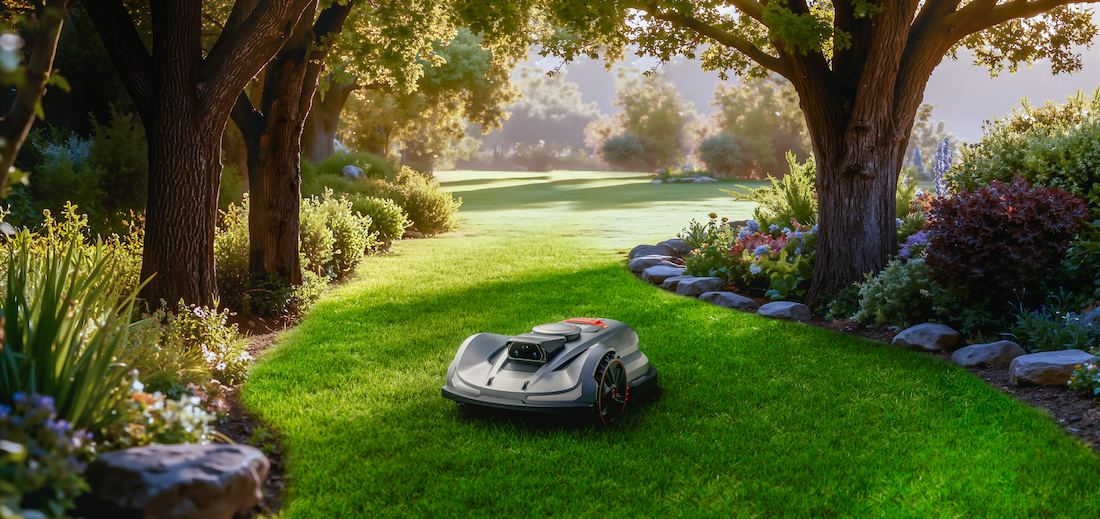
With the step-by-step guide provided above, you should find it quite simple to replace blades on lawn mower equipment yourself. Meanwhile, a few proactive habits will ensure your metal remains sharp and structurally sound for multiple seasons. Here are the best tips to maximize the life of your blades:
Before starting your engine, walk your yard to remove stones, thick sticks, and other hard objects. Hitting a single hidden rock can cause a "nick" or bend that immediately necessitates a lawn mower blade replacement.
Try to wait until the morning dew has evaporated. Wet grass is significantly heavier and more abrasive than dry grass, which dulls the cutting edge faster and puts unnecessary strain on the mower's motor.
After every few mows, scrape out built-up grass clippings from the underside. Packed, wet grass traps moisture against the metal, leading to rapid rust and corrosion on both the deck and the blades.
Don't wait until the blade is completely blunt. Periodic sharpening, roughly every 20 to 25 hours of use, ensures cleaner cuts and reduces the workload on your engine, preventing the metal from becoming "chewed up" over time.
Whenever you sharpen your blade, use a balancer to ensure it sits perfectly level. An unbalanced blade creates heavy vibrations that can damage the spindle and lead to uneven, premature wear.
Corrosion is the silent killer of outdoor power equipment. Always store your mower in a dry, sheltered garage or shed to protect the blades from the elements and prevent rust during the off-season.
Set your mower height to a sustainable level. Forcing the blade to cut too close to the ground increases the risk of striking the soil, sand, or hidden roots, which acts like sandpaper on the blade’s edge.
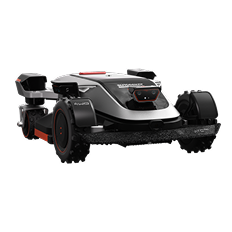
While proper maintenance extends the life of any equipment, starting with high-quality hardware makes changing blades on lawn mower units less frequent and far easier. The Sunseeker Elite X7 Gen 2 features professional-grade, hardened steel blades built for long-lasting durability and consistent cutting performance.
The system is engineered to keep maintenance simple and quick. Replacement mower blades are installed via a straightforward DIY process using the included screws to ensure a perfect fit every time. Beyond ease of use, the upgraded cutting technology on the X Gen 2 Series delivers superior results. It features a floating dual-cutting disc with six evenly distributed blades that adapt to uneven ground and complex terrain. This innovative design creates a wider mowing path for a more uniform finish, delivering a pristine, professional-looking lawn with every pass.
Now you know how to change mower blades. With the right tools and a clear step-by-step approach, you can ensure a smooth and safe replacement process every time. For those looking for professional-grade durability and ease of maintenance, consider upgrading Sunseeker’s robotic models. These machines are engineered for efficiency, with blade systems designed for quick replacement and consistent cutting performance. Visit Sunseeker to find the right solution for your home landscaping!
Yes, for most people, it should be a straightforward DIY task to replace mower blades. Just make sure to have the tools ready and follow safety protocols, and you can complete the job in about 15-30 minutes. It’s a basic part of mower maintenance that helps you avoid costly professional servicing.
Sharpening is great for minor dullness, but changing a lawn mower blade for a new one is better if there are deep chips, cracks, or if the metal has thinned. New blades ensure proper balance and lift, which sharpening can sometimes ruin if too much metal is removed unevenly.
If the blade bolt is rusted and won’t loosen, apply a penetrating oil (such as WD-40 Specialist) and let it soak for about 10-15 minutes. Then, use a long breaker bar to gain extra leverage. Make sure a wooden block is firmly wedged in place to keep the blade from moving while you apply force.