















Creeping Charlie often shows up in the damp, shaded parts of a lawn first. You may notice scalloped leaves spreading through the grass, small purple flowers in spring, and long runners that root wherever they touch the soil. Once established, it can quickly form a dense mat that pushes out healthy turf if it is not controlled early.
The best way to deal with it depends on how large the affected area is and how strong the surrounding grass still is. In this article, you will learn how to identify creeping Charlie early, which removal methods work best for different infestation levels, and how to prevent it from coming back.

How to Identify Creeping Charlie?
Creeping Charlie (also called ground ivy) is a low-growing perennial weed that spreads quickly across lawns. You can identify it by its round to kidney-shaped leaves with rounded or slightly scalloped edges. The leaves are usually bright to dark green and grow in opposite pairs along creeping stems that root at the nodes, allowing the plant to spread horizontally.
In spring and early summer, Creeping Charlie produces small, funnel-shaped purple or bluish flowers. These blooms appear close to the ground and can help confirm identification when the plant is flowering.
Another key sign is its growth pattern. Unlike grass, it forms dense mats that stay low to the soil and often invade shaded or moist areas where turf grass struggles. If you see patches that look “carpet-like” and spread outward in circular shapes, it is often Creeping Charlie.
When crushed, the leaves may give off a mild minty or herbal smell, which is another helpful clue for identification.
How to Get Rid of Creeping Charlie in Lawn?
Once you’ve confirmed creeping Charlie in your lawn, the next step is deciding how to control it based on how far it has spread, how dense the runners are, and the growing conditions supporting it.
Step 1. Assess spread and lawn conditions
Look at how much creeping Charlie is in your lawn and how it is spreading. Small patches in shaded spots are usually easier to control, while larger connected areas mean it has already spread more deeply through the grass. Check how thick your lawn is, since thin or weak grass gives it more space to grow.
Also notice if the soil stays damp, if the area is shaded, or if the ground feels hard and compact. These conditions often explain why it keeps coming back and help you decide how to handle it.
Step 2. Hand-pull small patches completely
For young or limited patches, water the soil lightly first, then loosen the turf edge with a hand weeder or garden fork. Pull slowly so the runners lift instead of snapping.
Bag the plants rather than composting them, since stem pieces can reroot. Check the area weekly for missed nodes and new growth.
Step 3. Smother isolated infestations
Where creeping Charlie has overtaken a small corner, smothering can work if you are willing to sacrifice everything underneath the cover. Use cardboard or a dark tarp, pin the edges tightly, and leave it in place long enough to block light completely. Once you remove the cover, rake out dead material and reseed right away.
Step 4. Apply lawn-safe herbicide or low-impact alternatives
For larger, established patches where pulling or smothering is no longer practical, you can choose between targeted treatment or a more natural control approach to remove creeping charlie from lawn:
- Selective lawn herbicide:
Use a broadleaf herbicide that is specifically labeled for creeping Charlie (ground ivy) and safe for your grass type. Apply on a calm day so it doesn’t drift to other plants. Avoid mowing right before or after treatment so the leaves can absorb the product properly, and follow the label for timing and repeat applications if needed. The same label check is important if you are also researching how to get rid of violets in your lawn, because a product must be suitable for both the target weed and your grass type.
- Natural, low-impact option:
Some natural lawn care approaches rely on iron-based products (such as chelated iron sprays) that weaken broadleaf weeds like creeping Charlie without heavily affecting the grass. These treatments often work gradually and may need more than one application. At the same time, improving lawn density is important—thicker grass from overseeding, proper mowing height, and better drainage helps block creeping Charlie from spreading again over time.
Step 5. Reseed and repair bare spots
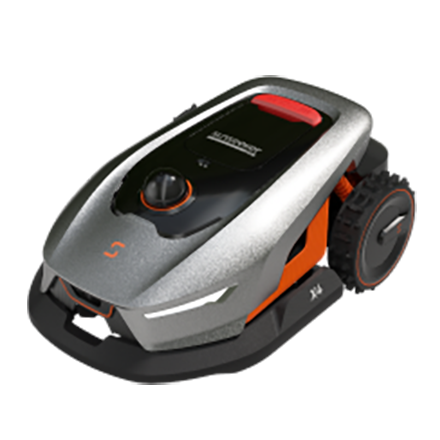
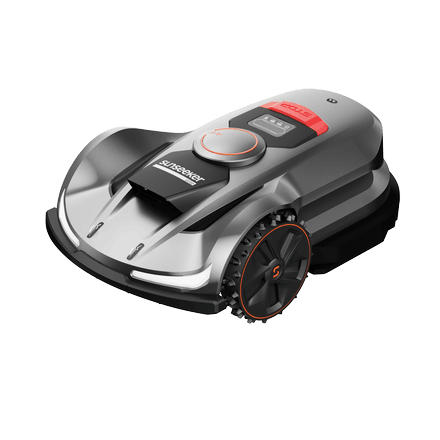
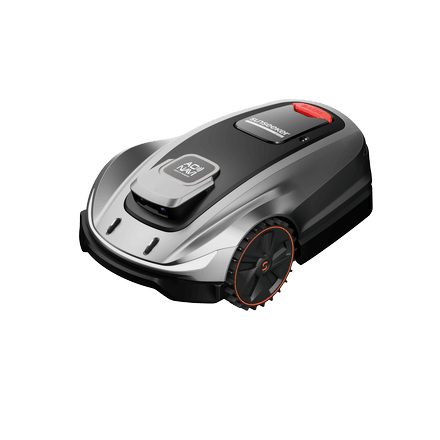
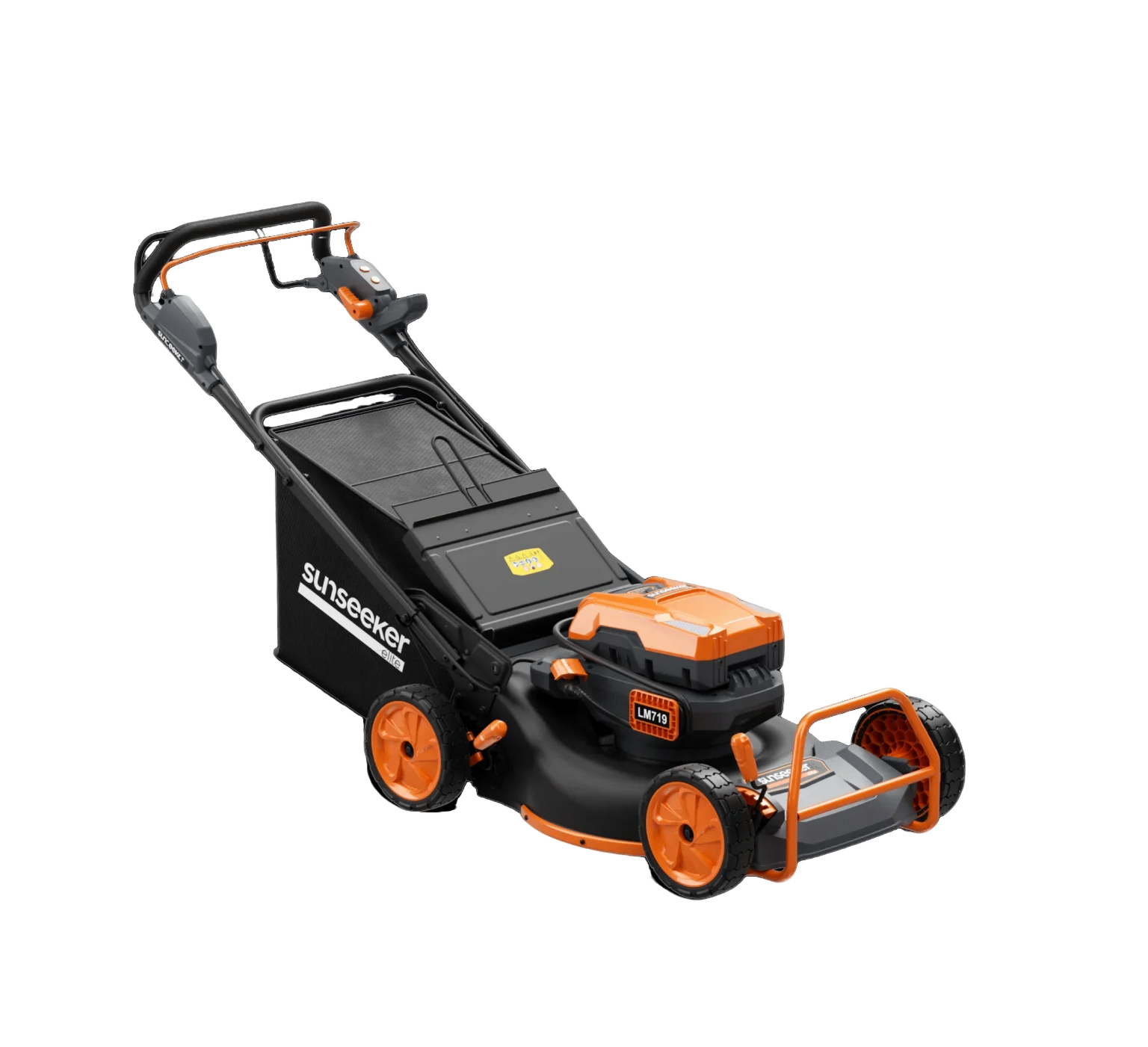
After removal, fill thin or bare areas with grass seed suited to your sun and shade conditions. Keep the seedbed consistently moist until seedlings establish, then mow at the higher end recommended for your turf type. If you use an automated mower such as the Sunseeker Elite X5, it fits best after the repair stage: regular mowing helps maintain an even stand of grass.