







FAQs
3/30/2026
Contents
Products
Residential Lawns





Commercial Landscapes
Explore
Where to Buy


Lawn mower noise varies widely depending on engine type, blade condition, and maintenance. Gas models can reach uncomfortable levels, while electric and robotic mowers stay comparatively quiet. Over time, loud mowing sessions can affect hearing, so keeping equipment well-tuned and using ear protection makes a noticeable difference for comfort and safety.
In this guide, we’ll look at how loud different lawn mowers can get, what causes those changes in sound, and how it can affect your hearing over time. You’ll also find simple ways to lower the noise, so mowing feels easier on your ears and less disruptive overall.
Not all mowers produce the same amount of noise. The type of engine, cutting mechanism, and overall design all play a role in how loud a machine runs.
|
Mower Type |
Typical Decibel Range |
|
Gas push mower |
85–95 dB |
|
Gas riding mower |
90–100 dB |
|
Corded electric mower |
75–85 dB |
|
Battery-powered mower |
70–80 dB |
|
Robotic mower |
55–65 dB |
To put those numbers in context, a normal conversation is around 60 dB, a vacuum cleaner runs about 70 dB, and a chainsaw reaches roughly 110 dB. The decibel level of lawn mower use, especially with gas models, sits much closer to that higher range than many expect.
At that point, the lawn mower decibel level is high enough to matter during longer sessions. Using earplugs or earmuffs can help protect your hearing. Since different mower types vary a lot in sound, your choice directly affects how much noise you and your neighbors experience.
The lawn mower decibel level isn't fixed. Several variables influence how loud any given mower will actually be during operation.
Engine type is the biggest factor. Gas engines, particularly older two-stroke models, generate significantly more noise than electric motors. Larger engines used on riding mowers and zero-turn machines produce more power and, as a result, more sound.
A dull or unbalanced blade forces the engine to work harder, increasing both vibration and noise output. Keeping blades sharp is one of the simplest ways to keep the lawn mower dB level in check without any additional equipment.
Thick, overgrown grass puts more load on the motor, which tends to increase noise. Mowing regularly at the right height reduces the strain on the engine and keeps operation smoother and quieter overall.
Worn bearings, loose components, and degraded mufflers all contribute to elevated noise over time. A well-maintained mower runs noticeably quieter than a neglected one of the same model, so routine upkeep is worth factoring in.
Some manufacturers engineer decks to dampen vibration and direct noise upward rather than outward, which reduces the perceived loudness for bystanders even if the raw dB reading stays similar. It's a detail worth checking when comparing models.
The connection between how many decibels is a lawn mower and hearing health is worth taking seriously. According to the CDC, exposure to sounds at or above 85 dB can cause noise-induced hearing loss over time, and damage accumulates with both volume and duration.
Here's how exposure time breaks down by decibel level:
Most lawn mowing sessions run longer than people realize, especially on larger properties. The tricky part is that noise-induced hearing loss is gradual and painless. It erodes slowly over repeated exposures, often going unnoticed until the damage is already done. Ringing or muffled hearing after mowing are early warning signs worth paying attention to.
The good news is that protection is simple. Foam earplugs reduce noise by around 25–30 dB, and earmuff-style protectors can be even more effective. Either option brings a 90 dB mower into a safe range for most mowing durations.

Reducing lawn mower noise improves comfort, protects hearing, and keeps neighbors happy. A few small changes can help bring the noise down and make the whole process feel more relaxed.
The most effective change is moving away from gas. Battery-powered mowers typically run 10–20 dB quieter than comparable gas models, which represents a major reduction in actual perceived loudness. A 10 dB drop sounds roughly half as loud to the human ear, so the difference is noticeable from the very first use.
Sound carries farther in the early morning and evening when ambient noise is low. Mowing during midday hours, typically between 9 a.m. and 5 p.m., is generally considered the most neighbor-friendly window and aligns with most local noise ordinances.
Sharpening blades, tightening loose hardware, replacing worn mufflers, and lubricating moving parts all reduce unnecessary noise. Taking a few minutes to tune things up before the season starts helps it run more smoothly and keeps the sound more controlled during regular use.
If you’re keeping a gas mower for now, there are still ways to make it quieter. Upgrading to an aftermarket muffler designed for your engine can help reduce noise without changing how it runs. Some people also add sound-dampening material under the deck to soften the overall sound during use.
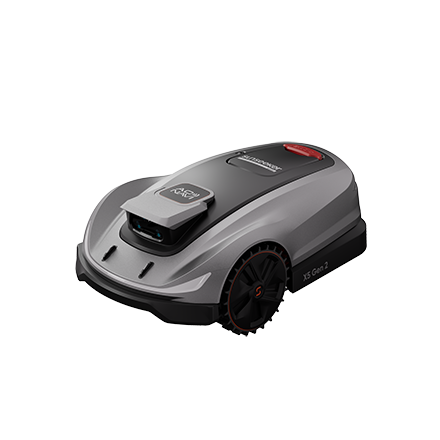
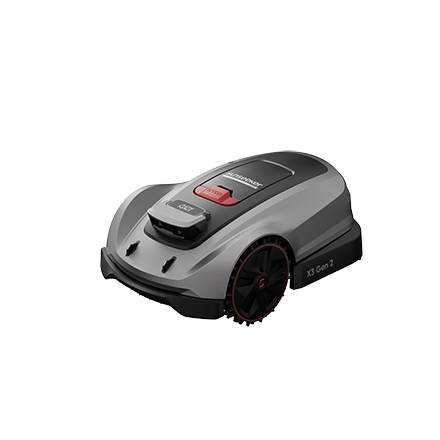
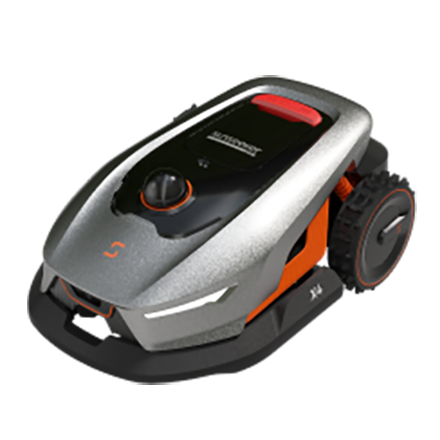
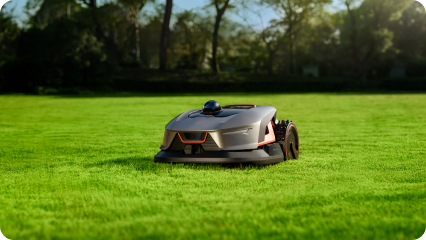
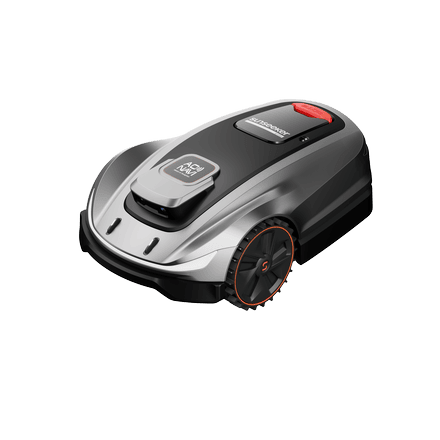
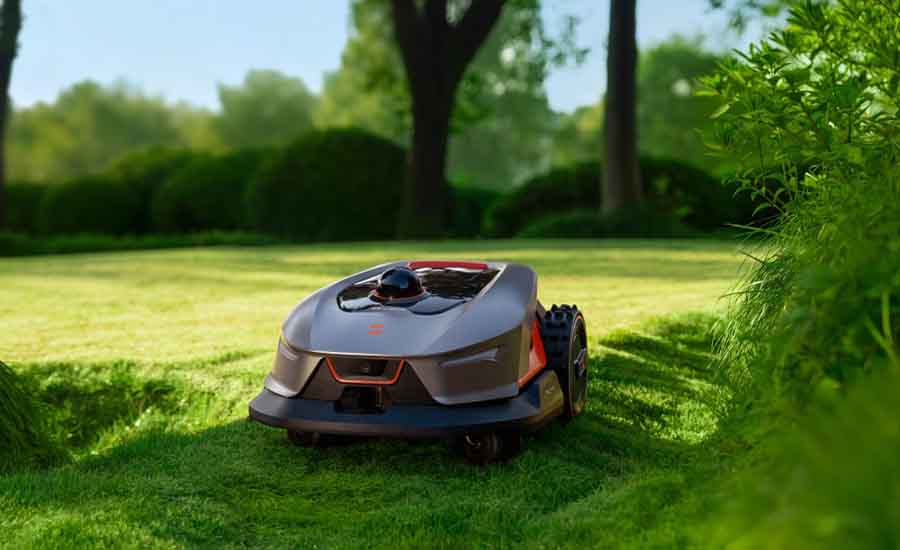
If you’re wondering what is a good lawn mower for keeping noise to a minimum, a robotic mower can be a great option. Running at around 55–65 dB, it’s about as quiet as a normal conversation. Models like the Sunseeker Elite X4 work in the background and handle the lawn on their own. You can also set a schedule, so it runs at times that won’t disturb you or your neighbors.
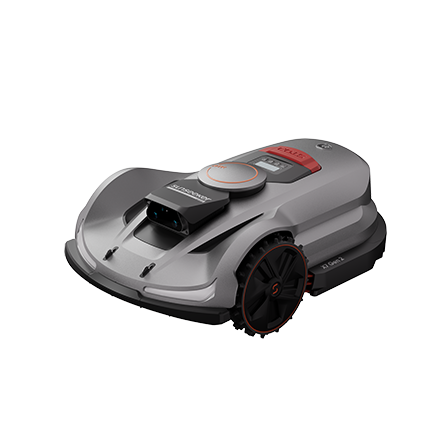
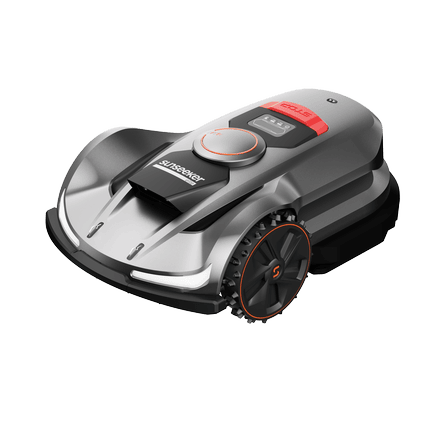
If you’re looking for something more advanced, the Sunseeker Elite X7 Gen 2 adds smarter navigation and wire-free setup, while still keeping noise levels low. It’s designed to handle more complex yards and run consistently without adding extra sound to your routine.
So, how many dB is a lawn mower? It can range from about 55 dB for a robotic model to over 100 dB for larger gas mowers. That’s a big gap, and it changes how the sound feels during use, from something barely noticeable to something that can affect your hearing.
Once you see that difference, it becomes easier to adjust how you mow. The best lawn mower for your needs should balance noise level, performance, yard size, and ease of maintenance. Choosing a quieter model, keeping your mower in good condition, and using basic hearing protection can make a real impact.
The average lawn mower ranges from 85 to 95 dB for gas push models and 90 to 100 dB for riding mowers. Battery-powered mowers are quieter at 70–80 dB, while robotic models sit around 55–65 dB. If you need to raise your voice while mowing, hearing protection is a good idea.
Noise above 55–65 dB can be considered too loud for neighbors in many areas, though local rules vary. Gas mowers often exceed this, so timing matters. Mowing during daytime hours, like 9 a.m. to 5 p.m., is usually acceptable. Quieter battery or robotic mowers help reduce noise and avoid complaints.
Yes, electric lawn mowers are noticeably quieter than gas models. They usually run about 10–20 dB lower, which can sound much quieter in real use. This quieter operation is helpful if you mow often or live close to neighbors.
A typical gas mower around 90 dB can start affecting hearing after about two hours without protection. At higher levels like 95–100 dB, that time drops to under an hour or even minutes. The risk builds over time, so wearing earplugs or earmuffs is a simple way to stay protected.