






FAQs
3/30/2026
Contents
Products
Residential Lawns



Commercial Landscapes
Explore
Where to Buy


For most homeowners, mowing time comes down to lawn size, mower type, and terrain quirks. A small yard can be done in under an hour with a walk-behind mower, while large, uneven lawns can take hours unless a zero-turn or robotic mower handles it. Grass height and obstacles can shift these estimates significantly.
If you have ever stared at your yard and wondered: How long does it take to mow a lawn? You are not alone. The truth is, mowing time depends on a bunch of things: lawn size, mower type, terrain, and how tall your grass has grown.
In this guide, we will break down estimated mowing times for different types of mowers, mower speeds, and m²-per-hour rates. We will also show you how to use a mowing time calculator and share tips to cut your mowing time, plus the best mowers that can make the job easier. Read on!
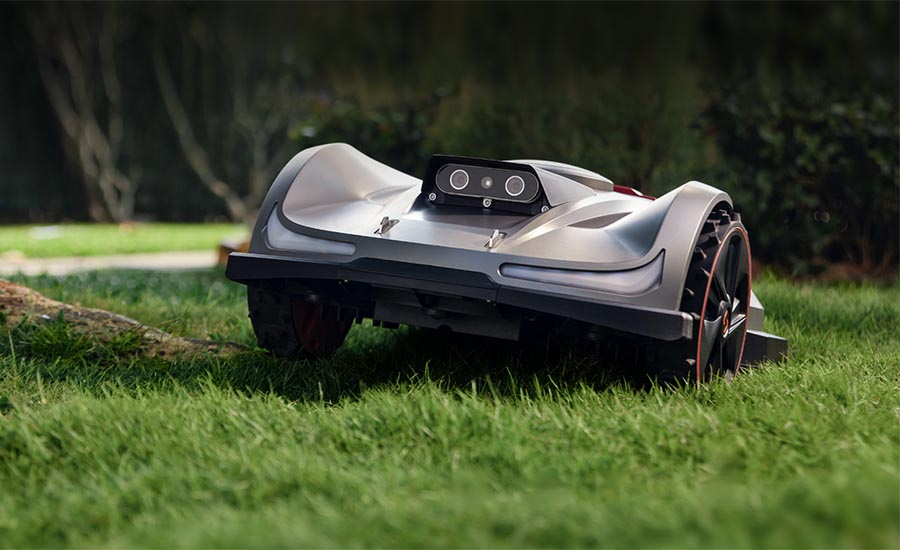
The time it takes to mow a lawn depends on several factors. Let’s see the key factors influencing mowing time:
So, how long does it take to mow the lawn? Here’s an updated comparison table for mowing 1000 m². It assumes flat terrain, short grass, and minimal obstacles.
|
Mower Type |
Average Deck Width |
Average Speed (m/s) |
Time to Mow 1000 m² |
m² per Hour (Approx.) |
|
Push Mower |
48-56 cm |
0.9-1.35 |
20-35 minutes |
1600-2400 |
|
Self-Propelled / Walk-Behind |
51-76 cm |
1.35-1.8 |
15-20 minutes |
2400-4000 |
|
Riding Lawn Tractor |
96.5-117 cm |
1.8-2.7 |
7-15 minutes |
4000-8000 |
|
Zero-Turn Mower |
106.5-152.5 cm |
2.25-3.6 (up to 4.5+) |
4-9 minutes |
6800-16000+ |
|
Robotic Lawn Mower |
20-36 cm |
0.2-1.1 |
1-5+ hours (often multi-session/cycles) |
200-2000 (daily capacity varies; high-end 400-2000 m²/hour) |
For a typical residential lawn (¼-½ acre), push mowers take 20-90 minutes, riding mowers 15-45 minutes, and zero-turns under 20 minutes. Robotic mowers, on the other hand, run autonomously for hours or even days but require no human effort, making them ideal for ongoing maintenance rather than one-time mowing.
Speed is also an important factor that directly affects your mowing time, but it also depends on the type of mower you have.
That said, faster isn’t always better. Speeds over 2.7-3.1 m/s can lead to uneven cuts or missed patches, especially in thick or tall grass. For most lawns, the optimal mowing speed is usually 1.35-2.7 m/s, which can strike a balance between efficiency and a clean, professional-looking finish.
Acres per hour measures a mower's productivity, that is, how much ground it covers in one hour of actual mowing time. Wider decks and higher speeds boost output, while narrower/slower options (like robots) focus on sustained, low-effort coverage.
Here's a comparison of 5 common lawn mower types with typical acres per hour ranges:
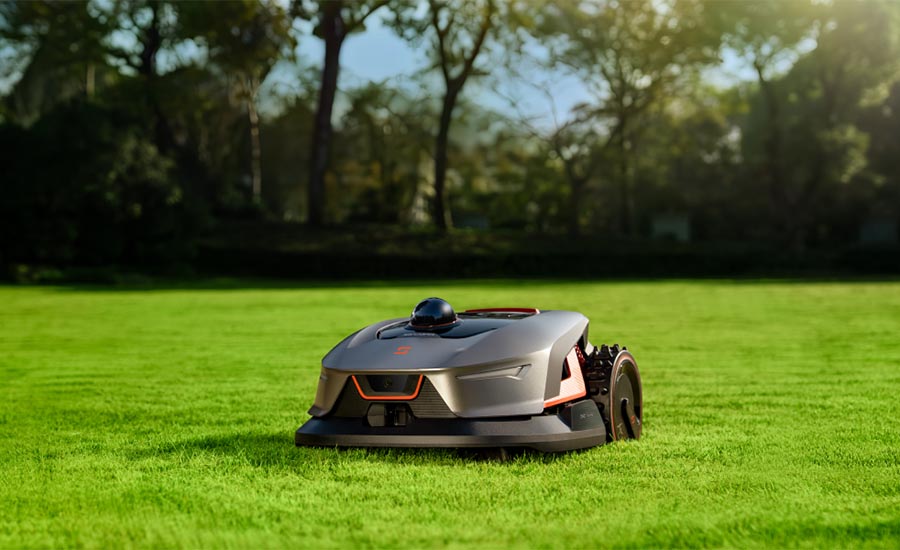
Learning how to mow a lawn efficiently can keep it from feeling like a never-ending chore. With the right approach, you can cut your time on the lawn while keeping it looking sharp. Here are some practical strategies:
1.Mow regularly: Keep a consistent schedule every 1-2 weeks to prevent grass from growing too tall, so each session feels faster, easier, and less demanding on equipment.
2.Plan your mowing pattern: Use straight, overlapping rows or start from the edges and move inward to reduce turns, avoid missed spots, and improve overall efficiency.
3.Maintain your mower: Keep blades sharp, clean the deck, check tire pressure, and use fresh fuel or batteries to ensure smooth operation and faster, more consistent cutting results.
4.Clear obstacles beforehand: Remove toys, branches, leaves, or debris before you start so you avoid frequent stops and maintain a steady pace throughout the entire mowing session.
Mow in ideal conditions: If you are wondering what is the best time to mow lawn, choose a cooler part of the day when the grass is dry to prevent clumping, reduce resistance, and help your mower perform efficiently.
6.Use mulching when possible: Choose mulching instead of bagging so you skip emptying grass clippings, save time, and return nutrients directly back into your lawn.
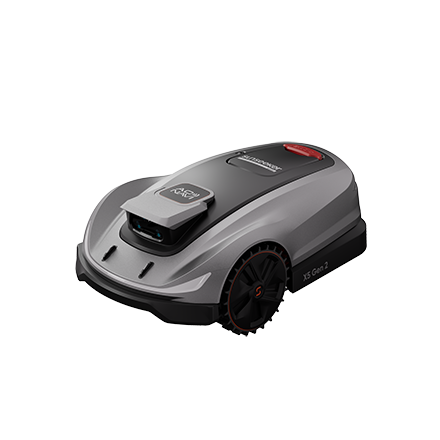
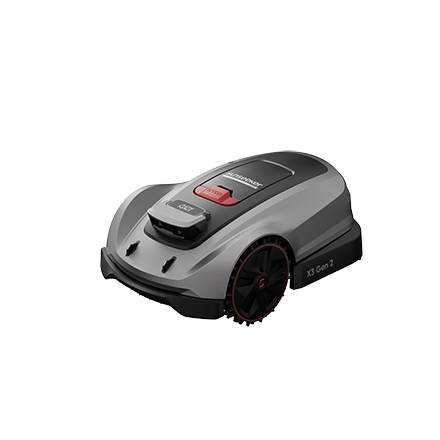
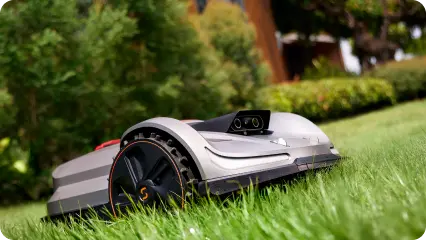
7.Choose the right mower: Select a mower that fits your lawn size. While a zero-turn model can significantly reduce mowing time on larger areas, robotic mowers from Sunseeker offer a hands-free solution that saves time over the long run by handling mowing automatically on a schedule.
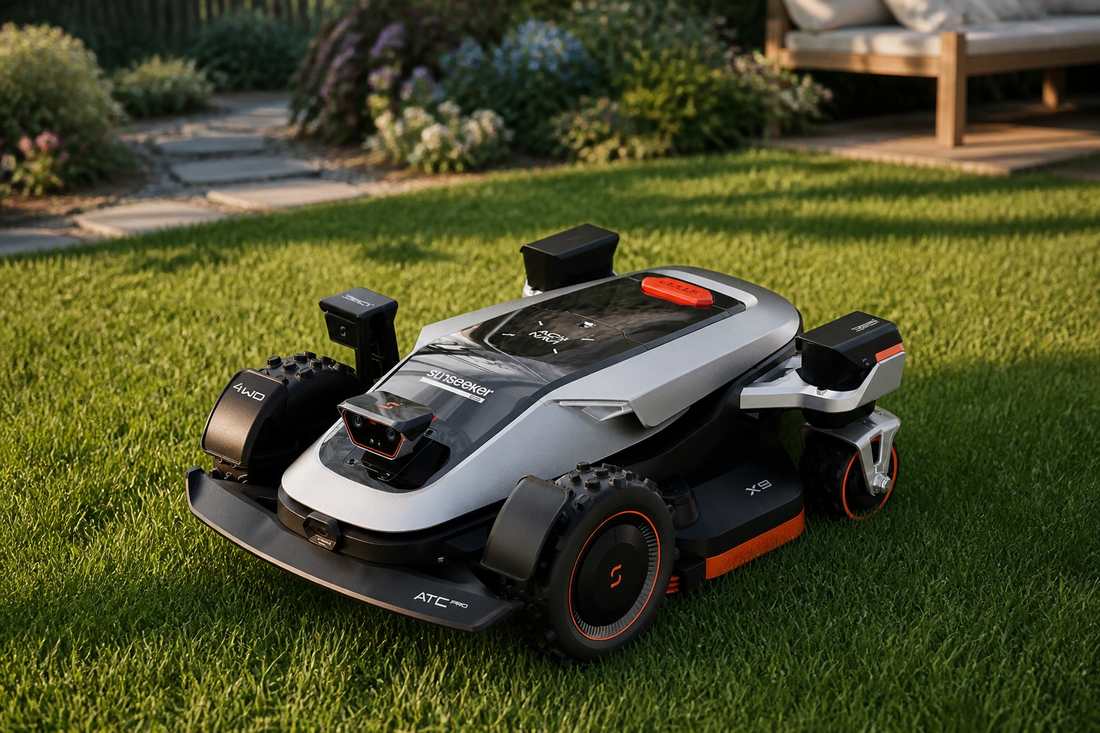
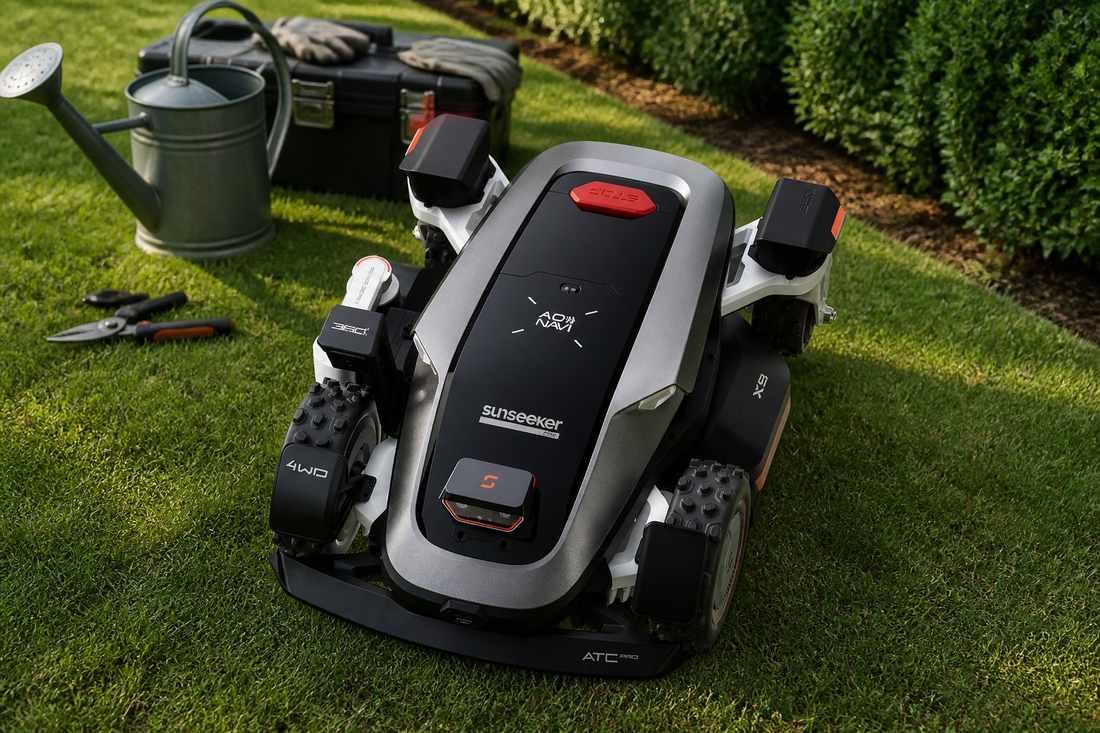
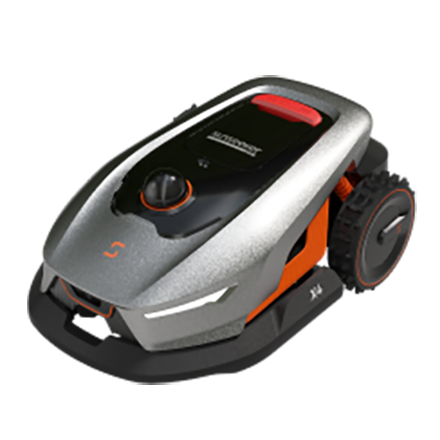
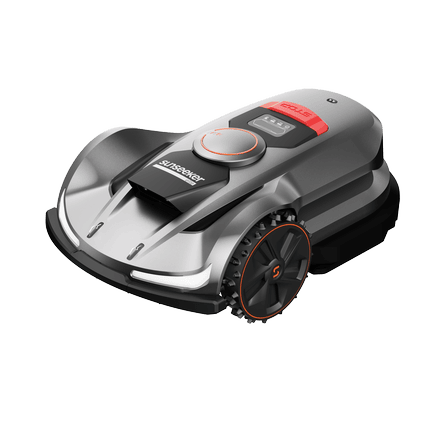
For smaller to medium lawns, the Sunseeker Elite X4 is an excellent entry-level robotic mower. It features 360° 3D LiDAR and Vision AI for precise mapping, obstacle avoidance, and centimeter-level navigation in complex layouts. With a 20 cm (8-inch) cutting width, 6 blades, floating-cut tech for uneven terrain, and up to 45% slope handling, it efficiently handles small to medium-sized lawns with consistent, precise coverage. Drop-and-go setup, app control for zones/schedules, and auto-recharge make it ideal for time-saving maintenance without hassle.
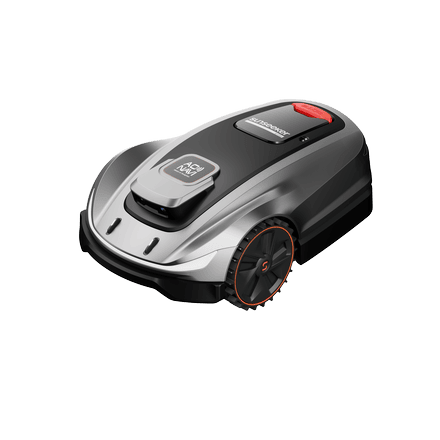
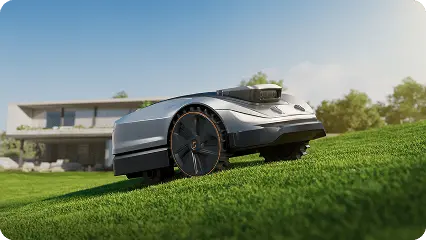
If you are looking for models for larger properties, the Sunseeker Elite X7 Series provides greater power and coverage. It uses AONavi™ RTK-GNSS combined with VSLAM navigation and Vision AI for accurate, wire-free operation. The dual-disc system delivers a wider 35.5 cm cut, while floating adjustment handles uneven terrain and electric height control. With all-wheel drive for steep 70% (35°) slopes and capacity for up to 12000 m², it is built for demanding environments. It also includes intelligent path planning, multi-zone management, and smart features to ensure efficient and complete coverage across complex lawns.
Short answer: YES. A lawn mowing calculator helps estimate how long a job will take based on key inputs like lawn size (in square feet or m²), mower deck width, speed, and efficiency factor.
With a simple formula like: Time (minutes) = (Area in sq ft × 60) / (Speed in ft/min × Deck width in ft × Efficiency %), a mowing time calculator provides accurate predictions, and you can enjoy benefits as follow:
How long does it take to mow a lawn? It ultimately depends on your lawn size, mower type, and conditions, ranging from quick 15-minute sessions to several hours for larger properties. Choosing the right equipment and mowing approach saves both time and effort.
For homeowners looking to simplify lawn care, Sunseeker’s robotic mowers offer an excellent solution. With precise navigation, automatic scheduling, and efficient mulching, these models deliver consistent, hands-free performance, keeping your lawn healthy and well-maintained without the hassle!
Mowing too fast might save time, but it often leads to uneven cuts, missed spots, or even damage to the lawn, especially in thick or wet grass. A slower, steady pace, around 1.35–2.7 m/s, helps the blades cut more cleanly and evenly. In most cases, a moderate speed works best, giving you a smoother finish and a healthier-looking lawn.
For a 500 m² lawn, a standard push mower may take about 30 to 60 minutes, depending on grass height, mower size, lawn shape, and how many turns or obstacles there are. A self-propelled or wider-deck mower can finish faster, while a small or uneven yard may take longer.
Yes, a robot mower often takes longer than a push mower in one session, but it works differently. Instead of cutting the whole lawn at once, it trims small amounts often and runs on a schedule.
This keeps the grass neat with less effort from you, even if each full cycle takes more time.