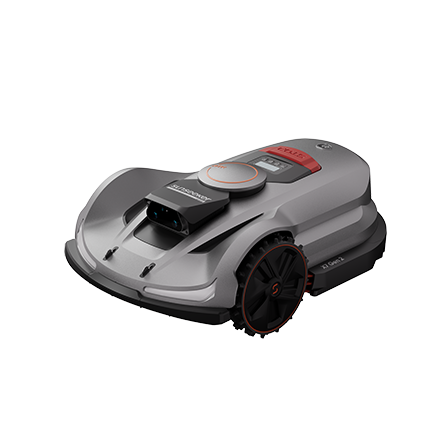
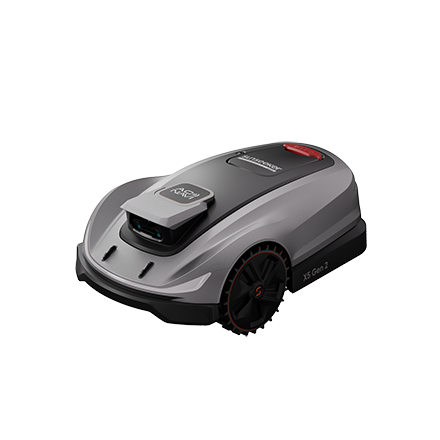
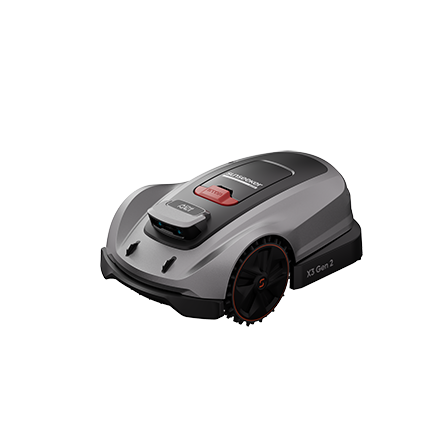
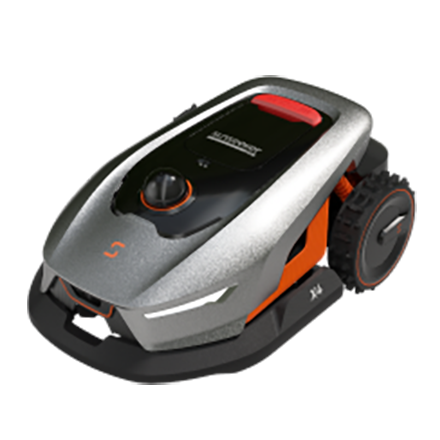
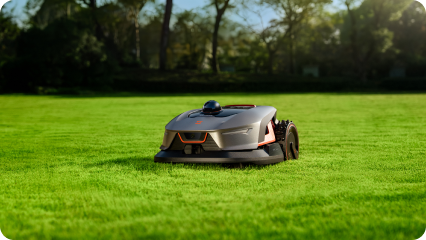
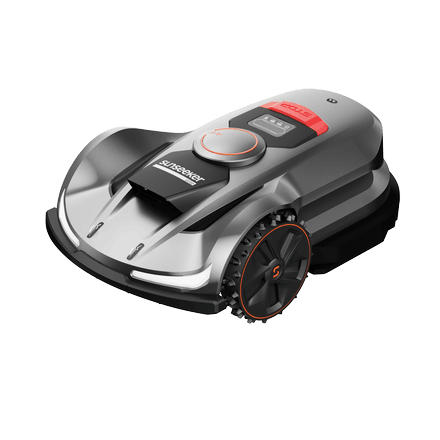
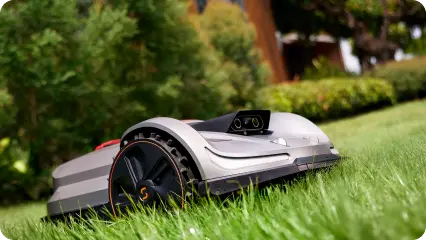
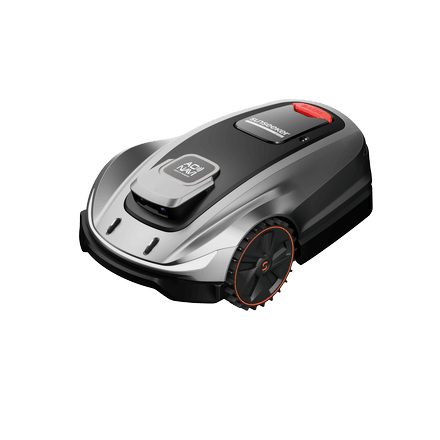
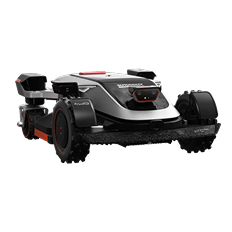
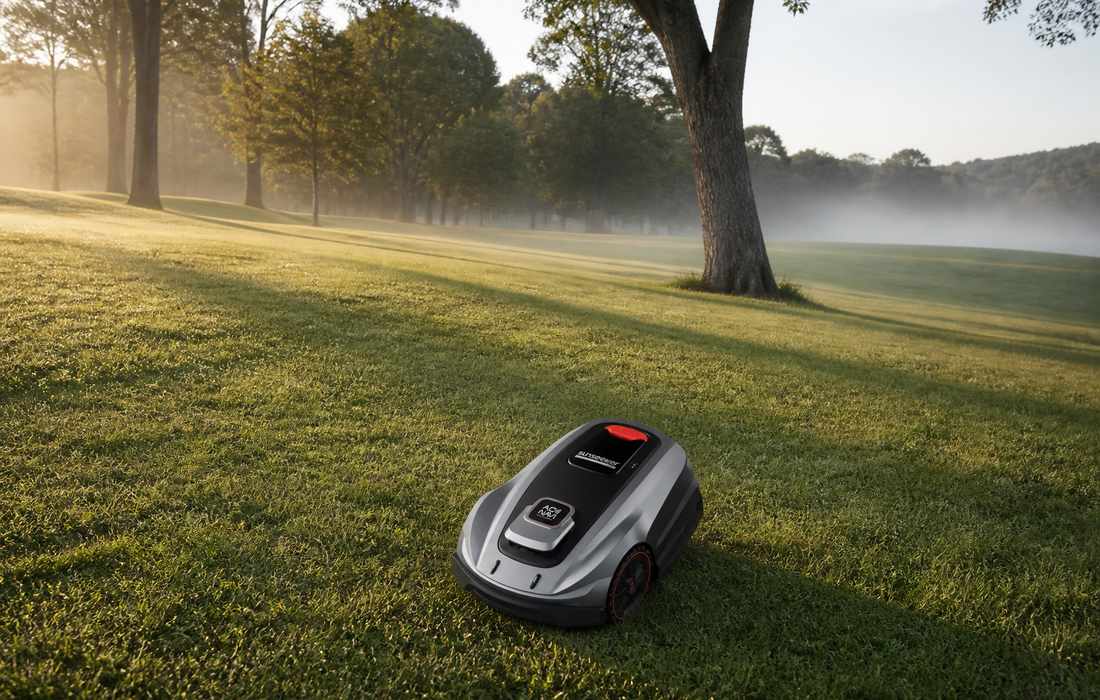
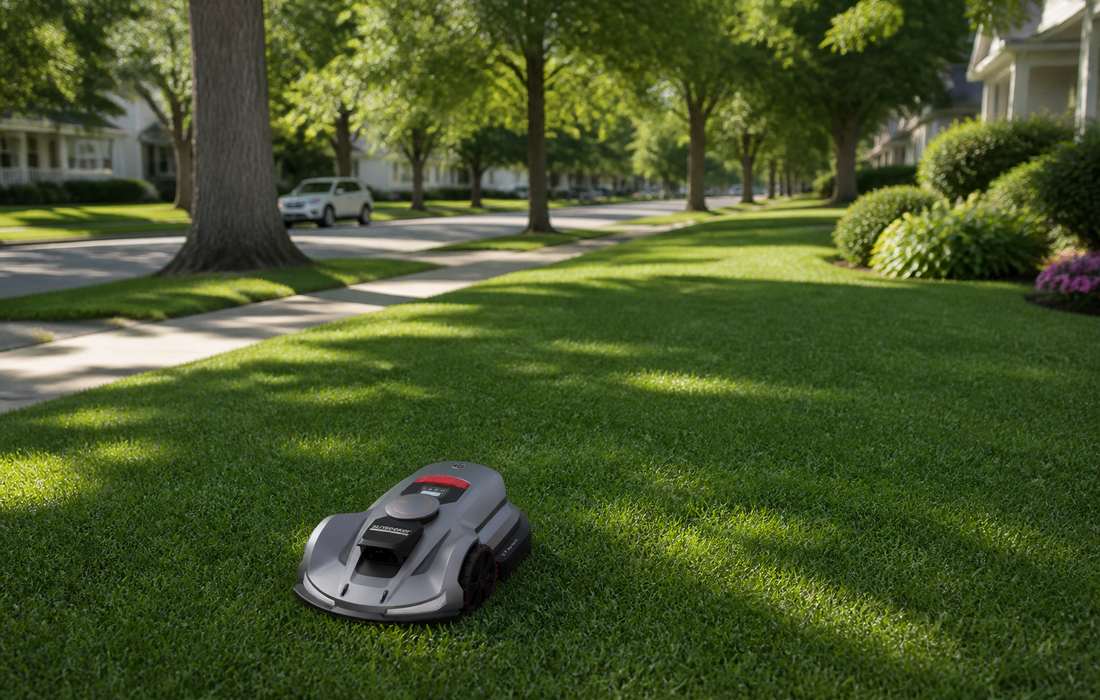
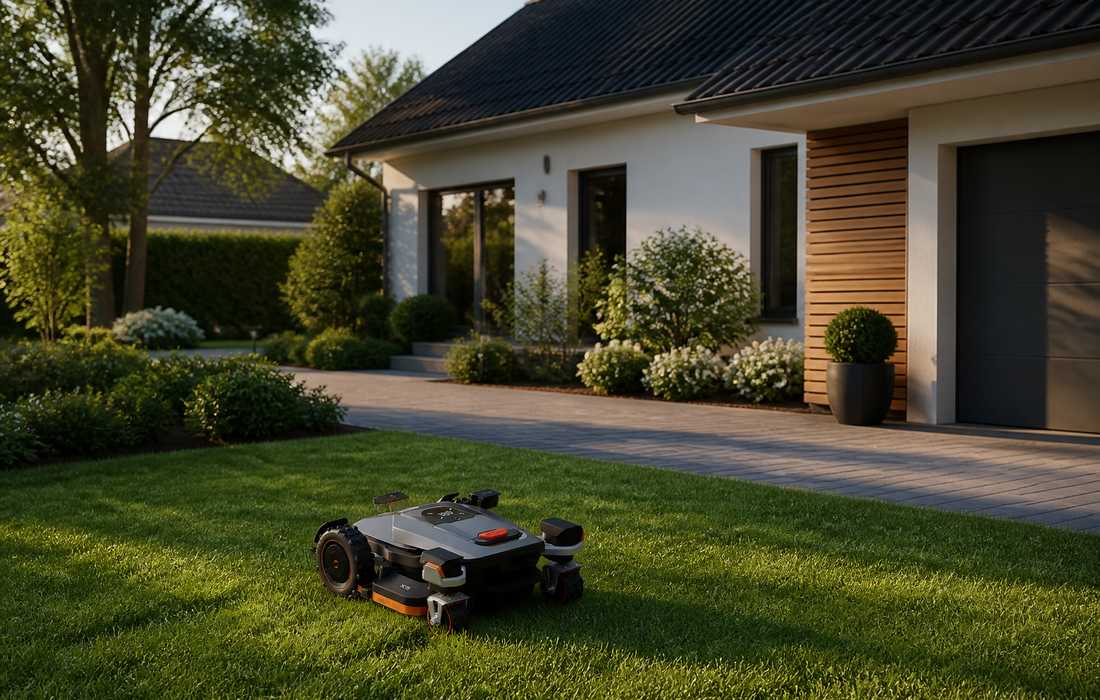
If you use robot lawn mowers, they are not designed for dethatching blades. They work best for frequent light mowing and keeping grass at a steady height. For thatch removal, use a manual rake, power rake, or dedicated dethatcher, then return to the robot mower for regular lawn care.
Small Lawn vs Large Lawn
For a small lawn with light thatch, a compatible dethatcher blade for push mowers can be practical. For larger lawns, thick thatch, or renovation work, a dedicated dethatcher, power rake, or vertical mower is usually more efficient. Push mower dethatching blades are often better for occasional maintenance than heavy restoration.

How to Use a Lawn Dethatcher for Push Mowers Safely
When dethatching a lawn with your mower, you should take more care than during regular mowing. The goal is to lift excess thatch without tearing up healthy grass crowns or digging into the soil.
Prepare the Lawn First
Check the thatch layer before you begin. Cut a small wedge of grass and soil, then measure the brown, spongy layer between the green grass and the soil surface. Dethatching is most useful when thatch is thick enough to block airflow, water, and nutrients. A very thin layer does not need removal.
Mow the lawn slightly shorter than normal before dethatching, but do not scalp it. Remove sticks, stones, toys, and other debris that could hit the blade. Choose a dry day with moderate temperatures. Avoid dethatching when the lawn is dormant, drought-stressed, newly seeded, or recovering from disease.
Install the Dethatching Blade Correctly
Turn off the mower and disconnect the spark plug wire or power source before touching the blade area. Tip the mower according to the manufacturer’s instructions, then remove the regular blade carefully. Install the dethatching blade with the included adapters or hardware, making sure it is centered, tight, and facing the correct direction.
Spin the blade by hand before starting the mower to confirm it clears the deck. If anything rubs, wobbles, or feels unstable, stop and recheck the fit.
Set the Right Cutting Height
Begin with a higher setting rather than the lowest one. The tines or dethatching lines should brush through the thatch layer, not dig deeply into the soil. If the mower is set too low, it may scalp the lawn, pull healthy grass, or damage roots.
Test a small hidden area first. If too much green grass is being ripped out, raise the deck or stop using the blade.
Dethatch in Controlled Passes
Move slowly in straight, steady lines. Overlap each pass slightly so the lawn is treated evenly. Do not rush, bounce the mower, or repeatedly run over the same area. One pass is often enough for light buildup.
For heavier thatch, it is safer to make a second light pass in a different direction than to force the blade too low in one aggressive pass.
Rake and Remove Loose Thatch
After dethatching, the lawn may look messy. That is normal. Use a rake, bagging mower, or lawn sweeper to collect the loosened thatch. Do not leave thick piles of dead material sitting on the grass, because they can block sunlight and airflow.
Water and Help the Lawn Recover
Dethatching stresses the lawn, so recovery care matters. Water the lawn deeply after cleanup if the soil is dry. Overseed thin spots if needed, and apply compatible fertilizer if necessary to help your grass recover.
Common Mistakes to Avoid When Using a Push Mower Dethatching Blade
A lawn dethatcher for push mowers can be helpful, but small mistakes can quickly turn a lawn-care project into lawn damage. Watch for these common problems before you start.
- Dethatching When the Lawn Does Not Need It: Do not dethatch just because the lawn looks dull. First, measure the thatch layer. A thin layer can protect soil and retain moisture. Removing it unnecessarily can stress healthy grass.
- Setting the Blade Too Low: This is one of the fastest ways to damage a lawn. A dethatcher attachment for the push mower should lift thatch, not grind into soil or tear up grass crowns. Start high and adjust gradually.
- Dethatching During Heat or Drought: Hot, dry, or dormant grass struggles to recover. Dethatch during active growth, with enough moisture and mild weather. Cool-season grasses are often dethatched in late summer or early fall, while warm-season grasses are usually treated after spring green-up into early summer.
- Ignoring Blade Compatibility: Never force a dethatching blade onto a mower that is not designed for it. This is especially important for electric lawn mowers, lightweight decks, and specialty blade systems.
- Leaving Thatch Debris on the Lawn: Loose thatch must be removed after the job. If it stays on the lawn, it can smother grass and slow recovery.
Conclusion
A dethatching blade for a push mower can be a practical tool for removing light to moderate thatch, but it works best when the mower, blade, and lawn conditions are all suitable. Check compatibility first, use the blade gently, and avoid dethatching when your lawn is stressed.
After the job, rake away debris and support recovery with water, overseeding, or proper fertilizer. For everyday lawn care, regular mowing with electric push mowers or robot lawn mowers can simplify routine lawn maintenance and keep grass healthier between occasional dethatching sessions.
FAQs
Does a dethatching blade on a lawn mower work?
Yes, a dethatching blade can work for light to moderate thatch. It uses tines, prongs, or flexible lines to loosen dead grass and matted debris. However, a push lawn mower dethatcher attachment is not as strong as a dedicated dethatcher or power rake for heavy buildup.
Is it better to rake or dethatch?
It depends on the lawn condition. A dethatching rake works well for small areas or light buildup, but it takes more physical effort. A mower dethatching blade or dedicated dethatcher is better for larger areas or thicker thatch that needs more consistent removal.
Do you dethatch before or after mowing?
Dethatch after mowing the lawn slightly shorter than usual. Shorter grass allows the dethatching blade or rake to reach the thatch layer more easily. Do not scalp the lawn, and always remove sticks, stones, and debris before dethatching.
Can you dethatch with any push mower and dethatcher?
No. Not every push mower can safely use a dethatching blade or attachment. You need to check the mower manual, deck size, blade mount, center hole, and attachment instructions. Also, many electric mowers and robot mowers are not designed for dethatching. If the blade does not fit correctly, use a dedicated dethatcher instead.