

Buyer's Guide
5/8/2026
Contents
Products
Residential Lawns

Commercial Landscapes
Explore
Where to Buy


A commercial push mower makes sense when regular residential machines feel too slow, too light, or too maintenance-prone for the job. The right choice depends on lawn size, terrain, power access, and daily workflow. Wider decks save time on open grass, while robotic, corded electric, and gas models each suit different commercial routines.
If you're maintaining large lawns professionally or dealing with terrain that outpaces a typical residential mower, a commercial push mower is worth a serious look. These machines are built for sustained use, tighter cutting precision, and longer service life than their consumer-grade counterparts. The challenge is that the market has expanded significantly, and picking the wrong model wastes both money and time. This guide covers the best commercial push lawn mowers available in 2026, what separates a good one from a great one, and what to look for before committing to a purchase.
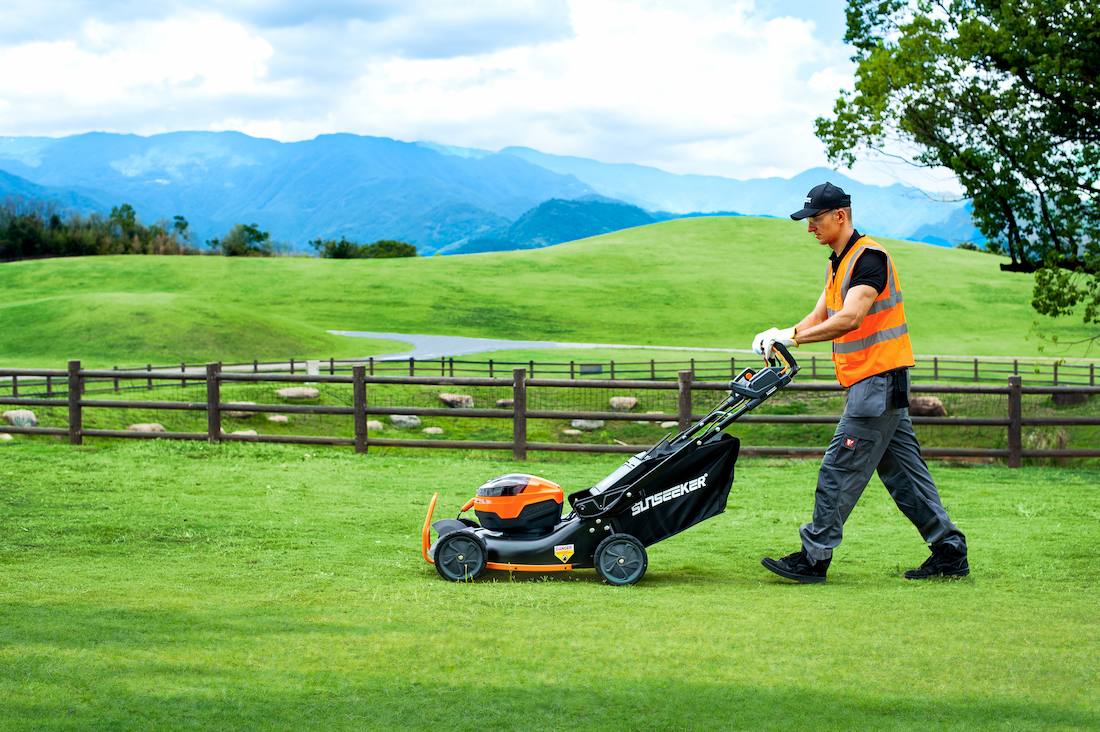
The models below cover a range of power sources, cutting widths, and operation styles. Each fits a different type of commercial use case.
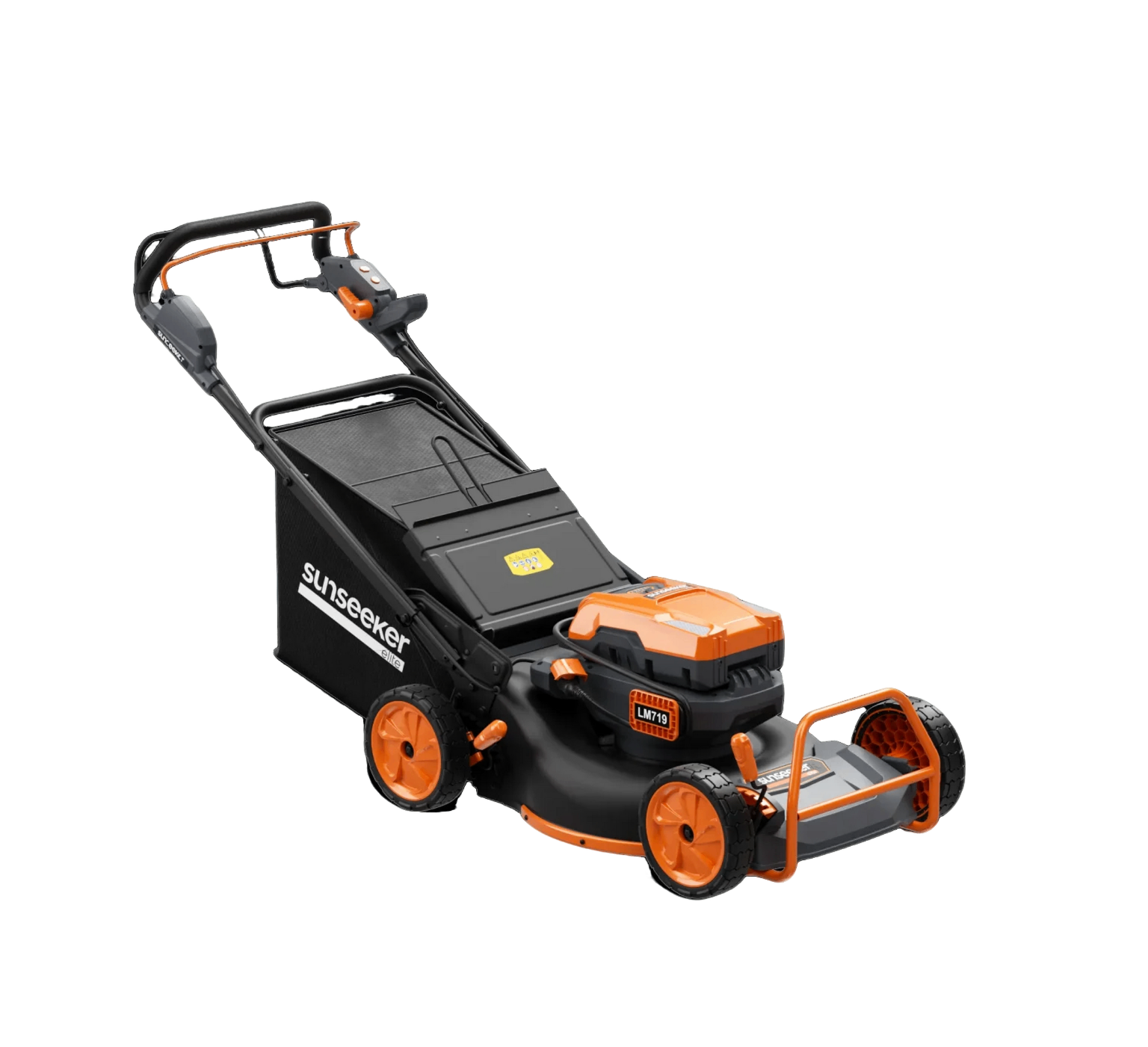
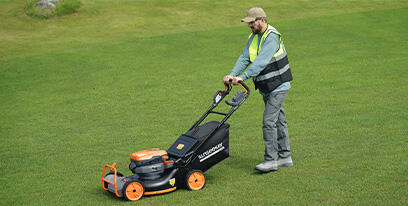
The LM719 is a corded commercial walk-behind with a 560 mm steel deck and an optional dual-blade system that produces a cleaner cut per pass than single-blade alternatives. The 6-position cutting height and 3-in-1 output options let you switch between mulching, bagging, and discharge to match the site conditions. For fixed commercial sites with power access, the Sunseeker commercial lawn mower (Plug-in Connect) is always ready to run. No charging wait, no fuel run, just plug in and start.
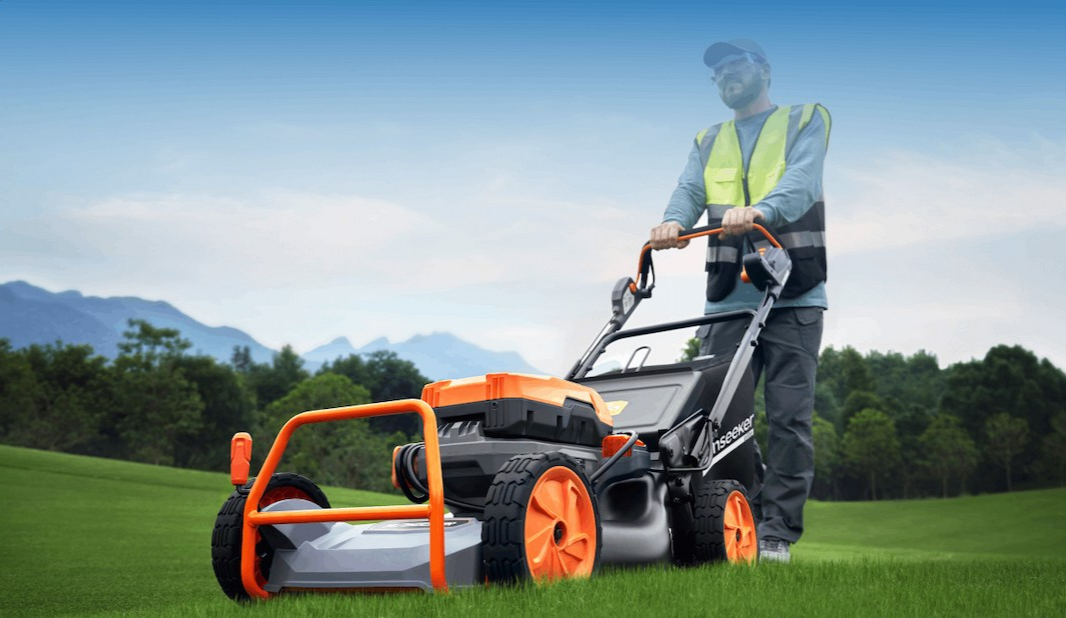
A dependable gas option for crews running multi-property routes. The 53-cm NeXite deck resists rust and denting over years of daily use, and the 4-in-1 Versamow System switches between mulching, bagging, discharge, and leaf shredding without any tools. Clippings come out fine enough that the bag fills about 30% more slowly than a standard single-blade setup. The Select Drive system lets you dial in your walking speed from 0 to 6.5 m/s, and a 5-year warranty covers the full unit.
The TimeMaster 30 is built around a 76-cm deck, which cuts the time needed to cover a large open lawn by up to 40% compared to a standard 53-cm mower. The Dual-Force blade system mulches clippings fine enough that they settle back into the turf without leaving visible clumps. Personal Pace self-propel matches your walking speed automatically, and the Spin-Stop feature lets you step away from the handles without shutting off the engine.
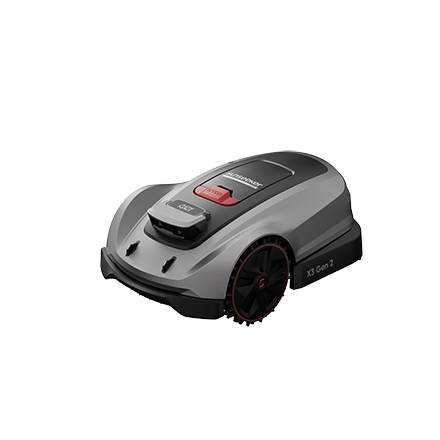
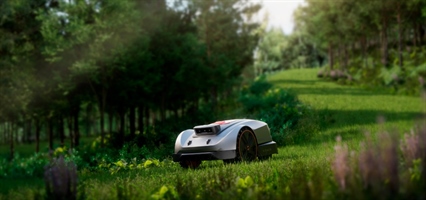
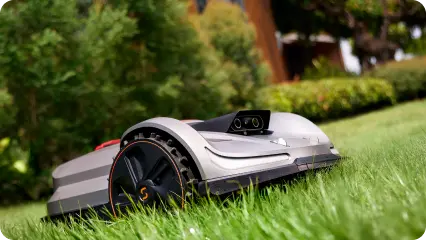
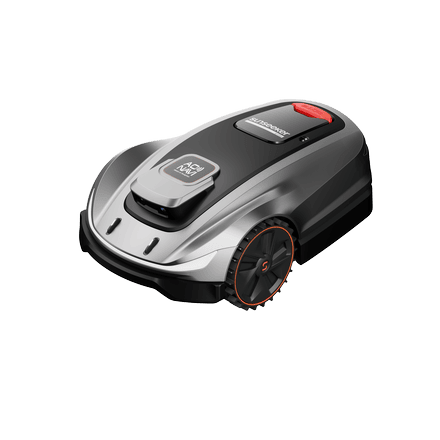
For some commercial spaces, a push mower is not the only option. If you manage lawns that need frequent trimming, steady upkeep, or quieter operation, a robotic mower can reduce daily hands-on work. Here are two choices from Sunseeker:
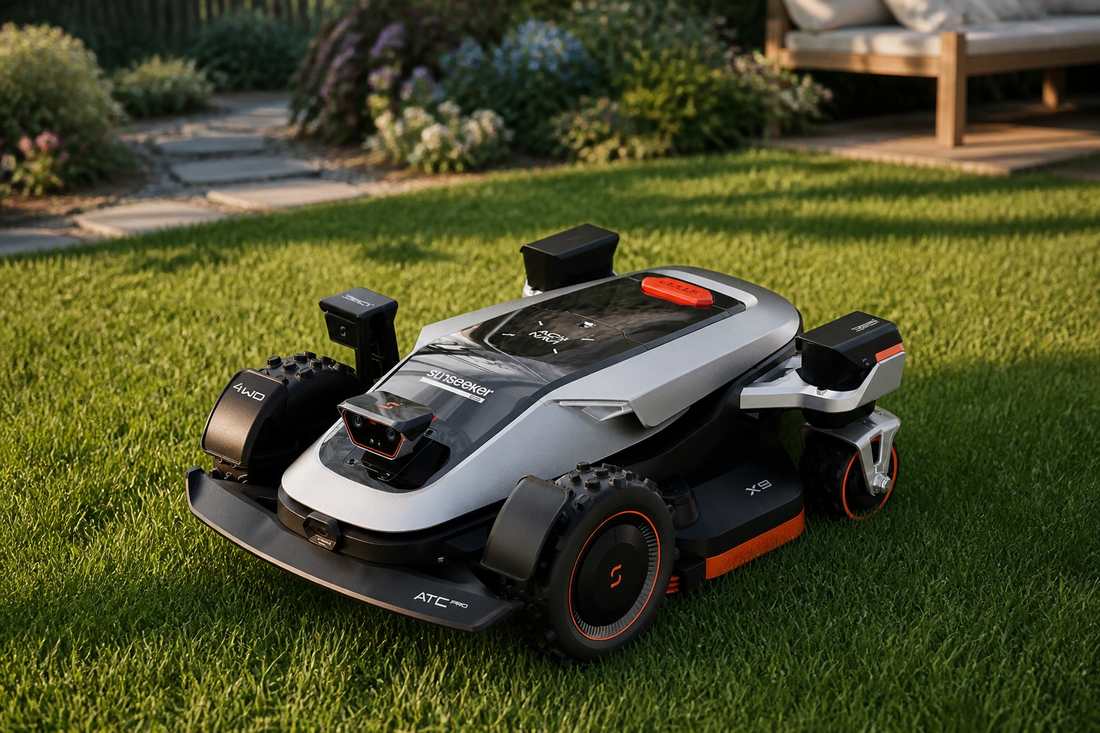
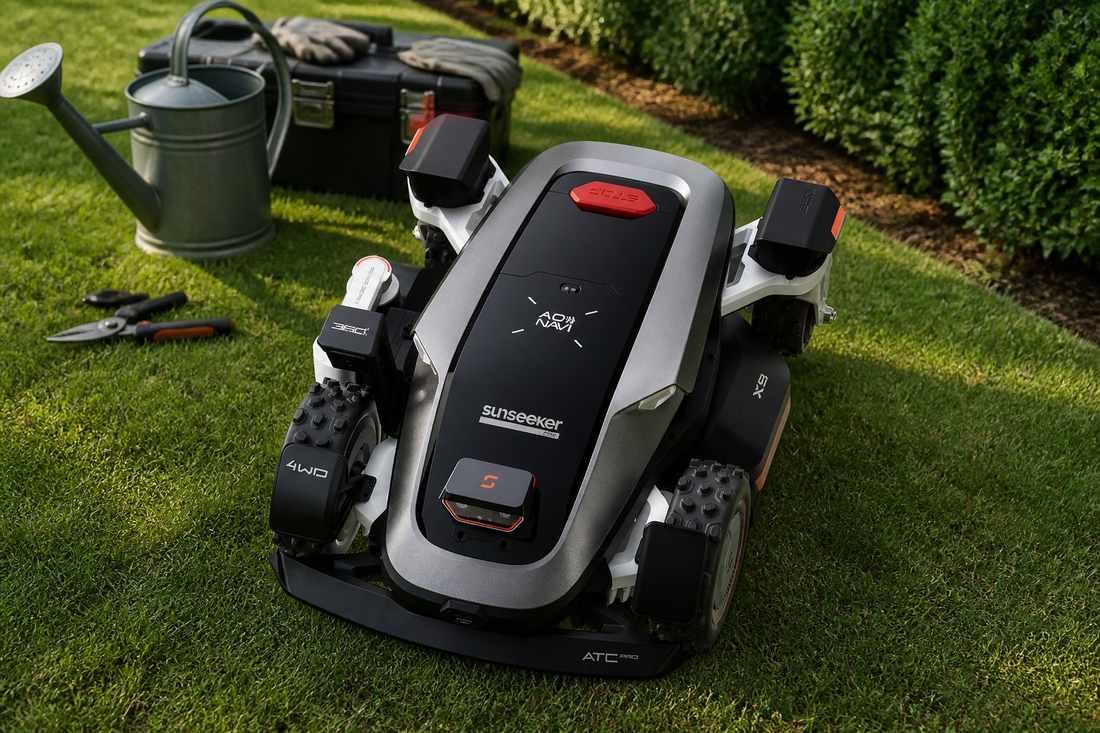
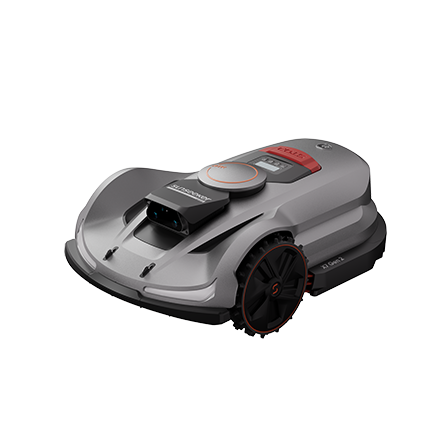
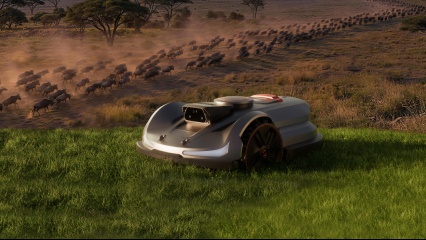
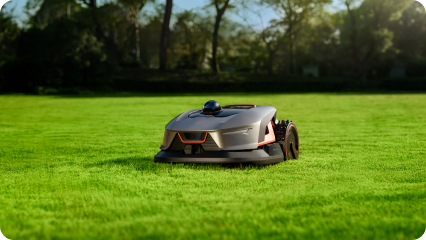
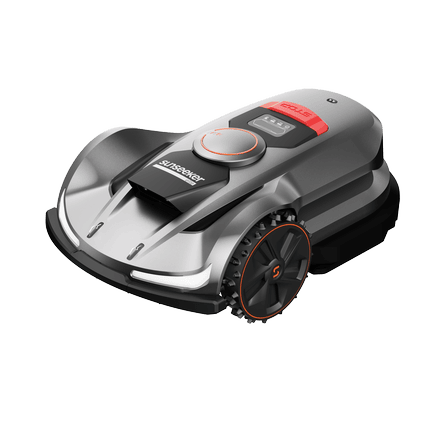
For commercial properties where labor cost on routine mowing adds up fast, the X7 and X7 Plus work without an operator present. Set the schedule once through the app, and the mower runs its route, navigates around trees, flowerbeds, and hedges on its own, and returns to charge when the battery is low. You don't need to check on it or redirect it when something gets in the way. If a pet wanders onto the lawn or someone leaves equipment out, the mower detects it and goes around.
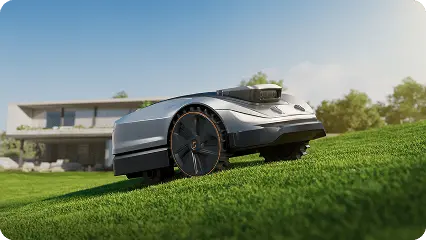
It covers up to 6,000 m² in a single session, enough for a large hotel garden or sports ground to be finished in one run with no manual follow-up. It holds its line even in dense shade where other robotic mowers tend to drift and leave missed strips, and slopes up to 70% are handled in the same pass rather than needing a separate crew visit. The Sunseeker Elite X7/X7 Plus is worth considering when the goal is taking routine mowing off the crew's task list entirely.
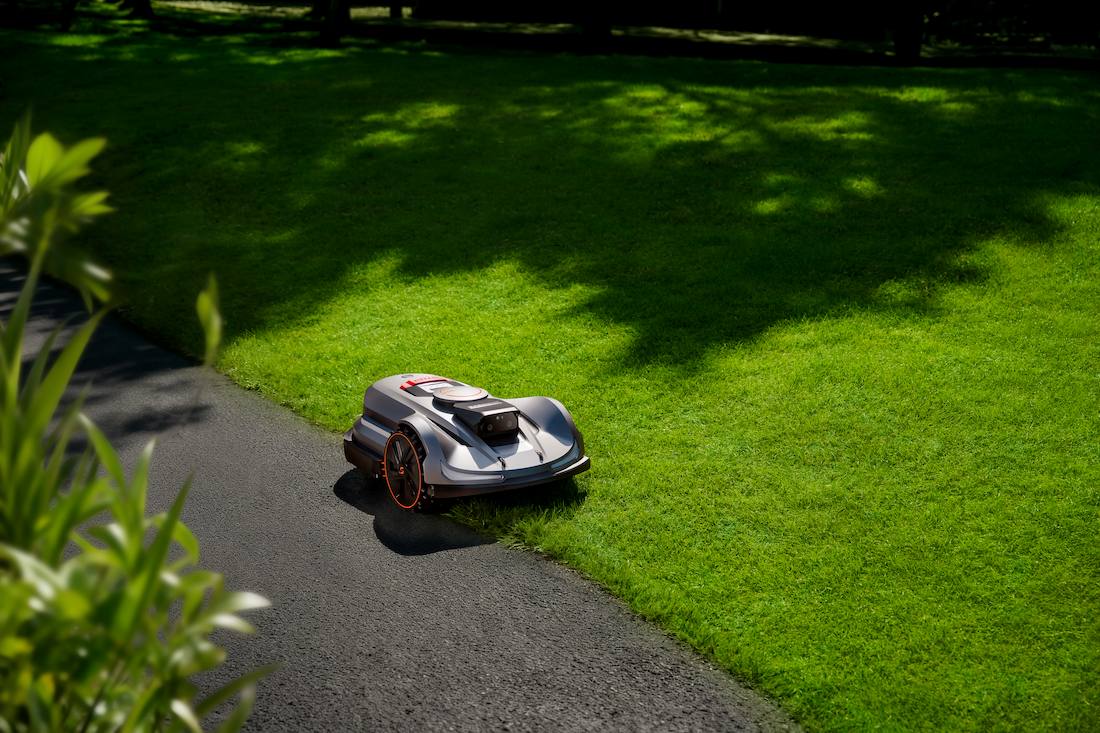
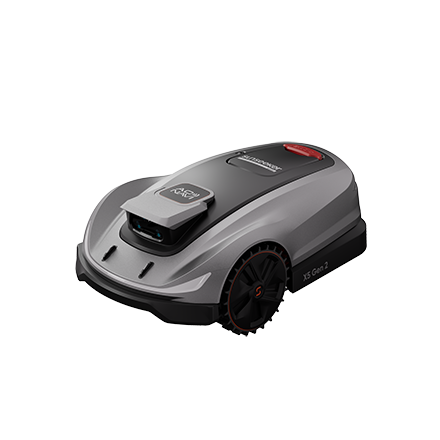
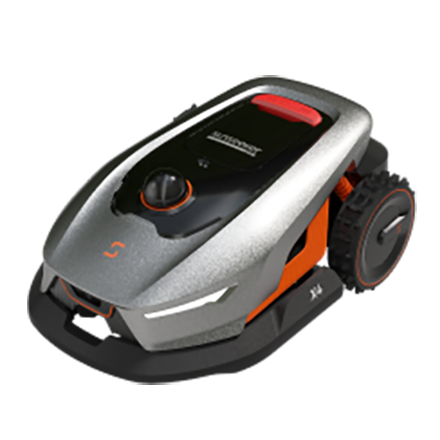
The X5 does the same job as the X7 on properties that don't need the larger coverage capacity. Where the X7 suits wide open areas, the X5 is built for layouts with tight corners, narrow passages, or decorative planting that a bigger machine would struggle around. It turns in place cleanly without leaving scuff marks or flattened grass at the pivot point, which matters on finer turf, and the AWD system handles slopes up to 60% so uneven ground doesn't need a separate follow-up pass.
It also detects rain automatically and returns to the charging station on its own, so sessions don't get interrupted by weather and you don't need to retrieve it manually. The cutting height adjusts between 20 and 60 mm, which covers everything from close-cropped commercial turf to longer decorative grass without swapping any parts. Like the X7, it runs on a set schedule and handles its own navigation without boundary wire buried in the ground. The Sunseeker Elite X5 suits operations where autonomous mowing makes sense but the property size doesn't justify the larger model.
Not every spec on a product page translates to real-world value. A few specific features have a much larger impact on day-to-day commercial use than others.
Cutting width directly affects how long each job takes. A wider deck means fewer passes across the same lawn, which adds up significantly over a full day of work. Steel decks hold up better than plastic under repeated impact and last longer across seasons of daily use.
Match deck size to your most common property type:
Best commercial walk behind mower decisions often come down to how you manage power across a workday. Gas mowers run as long as you have fuel on hand and are easy to service through established networks. Corded electric options never need charging and work well at fixed sites where an outlet is nearby. Robotic battery models take the operator out of the equation for routine cuts, which is a different kind of efficiency altogether.
On longer jobs, a bad drive system costs you more in fatigue than it saves in time. Self-propelled rear-wheel drive handles slopes and wet grass better than front-wheel alternatives, and variable speed that responds to your natural pace is easier to use than a fixed-speed lever. A few other things worth checking:
The best commercial robotic lawn mower for your operation depends on property size, power logistics, and how much you want to reduce hands-on operator time. The Sunseeker 60V Plug-in Connect is a straightforward corded walk-behind for fixed sites that want no fuel overhead. Gas models from Honda and Toro remain reliable choices for multi-property routes where fuel access is easy. Robotic options like the Sunseeker X7 Plus and X5 remove routine mowing from the crew's schedule entirely. Match the right tool to your actual workflow and the time savings show up quickly.
Commercial push mowers are worth it if you're maintaining lawns at a professional level or covering large areas that a residential mower can't handle reliably. They're built for longer runtimes, more consistent cut quality, and greater durability under frequent use. For anyone running a lawn care business or managing multiple commercial properties, the investment typically pays off within a season in time saved and fewer breakdowns.
A well-maintained commercial push mower typically lasts 10 to 15 years, and some gas models run longer with regular engine servicing. The biggest factors are how consistently the blades are sharpened, whether the deck is cleaned after each use, and whether seasonal maintenance like oil and filter changes is kept up. Corded electric models tend to have fewer moving parts to wear out, which can extend their working life beyond gas equivalents.
12000 m² is at the upper edge of what a residential mower handles comfortably, but it doesn't automatically require a commercial machine. A quality walk-behind with a 76 cm deck can cover 12000 m² if the terrain is flat and mowing happens weekly. A commercial mower becomes the better choice when you're covering that area on a paid service route, dealing with slopes or thicker turf, or mowing more frequently than once a week.