




Buyer's Guide
5/8/2026
Contents
Products
Residential Lawns


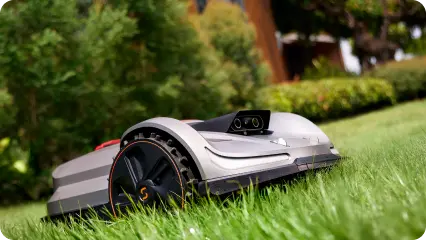

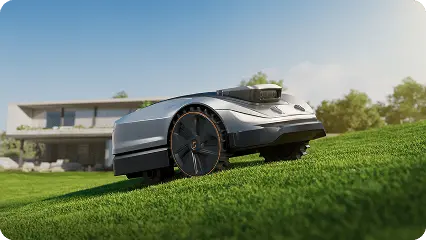
Commercial Landscapes
Explore
Where to Buy


Wire-free robot lawn mowers are a good fit for people who want automated mowing without burying or repairing boundary wires. The main thing to check is how the mower finds its way around your yard. Open lawns may work well with RTK, while shaded or complex spaces often need hybrid navigation with cameras, AI, or visual mapping.
Maintaining a pristine lawn used to require hours of manual labor or the tedious installation of underground boundary wires. However, as we move into 2026, the landscape of lawn care has shifted. The best robot lawn mower without perimeter wire now utilizes satellite positioning, vision AI, and advanced mapping to navigate your yard with centimeter-level precision.
These wireless wonders eliminate the risk of broken wires and offer the flexibility to change your mowing zones with a simple tap on a smartphone. In this guide, we review the top five models this year, focusing on innovation, reliability, and cutting performance.
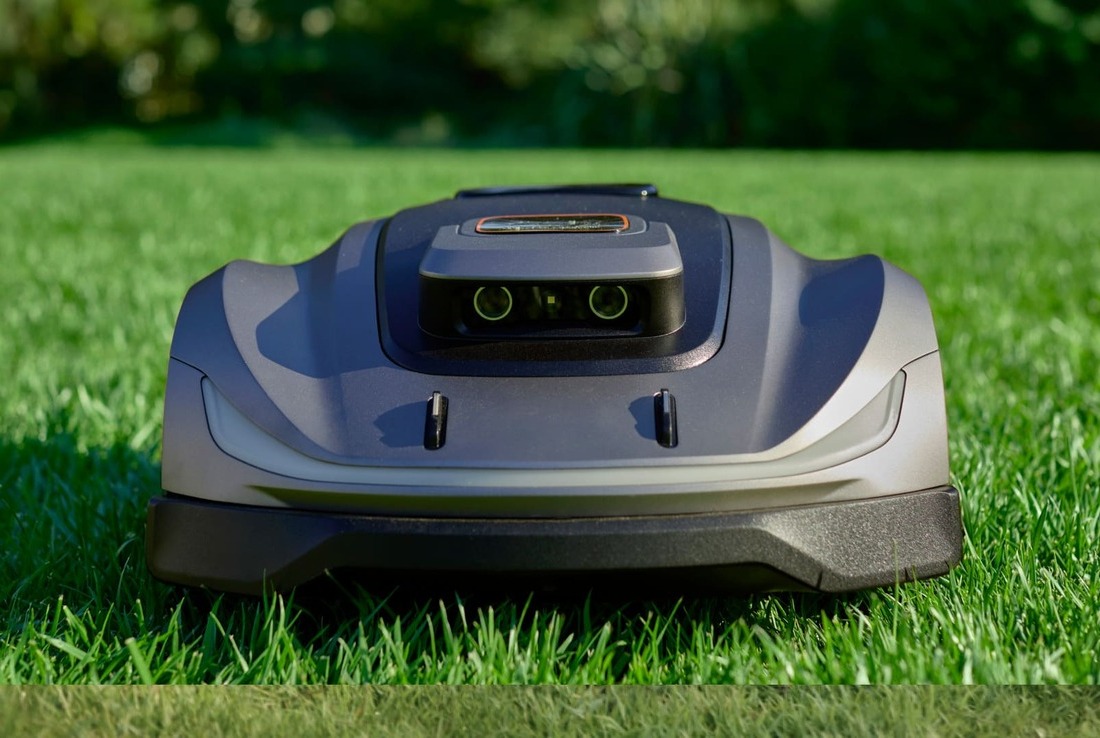
Wire-free robot lawn mowers bring cleaner setup, smarter navigation, and less yard disruption. This 2026 roundup covers five standout models for effortless lawn maintenance.
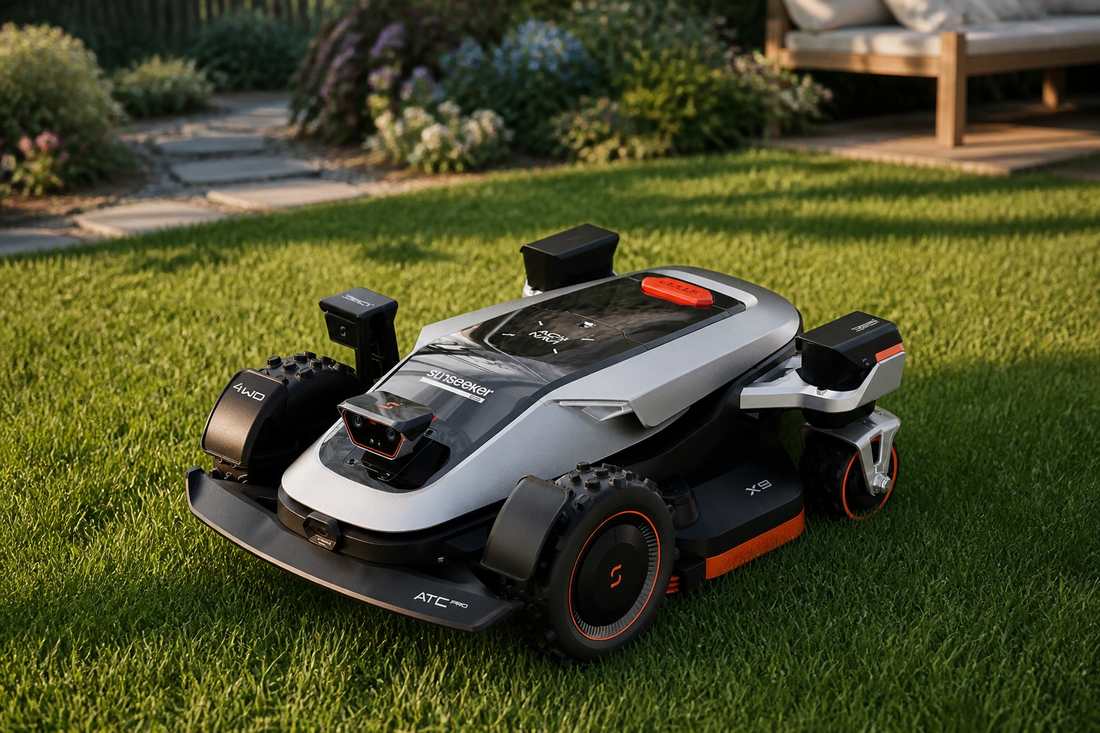
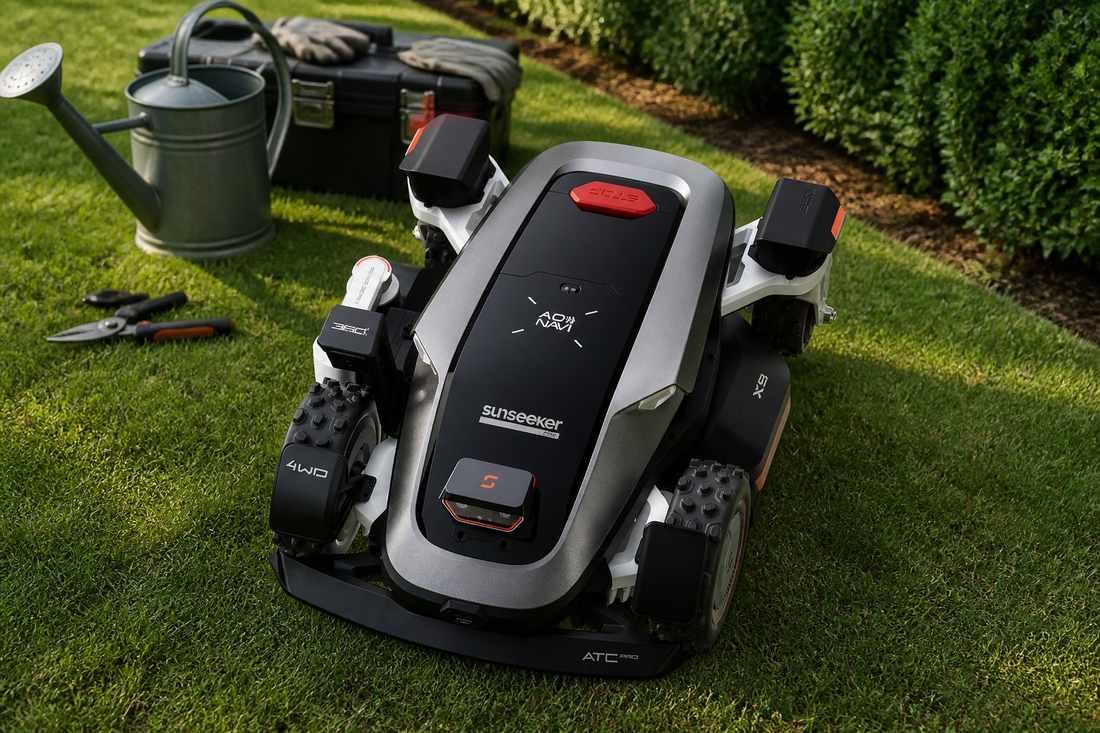
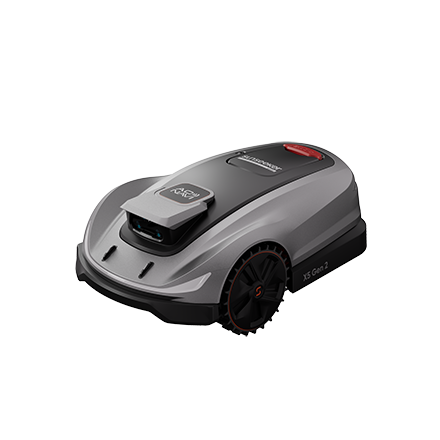
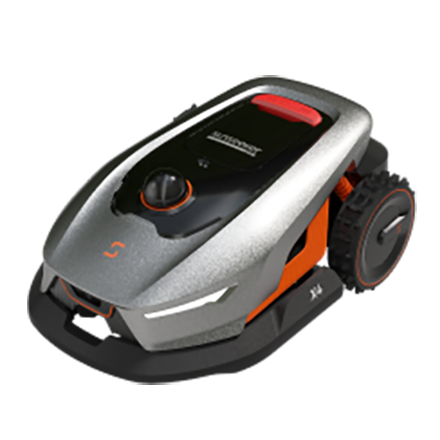
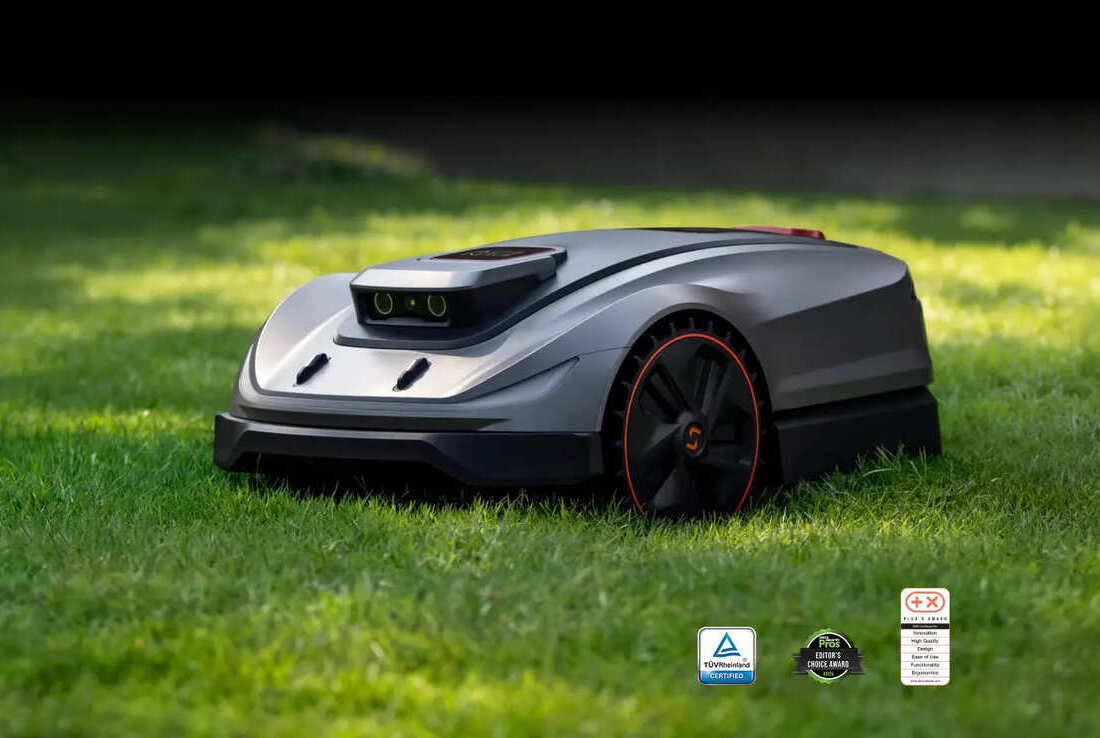
The Sunseeker Elite X5 represents the pinnacle of autonomous lawn care for medium-to-large residential yards. Its standout feature is the proprietary AONavi™ (Always-On Navigation) system. By fusing RTK-GNSS satellite data with VSLAM visual technology, the X5 solves the biggest headache of wireless mowers: signal loss under trees or near tall walls.
The X5 is designed for those who want a "set it and forget it" experience. Its Vision AI can detect over 200 types of obstacles, ensuring it maneuvers around garden gnomes, pets, and forgotten toys without a hitch. With an All-Wheel Drive (AWD) system and independent front suspension, it handles 60% (30°) slopes with ease, making it a top contender for the best wireless robot mower for complex terrains.
A titan in the industry, Husqvarna’s NERA series continues to be a premium choice in 2026. Utilizing the EPOS (Exact Positioning Operating System), this mower relies on a plug-and-play satellite kit to define boundaries. It offers robust build quality and a sophisticated app interface. While highly reliable, it often requires a clear line of sight to the sky, making it slightly less versatile than hybrid vision-based systems in heavily wooded lots.
Segway has rapidly become the best robot lawn mower without perimeter wire for the modern suburban homeowner. Its EFLS 2.0 system attempts to solve the RTK signal drop problem by adding a Vision AI camera to assist navigation.
It offers one of the most polished app experiences in the industry. For simple, smaller yards with minimal obstacles, it provides high-precision cutting without the "random bounce" of older models. It is a "Walled Garden" system. Its small cutting width and limited battery life make it unsuitable for properties over 800 m².
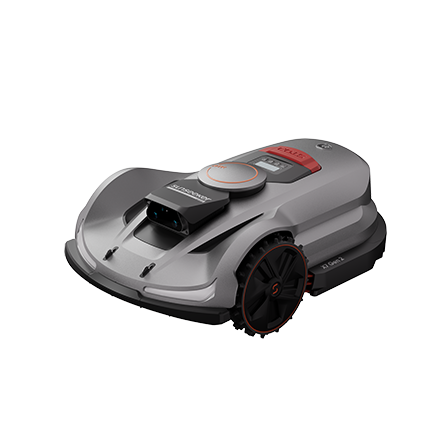
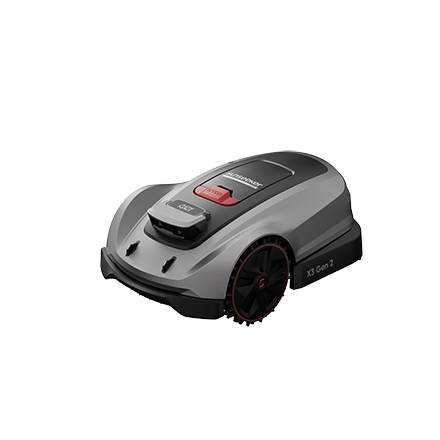
For those managing expansive estates or professional landscapes, the Sunseeker Elite X7 Gen 2 is a powerhouse. This series introduces AONavi™ 2.0, which incorporates Network RTK (nRTK). This means you no longer need to install a physical RTK base station antenna in your yard; it connects directly to local networks for centimeter-level accuracy right out of the box.
Equipped with an industry-leading 10 TOPS AI chip, the X Gen 2 processes environmental data twice as fast as its predecessors. Better still, the X7 Gen 2 and X7 Plus Gen 2 feature a massive 35 cm dual cutting disc system and can climb slopes up to 70% (35°), making it the best wire free robot mower for steep, hilly properties. It even offers "Lawn Art" features, allowing you to program custom patterns into your grass.
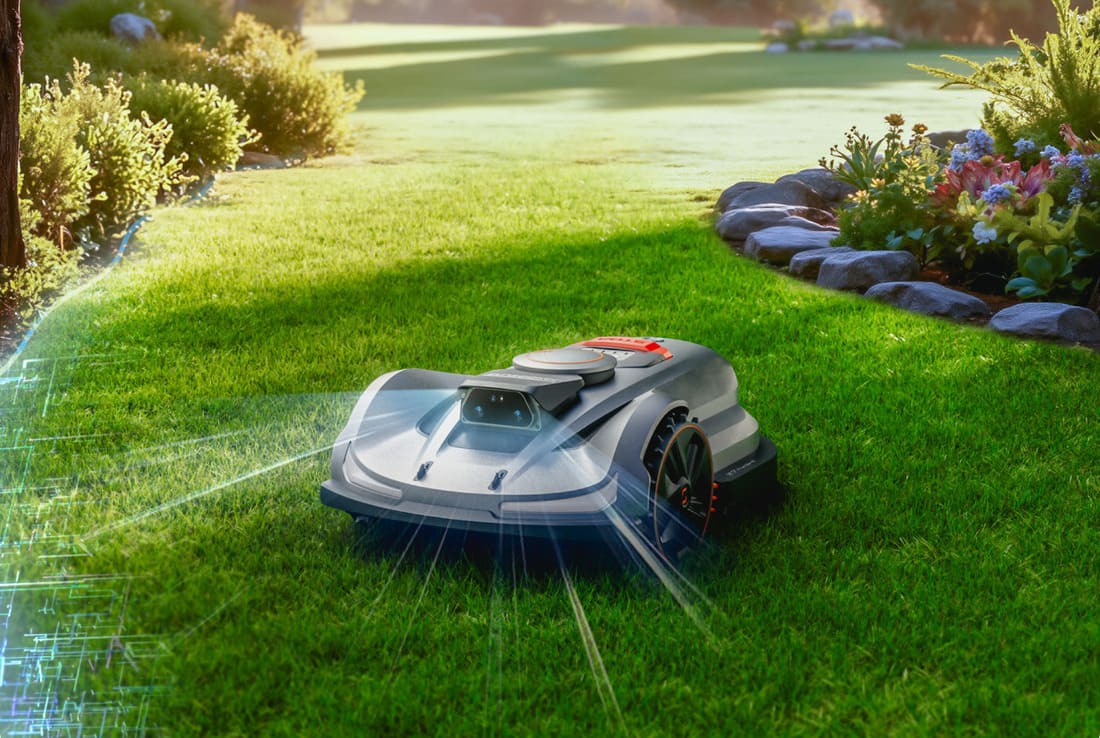
The GOAT G1 occupies a unique niche in the best robotic lawn mower without wire market. Instead of relying on satellites (RTK) or physical wires, it uses "Wireless Beacons"—small white stakes you place around your yard. Complex yards with zero satellite visibility where the user is willing to trade a bit of yard aesthetics for navigation uptime.
|
Model |
Navigation Tech |
Signal Reliability |
Setup Difficulty |
No External Base Station? |
Best For |
|
Sunseeker Elite X5 |
✅ Hybrid (RTK+VSLAM) |
✅ Perfect (Always-On) |
✅ None (Drop & Go) |
✅ None Required |
Complex/Wooded Yards |
|
Husqvarna 430X NERA |
RTK-GPS (EPOS) |
❌ Struggles in Shade |
❌ Complex (Large Kit) |
❌ Required (Large) |
Premium Traditionalists |
|
Segway Navimow i Series |
EFLS 2.0 (Vision+RTK) |
Mixed in Shadows |
Needs Small Station |
❌ Required (Small) |
Smaller Urban Lawns |
|
Sunseeker Elite X7 Gen 2 |
✅ nRTK (Network RTK) |
✅ High Stability |
✅ None (Digital Setup) |
✅ 100% Antenna-Free |
Hilly/Large Estates |
|
EcoVacs GOAT G1 |
❌ Beacon-based (W-VLOC) |
✅ Stable (Local) |
❌ Manual Beacon Placement |
✅ No Antenna (Uses Stakes) |
Open Suburban Yards |
When shopping for the best no wire robot mower, your yard's 'Signal DNA' is the most important factor. While the best robot lawn mower without boundary wire offers freedom from trenches, you must choose between satellite (RTK) and vision-based systems (VSLAM).
The best wireless robot lawn mower models typically use one of three technologies to replace the traditional boundary wire:
1.RTK-GNSS:Real-Time Kinematic GPS uses a base station (or a network) to correct standard satellite signals, providing centimeter-level precision.
2.VSLAM:Visual Simultaneous Localization and Mapping uses cameras to "read" the environment, identifying landmarks like trees, paths, and house corners to determine its position.
3.Vision AI:Sophisticated algorithms allow the mower to distinguish between grass and non-grass surfaces (like flower beds or sidewalks) in real-time.
Modern leaders in the field combine these technologies into a single system, ensuring the mower never loses its place, even if it loses sight of the sky.
Wire-free robot mowers offer easier installation, flexible mapping, and a cleaner lawn setup, but they also come with trade-offs. Consider these benefits and limitations before buying.
The era of the best robot lawn mower without perimeter wire has arrived, offering homeowners unprecedented freedom and a perfectly manicured lawn with zero manual effort.
Investing in a wire-free mower is not just about cutting grass; it is about reclaiming your weekends. With AI-driven obstacle avoidance and smart path planning, these machines are more than just tools—they are intelligent companions for your home.
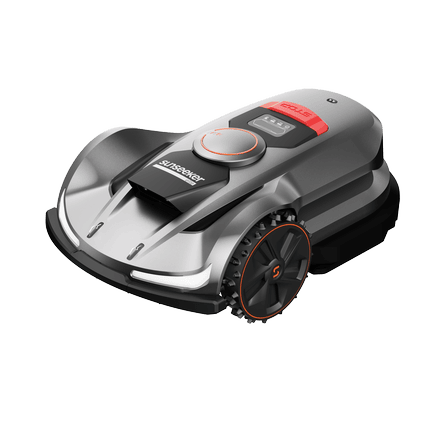
The Sunseeker Elite X5 is one of the top all-around performers for 2026. Its AONavi™ technology merges visual mapping (VSLAM) with satellite precision (RTK), ensuring 100% navigation uptime in complex or wooded yards.
No. Modern models use "virtual boundaries" created through RTK-GPS, VSLAM, or Vision AI. This eliminates the need for digging trenches or fixing broken physical wires, allowing for setup via a smartphone app.
A robot lawn mower without perimeter wire usually costs around $700 to $5,500. The price depends on lawn size, navigation type, cameras, RTK, LiDAR, and slope handling.