










FAQs
4/14/2026
Contents
Products
Residential Lawns






Commercial Landscapes
Explore
Where to Buy


Edwin Budding invented the first lawn mower in 1830. Since then, mowers evolved from manual reels to gas, rotary, electric, and robotic models. Future trends focus on automated, eco-friendly systems with GPS, AI, and app control for efficient, low-effort lawn care with reduced labor and emissions.
Ever wondered who invented the lawn mower and how it became such a common tool today? Before lawn mowers existed, keeping grass neat was a time-consuming job done with hand tools, often leaving uneven results. That all changed in the 1800s with the invention of the first lawn mower. In this blog, we will dive into the lawn mower inventor and history, when the first lawn mower was invented, how these machines evolved over time, and the future trends shaping lawn care.
Edwin Beard Budding, a British engineer born in 1796, invented the first practical lawn mower in 1830. While working in textile mills, he noticed a machine that used a rotating cylinder with blades to shear wool for a smooth finish. Inspired by this, he realized the same mechanism could cut grass evenly.
So, when was the first lawn mower invented? On August 31, 1830, Budding patented “a new combination and application of machinery for cropping or shearing the vegetable surface of lawns, grass-plats, and pleasure grounds.” His early model, about 48 cm wide, featured a reel of blades and was pushed from behind, with gears driving the cutting action.
He partnered with John Ferrabee to manufacture it, and Ransomes of Ipswich later produced versions. Budding designed the mower mainly for sports grounds and large estates, and it greatly outperformed traditional hand tools. He passed away in 1846 without fully seeing the massive impact of his invention. His invented lawn mower, however, laid the foundation for all modern lawn care technology.
The lawn mower has come a long way since the first lawn mower was invented in 1830. Over nearly two centuries, the technology has evolved from simple manual machines to powerful, automated systems. Below is a look at the main stages in the invention of lawn mower technology.
The reel mower, also called the cylinder mower, is the closest to Edwin Budding’s first lawn mower invented. It uses a rotating cylinder of blades that shear the grass against a fixed bed knife, producing a clean and precise cut. Early models were hand-pushed, while later versions were horse-drawn for larger estates. Reel mowers became a standard for formal lawns and sports grounds because they deliver a healthy, even cut without damaging the grass.
The late 19th century saw the introduction of powered mowers, making lawn care less physically demanding. In the 1890s, steam-powered lawn mowers were developed, followed by gasoline-powered models in the early 1900s. These machines could handle larger lawns and estates much more efficiently than hand-pushed mowers.
With engines driving the blades, mowing became faster, more consistent, and accessible for the growing suburban landscape. This stage marked a significant milestone in the evolution of lawn mower technology, bridging the gap between manual labor and mechanized lawn care.
Rotary mowers, which use a horizontally spinning blade under a deck, became widely used in the 1920s and 1930s. Unlike reel mowers, rotary machines are better at cutting taller or uneven grass and are more versatile for residential lawns.
African American inventor John Albert Burr made notable improvements to the rotary mower in 1899, enhancing traction and designing blades that reduced clogging with grass clippings. His work contributed to safer and more efficient rotary mowers, which remain a cornerstone of modern lawn care.
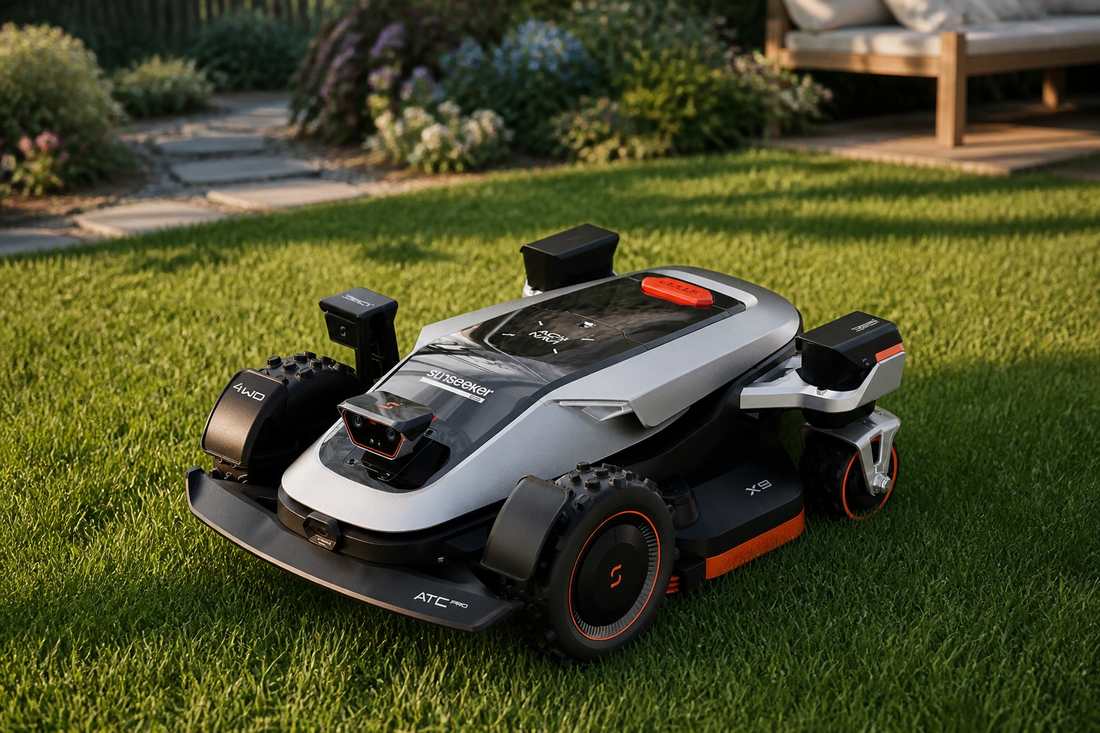
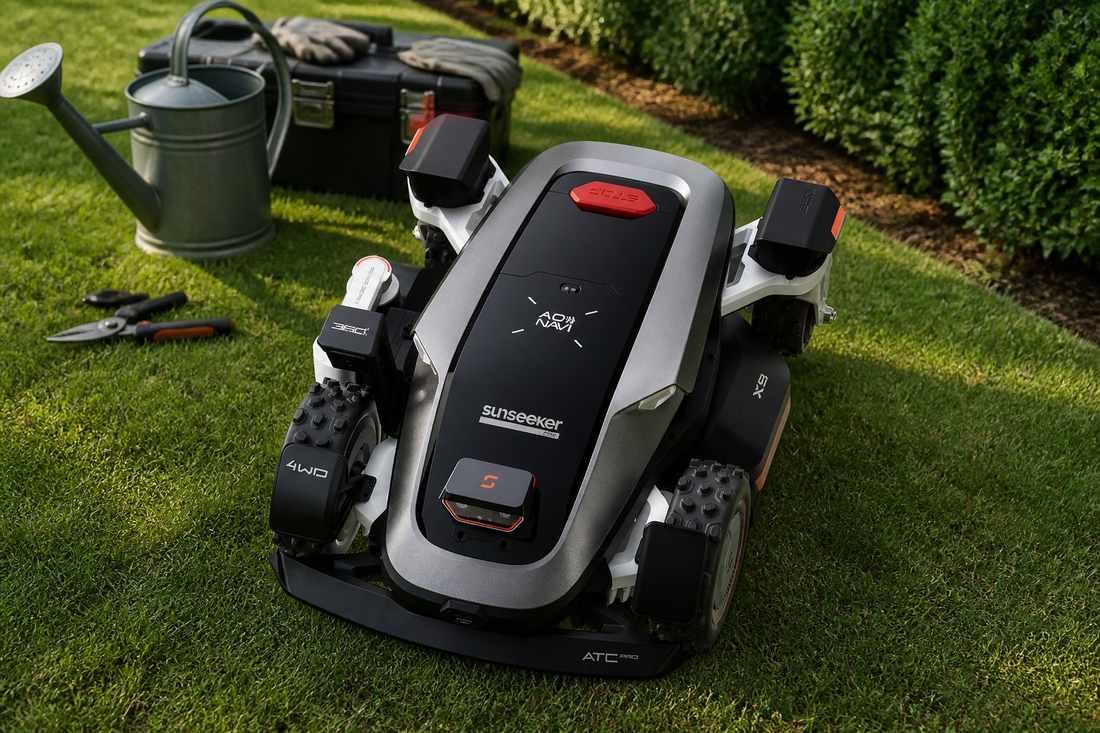
The mid-20th century introduced electric lawn mowers, providing quieter and cleaner alternatives to gasoline models. These could be corded or battery-powered, which are appealing to homeowners who focus on convenience and sustainability. In recent years, robotic mowers have transformed mowing yet again.
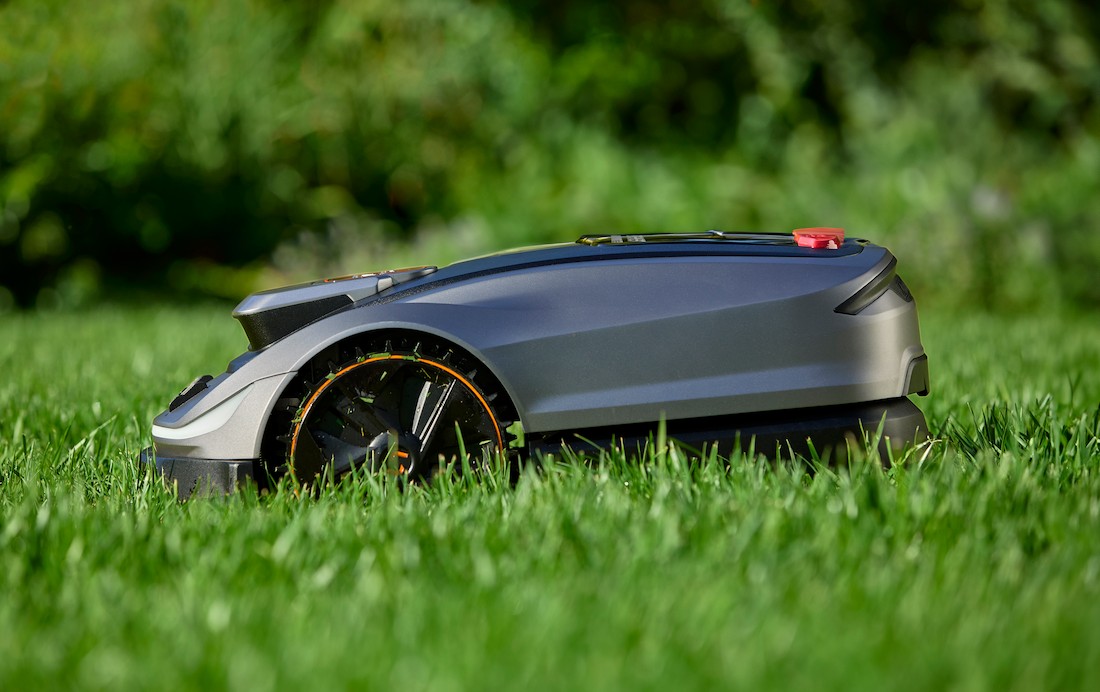
Using AI, sensors, and GPS technology, robotic mowers can navigate complex lawns, plan paths intelligently, avoid obstacles, adjust cutting heights, and recharge automatically. Combining efficiency and automation, these innovations make lawn care virtually effortless.

As environmental rules become stricter and more people look for sustainable options, the market keeps growing steadily. Recent reports show the global lawn mower market is expected to grow from about $36.96 billion in 2025 to around $67.07 billion by 2035. A big reason behind this growth is the rising popularity of electric and automated mowers, which fit perfectly with the trend toward cleaner and more efficient lawn care. So, what is a good lawn mower for the future? It is likely one that combines efficient cutting, low maintenance, smart technology, and reduced environmental impact.
With AI advancements, improved battery technology, and hands-free maintenance, Robotic lawn mowers represent the fastest-growing segment. Market forecasts indicate the robotic sector will expand from roughly $2.4 billion in 2025 to $5.32 billion by 2031. This rapid growth is driven by labor shortages, the wider adoption in homes and public spaces such as parks and sports fields, and advanced features like GPS navigation, obstacle detection, and app control.
Electric lawn mowers are also gaining serious traction. The segment is expected to grow from about $9.75 billion in 2025 to $14.52 billion by 2033. Battery-powered models are quickly becoming the go-to choice because they are quieter, easier to maintain, and produce zero direct emissions. With growing concerns about noise and the environment, these advantages matter more than ever.
At the same time, lawn mowers are becoming lighter, more compact, and easier to store. Many now integrate with smart home systems, and some even offer software updates to keep improving performance over time. For commercial and home users, robotic mowers are becoming a practical solution, helping reduce labor costs while delivering consistent results across large areas. Overall, the future of lawn mowing is moving toward fully automated, eco-friendly systems that save time and effort while still delivering great results.
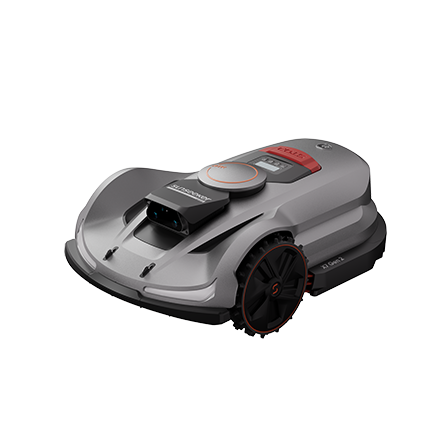
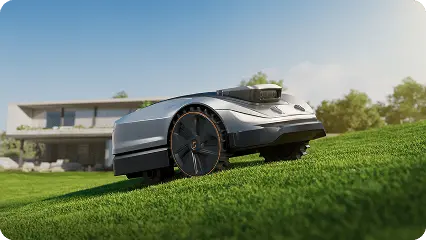
For homeowners looking for the best lawn mower for convenient, automated lawn care, the Sunseeker Elite X5 reflects this shift toward smarter technology and delivers advanced robotic performance. Equipped with AONavi™ technology that combines RTK-GNSS and VSLAM for centimeter-level accuracy, it supports wire-free AI mapping, intelligent path planning, and reliable obstacle avoidance. Its quiet, battery-powered operation and precise cutting make it a great choice for medium-sized lawns that need efficient, low-effort maintenance.
For larger properties and more demanding conditions, the Sunseeker Elite X7 offers even more capability. Designed to handle up to 12000 m², it features dual cutting discs, advanced Vision AI that can detect over 200 obstacles, and the same AONavi™ navigation system. With longer runtime, precise height adjustment, and fully autonomous operation, it provides powerful and consistent performance for both residential and commercial lawns.
So, who invented the lawn mower, and when was the lawn mower invented? The answer goes back to 1830, when Edwin Beard Budding introduced the first practical design, changing lawn care forever. From that early invention to today’s smart machines, lawn mowers have become more efficient and convenient. If you want to make lawn care more effortless, consider upgrading to Sunseeker’s advanced solutions and enjoy a smarter, easier way to keep your lawn perfectly maintained!
John Albert Burr, an African American inventor (1848-1926), patented key improvements to the rotary lawn mower in 1899 (U.S. Patent 624,749). His design features better traction wheels and a blade system that prevents clogging with grass clippings, making mowers safer and more efficient. While Edwin Budding invented the first reel mower in 1830, Burr’s innovations advanced rotary models widely used today.
The first lawn mower was invented by Edwin Beard Budding in 1830. He was a British engineer who designed a reel-based machine inspired by textile-cutting equipment. His invention allowed grass to be cut evenly and efficiently, replacing manual tools like scythes and marking a major advancement in lawn care technology.
The cylinder mower, also known as the reel mower, was invented by Edwin Beard Budding in 1830. It uses a rotating cylinder of blades to cut grass against a fixed blade. This design provides a clean, precise cut and remains popular today, especially for maintaining fine lawns and sports surfaces.