









FAQs
5/28/2026
Contents
Products
Residential Lawns





Commercial Landscapes
Explore
Where to Buy


Don't panic if your mower starts blowing white smoke—it’s a common issue that many homeowners can solve in the garage. While it can signal internal wear, the cause is often just a bit of misplaced oil. With a few simple steps, you can find the source and stop the smoke.
You are mowing your lawn as usual, and suddenly you notice thick white smoke pouring out of your machine. It’s an alarming sight, and your first thought is probably: Is my mower broken? “White smoke from a push mower” is not as catastrophic as it looks, but it shouldn't be ignored. So, why is my push mower smoking white? This guide will introduce the most likely causes, whether it's dangerous, and practical steps to diagnose and fix the problem. We will also share prevention tips so you can avoid recurring issues. Just read on!
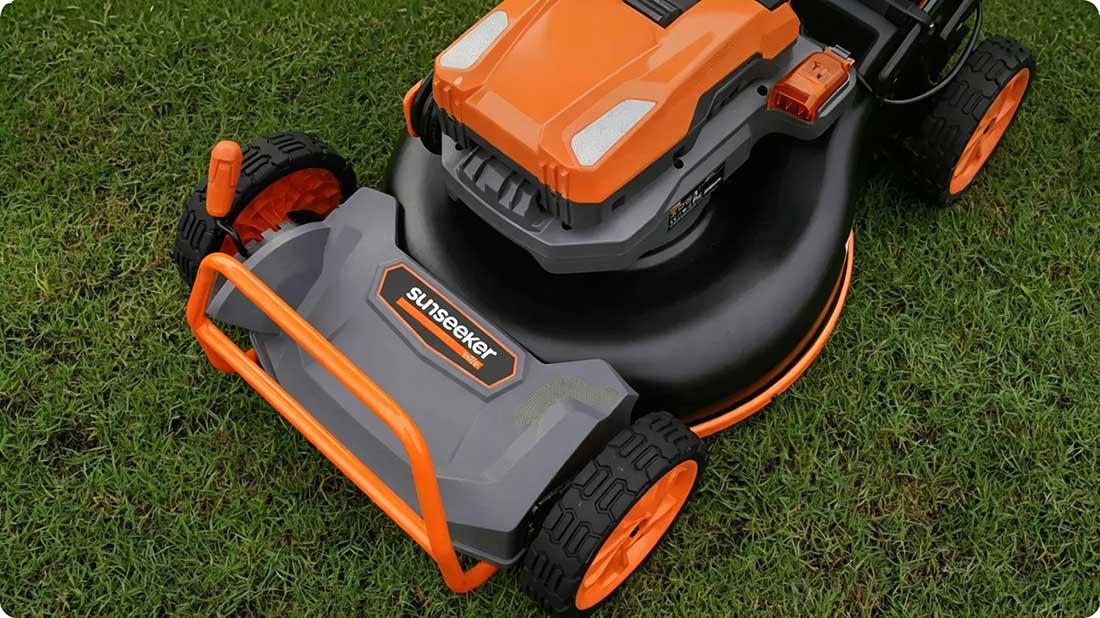
When you notice that your push mower is smoking, the color of the smoke is actually the most critical diagnostic clue. While black smoke points to a fuel-related problem, blue smoke usually indicates chronic, heavy oil consumption from deep internal engine wear. When it comes to white smoke, it’s often the visual byproduct of engine oil infiltrating areas of the machine where it simply does not belong.
Simply put, under normal operating conditions, your mower’s oil stays securely sealed inside the crankcase to lubricate moving parts. However, if oil manages to breach these boundaries and slip into the combustion chamber or splash onto the white-hot exterior components of the exhaust system, it vaporizes instantly into a thick, white cloud.
When a smoking push mower catches you off guard, it is natural to worry about safety. In most standard situations, it’s not an immediate, explosive danger. However, it still carries certain risks. Here are the primary safety concerns linked to a smoking engine:
When you see white smoke from a push mower, it can be caused by various causes. Here are the top culprits:
Too much oil is the number one reason homeowners experience this problem. When the crankcase is overfilled, the internal pressure increases dramatically. This forces excess oil past the piston rings and directly into the combustion chamber, where it burns with the gasoline.
Small engine maintenance can be messy. If you accidentally spill even a few drops of oil onto the engine block, muffler shield, or exhaust pipe, that oil will sit dormant until the engine reaches its high operating temperature. Once hot, the spilled oil cooks off, creating an alarming but harmless cloud of white smoke.
If you tip the mower with the spark plug and carburetor facing downward, gravity forces the oil out of the crankcase, through the breather tube, and straight into the air filter housing and combustion cylinder. This is one of the most common reasons you see white smoke from lawn mower.
Most residential push mowers are designed to operate on relatively flat terrain. If you regularly mow steep slopes with an incline greater than 15 degrees, the engine oil pools heavily to one side of the crankcase. This uneven distribution allows the oil to splash up into the cylinder bore or breather system, resulting in immediate smoke production.
The head gasket acts as a vital seal between the engine block and the cylinder head. If this gasket fails or blows, the tight seal is broken. This allows oil from the pushrod gallery to be sucked directly into the combustion chamber during the engine's intake stroke. Then it produces continuous, heavy clouds of white smoke.
Inside the engine, piston rings expand against the cylinder walls to create a tight seal, keeping fuel in and oil out. Over years of heavy use, these rings can wear down. When this happens, oil escapes from the crankcase, slips past the worn rings, and enters the combustion zone, where it burns and produces continuous white smoke.
The crankcase breather system is designed to relieve internal pressure while keeping oil contained. If the breather valve gets stuck or clogged with debris, it can no longer manage the pressure correctly. This forces oil out through the breathing tube and straight into the air intake system. Then it gets drawn into the engine and burned, resulting in ongoing white smoke.

When you see your push mower smoking, you don’t have to rush to an expensive repair shop. Most common causes can be fixed right in your garage with this step-by-step troubleshooting approach.
If you suspect the white smoke is simply due to a minor oil spill, start the engine and let it run at a steady idle for 5 to 15 minutes. In most cases, the minor surface oil will completely cook away, and the smoke will gradually disappear.
Always verify your oil levels before attempting any complex mechanical fixes:
When a mower is tipped or overfilled, oil can flood the air filter housing and restrict airflow. Remove the cover and inspect the filter. Wash foam filters with soapy water, then dry and re-oil lightly. If it is a paper filter, replace it immediately.
Remove the spark plug with a socket wrench and inspect it closely. Clean it thoroughly with a wire brush to restore function. For best results, install a new spark plug to ensure reliable ignition and consistent engine performance.
If you have completed all the steps above and still see white smoke from a push mower, you are likely dealing with an internal component failure. Inspect around the cylinder head for visible oil leaks or a blown head gasket. If you suspect worn piston rings or a failed head gasket, you will need to replace the damaged seals yourself or take the unit to an authorized service technician.
Some white smoke from push mower issues can be avoided with proper care and handling. Here are the key practices to help you prevent it from coming back.
As you can see, traditional mowers require ongoing maintenance and careful handling to avoid issues. If you are tired of dealing with messy cleanups and unexpected smoke, it may be time for an upgrade to a high-performance battery-powered lawn mower that eliminates the entire combustion engine system.
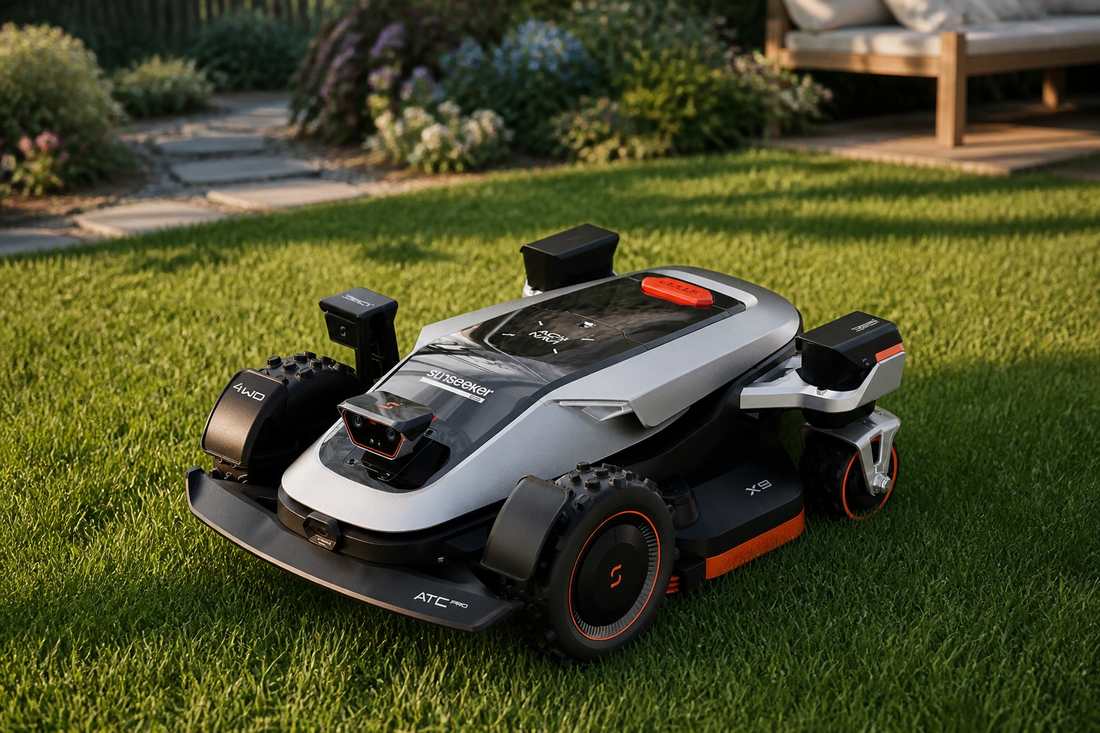
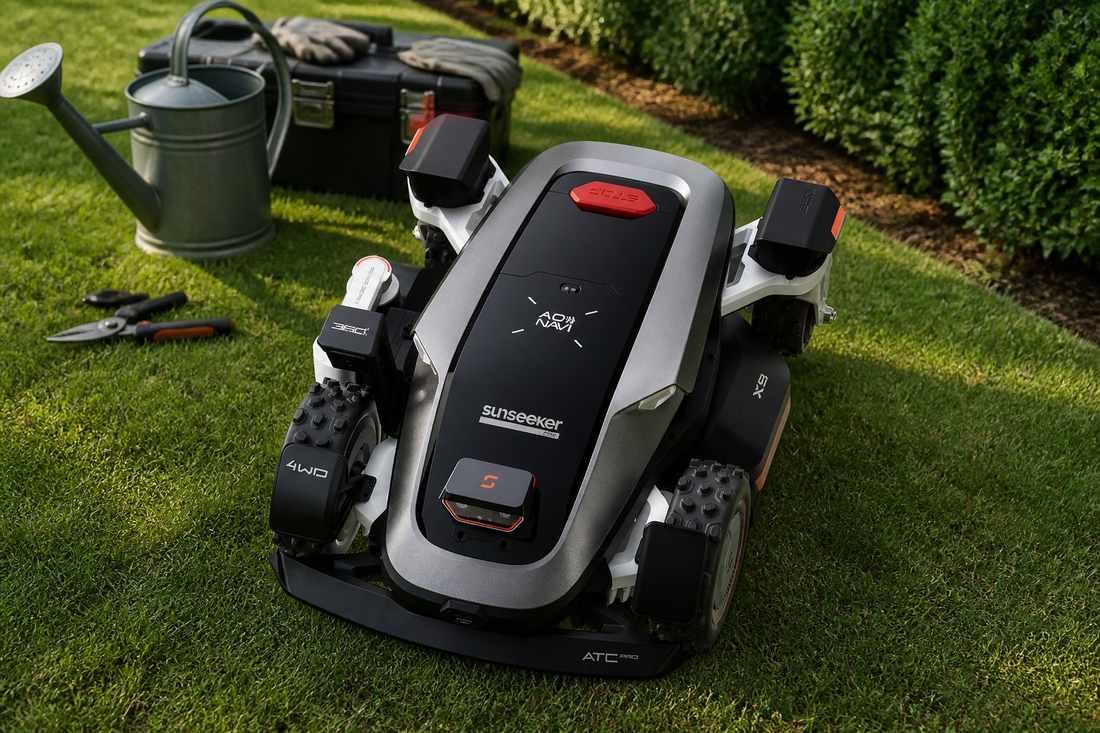
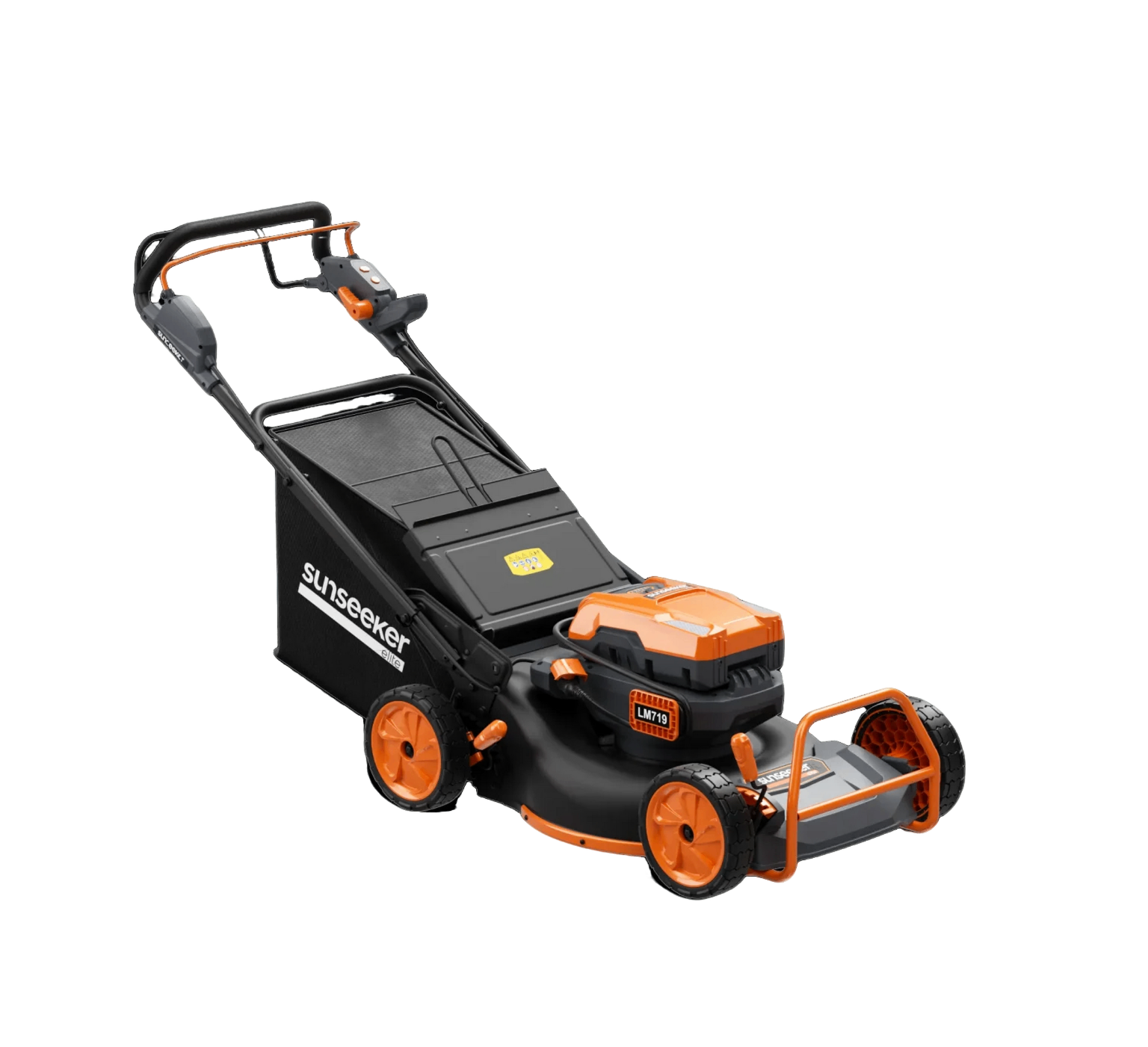
The Sunseeker Elite Lawn Mower is a reliable option designed with advanced electric drivetrain technology. With the support of battery power, it requires no engine oil, no gasoline, and no spark plug. That means you can completely avoid oil-related problems and reduce maintenance effort altogether.
Why is my push mower smoking? It’s a common issue, often caused by excess oil or incorrect tilting. In many cases, you can follow the troubleshooting steps in this guide to identify the cause and fix it quickly. However, if the smoke continues even after basic checks and repairs, it’s best to seek professional service. Want to avoid the white smoke from push mower issue and reduce ongoing maintenance effort? Consider upgrading to a Sunseeker battery-powered lawn mower designed for cleaner and hassle-free operation. You can enjoy a smoother mowing experience and say goodbye to white smoke for good!
It’s best not to keep using your lawn mower while it’s smoking until you figure out what’s causing it. A short run may burn off minor oil residue, but ongoing smoke can lead to engine damage or even fire risk. It’s recommended to stop the mower, check for oil issues, and follow the troubleshooting steps above to identify and fix the problem early.
A smoking lawn mower, especially when producing white smoke, usually indicates oil is burning either on hot engine surfaces or inside the combustion chamber. Common causes include overfilled oil, spills from improper tilting, or worn components like piston rings and gaskets. Unlike black smoke (fuel-related), it signals the need for prompt inspection and maintenance.
When a lawn mower is hard to start and produces white smoke, it often points to excess oil in the cylinder from overfilling or tilting. A fouled spark plug or dirty air filter can also disrupt ignition. In some cases, internal issues like a head gasket problem may exist. You can try to check oil levels, replace parts, and use fresh fuel to resolve the issue.