




FAQs
4/7/2026
Contents
Products
Residential Lawns


Commercial Landscapes
Explore
Where to Buy


Corded lawn mowers provide consistent power and lower long-term costs but are limited by cord length, making them ideal for small yards. Cordless mowers offer freedom of movement, easier handling, and quiet operation, but are limited by battery runtime and higher upfront costs. Yard size, layout, and convenience dictate the best choice, while robotic mowers offer fully hands-free mowing.
When it comes to electric mowing, one question comes up consistently: what's better corded or cordless lawn mower? Both run on electricity, both are quieter and lower-maintenance than gas, but they suit different yards and different priorities. This guide breaks down how each type works, where each one falls short, and how to choose between them based on your specific situation.
A corded lawn mower runs on electricity delivered through a power cord plugged into an outdoor outlet. There's no battery to charge or replace; as long as it's plugged in, it runs at full power.
A cordless lawn mower runs on a rechargeable battery, typically lithium-ion. You charge the battery before use and the mower operates without any cord or connection to an outlet.
When choosing between cordless vs corded lawn mower, each has its own strengths. One offers steady power, while the other gives you more freedom to move around. The better choice depends on your yard size and how you plan to use it. Let’s look at the key differences to help you decide.
|
Feature |
Corded |
Cordless |
|
Power source |
Outlet via extension cord |
Rechargeable battery |
|
Runtime |
Unlimited |
30–60 min per charge |
|
Range |
Limited by cord length |
Unrestricted |
|
Upfront cost |
Lower |
Higher |
|
Long-term cost |
Lower (no battery replacement) |
Higher (battery replacement) |
|
Weight |
Lighter |
Heavier |
|
Maintenance |
Minimal |
Minimal |
|
Best yard size |
Small (up to 1000 m²) |
Small to large |
|
Ease of use |
Cord management required |
More convenient |
The honest answer is that neither is universally better. The right choice of corded vs cordless mower depends on your yard size, layout, and how you prefer to work.
A corded mower makes more sense if:
A cordless mower makes more sense if:
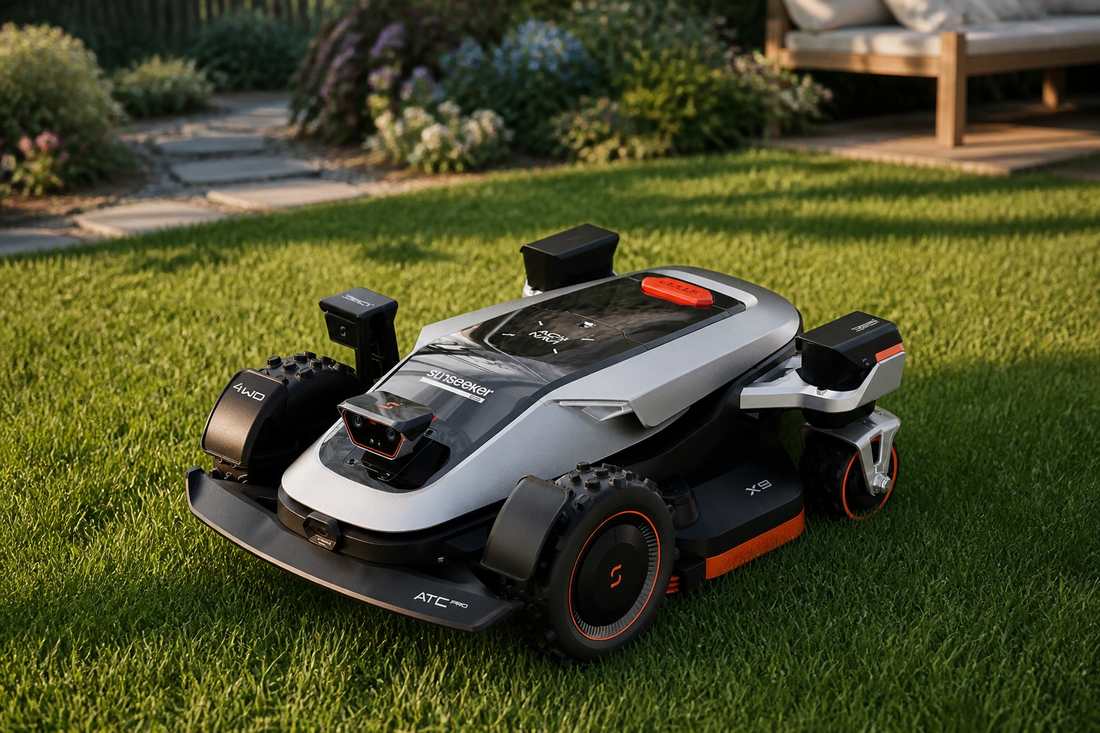
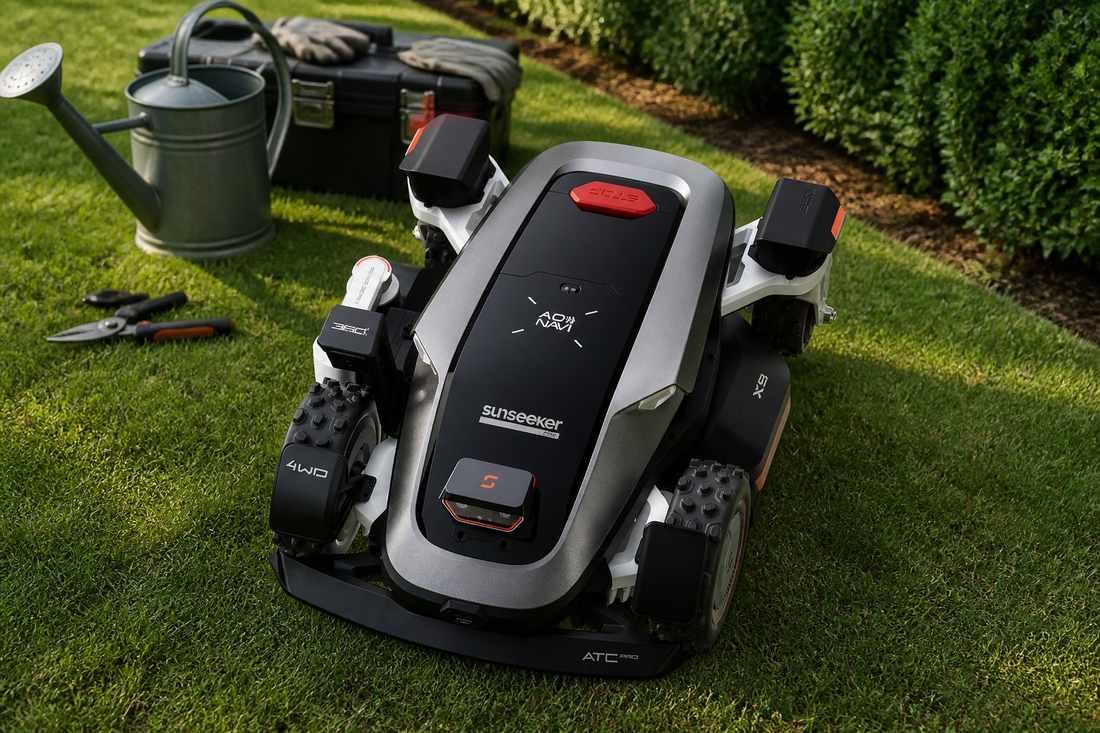
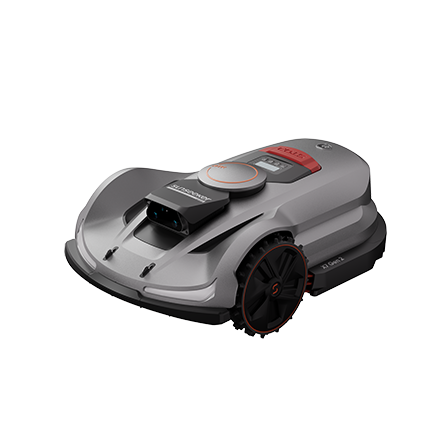
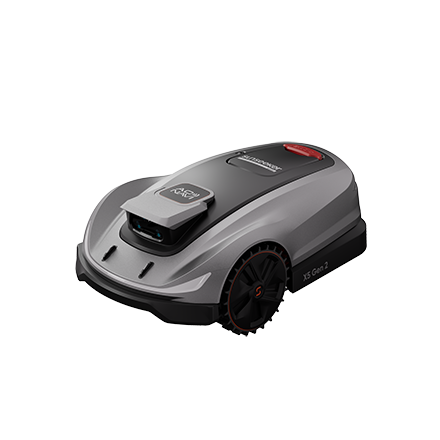
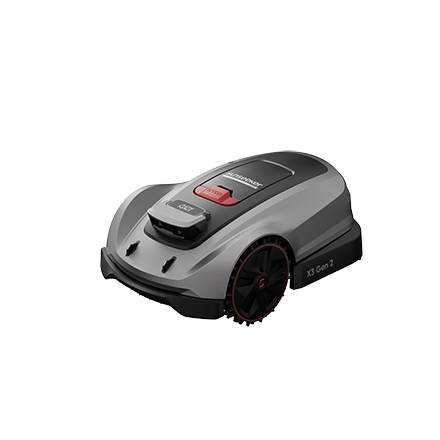
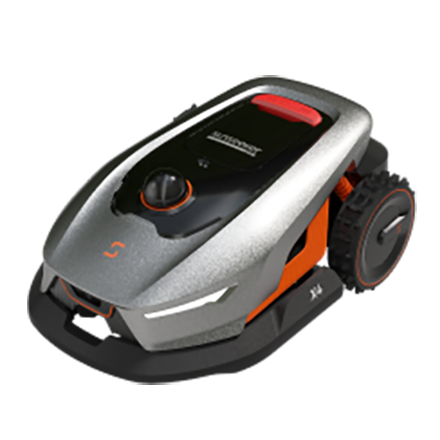
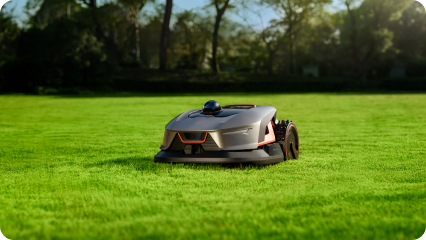
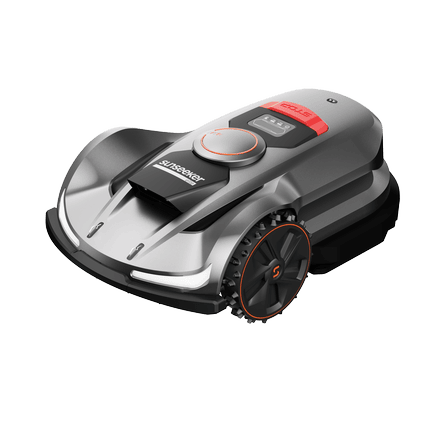
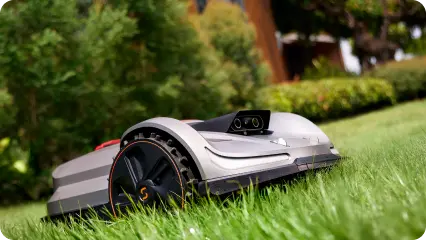
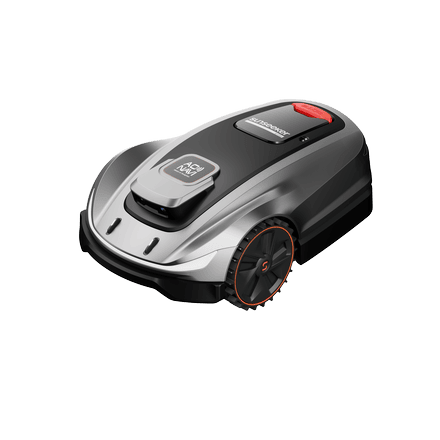
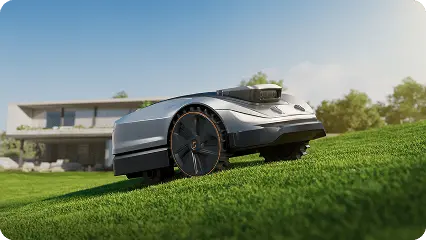
For larger or more complex yards, cordless options often feel easier to use since cord control becomes harder. When choosing the best cordless lawn mower, compare battery runtime, charging time, cutting width, and the total area it can cover per charge. Robotic mowers also fall into this group. They run on their own, follow a set schedule, and don’t need any manual work. The Sunseeker Elite X5, for example, covers up to 2000 m² with AWD and wire-free RTK navigation, so once it’s set up, the mowing takes care of itself.
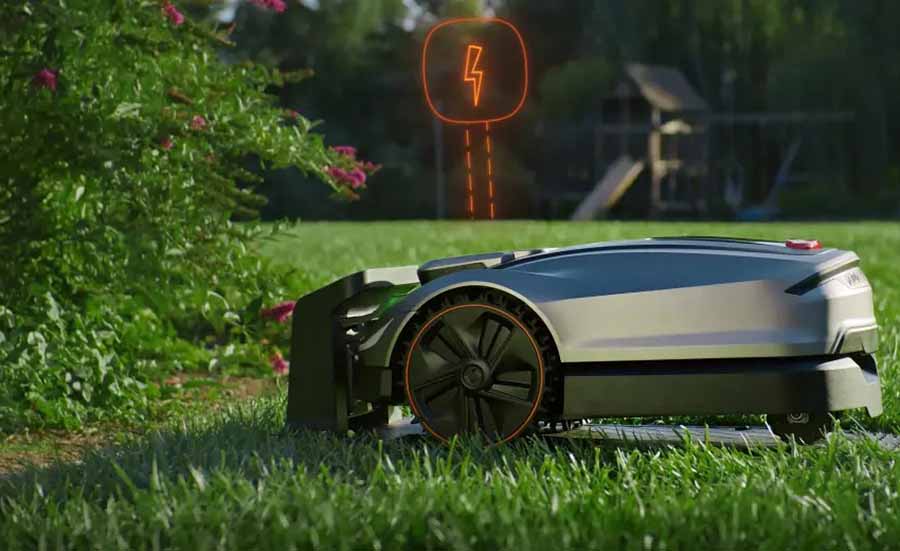
Getting the most out of a cordless electric lawn mower depends on how you care for its battery. A few simple habits can extend battery life, maintain reliable performance, and keep the mower ready for each session.
Lithium-ion batteries perform best when kept topped up rather than left in a partially discharged state for extended periods. Making it a habit to charge after each mow keeps the battery healthy and ready for the next session.
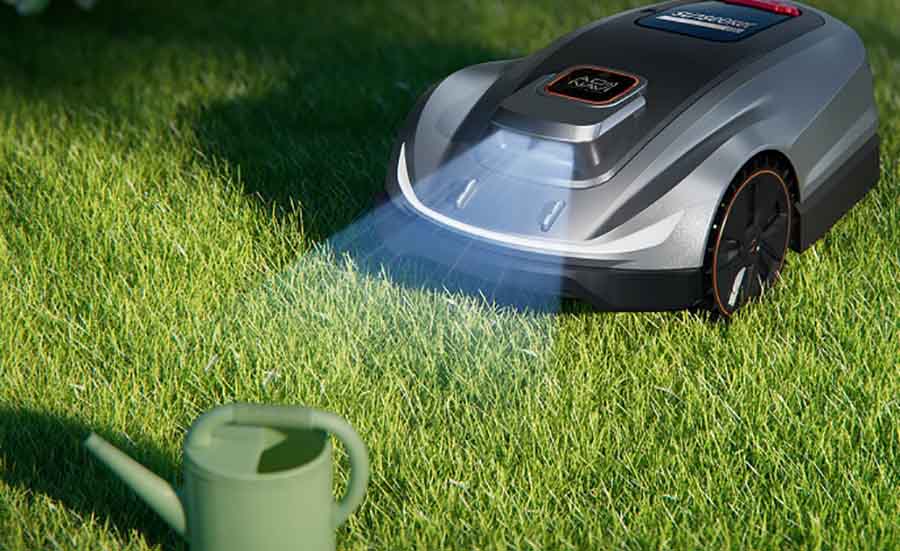
Some setups take this off your hands altogether. With models like the Sunseeker Elite X7, the mower handles its own charging cycle and heads back to the dock when power runs low, so there’s less to think about day to day.
Running the battery completely flat before recharging puts extra stress on the cells. If the mower starts losing power mid-session, return it to charge rather than pushing through to empty.
For long-term storage during winter or off-season, most manufacturers recommend storing lithium-ion batteries at around 50 to 60 percent charge. A fully charged battery held in storage for months degrades faster than one kept at a moderate level.
Heat accelerates chemical breakdown inside battery cells, and freezing temperatures reduce capacity significantly. Store the battery indoors during winter and avoid leaving the mower in direct sunlight for extended periods in summer.
Dirt or corrosion on the battery terminals reduces charging efficiency. A quick wipe with a dry cloth before reinserting the battery keeps the connection clean and consistent.
So what's better: corded or cordless lawn mower? Smaller yards with easy outlet access often work well with a corded model since it delivers steady power and keeps costs lower. Larger or more complex spaces tend to suit cordless mowers, where moving freely makes the job much easier.
The choice of corded vs cordless lawn mower depends on your yard and how you want to work. Some homeowners also look at robotic mowers, which handle the mowing on their own and take the task off your schedule completely.
Corded lawn mowers can last 10 years or more with basic care. With no battery, there’s less to wear out. The blade and power cord need the most attention. Keeping the deck clean, sharpening the blade, and storing it in a dry place all help extend its life.
Electric mowers use less power than many expect. A corded model usually runs on 1,000 to 1,800 watts, costing a small amount per session. Cordless models use similar energy, and charging a battery costs about the same. Overall, both are much cheaper to run than gas mowers.
Both are cleaner than gas mowers since they produce no direct emissions. Corded models avoid battery production and disposal, which gives them a slight edge. Cordless mowers rely on batteries, but recycling has improved. In daily use, the difference is small, and both are a better choice for reducing emissions.