











FAQs
5/21/2026
Contents
Products
Residential Lawns





Commercial Landscapes
Explore
Where to Buy


A mower that starts and then dies usually has trouble keeping fuel, air, or spark steady. Stale gas, a clogged carburetor, dirty air filter, weak spark plug, blocked fuel cap vent, or low oil can all cause short running time. Start with the easy checks first, because many stalling problems are basic maintenance issues rather than serious engine damage.
This is frustrating: when you pull the starter cord on your lawn mower, it fires up, and then sputters out almost immediately. If you find your lawn mower won't stay running, you are not alone. This is a common issue many homeowners face during mowing season. In this guide, we will explain the common causes behind the problem, provide simple fixes, and share tips to prevent it from happening again. By the end, you should know exactly how to get your mower up and running in no time.

Various reasons could contribute to the lawn mower starts but won’t stay running issue. Here are the common causes.
When your lawn mower won’t stay on, don’t worry, most of the time it can be fixed with basic tools and a bit of simple troubleshooting. Below are the most effective fixes you can try. Before getting started, always disconnect the spark plug wire and make sure you are working in a safe, well-ventilated area.
Empty the fuel tank completely using a siphon pump, ensuring no old gasoline remains inside. Dispose of it properly at a hazardous waste facility. Refill with fresh, high-quality unleaded gasoline recommended for your mower. To reduce future issues, add fuel stabilizer directly to your gas can after refueling.
If you’re troubleshooting “push mower wont stay running,” cleaning the carburetor is often one of the most effective fixes. Remove the air filter to access the carburetor area. Spray carburetor cleaner into the intake and internal passages to break down buildup. If possible, remove the carburetor bowl and clean out any residue; pay close attention to jets and small openings. Reassemble carefully once everything is clean and dry.
Open the air filter housing and remove the filter. Foam filters can be washed with warm soapy water and fully dried before reinstalling. Paper filters should be gently tapped to remove loose dirt. If the filter is heavily clogged or darkened, replace it to restore proper airflow.
Remove the spark plug with a spark plug wrench. Clean carbon buildup from the electrode using a wire brush. Check for cracks, wear, or burning; replace the plug if needed. Before reinstalling, ensure the electrode gap matches your mower’s specifications for reliable ignition.
When your mower will start but not stay running, inspect the fuel line from the tank to the carburetor for cracks, leaks, or stiffness, and replace any damaged sections. If your mower has an inline fuel filter, replace it if you notice debris or discoloration. Secure all connections tightly to avoid air leaks.
Locate the small vent hole on the fuel cap and clear it using a thin pin or compressed air. Make sure air can flow freely into the tank. If the vent remains blocked or the cap is damaged, replacing it is the best solution.
Check and top off engine oil if needed. Remove grass buildup from under the deck to reduce resistance and strain. Sharpen or replace dull blades to improve cutting efficiency. If moisture contamination is suspected, use a fuel dryer additive and allow the system to stabilize before restarting.
To effectively prevent the “lawn mower will start but won’t stay running” issue, consistent maintenance is the key. Here are the most important prevention tips:
Only use fresh fuel that you plan to consume within a short period. Add fuel stabilizer when filling your gas can to extend fuel life. Before long-term storage, either run the engine dry or safely drain the tank completely.
Inspect the air filter before each mowing session and clean or replace it when needed. A clean filter ensures proper airflow and steady engine performance. This can largely prevent the lawn mower starts but doesn't stay running issue.
Replace or clean the spark plug at least once per season to maintain strong ignition. Periodically inspect and service the carburetor to ensure smooth fuel delivery. Regular tune-ups keep the engine responsive and reduce the risk of performance interruptions.
After every use, remove grass clippings, dirt, and debris from the deck, blade area, and engine housing. Clean blades regularly and sharpen them as needed to maintain efficient cutting and reduce unnecessary engine strain.
To prevent a lawn mower starts but does not stay running issue, it’s important to regularly check and maintain proper oil levels, especially during heavy mowing periods. Clean, sufficient oil keeps the engine properly lubricated, reduces friction, and helps prevent overheating or performance issues caused by excessive internal strain.
Store your lawn mower in a dry, sheltered, and cool location away from moisture and extreme temperatures. Avoid leaving fuel in the tank for extended periods, as it can degrade and negatively affect starting and running performance.
Always follow the maintenance schedule outlined in your mower’s user manual. These guidelines are designed for your specific model and help ensure long-term reliability, safe operation, and optimal engine performance throughout its lifespan.
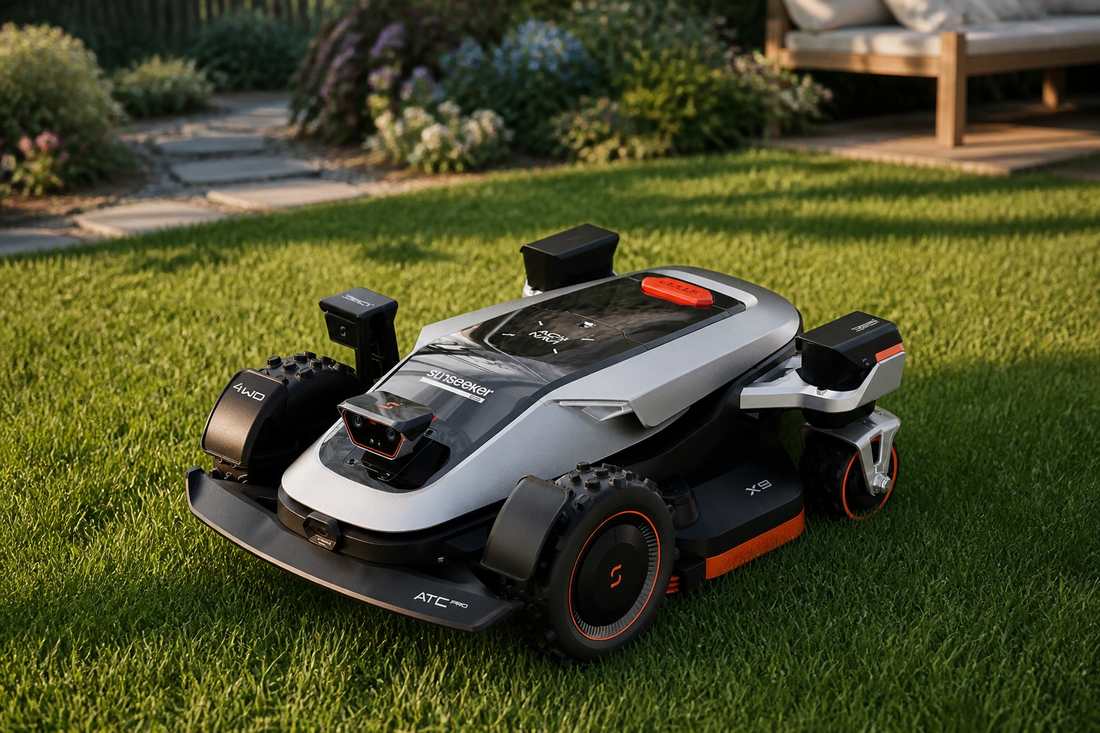
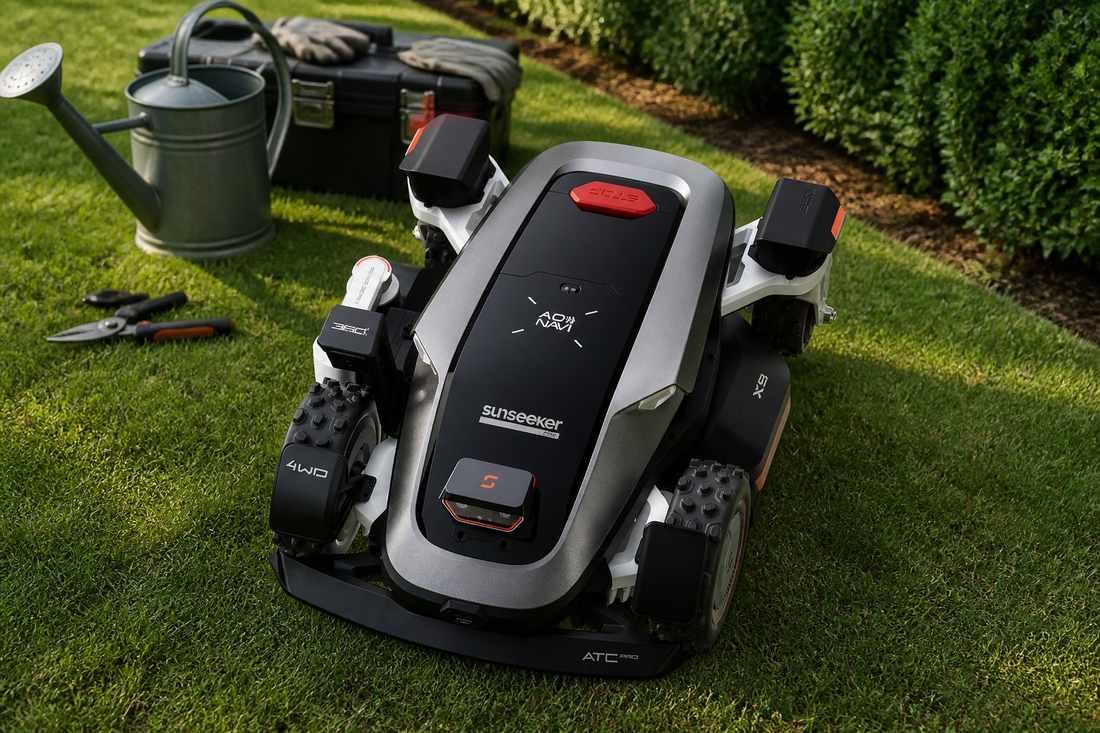
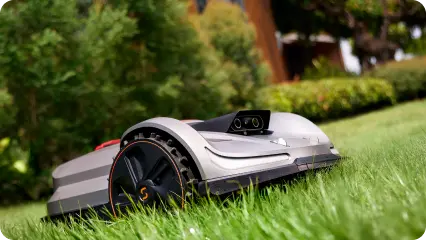
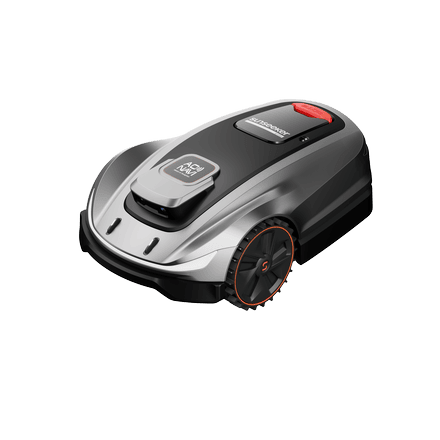
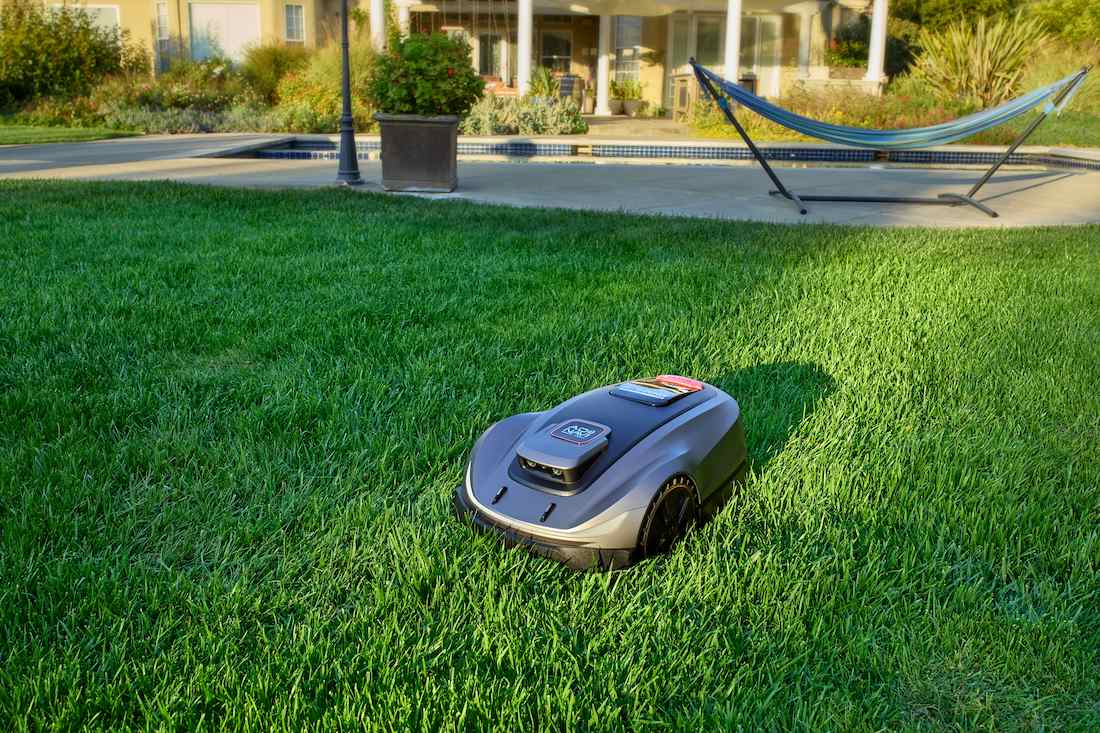
That said, many homeowners searching for solutions to “lawn mower wont start” problems are realizing that the easiest way to avoid these failures is to switch to robotic mowers. They are fully electric; there are no carburetors to clog, no spark plugs to replace, and no stale fuel to deal with. Robotic mowers eliminate many of the common failures associated with traditional maintenance. In addition, these automated systems maintain your lawn consistently without the noise, effort, or emissions of gas-powered models.
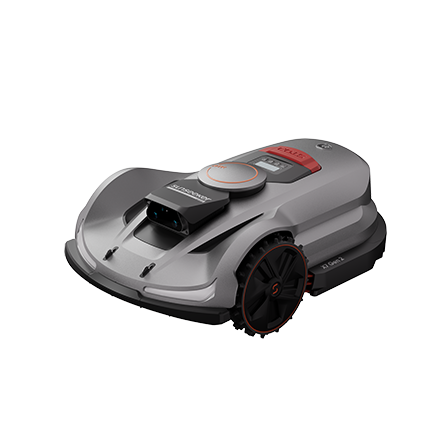
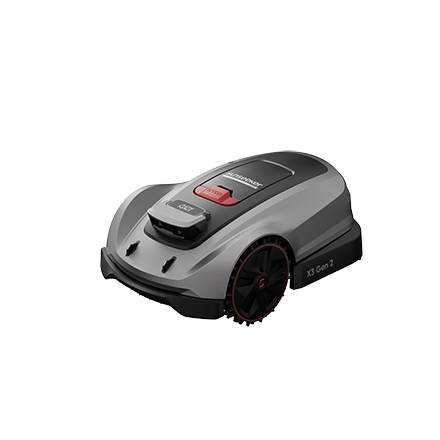
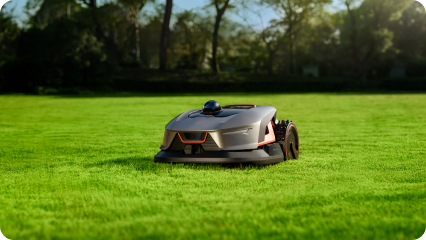
For those looking to reclaim their weekends, the Sunseeker Elite X4 stands out as a smart solution. Designed to handle mid-sized yards, the X4 features an AI intelligent navigation system that ensures every inch of your grass is cut precisely without the engine strain. Its electric drivetrain means you never have to worry about the fuel-to-air ratios or suffocating air filters that plague traditional mowers. It’s a fully automated solution that maintains your lawn effortlessly, keeping your grass at the perfect height year-round.
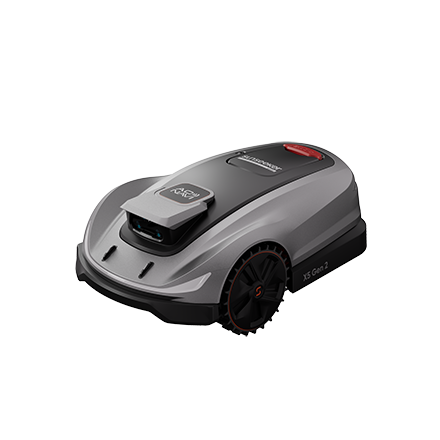
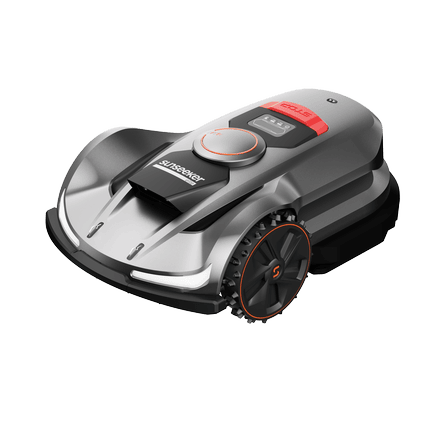
If you have a larger or more complex property, the Sunseeker Elite X5 offers a powerful upgrade in performance and features. The X5 is built for efficiency, featuring a wider cutting path and enhanced battery life to cover more ground on a single charge. It excels in navigating tougher terrain and slopes that might cause a traditional mower to sputter or stall. Like its smaller counterpart, the X5 removes starting issues from your life. It is the ultimate "set it and forget it" solution for a pristine lawn.
A lawn mower won't stay running is a common issue that stems from problems with fuel, the carburetor, air filters, or spark plugs. By following the troubleshooting steps above, most homeowners can easily restore their mower’s functionality without costly repairs. To avoid constant maintenance headaches, consider upgrading to a modern robotic lawn mower. These models offer quiet, clean, and reliable performance without the common issues of traditional gas-powered mowers. For a smoother lawn care experience, explore Sunseeker’s range and invest in quality equipment for a hassle-free mowing season!
To keep a lawn mower running smoothly, use fresh fuel treated with stabilizer, clean or replace the air filter and spark plug regularly, and service the carburetor as needed. Clean debris from under the deck after each use, sharpen blades, check oil levels, and store the mower properly in a dry place. Consistent maintenance can prevent most stalling issues and extend the engine's life significantly.
Yes, old fuel is one of the leading causes. Gasoline breaks down over time, forming sticky varnish and deposits that clog fuel lines, filters, and the carburetor. The engine may start using primer fuel, but stalls once it draws from the tank. Always drain old gas and refill with fresh fuel for reliable operation.
If basic fixes like replacing fuel and cleaning the air filter, spark plug, and carburetor don’t solve the issue, it’s time to seek professional help. Watch for warning signs such as unusual noises, excessive smoke, or oil leaks. When repairs become complex, a technician can quickly diagnose and resolve deeper mechanical problems.