



FAQs
4/7/2026
Contents
Products
Residential Lawns

Commercial Landscapes
Explore
Where to Buy


A self-propelled lawn mower is a walk-behind mower with a built-in drive system that powers its wheels. It reduces physical effort, maintains a steady pace, and performs well on slopes or larger yards. Variants include front-, rear-, all-wheel drive, battery-powered, and fully autonomous robotic models for hands-free mowing.
Not all lawn mowers feel the same to use. Some need steady pushing, while others move forward with very little effort. The ones that feel easier to handle are usually self-propelled models.
But what is a self-propelled lawn mower, and what should you look for when choosing one? In this guide, we explain how it works, the types available, and how to choose based on your yard.

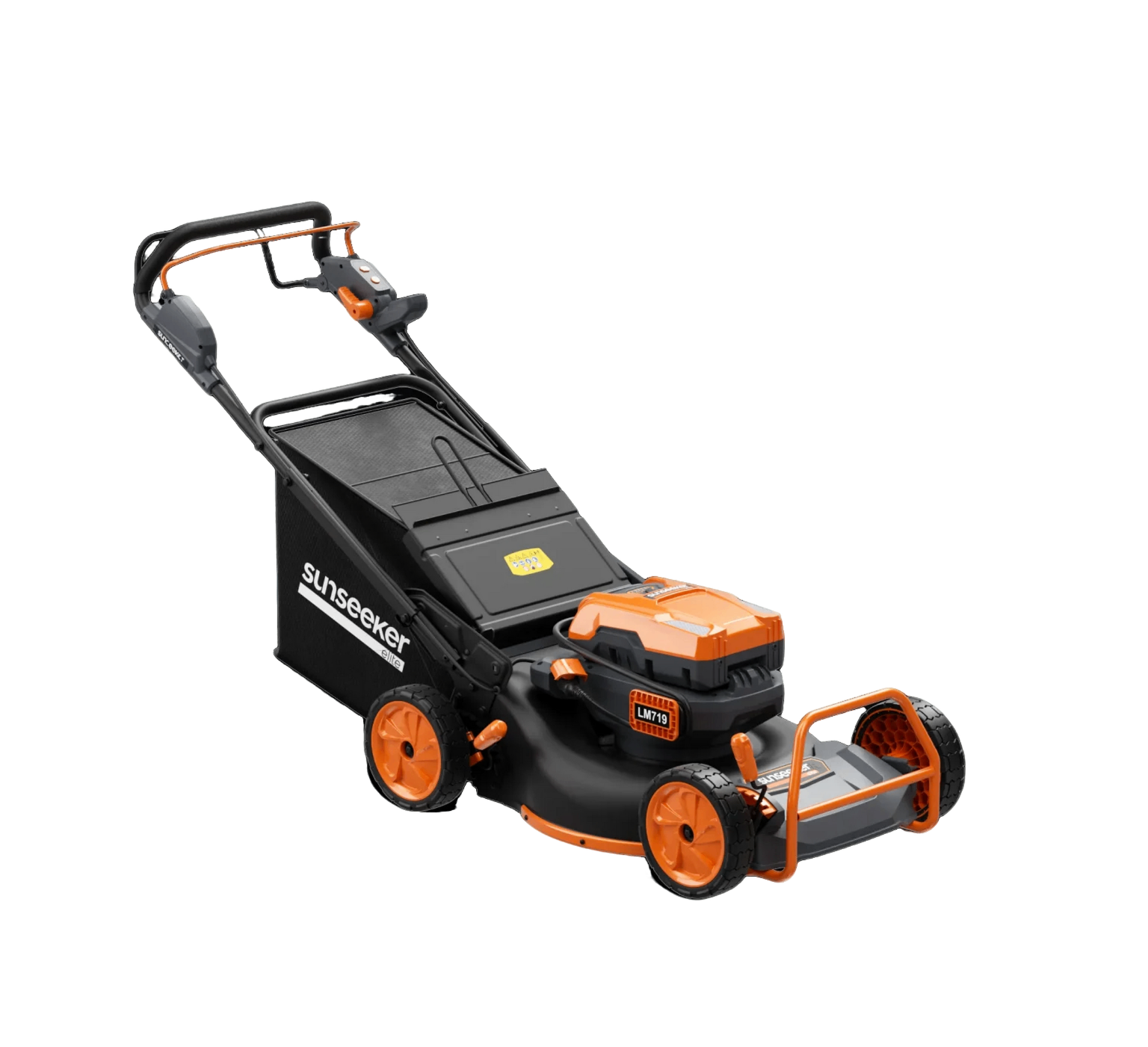
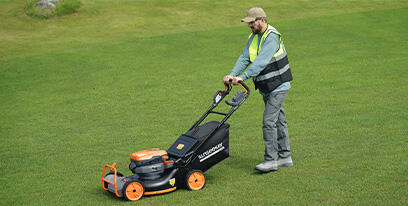
A self-propelled lawn mower is a walk-behind mower with a built-in drive system that powers its own wheels. You still walk behind it and steer, but the mower moves forward on its own rather than relying on you to push it across the lawn.
The main differences from a push mower come down to a few key points:
So, what is a self-propelled lawn mower mean for the average homeowner? It means less physical effort on every pass, especially noticeable on larger yards, slopes, and thicker grass. You still walk behind the mower and steer, but the drive system handles the forward momentum.
The core idea is simple: the engine or motor powers both the cutting blade and the wheels. When you squeeze the drive lever on the handle, power transfers to the wheels and the mower moves forward on its own. Release the lever and it stops.
Here's what happens inside the drive system depending on the mower type:
In day-to-day use, operating a self-propelled mower is straightforward. Squeeze to go, release to stop. The mower stays at a consistent pace regardless of grass thickness or terrain, which is the main reason it outperforms a push mower on larger or more demanding yards.
Self-propelled mowers come in several configurations, each suited to different yard types and user preferences.
Front-wheel drive models power the front wheels, which makes them easier to turn and maneuver around obstacles. They work well on flat or gently sloping lawns but can lose traction on steep inclines since the front wheels tend to lift under load on uphill sections.
Rear-wheel drive sends power to the back wheels, which provides better traction on hills and uneven terrain since the rear wheels carry more of the mower's weight. This makes rear-wheel drive the more practical choice for yards with significant slope. For this reason, homeowners searching for the best self propelled gas lawn mower often prioritize rear-wheel-drive models, especially when mowing hilly or uneven terrain.
All-wheel drive powers all four wheels simultaneously, providing the most traction across all terrain types. AWD models handle steep slopes, wet grass, and rough ground better than front or rear-wheel drive options. They tend to cost more but offer the most consistent performance across varied conditions.
Battery-powered models have grown significantly in the past few years and now match gas performance in most residential use cases. They run quieter, require less maintenance, and eliminate fuel costs. What is a good self propelled gas lawn mower alternative for homeowners who want to skip the fuel entirely? A quality 40V or 60V battery model handles most residential lawns without issue.
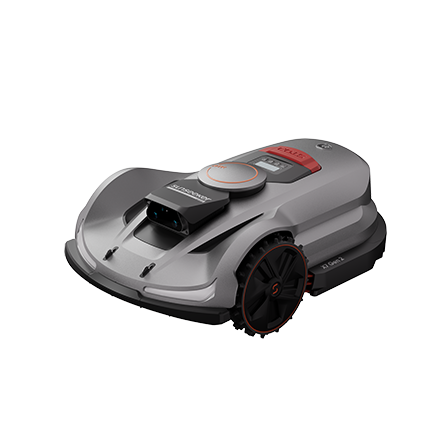
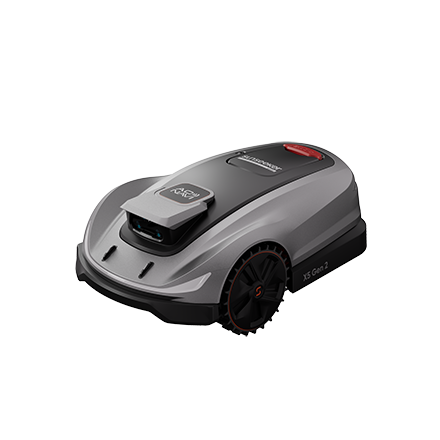
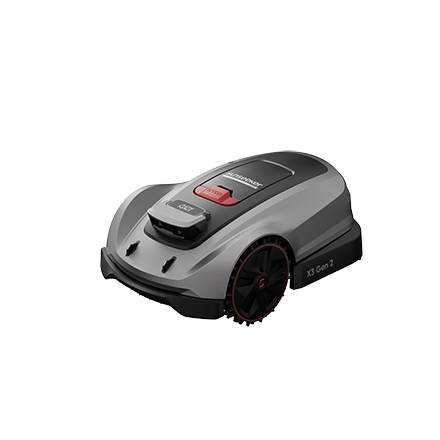
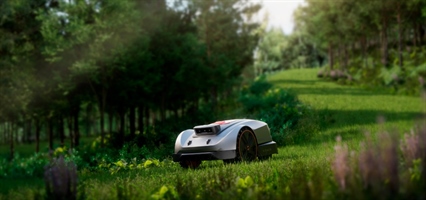
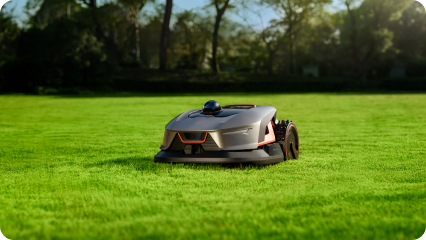
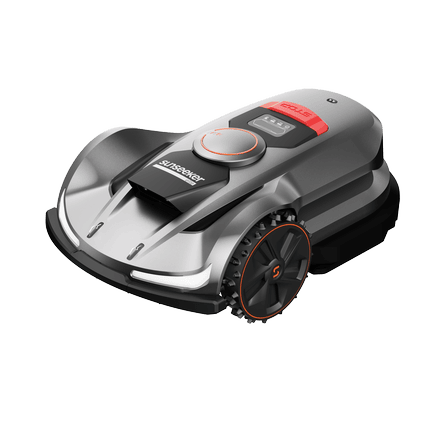
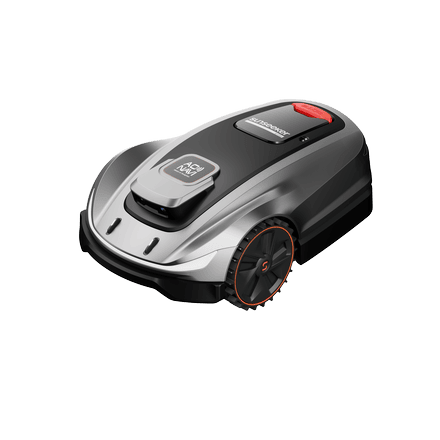
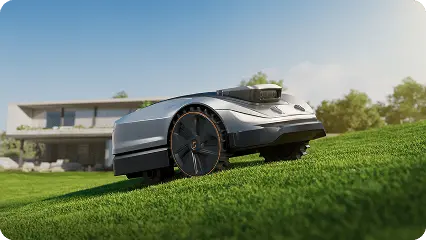
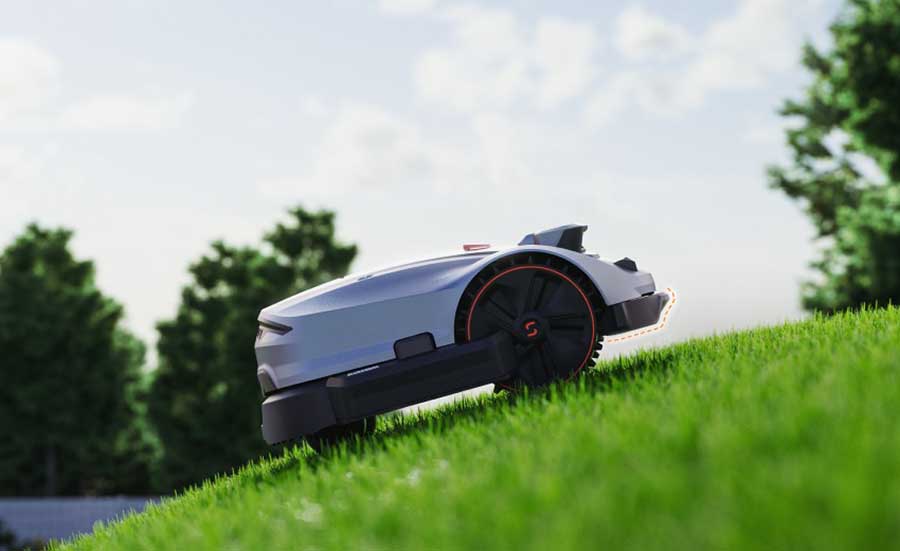
Robotic mowers take the self-propelled concept one step further by removing the need to walk entirely. Models like the Sunseeker Elite X5 Gen 2 operate fully autonomously on a set schedule, navigating the yard, avoiding obstacles, and returning to their charging station without any input from the user. For homeowners who want to eliminate mowing from their routine entirely, a robotic mower is worth serious consideration alongside traditional self-propelled options.
Like any equipment choice, self-propelled mowers come with trade-offs. Here's what to weigh before buying.
A self-propelled mower works best in certain situations. Larger yards, around 1000 m² or more, feel much easier to handle when the mower moves on its own. Slopes and uneven ground also become more manageable, especially with rear-wheel drive or AWD models that give better traction. Anyone who finds mowing tiring will notice the difference right away.
For smaller, flat yards, a push mower can still be a good fit. It costs less, feels lighter, and is easier to move around tight spaces.
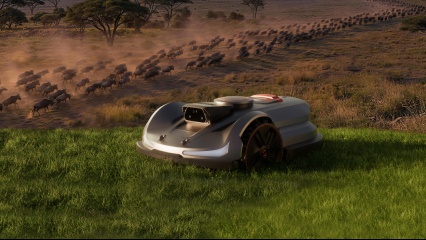
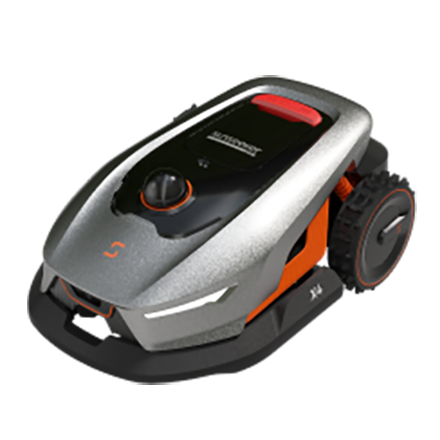
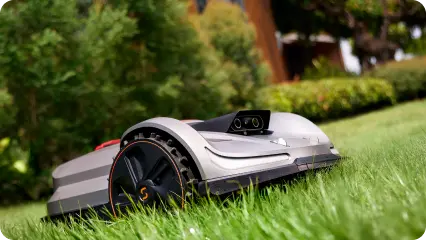
Some homeowners also look beyond self-propelled models. Robotic mowers have improved a lot in recent years. The Sunseeker Elite X7, for example, can handle slopes up to 35 degrees with all-wheel drive and wire-free RTK navigation, covering up to 12000 m² on its own. For larger or more complex yards, it takes mowing off your to-do list completely.
So what is a self-propelled lawn mower? It’s a walk-behind mower with a drive system that moves it forward, so mowing takes less effort and feels easier on slopes or larger yards.
Front-wheel, rear-wheel, AWD, or battery-powered options each suit different yard types and budgets. If you prefer not to mow at all, robotic mowers are now a solid option to consider.
The right choice depends on your yard, the terrain, and how much time you want to spend mowing each week.
Most self-propelled mowers last around 8 to 10 years with regular care, and some can run longer. The engine usually holds up well, but parts like belts and the drive system wear out sooner. Simple habits like oil changes and cleaning help a lot. For battery models, the battery may need replacing after 3 to 5 years.
Yes, you can push it when the drive system is not engaged. It will roll, but it feels heavier than a regular push mower because of the extra parts inside. This works fine for short moments, like moving it into place, but pushing it for a full mow can get tiring.
The main difference is how the mower moves. A push mower relies fully on your effort to move forward. A self-propelled mower powers its own wheels, so you guide it rather than push. It feels much easier on larger lawns or slopes, while push mowers still suit small, flat yards.
The biggest benefit is less effort while mowing, especially on bigger yards or uneven ground. They handle slopes better and keep a steady pace, which helps with a cleaner cut. Some models also let you adjust the speed, so you can match how fast you walk and stay comfortable.