










FAQs
5/21/2026
Contents
Products
Residential Lawns




Commercial Landscapes
Explore
Where to Buy


A push mower that will not start is often dealing with something simple, not a major engine failure. Old fuel, a dirty air filter, a fouled spark plug, clogged carburetor parts, low oil, or packed grass under the deck can all stop it from firing up. Checking these basics first usually saves time, money, and a trip to the repair shop.
Nothing is more frustrating than pulling the starter cord again and again, only to hear silence or a few weak sputters. “Why won’t my push mower start?” This is one of the most common questions homeowners ask, especially in spring or after the mower has been sitting unused for weeks. If your push mower won't start, don’t worry, this guide will walk you through the most common reasons behind the problem, how to fix them step by step, when it’s time to call a pro, and what you can do to prevent it from happening again.
When a push mower won’t start, it’s usually not due to a major mechanical failure. Below are the most common causes and how to fix them effectively:
Gasoline begins to degrade in as little as 30 days. Over time, it forms sticky residues that clog the carburetor and fuel system. This is also the primary reason why your push mower won't start after winter.
How to fix: Completely drain the old fuel from the tank and the carburetor bowl. Dispose of the old gas at a local hazardous waste center. Refill the tank with fresh, high-octane, ethanol-free gasoline if possible. If you must use ethanol blends, always add a quality fuel stabilizer. Once refilled, prime the bulb 3 to 5 times to circulate the new fuel.
When you find your push mower not starting, the spark plug is one of the first things to check. If it is covered in carbon deposits, soaked in oil, or the electrode has burnt away, the engine cannot ignite the fuel-air mixture.
How to fix: Remove the spark plug and inspect it closely. If you see heavy buildup or damage, it’s best to replace it. You can also clean a lightly fouled plug using a wire brush. Make sure it’s properly gapped according to your mower’s manual before reinstalling. Since spark plugs are inexpensive, replacing them is often the quickest and most reliable solution.
Your mower’s engine needs proper airflow to run smoothly. If the air filter is clogged with grass clippings, dust, and debris, it restricts airflow, which can prevent the engine from starting at all. It’s a common but often overlooked reason a push mower won't start.
How to fix: Start by removing the air filter housing and taking out the filter. Inspect it closely; if it’s a paper filter that looks dark, greasy, or heavily clogged, replace it immediately. If it’s a foam filter, wash it in warm soapy water, let it dry completely, and then lightly oil it before reinstalling.
If you’ve already checked the fuel and spark but your push lawn mower won't start, the carburetor is often the next likely culprit. This component is responsible for mixing air and fuel in the correct ratio, but its tiny passages can easily get clogged with old fuel residue, dirt, or debris. When that happens, the engine simply can’t get the mixture it needs to fire.
How to fix: For a quick solution, remove the air filter and spray a dedicated carburetor cleaner directly into the intake to help clear light blockages. If the issue continues, remove the carburetor bowl and clean the main jet carefully using a thin wire. In more stubborn cases, a full carburetor teardown or even replacement may be required.
Sometimes the reason your push mower won't start isn’t a mechanical failure at all. Before diving into deeper repairs, it’s worth checking a few basic safety and mechanical points that can stop the engine from starting.
Safety Lever: Make sure the blade control handle (also called the bail) is fully pulled back and held firmly against the main handle. If it isn’t properly engaged, the mower won’t start due to its built-in safety system.
The Mower Deck: Turn the mower on its side (always keep the air filter side facing up) and inspect underneath. A buildup of dried grass, sometimes forming a thick “rat’s nest,” can block or restrict blade movement, which may prevent your mower from starting.
Oil Levels: Many modern push mowers include a low-oil safety sensor. If the oil level is too low, the engine may refuse to start to prevent internal damage. Always check the oil level and top it up if needed before continuing with further troubleshooting.
While DIY troubleshooting can solve nearly 90% of “push mower won’t start” issues, some problems require specialized tools and diagnostic expertise. You should consider taking your machine to a repair shop if:
In these cases, continuing to troubleshoot at home may cause further damage or lead to more expensive repairs. A professional technician can quickly diagnose the root cause and restore your mower safely and efficiently.

If “lawn mower wont start” is a recurring problem, consistency is the secret to keeping your mower reliable season after season. A proactive maintenance routine can greatly reduce future starting problems.
Always use fresh gasoline and add a quality fuel stabilizer before storage. Before winter, either drain the fuel completely or run the engine dry to prevent varnish buildup. This simple habit eliminates many common starting failures caused by fuel degradation.
Change the oil once a year or after every 50 hours of use. Clean or replace the air filter and spark plug before each mowing season, and regularly inspect fuel lines for cracks. Keep the mower deck clean to ensure smooth blade operation.
After the final mow of the season, clean your mower thoroughly and remove all grass buildup. Store it in a dry, elevated space away from moisture and humidity. Proper storage helps prevent corrosion and ensures easier starting when spring returns.
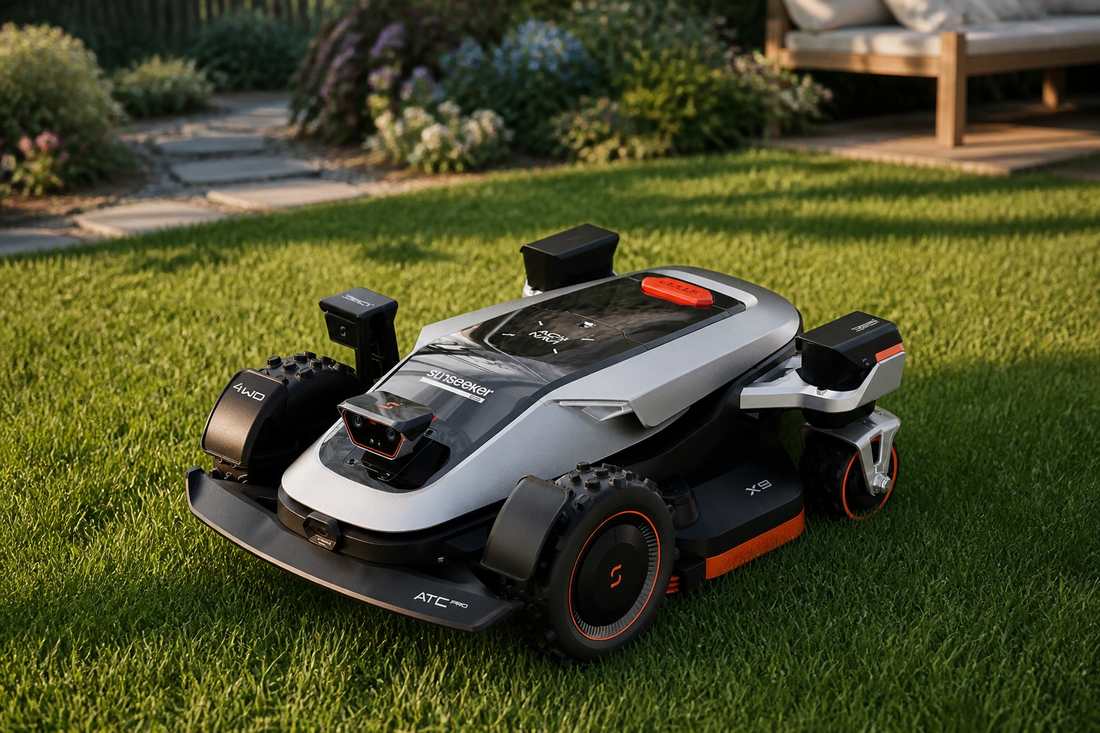
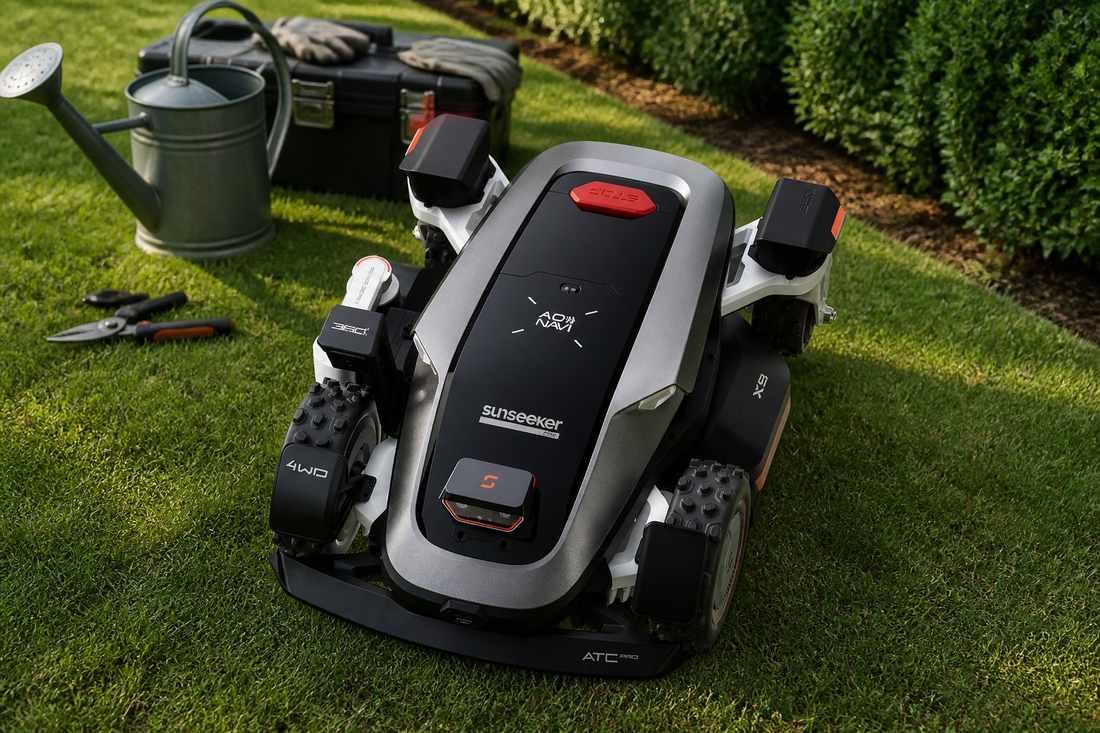
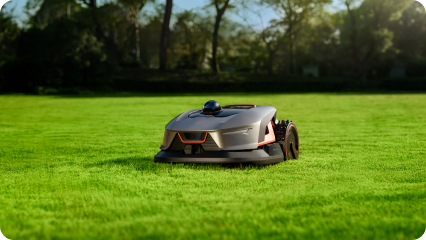
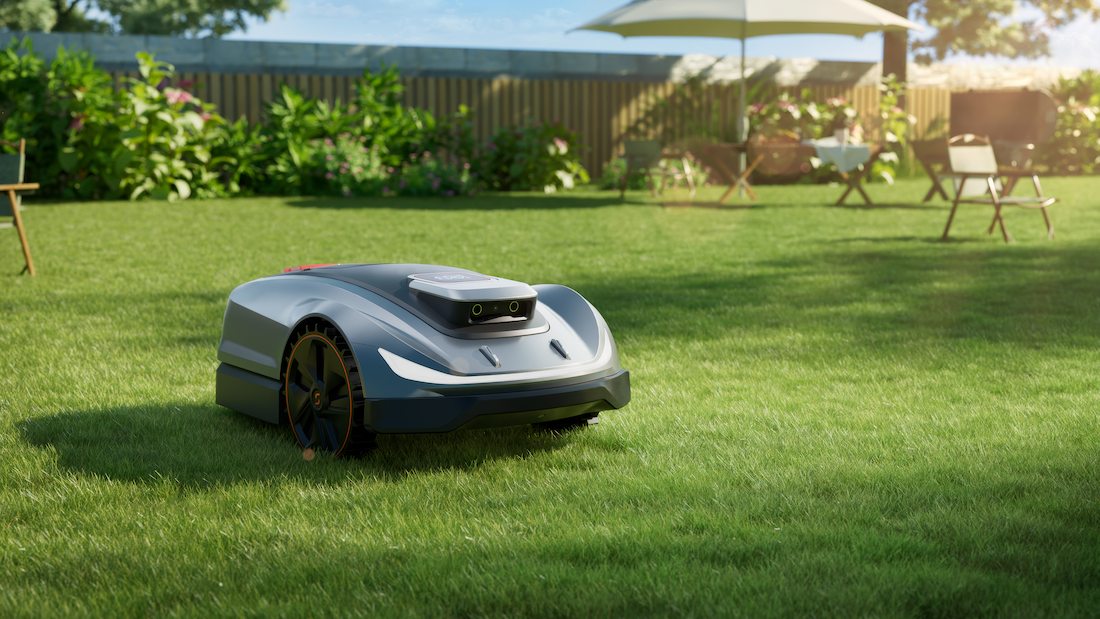
If you are tired of dealing with recurring starting issues, consider upgrading to a more advanced solution. Robotic lawn mowers eliminate traditional starting problems since they require no fuel mixing, pull cords, or seasonal engine maintenance.
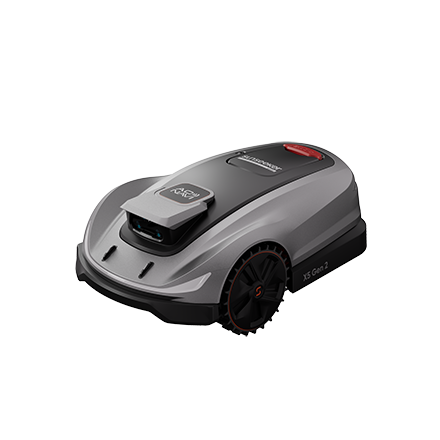
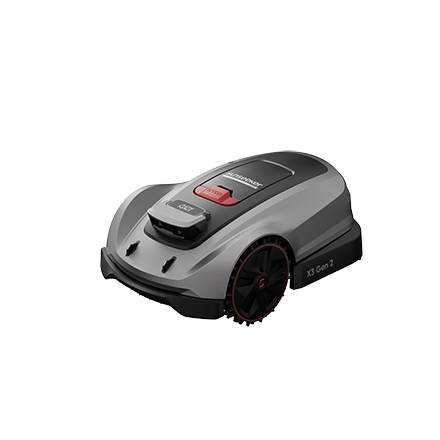
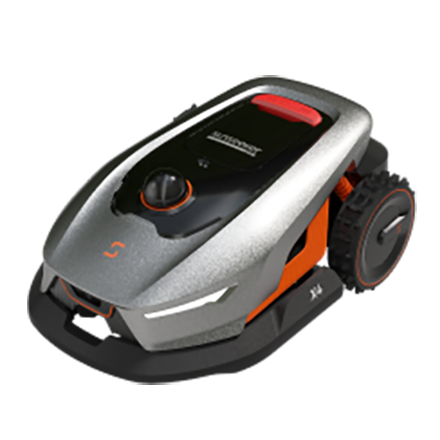
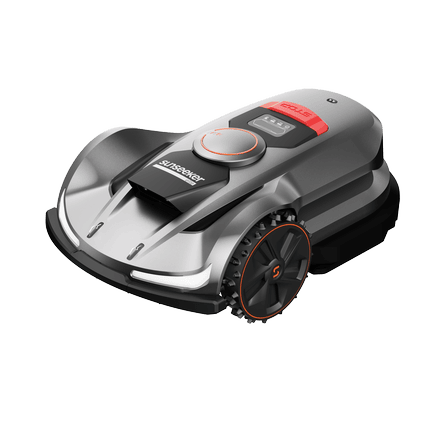
The Sunseeker Elite X5 is a great choice to consider. It offers a powerful and reliable mowing experience with advanced navigation, strong cutting performance, and intelligent automation. It is designed for consistent operation with minimal user effort, handling complex lawns efficiently while maintaining precise cutting results across different grass conditions.
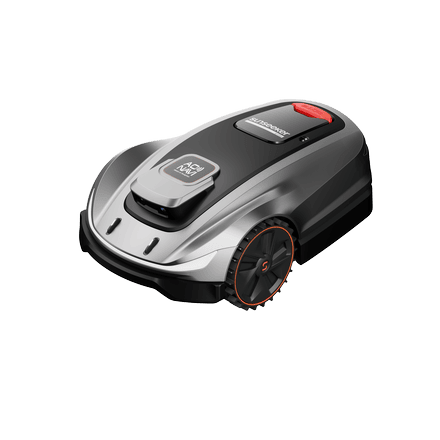
The Sunseeker Elite X7 Gen 2 is also an excellent option. It takes smart lawn care further with upgraded mapping technology, improved cutting efficiency, and enhanced obstacle detection. It delivers smoother operation, greater coverage accuracy, and reduced maintenance needs, making it a dependable choice for efficient, hands-free lawn management.
Why won't my push mower start? In most cases, the problem comes down to a few common issues that can be quickly fixed with the right approach. By following the steps in this guide, you can troubleshoot the push mower won't start problems effectively. If you want to eliminate the hassle altogether, consider upgrading to the Sunseeker lineup. With no engine, no fuel, and no pull cords, they offer a more reliable, efficient, and hassle-free solution for modern lawn care.
No, WD-40 is not designed to start lawn mowers and should not be used as a starting fluid. It lacks the proper flammability and can leave residues that harm the engine. Use proper ether-based starting fluid sparingly if needed. Spraying WD-40 on cables or linkages for lubrication is acceptable, but never directly into the carburetor or spark plug hole for starting purposes.
It depends on the mower's age, repair cost, and overall condition. Minor fixes like a new spark plug, fuel, or filter (under $50) are almost always worthwhile. Major repairs like a full carburetor rebuild or engine work become questionable if costs exceed 40-50% of a new mower's price. For mowers over 5-7 years old with frequent issues, upgrading to a robotic model often proves more economical long-term value.
Start by draining all old fuel and refilling with fresh stabilized gas. Clean or replace the spark plug and air filter. Check oil level and add if low. Spray carb cleaner into the carburetor throat. Prime the bulb and pull the cord with the choke on (if applicable). If it still won't start, clean the carburetor more thoroughly or remove the spark plug and crank to clear any flooding.