










FAQs
5/31/2026
Contents
Products
Residential Lawns








Commercial Landscapes
Explore
Where to Buy


A push mower tune-up keeps the engine easier to start, improves cutting quality, and helps avoid mid-season breakdowns. Basic maintenance tasks involve cleaning the deck, changing the oil, sharpening the blade, and handling fuel properly. These simple steps keep a push mower running smoothly for years.
A push mower relies on a small mechanical engine. Over time, even a reliable mower can lose cutting power, start harder, or burn more fuel. A regular push mower tune-up helps prevent those issues before they become expensive repairs. This guide outlines how to finish it effortlessly. After reading, you’ll catch when tune-ups are needed, which tools help most, and how to handle the practical steps required to maintain your push mower. Let’s embrace reliable operation throughout the cutting season!

The standard interval for a small engine tune-up is once per year or every 50 hours of use. For residential properties, the ideal time for maintenance is early spring, just before the first scheduled cut of the season. This ensures the machine has fresh fluids and a sharp blade ready for active growth.
Alternatively, some operators prefer to perform maintenance in late autumn. Winterizing a push mower helps prevent old oil and fuel contaminants from sitting inside the engine for months.
However, some signs indicate a tune-up may already be overdue. If you notice black smoke, a sudden drop in power, or difficulty starting the engine mid-season, perform an immediate inspection regardless of the calendar.
A basic push mower tune-up does not require specialized workshop equipment. Most maintenance tasks can be completed with common hand tools and replacement parts. Below is a push mower tune-up kit you’d better keep handy.
|
Category |
Required Tools & Supplies |
|
Safety Gear |
Heavy-duty work gloves, safety glasses |
|
Hand Tools |
Spark plug wrench (usually 16 or 21 mm), socket set |
|
Fluids & Filters |
Fresh engine oil (typically SAE 30 or 10W-30), OEM replacement air filter, and correct replacement spark plug |
|
Maintenance Supplies |
Oil drain pan, clean rags, siphon pump (optional), blade sharpener or replacement blade |
A push mower tune-up becomes easier when handled in a clear order. The steps below cover the most common maintenance tasks for gas-powered push mowers.
Before any maintenance begins, disconnect the spark plug wire. This prevents accidental engine startup while handling the blade or moving internal parts.
Tilt the mower carefully and scrape away grass buildup underneath the deck. Avoid spraying large amounts of water directly into the engine area, as moisture can affect electrical components.
Warm oil drains more easily than cold oil. Remove the drain plug or tilt the mower according to the manufacturer’s instructions. Replace the oil with fresh engine oil at the correct fill level.
Remove the air filter cover and inspect the filter material. A dirty filter restricts airflow and reduces engine efficiency. Replace paper filters or wash reusable foam filters if recommended by the manufacturer.
A clean spark plug helps maintain consistent ignition. Remove the spark plug and check for carbon buildup or corrosion. Replace the plug if the electrode looks worn or damaged.
A dull blade tears grass instead of cutting it cleanly. Remove the blade carefully and sharpen both edges evenly. An unbalanced blade may cause vibration during operation.
Old gasoline can clog the carburetor and create starting problems. Drain stale fuel if it has been sitting for several months. Fresh fuel supports smoother engine performance.
Inspect visible nuts, bolts, and handles for looseness caused by vibration. Tightening these parts improves stability and reduces rattling during mowing.
Reconnect the spark plug wire and start the mower outdoors. Listen for unusual sounds and confirm the engine runs smoothly before regular use.
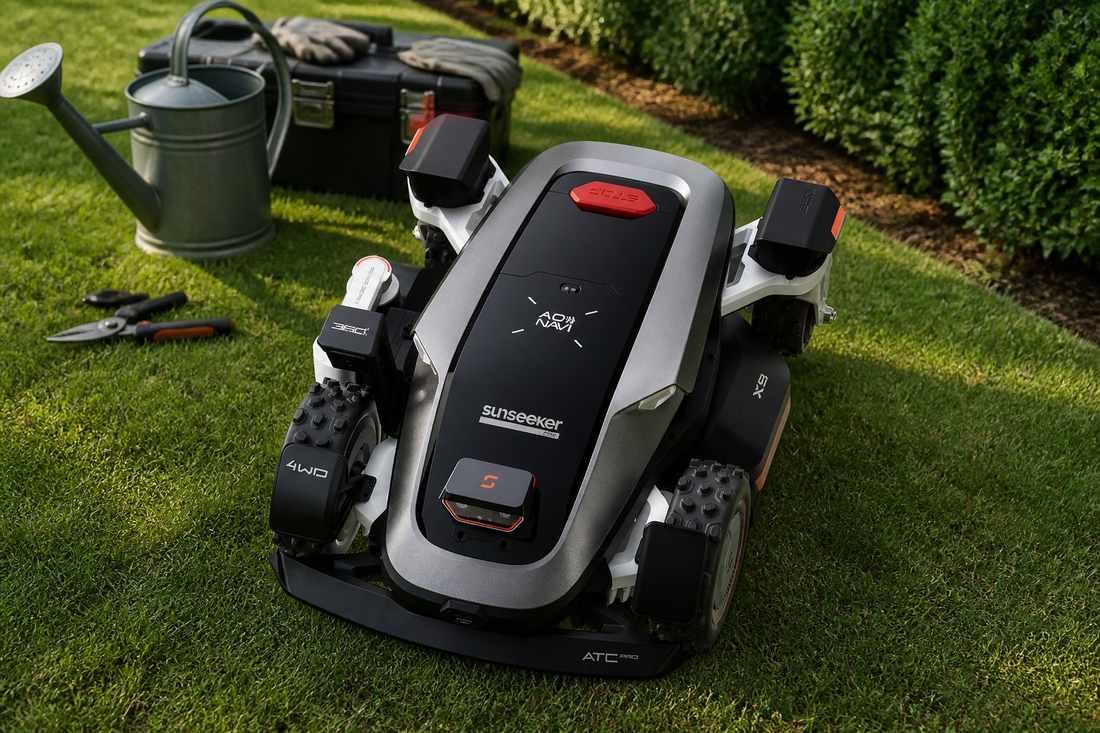
Regular push mower maintenance is necessary between seasons. If you want to avoid oil changes, spark plug checks, and carburetor cleaning, consider a battery-powered robotic mower. These machines don’t require such steps and are lightweight to clean for winter storage.
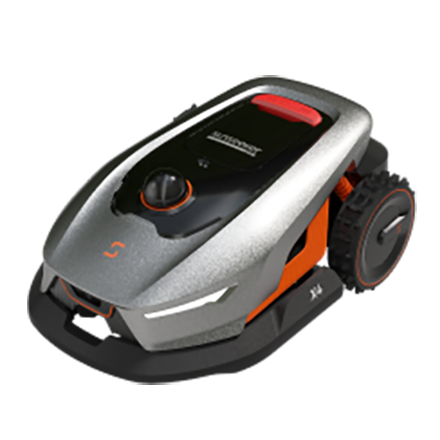
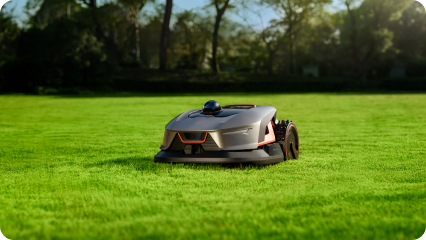
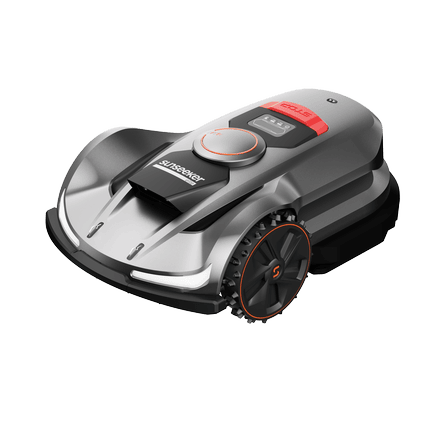
For standard yards, the Sunseeker Elite X4 is a good choice. The drop-and-go design means it operates without traditional boundary wires or complex antenna base stations; instead, you just connect it to the mobile app to start mowing. The machine features automatic charging. Even if you place the charging station in an area with partial signal coverage, the mower returns to base when the battery runs low. Once fully charged, it resumes cutting from where it left off. Furthermore, the built-in anti-theft lift alert reduces the risk of equipment loss, lowering your daily management effort.

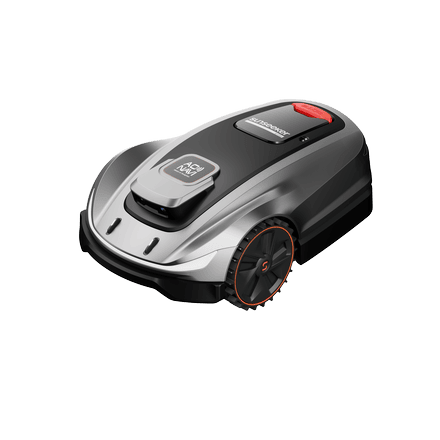
For larger lawns or challenging landscapes, the Sunseeker Elite X7 Gen 2 would be better. Its all-wheel-drive system allows each wheel to run independently, providing stable traction on slopes, wet grass, and rough ground. That’s why it can handle slopes up to 35 degrees. For navigation, the series uses upgraded Vision AI 2.0 technology. This system combines binocular cameras with an iToF camera to achieve precise positioning and obstacle avoidance during both day and night. You can have a reliable 24/7 automated operation.

With regular care, even the best push mower can continue operating smoothly for many years without major service issues. That is why a push mower tune-up matters. This blog explains when and how to prepare for it. Even if you’re new to the field, you’ll learn how to tune up a push mower with this simple guide. If you prefer minimal maintenance tasks, robotic systems like the Sunseeker Elite X4 or X Gen 2 Series would be great alternatives. Try to experience their low-maintenance convenience in person!
Most push mowers benefit from a tune-up after 50 hours of regular use. This usually equals once per year before the mowing season begins. Heavily used mowers may require additional mid-season maintenance, especially if performance starts to decline or starting problems appear.
A lawn mower tune-up commonly includes changing the oil, replacing or cleaning the air filter, inspecting the spark plug, sharpening the blade, checking fuel condition, and cleaning debris from the mower deck and engine area.
Yes, basic push mower maintenance can usually be handled at home with common tools. Tasks like oil changes, blade sharpening, and air filter replacement are also manageable for most homeowners with basic safety precautions.
Definitely yes. Routine tune-ups can improve mower performance, reduce fuel waste, and help prevent larger repair costs later. Regular maintenance also extends equipment lifespan and supports cleaner, more consistent grass cutting.