



FAQs
5/21/2026
Contents
Products
Residential Lawns




Commercial Landscapes
Explore
Where to Buy


Mulching works best when the lawn is healthy, dry, and trimmed often. Instead of collecting clippings, the mower chops them into fine pieces that settle back into the grass and feed the soil. It can save time, reduce yard waste, and support moisture retention, but wet or overgrown grass can cause clumps and uneven coverage.
Mulching when mowing is one of the most efficient and eco-friendly ways to maintain a lush, healthy lawn. Instead of collecting and discarding grass clippings, this method finely chops and redistributes them back onto the turf, returning valuable nutrients to the soil. The result is improved moisture retention, reduced fertilizer needs, and less yard waste. In this comprehensive guide, we will cover everything about mulching when mowing, including how it works, its benefits and drawbacks, and how to do it properly.
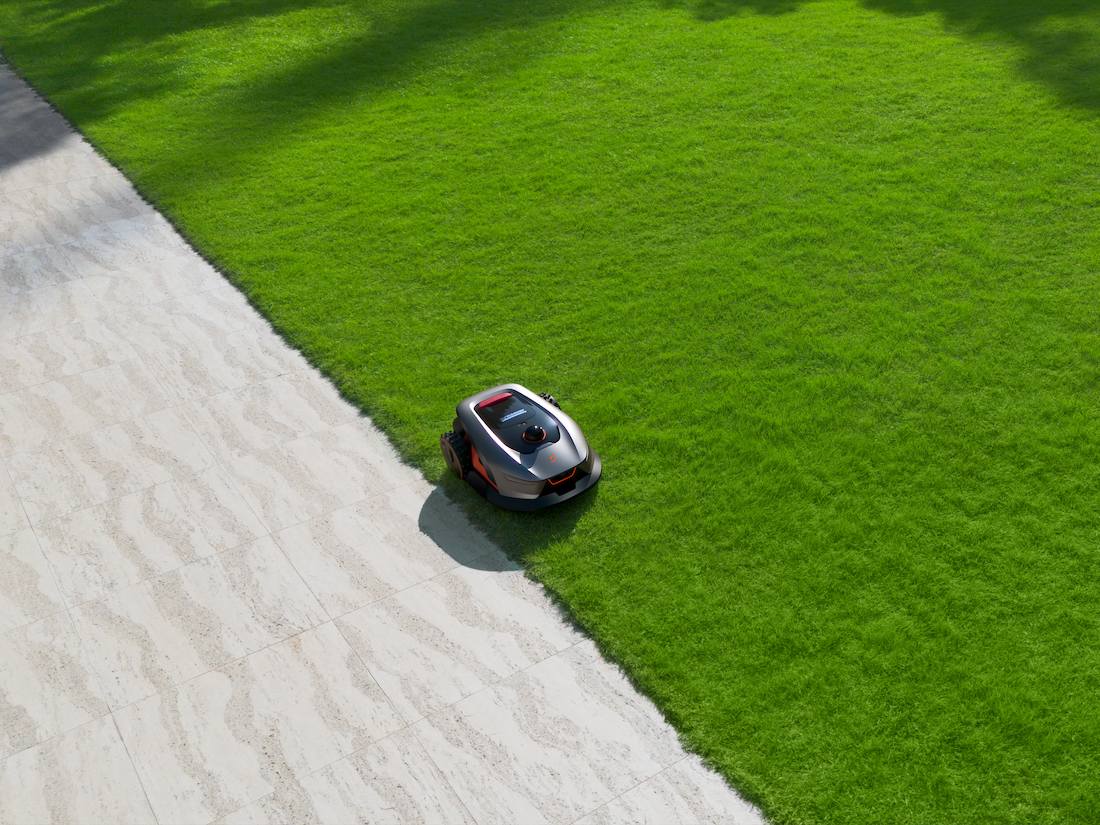
Mulching when mowing refers to the practice of cutting grass so that clippings are finely shredded and left on the lawn instead of being discharged. Often called mulch and mow, this method turns grass clippings into a natural source of nutrients. Instead of removing organic matter, mulching keeps it within the lawn ecosystem, where it decomposes and feeds the soil.
The goal is not just to cut grass, but to recycle it efficiently. When done correctly, mulching leaves little to no visible residue on the surface while improving soil structure and fertility. This approach helps reduce the need for chemical fertilizers, supports healthier grass growth, and promotes a more sustainable lawn care routine.
Mulching works through a high-velocity circulation and reduction process housed within the mower deck. Unlike standard mowing, which discharges grass immediately, a mulching setup uses specialized blades and a sealed chamber to create an aerodynamic vortex. This airflow keeps clippings suspended, allowing the blades to strike and shred them multiple times into fine particles.
Once reduced to fine particles, the clippings are evenly distributed back onto the lawn. Because they are so small, they decompose quickly with the help of moisture and soil microorganisms. This process releases nutrients back into the soil, effectively feeding the grass and supporting continuous, healthy growth.
Mulching when mowing offers several advantages, but it’s not always the right solution in every situation.

Even the best mulching lawn mower needs to be used with consistency and proper technique to deliver good results. Here are the best practices to follow:
Never cut more than one-third of the grass height in a single mowing session. This prevents shock to the grass, supports steady growth, and ensures clippings remain small enough to decompose quickly and evenly across the lawn surface without forming dense layers.
Always mow when the grass is dry to avoid clumping and uneven distribution of clippings. Dry conditions allow the mower to cut more cleanly, helping mulch spread evenly and break down faster while reducing the risk of disease or lawn damage.
Sharp mower blades are essential for effective mulching. They create clean cuts instead of tearing grass, producing fine clippings that decompose quickly. Dull blades can stress the lawn, slow decomposition, and result in uneven mulch distribution across the turf surface.
Frequent mowing during active growth keeps grass at a manageable height and ensures clippings stay small. This allows them to disappear into the lawn easily, decompose quickly, and continuously feed the soil without creating buildup or visible residue on the surface.
The correct mowing height is crucial for lawn health and effective mulching. Taller grass shades the soil, retains moisture, and supports stronger root development. It also helps ensure that only a small portion of the blade is cut, allowing finer clippings to decompose easily.
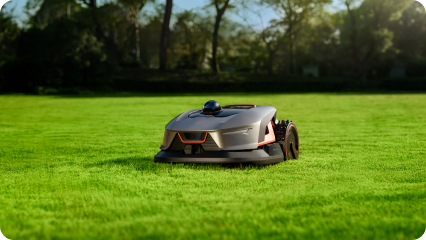
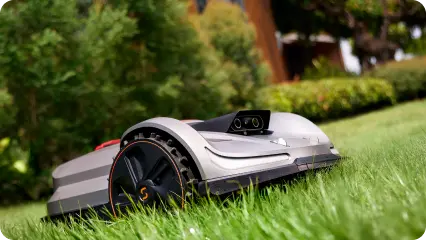
Using a dedicated mulching mower or a mulching kit significantly improves results. Robotic mowers are especially effective because they operate with frequent, consistent light cuts that naturally produce smaller clippings. These finer particles decompose faster, distribute more evenly across the lawn, and reduce the risk of clumping.
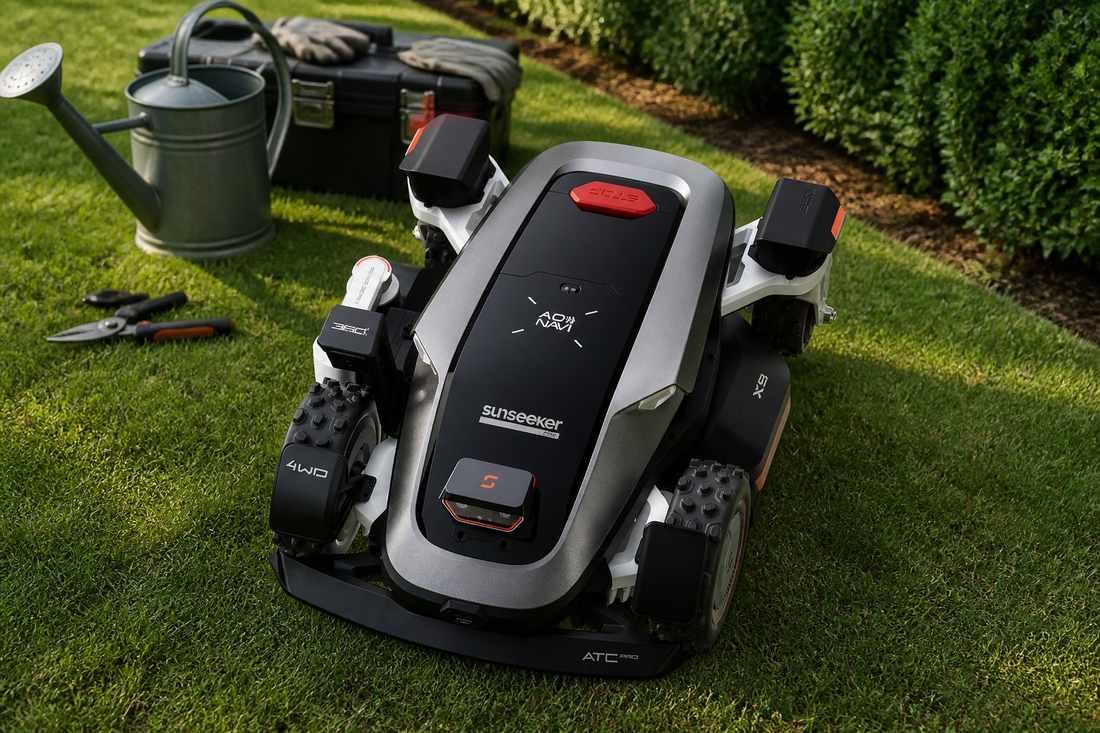
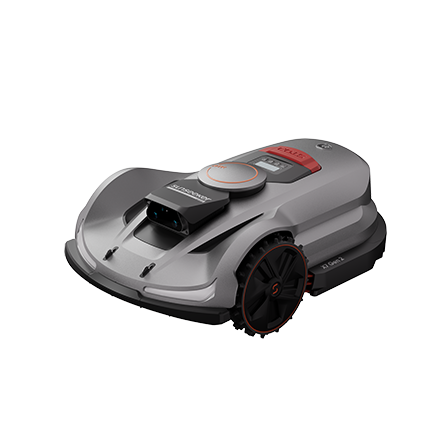
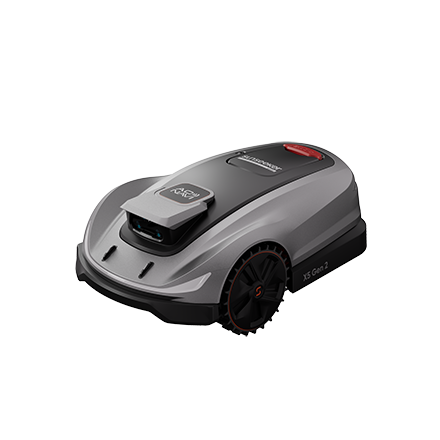
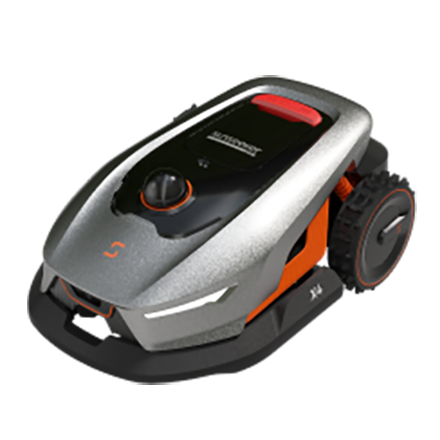
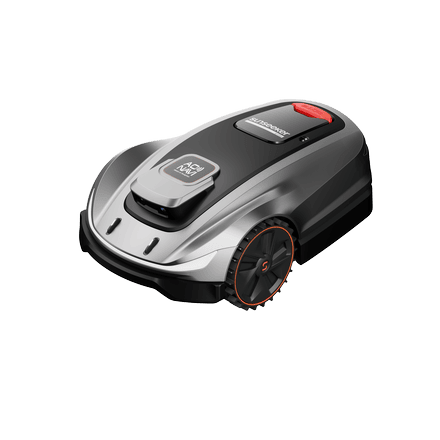
The Sunseeker Elite X4 is an excellent choice for mulching when mowing. This advanced robotic mower delivers strong mulching performance with its 20 cm cutting width and 6-blade system, along with an adjustable cutting height of 20-60 mm for producing fine, uniform clippings. It ensures full lawn coverage through intelligent navigation and automatic scheduling for frequent mowing cycles. With obstacle avoidance, weather resistance, and quiet operation, it provides reliable lawn care for modern families.
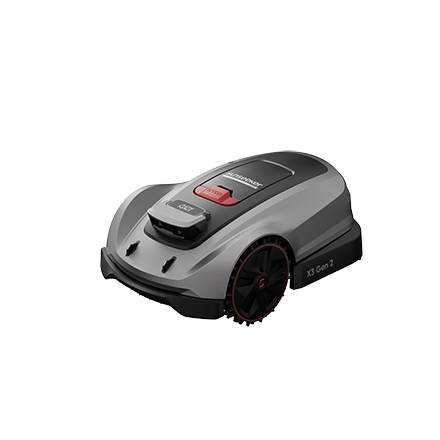
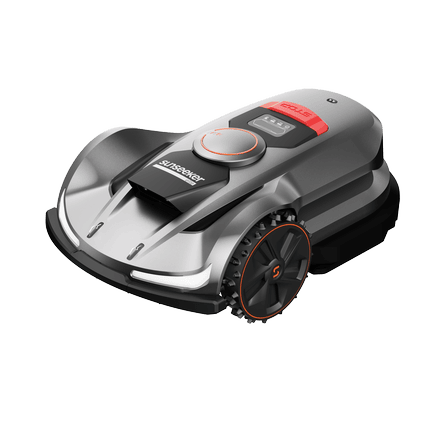
The Sunseeker Elite X7 Gen 2 further enhances mulching performance with an upgraded blade system and a 35 cm dual cutting disc equipped with 6 evenly distributed blades for finer cuts and a more uniform finish. It supports regular mulch-and-mow cycles with precise cutting height control (20-100 mm), producing exceptionally fine clippings that decompose quickly into the soil. Smart app control, accurate boundary mapping, and all-terrain capability make it a premium and high-performance solution for larger or more complex lawns.
Mulching is most effective during periods of steady grass growth, such as spring and early fall. It works best when:
In these situations, mulch and mow practices provide both convenience and long-term lawn health benefits.
Bagging, however, may be more suitable when dealing with excessive growth, heavy leaf coverage, or lawn diseases. Choosing the right fit depends on current lawn conditions and your overall maintenance goals, as well as how much time and effort you want to invest in ongoing lawn care.
Although mulching when mowing is beneficial in many cases, there are times when it should be avoided:
Mulching when mowing is a simple yet powerful way to improve lawn health while reducing maintenance effort. By adopting mulch and mow practices, you can recycle nutrients, conserve moisture, and create a more resilient lawn. If you want to take your lawn care to the next level, consider upgrading to smarter solutions like the Sunseeker Elite models. These advanced mowers make mulching effortless, helping you achieve a perfectly maintained lawn with minimal effort.
Yes, mulching when mowing is recommended for most lawns because it naturally recycles nutrients and improves soil health. It also reduces the need for fertilizers and saves time by eliminating bagging. However, it’s important to mow regularly and avoid wet or overgrown grass to ensure clippings break down properly and do not harm the lawn.
A common mistake is mowing grass that is too long or wet, which creates clumps that block sunlight and airflow. Another frequent issue is using dull blades, which tear rather than cut grass cleanly. These mistakes can lead to uneven decomposition, lawn stress, and increased risk of disease if not corrected.
You should mulch mow your lawn once or twice a week during the growing season, depending on how quickly the grass grows. Frequent mowing ensures clippings remain short and decompose quickly. In slower growth periods, you can mow less often, but consistency is essential for maintaining a well-mulched lawn.