




FAQs
4/14/2026
Contents
Products
Residential Lawns



Commercial Landscapes
Explore
Where to Buy


Winter lawn mowing requires careful timing and technique. Only mow when grass is dry, temperatures are mild, and frost is absent. Maintain a slightly taller height, follow the one-third rule, and remove clippings to prevent disease. Stop mowing when growth halts, and consider robotic mowers for consistent, low-effort winter lawn care.
Many homeowners feel uncertain once colder weather arrives. Can you mow the lawn in winter? Or is it better to leave your grass alone? The answer is not always straightforward. In this guide, we will break down everything you need to know about mowing lawn in winter, including when to mow, how to mow properly in cold conditions, how to do it safely, and when to stop completely. You can also learn about the most common mistakes people make and how to avoid them, so your lawn stays healthy through winter and comes back strong in spring.
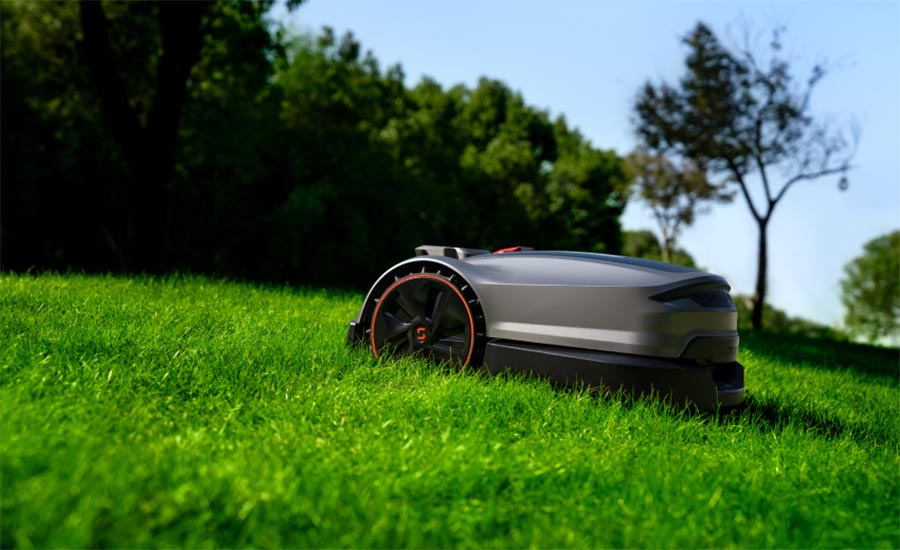
Grass growth in winter depends largely on three factors: temperature, climate, and grass type. Cool-season grasses, such as fescue and Kentucky bluegrass, may continue to grow slowly when temperatures remain above 50°F. Warm-season grasses like Bermuda, on the other hand, go dormant much earlier and require little to no mowing.
If you plan on mowing the lawn in the winter, timing becomes especially important. You should only mow when the grass is dry, temperatures are mild enough to support minimal growth, and there is no frost present. Ideally, daytime temperatures should be above 40-50°F, and conditions should remain frost-free for at least a day or two after mowing.
Unlike the regular growing season, mowing lawn in winter is not a frequent task. In most cases, it may only be necessary every few weeks, or not at all if growth has stopped completely. In winter, the goal should be to maintain its health and avoid unnecessary stress, instead of keeping your lawn perfectly trimmed.
Mowing during winter requires a more careful and deliberate approach than during warmer months. Here are the best practices to follow when you mow lawn in winter.
The one-third rule is essential when mowing lawn in winter. You should never remove more than one-third of the grass blade at a time, as cutting too much can shock the lawn and weaken its ability to withstand cold conditions. For example, if your grass has grown to 75 mm, you should only trim it down to about 50 mm. This method helps preserve the grass’s stored energy, which is especially important during winter when recovery is limited and growth is minimal.
Keeping your mower blade at the right height is another key factor. During winter, it is generally better to leave your grass slightly taller than usual. Taller grass helps protect the crown of the plant and provides a layer of insulation against cold temperatures.
For most lawns, a height of around 65 to 90 mm works well for cool-season grasses, while warm-season grasses can be kept slightly shorter. The key is to avoid sudden, drastic cuts. It’s better to maintain a consistent, moderate height throughout the season.
While leaving grass clippings on the lawn can be beneficial during active growing periods, it is not recommended in winter. Clippings can trap moisture, block airflow, and increase the risk of fungal diseases when the weather is cold and damp.
After mowing, it is best to collect and remove all clippings to keep the lawn surface clean and allow it to breathe properly. This simple step can help prevent issues that might otherwise appear when the lawn begins to grow again in spring.
If you are wondering what is the best time to mow lawn before winter, focus on grass growth and temperature rather than relying only on the calendar. There comes a point when mowing is no longer beneficial and can actually do more harm than good. You should stop mowing once grass growth has slowed to a near standstill and temperatures consistently remain below 50°F. In many regions, this typically happens between late October and early November.
Your final mow before winter dormancy should leave the grass at an appropriate height, usually around 50 to 65 mm, depending on the type of grass. After this final cut, it is best to leave the lawn undisturbed as much as possible. Meanwhile, minimize foot traffic and avoid heavy equipment to protect the grass during its dormant phase, ensuring it recovers well when warmer weather returns.
Understanding how to mow a lawn correctly during winter can help prevent seasonal damage. Many homeowners unintentionally harm their lawns due to inappropriate mowing and maintenance habits. Here are some of the most common mistakes and how to avoid them.
Cutting the grass too short before winter, also known as scalping, can expose the crown and roots to cold temperatures. This weakens the lawn and makes it more vulnerable to disease and stress. Do not cut everything down at once. It is better to gradually reduce the height over several mowing sessions.
Mowing frozen grass is one of the most common and damaging mistakes. When grass is frozen, it becomes brittle and can easily snap or tear rather than being cleanly cut. This leads to uneven damage that may not become visible until spring. Always wait until the frost has completely thawed before mowing.
Different grass types respond differently to winter conditions. While cool-season grasses may tolerate light mowing, warm-season grasses typically do not require it once dormant. It’s crucial to understand your lawn’s specific needs, so you can avoid unnecessary mowing and potential damage.
Walking on frozen grass can compress the soil and damage the blades, leaving behind visible footprints or patches that take time to recover. During freezing conditions, it is best to stay off the lawn as much as possible.
Many people have questions about mower maintenance in the winter months. For example, what to put in lawn mower gas tank for winter? Can you leave gas in a lawnmower over winter? The best approach is to either add a fuel stabilizer to the gas and run the engine briefly so it circulates through the system, or completely drain the fuel tank before storage. Leaving untreated gas in the mower can lead to fuel degradation, clogged carburetors, and starting problems when spring arrives.
So, can you store a lawn mower outside in winter? While it is possible, it is not ideal. Exposure to moisture, snow, and freezing temperatures can cause rust, damage internal components, and shorten the lifespan of your equipment. If outdoor storage is unavoidable, make sure the mower is covered securely with a waterproof cover and placed on a dry, elevated surface. Indoor storage in a shed or garage is always the better option.
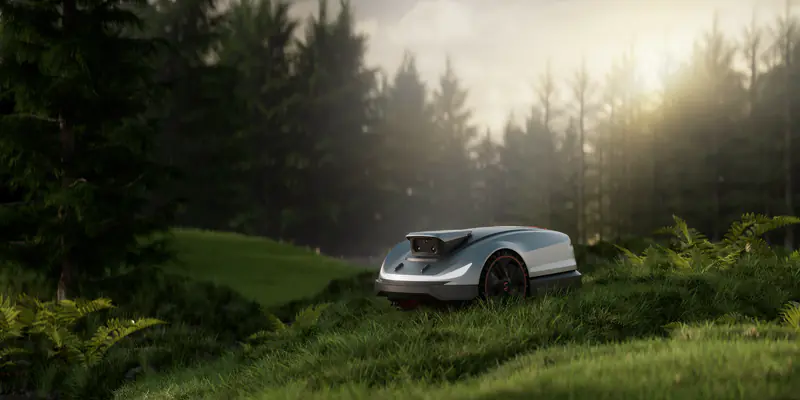
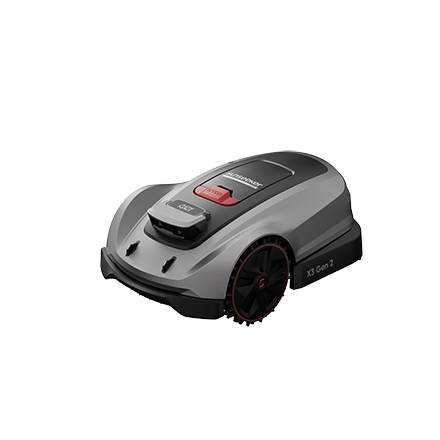
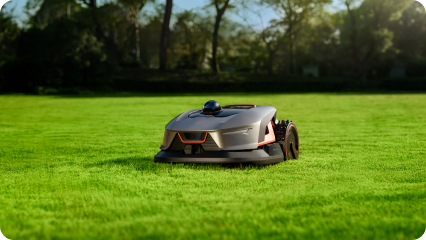
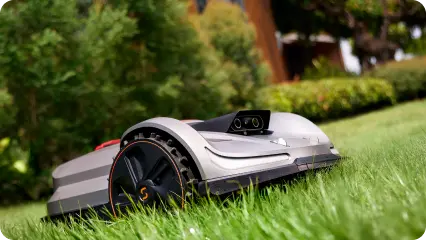
If you want to simplify maintenance and enjoy reliable performance even during seasonal transitions, robotic mowers offer clear advantages over traditional models. They require less manual labor, eliminate the need for fuel, reduce noise, and help maintain consistent mowing sessions all year round with minimal effort.

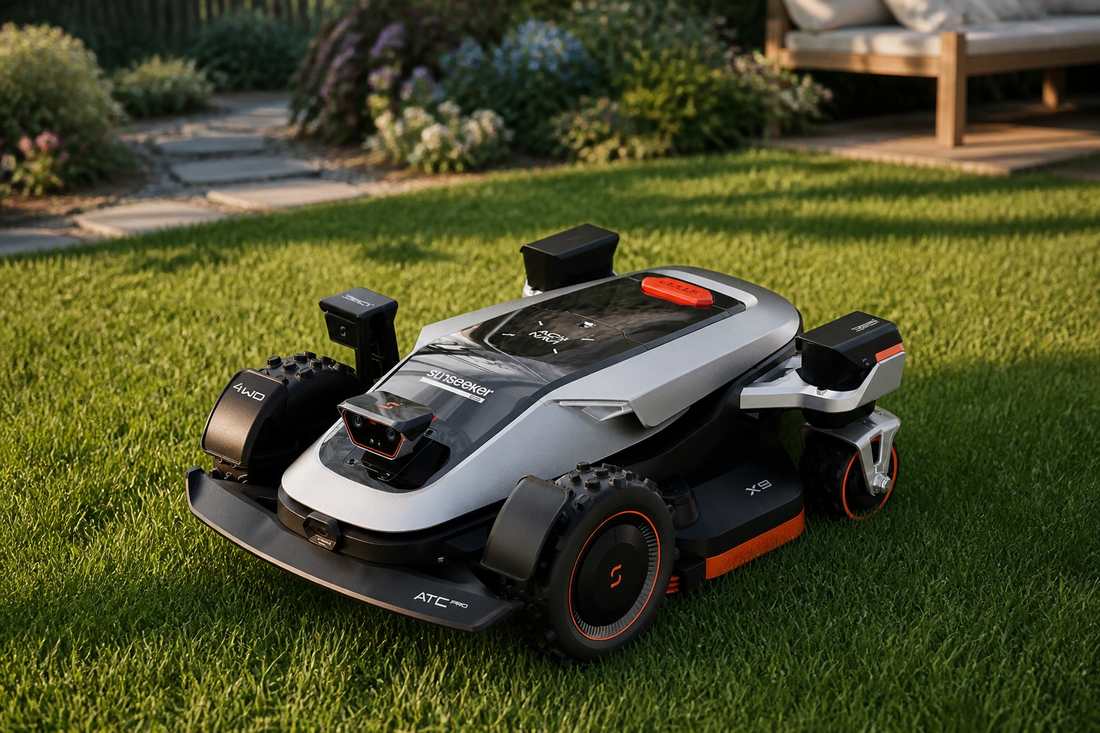
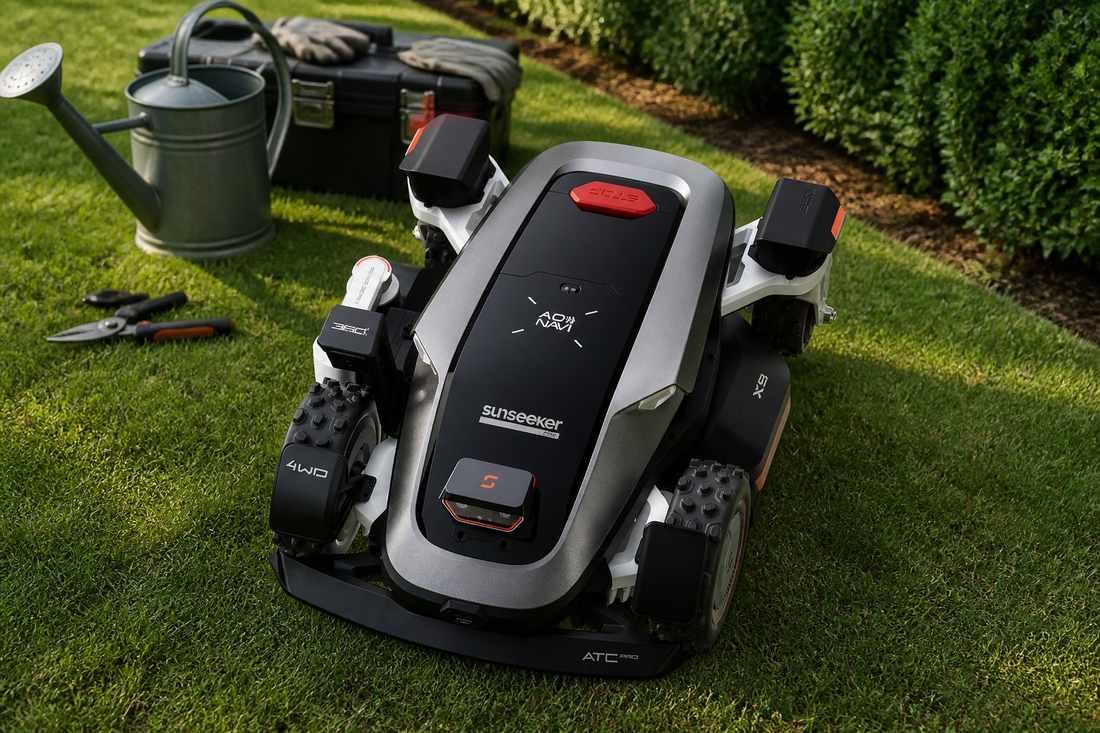
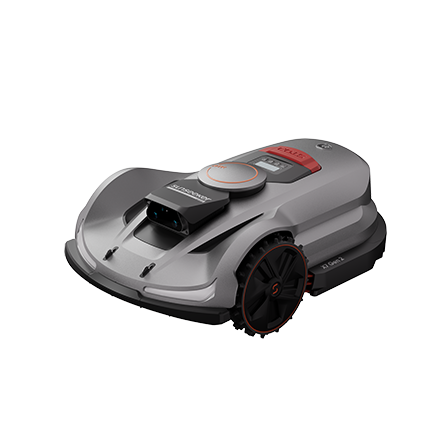
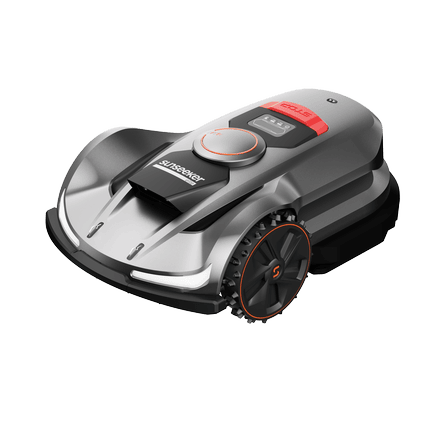
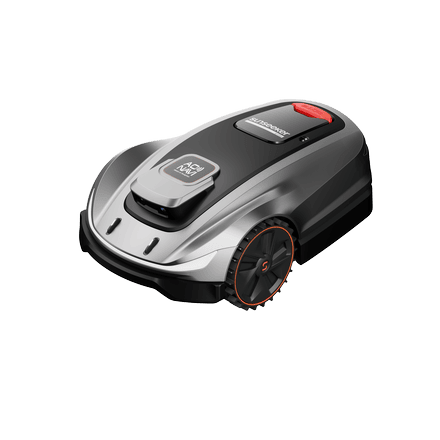
The Sunseeker Elite X7 Plus Gen 2 is a strong choice. Powered by advanced AONavi™ 2.0 navigation that combines RTK and VSLAM 2.0, along with Vision AI 2.0, it delivers dependable performance both day and night. Its All-Terrain Conquer (ATC) system can handle slopes up to 70%. The mower’s intelligent path planning and precise cutting height adjustment make mowing the lawn in the winter both effortless and gentle on your turf. It also features smart obstacle avoidance for safer, more efficient operation, along with a 35 cm dual cutting disc that doubles mowing efficiency for larger areas. The six evenly distributed blades provide finer cuts, resulting in a cleaner and more uniform lawn. With minimal manual intervention and a durable design, it helps reduce storage and maintenance concerns significantly.
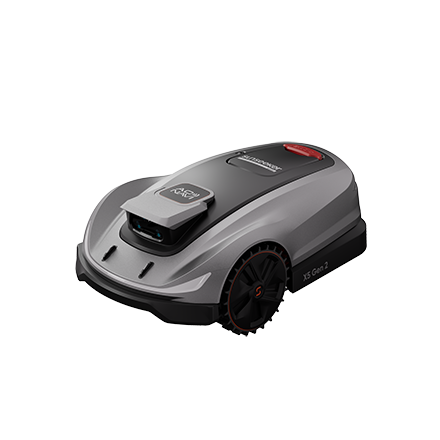
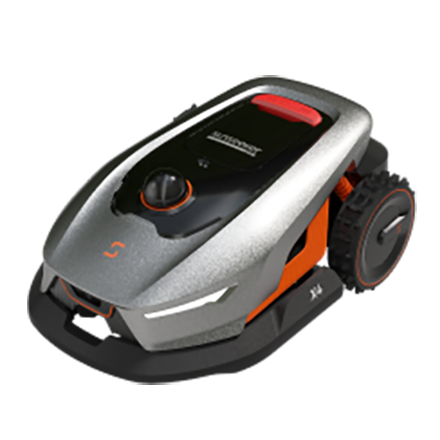
For medium-sized lawns, the Sunseeker Elite X4 offers the convenience you need with an easy “Drop & Go” setup. Supporting 360° 3D LiDAR and Vision AI, it provides fast mapping, smooth navigation, and omnidirectional obstacle avoidance, ensuring consistent cutting results even during cooler months. Its compact, efficient design makes it easy to maneuver in tighter spaces, while its reliable performance allows you to maintain a healthy lawn in winter with minimal effort.
Mowing lawn in winter is not entirely off-limits, but it requires careful timing, proper technique, and a clear understanding of your lawn’s needs. By following the best practices and avoiding common mistakes, you can maintain a healthy lawn without causing unnecessary stress. If you are looking for a more efficient and reliable mowing experience year-round, explore Sunseeker’s robotic solutions. They offer smart navigation, precise cutting, and weather-resistant designs, allowing you to maintain your lawn effortlessly and enjoy better results with less effort.
It’s generally too cold to mow when temperatures drop below 40-50°F (4-10°C), especially if frost is present. Grass becomes brittle in these conditions, leading to uneven cuts and potential damage. Always wait for a dry, frost-free day before mowing. Cutting in extreme cold can stress the lawn and delay recovery in spring.
It’s better to leave your grass slightly longer rather than cutting it too short. A height of around 65-75 mm helps insulate the crown and protects against cold damage. Do not cut it too short, as it might weaken roots and increase disease risk. Gradual height reduction before winter is the safest approach.
Avoid mowing when the grass is wet, frozen, or covered with frost. Also, skip mowing if temperatures remain consistently low or growth has stopped completely. These conditions can lead to tearing, soil compaction, and unnecessary stress. Let the lawn rest during full dormancy for better long-term health.
The exact timing depends on your climate, but most homeowners stop mowing between late October and early November. In warmer regions, mowing may continue into December. Try not to rely on the calendar, but watch for consistent temperature drops and slowed grass growth to determine the right time to stop.