





FAQs
4/23/2026
Contents
Products
Residential Lawns






Commercial Landscapes
Explore
Where to Buy


After overseeding, it’s best to wait 2–4 weeks or until new grass reaches 3–4 inches in height before mowing. Look for strong root hold, firm soil, and even growth as indicators. Initial mowing should be high, with sharp blades, dry conditions, and gentle passes to protect young seedlings.
Many homeowners feel uncertain after overseeding their lawn. As new grass begins to sprout, it’s natural to wonder when it’s safe to mow again. Cut too early, and you risk damaging delicate seedlings or pulling them out entirely. Wait too long, and the lawn can become uneven, with older grass shading out new growth. So, how long after overseeding can I mow? This guide will clearly explain when to mow after overseeding. You can also learn how to spot the right timing and best practices to ensure your lawn grows healthier.

Yes, you can mow after overseeding, but timing is critical. Overseeding introduces new grass seeds into an existing lawn to fill thin spots and improve density. Those seeds need time to germinate and establish strong roots before facing the stress of mowing equipment.
Mowing too early can compact soil, uproot young seedlings, or tear fragile blades. However, once the new grass reaches sufficient height and root depth, regular mowing actually encourages tillering, a process where grass spreads sideways and develops denser growth.
In short, yes, you can mow after overseeding, but only after the lawn is ready. It’s crucial to wait for the right moment to achieve a lush, even result.
When to mow after overseeding? Generally, most experts recommend waiting 2 to 4 weeks after overseeding before the first mow. This timeframe allows new grass seeds to germinate and develop roots deep enough to anchor securely in the soil.
While cool-season grasses (like Kentucky bluegrass or fescue) often need 2-3 weeks, warm-season grasses may require 4 weeks or longer, depending on conditions. Meanwhile, the exact duration depends on factors like weather, soil temperature, and consistent watering.
Overall, some experts suggest a minimum of 10-14 days in ideal conditions, but 2-4 weeks is safer for most lawns to avoid damage.
Whether you’re determining when to mow new sod or when to mow after overseeding, avoid relying solely on the calendar. Instead, observe your lawn for clear physical signs that it’s ready for mowing. Here are the key signs to look for before mowing after overseeding.
If you want to know when to mow after overseeding, start by checking the height of the new grass. Blades should consistently reach about 75-100 mm tall across most areas of the lawn. This height indicates that the grass has developed enough leaf surface and initial root strength to better tolerate mowing without being damaged or pulled out.
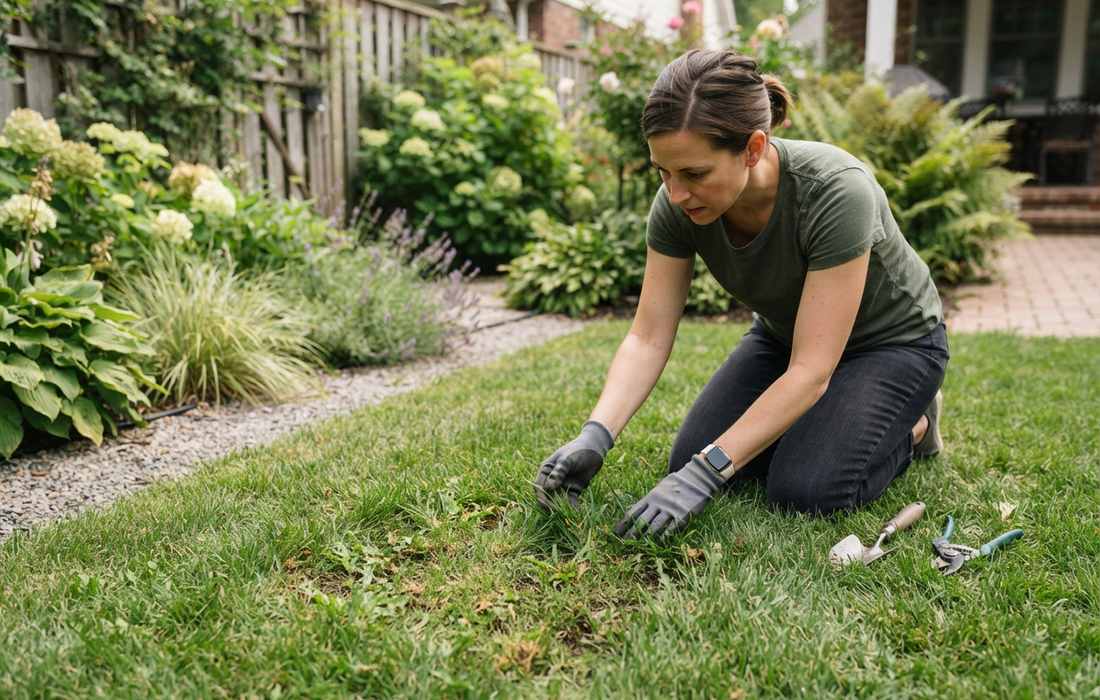
Another reliable way to determine readiness is by testing root strength. Gently tug on a few grass blades in multiple areas of your lawn. If they resist and remain firmly anchored instead of pulling out easily, it shows that the roots are developing properly and can withstand the stress of mowing.
When to mow grass after overseeding? You may also walk across your lawn and observe how the ground feels beneath your feet. If it feels firm and stable rather than soft, muddy, or spongy from frequent watering, it indicates the soil has settled enough to safely support mowing equipment.
Meanwhile, your lawn should appear evenly green and actively growing, rather than thin, patchy, or inconsistent in color and density. Strong, uniform growth across the overseeded areas suggests that seedlings are establishing well. This makes them more resilient and capable of handling mowing without significant stress or damage.
Take a close look at the lawn surface before mowing for the first time. Most areas should show visible new growth, with only a few small bare spots remaining. A more uniform and filled-in appearance indicates successful germination and reduces the risk of damaging weaker or undeveloped sections during mowing.

Now that you know when to mow after overseeding, it’s important to remember that timing is only part of the equation. Using the right techniques matters just as much. Here are the best practices to help you achieve better results.
Set your mower to the highest setting, typically around 75-100 mm, for the first one or two mowing sessions. This minimizes stress on young seedlings and allows new grass to continue photosynthesizing while roots strengthen and establish.
Always use sharp mower blades when cutting an overseeded lawn. Dull blades tear grass instead of cutting cleanly, which can stress delicate seedlings, slow recovery, and increase the risk of disease or uneven growth patterns.
Only mow when both the grass and soil are dry, ideally 24-48 hours after watering or rainfall. Wet conditions can lead to clumping, soil compaction, and a higher chance of pulling up newly established grass roots.
Leave fine clippings on the lawn to act as natural mulch, which helps retain moisture and recycle nutrients. However, avoid heavy clumps that may smother seedlings, and consider light bagging if buildup becomes excessive during early growth stages.
Make slow, wide turns and limit repeated movement across the same areas to reduce soil compaction. Excessive pressure from wheels or foot traffic can disturb young roots and negatively impact the establishment of new grass.
Once mowing begins, stick to a consistent schedule, typically every 3-7 days depending on growth. Avoid removing more than one-third of the grass height at once to prevent stress and support healthy lawn development.
After the first mowing session, slowly lower the cutting height over the next two to three weeks. Watch for any signs of stress or uneven growth, and adjust your mowing approach accordingly to protect developing grass.
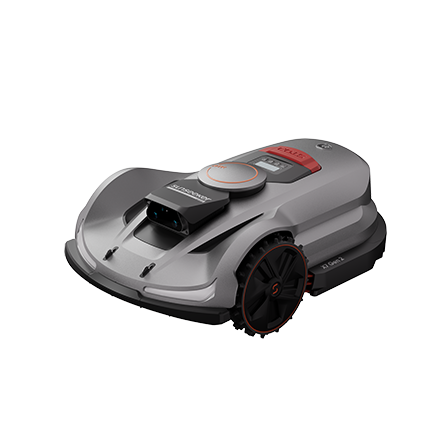
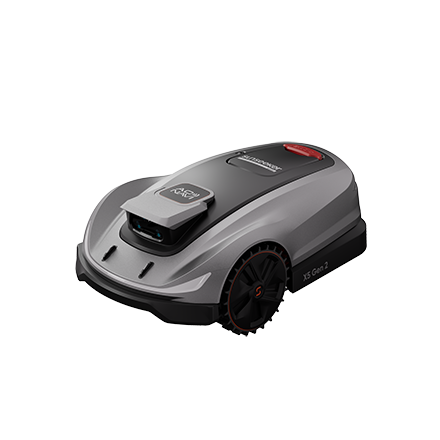
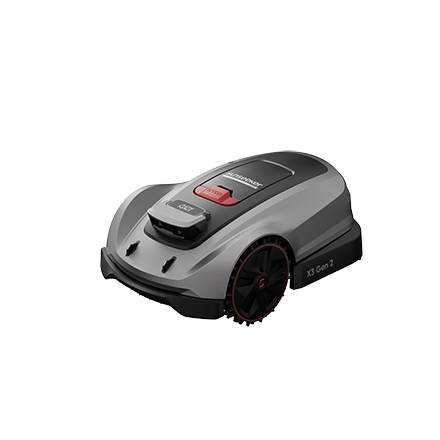
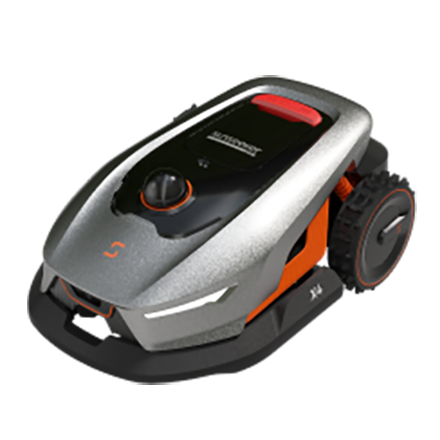
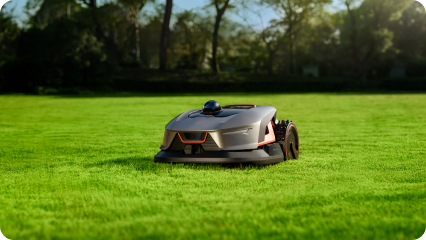
For homeowners who want a more precise and low-impact mowing approach after overseeding, advanced robotic mowers are excellent choices. These machines are designed to mow frequently but lightly—exactly what lawn care experts recommend after overseeding. By removing only a small portion of grass each time, they encourage tillering, or sideways growth, helping new grass blend seamlessly with existing turf.
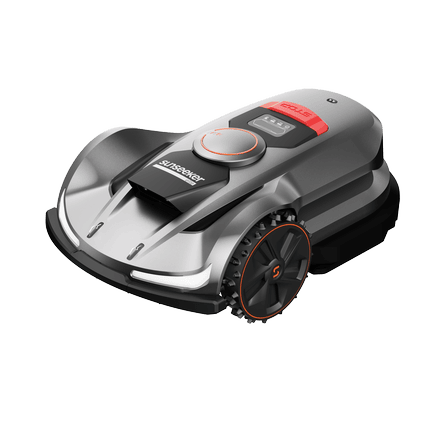
The Sunseeker Elite X7 stands out for its gentle yet precise performance. Its floating cutting disc adapts to uneven/newly seeded ground, delivering smooth, clean cuts without stressing young grass. The app-controlled cutting height ranges from 20-100 mm, making it easy to maintain a higher mowing height ideal for early growth. Powered by AI, its smart path planning also minimizes repeated passes and reduces traffic over delicate areas.
If you are looking for a top-tier option for larger or more complex lawns, the Sunseeker Elite X7 Plus Gen 2 offers enhanced performance and adaptability. It features a wider cutting system and an advanced dual-disc design for efficient and even coverage. With adjustable cutting height, you can maintain the recommended 75-100 mm to protect new grass. Powered by AONavi™ 2.0 with nRTK, VSLAM 2.0, and Vision AI 2.0, it avoids overlap and unnecessary movement, reducing stress on newly established lawns effectively.
When to mow after overseeding? It’s recommended to wait 2-4 weeks or until your grass reaches 75-100 mm to give new seedlings the time they need to establish strong roots. If you’re also wondering when to reseed lawn areas that remain thin or bare, wait until you can assess germination and identify spots where the first seeding attempt was unsuccessful. You can then watch for clear signs and adopt proper mowing practices to support long-term growth. If you want to make lawn care even easier and more precise, consider upgrading to Sunseeker’s advanced mowing solutions. These smart mowers are designed to deliver consistent results while minimizing effort, making them ideal for maintaining overseeded lawns and beyond.
Mowing too soon can pull out newly germinated grass, damage shallow roots, and compact the soil. This often leads to uneven growth, patchy areas, and reduced lawn density. In some cases, you may need to reseed damaged sections. It’s best to wait until the grass is properly established, which helps prevent these issues and ensures healthier development.
Yes, using a higher mowing setting is important after overseeding. It reduces stress on young grass by avoiding excessive cutting and allows more leaf surface for photosynthesis. You can start high and gradually lower the height over time. This helps the lawn adjust naturally while preventing scalping and encouraging deeper root growth.
It’s best to avoid mowing a wet lawn after overseeding. Wet conditions increase the risk of pulling out young seedlings, compacting the soil, and creating uneven cuts. Clippings may also clump and smother new grass at this time. Wait until the lawn is dry, which is usually 24-48 hours after watering or rain, for safer and cleaner mowing.
Mowing does not harm grass seed that has already germinated and established roots. However, mowing too early can damage or displace young seedlings. Once the grass reaches about 75-100 mm tall and is firmly rooted, mowing actually promotes thicker growth by encouraging lateral spreading and improving overall lawn density.