









FAQs
5/28/2026
Contents
Products
Residential Lawns





Commercial Landscapes
Explore
Where to Buy


An oil leak on a lawn mower is rarely catastrophic, but it should never be ignored. Most leaks trace back to a handful of common causes: overfilling, worn gaskets, a damaged seal, or a loose drain plug. Finding the source is the first step, and in many cases the fix is straightforward.
A lawn mower leaking oil is easy to spot but not always easy to diagnose. The oil might appear in different places depending on the source, and the same symptom can have several causes. Working through the likely causes in order is the most efficient way to find and fix the problem. This guide walks through what to look for, where leaks come from, and how to fix them.

Catching an oil leak early saves the engine from more serious damage. Lawn mower leaks oil in ways that are usually visible if you know what to look for.
Most oil leak lawn mower problems come down to a few common causes.
Too much oil in the crankcase. When the level is too high, excess oil gets pushed out through gaskets, seals, or the breather tube. Always check the dipstick after adding oil.
Tilting the mower incorrectly. Tilting toward the air filter side sends oil directly into the filter housing. Always tilt with the air filter side up.
Worn gaskets. The valve cover gasket and crankcase gasket compress and crack over time, letting oil seep through.
Damaged oil seals. The crankshaft seals at the top and bottom of the engine wear down with use. Once they fail, oil escapes steadily.
Loose drain plug. A plug that isn't fully tightened after an oil change drips from the bottom of the engine.
Cracked engine block. Less common, but possible after an impact or prolonged overheating.
The table below matches the sign you see to the most likely source of the oil leak on lawn mower.
|
What You See |
Likely Source |
|
Puddle under the centre of the engine |
Lower bearing ring seal (around the blade shaft) |
|
Oil running down engine sides, pooling on deck |
Upper bearing ring seal (top of crankcase) |
|
Oil seeping around the valve cover |
Worn valve cover gasket |
|
Dripping from the bottom of the engine |
Loose or damaged drain plug |
|
Oil around the fill tube or dipstick area |
Worn oil fill seal or loose cap |
|
Oil in or around the air filter |
Overfilling or incorrect tilting |
|
Smoke and oil leak together |
Head gasket issue or worn piston seal |
Once you've identified the source from the table above, here's how to address each one. Lawn mower oil leak repair ranges from a two-minute check to a job worth handing to a technician. If you are wondering, “can you use car oil in a lawn mower,” check the engine manual first, as some automotive oils may work only when their viscosity and service rating match the mower manufacturer’s specifications.
1.Oil level too high:Drain the excess until the dipstick reads within the normal range. Many leaks stop immediately. If excess oil has reached the air filter housing, check your manual for how to clean lawn mower air filter components and replace the filter if it is saturated or damaged.
2.Loose drain plug:Hand-tighten, then snug with a wrench. Don't overtighten, as that strips the threads.
3.Worn oil cap or fill seal:Replace the cap or seal. Both are inexpensive and take minutes to swap out.
4.Worn valve cover gasket:Remove the valve cover, clean both mating surfaces, and fit a new gasket. A manageable DIY job.
5.Lower bearing ring seal:Requires removing the blade to access. More involved, but doable with basic tools and patience.
6.Upper bearing ring seal:Covered by the flywheel, which needs proper tools to remove safely. Best left to a technician.
7.Head gasket or crankcase issue:Involves significant disassembly. Compare the repair cost to the mower's value before committing.
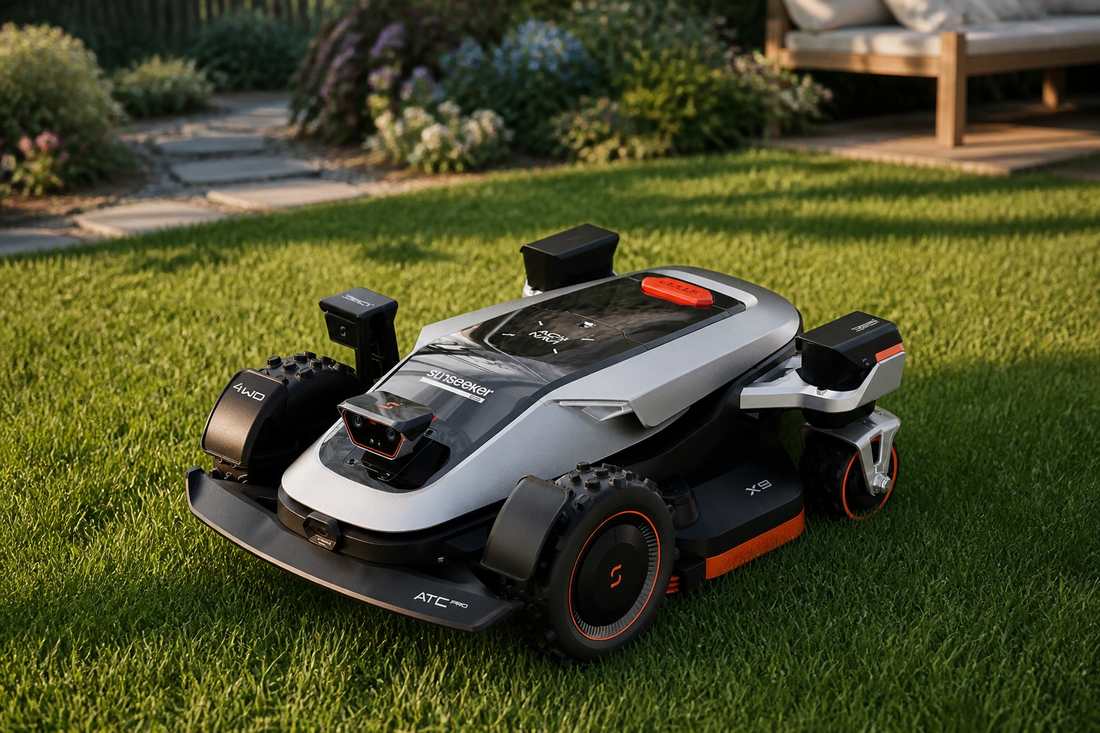
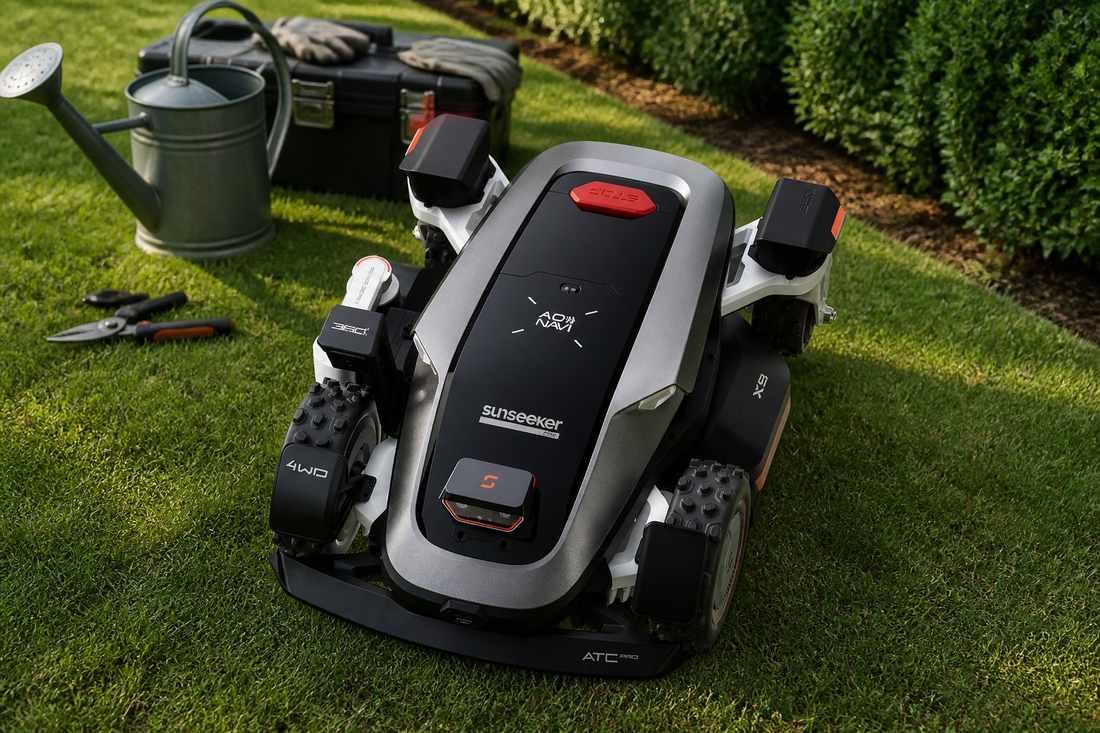
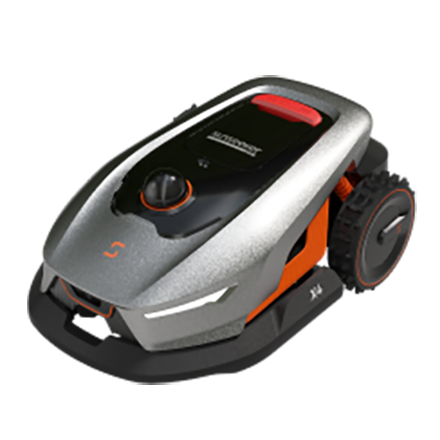
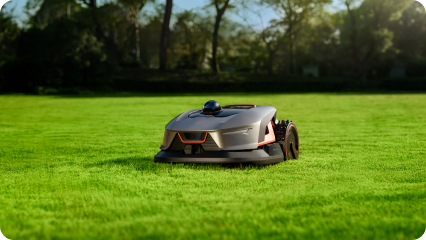
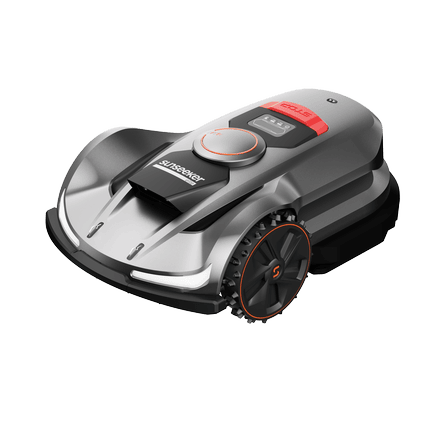
If the repairs keep stacking up or you simply can't find the source, it might be worth considering a different approach. The Sunseeker Elite X4 runs entirely on battery power, so there's no engine oil to change, no gaskets to replace, and no seals to wear out. For yards with complex layouts or lots of obstacles, its LidarAI™ 3D fusion sensing captures over 210,000 point clouds per second with 360° 3D LiDAR, and a 10 TOPS AI chip handles real-time obstacle detection, making it one of the most capable wire-free robotic options available.
The severity depends on where the oil is coming from and how fast it's escaping. A minor seep from an overfilled crankcase or a loose drain plug causes no lasting damage if caught quickly. A crankshaft seal or gasket failure left unaddressed leads to oil starvation, which causes far more expensive engine damage.
The practical rule: if the oil level on the dipstick is dropping noticeably between sessions, fix it before the next mow. A lawn mower is leaking oil at a rate that affects the dipstick reading — that's a sign the engine is at risk. Running low on oil causes far more expensive damage than the original repair.
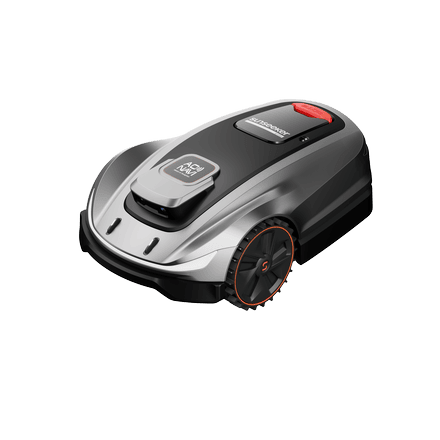
For larger properties where a gas mower is often the default choice, oil leaks and seal replacements tend to come up more frequently with heavier use. The Sunseeker Elite X7 Plus Gen 2 is a robotic alternative that eliminates engine oil, gaskets, and seals entirely. Its AWD system handles slopes up to 70% (35°), covers yards up to about 6,070 m², and Vision AI 2.0 keeps it running accurately day and night with no oil maintenance needed.

A lawn mower leaking oil is a problem worth taking seriously, but rarely a reason to panic. Most leaks trace back to overfilling, a worn gasket, a damaged seal, or a loose plug, all of which are fixable. Work through the likely sources in order, starting with the simplest checks.
Oil in the air filter almost always comes from overfilling the crankcase or tilting the mower the wrong way during maintenance. When there's too much oil, it gets pushed through the breather tube into the air filter housing. Tilting toward the air filter side causes oil to flow directly into it. Drain excess oil if the level is too high, and always tilt with the air filter side up when working underneath.
Oil and smoke together usually mean oil is burning somewhere it shouldn't be. Oil coming out of exhaust lawn mower situations typically point to oil reaching the combustion chamber through a worn piston ring, valve seal, or head gasket. Blue smoke is the clearest sign. Both need attention before the mower is used again.
It depends on the severity. A very minor seep that isn't affecting the oil level can usually wait until the next maintenance window. But if the oil level is dropping between sessions, the mower is smoking, or you can see active dripping, stop using it until the source is found and fixed. Running a mower with insufficient oil causes rapid engine wear that's far more expensive than the original leak.