






FAQs
4/14/2026
Contents
Products
Residential Lawns












Commercial Landscapes
Explore
Where to Buy


Organic weed control relies on safe, natural methods like hand pulling, vinegar or lemon sprays, boiling water, mulching, and targeted mineral treatments. Maintaining a healthy lawn—through proper mowing height, overseeding, aeration, and deep watering—helps grass outcompete weeds, reducing their establishment and keeping the turf dense and resilient.
Weeds are a fact of lawn life, but reaching for chemical herbicides isn't the only way to deal with them. Kill lawn weeds organically using household ingredients and natural techniques that are safer for kids, pets, and the surrounding soil. This guide covers eight methods that work, plus tips on keeping weeds from coming back in the first place.
Chemical herbicides get the job done, but they come with trade-offs that more homeowners are starting to weigh seriously.
These eight methods range from completely hands-on to simple DIY solutions. Some work best on isolated weeds, others on larger infestations. Choose based on your situation and the type of weeds you're dealing with.
The most direct method and still one of the most effective for isolated weeds. The key is removing the entire root, not just the top growth. Dandelions and other tap-rooted weeds will regrow from root fragments left in the soil.
Pull weeds after rain or watering when the soil is soft. Use a weeding tool or narrow trowel to loosen the soil around the base before pulling. For deep-rooted weeds, work the tool down alongside the root before levering it out. Dispose of pulled weeds in the bin rather than the compost if they've already set seed.
White vinegar contains acetic acid, which draws moisture out of plant cells and kills the above-ground portion of weeds on contact. Standard household vinegar at 5% acidity works on young weeds. For tougher or more established growth, horticultural vinegar at 20% acidity is more effective.
Apply directly to weed leaves on a dry, sunny day using a spray bottle. Avoid spraying nearby grass or garden plants since vinegar is non-selective and will damage anything it contacts. This is one of the best organic weed killers for lawns because the ingredients are cheap and widely available.
Pouring boiling water directly onto weeds destroys plant tissue on contact. It works quickly and leaves no residue in the soil. It's particularly effective on weeds growing through cracks in driveways or along hard edges where surrounding grass isn't at risk.
Boil a full kettle and pour slowly and directly onto the weed, saturating the base. Repeat as needed for established plants with deep roots. This method is best used away from grass and garden beds since the heat affects any plant it contacts.
Lemon juice works similarly to vinegar through its citric acid content. Combined with vinegar, it creates a stronger contact solution. Mix one cup of lemon juice with one cup of white vinegar and apply directly to weeds with a spray bottle on a sunny day.
The acidity burns leaf tissue and disrupts the plant's ability to retain moisture. Like vinegar, it's non-selective, so apply carefully around grass and plants you want to keep.
Mulch applied at a depth of 6.5-10 cm blocks sunlight from reaching weed seeds in the soil, preventing germination without any chemical involvement. Wood chip, straw, bark, and leaf mulch all work well.
Mulching is most effective in garden beds and along borders. It also retains soil moisture and moderates temperature, which benefits surrounding plants. Replenish mulch annually as it breaks down to maintain the light-blocking depth.
Salt dehydrates plant tissue and disrupts water uptake at the root level. A solution of one part salt to two parts water applied directly to weeds can kill them within a few days.
Use this method with caution. Salt persists in the soil and can prevent anything from growing in treated areas for an extended period. It's best reserved for weeds in driveways, gravel paths, or patio cracks where you don't plan to grow anything nearby.
Borax, a naturally occurring mineral compound, is toxic to some weed species at low concentrations. Mixed at around 285 g per 9.5 L of water, it can be sprayed onto weeds like creeping Charlie that are resistant to other organic methods.
Like salt, borax accumulates in the soil with repeated use and can affect surrounding plants over time. Use sparingly and only on targeted areas rather than broadcast across the lawn.
A propane weed torch applies direct heat to weed tissue, causing cell damage that kills the plant within a day or two. It's fast and effective on broadleaf weeds and works well along fence lines, gravel paths, and driveways.
The goal isn't to set the weed on fire but to apply enough heat to wilt the tissue. A brief pass of one to two seconds per plant is usually sufficient. Avoid using a torch during dry conditions or near dry vegetation, and check local regulations before use as some areas restrict open flame tools.
The most effective strategy is reducing how many weeds that establish in the first place. If you are wondering when to weed and feed lawn areas, the best timing is usually during active grass growth, when weeds are visible and the lawn is not under heat or drought stress. A few consistent habits make a significant difference.
Keeping grass at the upper end of its recommended height shades the soil surface and makes it harder for weed seeds to germinate. Cutting too short weakens turf and opens gaps that weeds fill quickly. Raise the mowing height by 13 mm and maintain it consistently through the growing season.
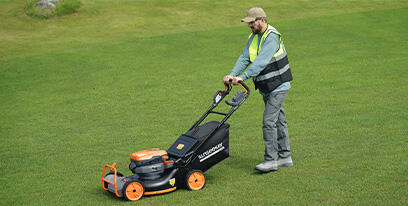
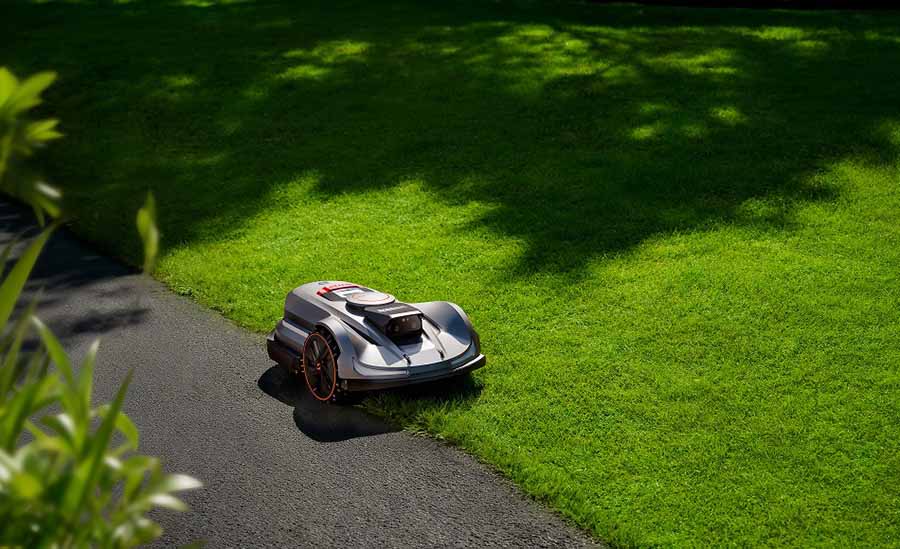
Frequent mowing at the right height keeps the lawn dense and competitive. Thin or patchy turf is the most common entry point for weeds. A robotic mower running on a regular schedule keeps grass consistently trimmed without letting it get ahead of you. The Sunseeker Elite X3 Gen 2 operates autonomously on a set schedule, maintaining an even cut that supports a dense, weed-resistant lawn without manual effort.

Bare or thin areas are open invitations for weeds. Overseeding in autumn fills these gaps with grass before weeds can establish. Rake the area lightly, scatter seed, and keep it moist until germination.
Compacted or nutrient-poor soil favors weeds over grass. If you are asking how often should you weed and feed your lawn, avoid relying on a fixed schedule and first assess the soil, grass condition, and level of weed growth. Aerating annually improves drainage and root depth, and topdressing with compost adds organic matter that supports healthy turf. A healthy lawn crowds out weeds naturally without needing intervention.
Shallow, frequent watering encourages shallow root growth in grass and creates ideal germination conditions for weed seeds near the soil surface. Watering deeply once or twice a week encourages deeper grass roots that are more competitive against weeds.
Weed seeds can hitch rides on mowing equipment, especially after cutting an area with established weeds. Cleaning the underside of your lawn mower deck after each use reduces the chance of spreading seeds to other parts of the yard.
There's no single method that handles every weed in every situation, but combining a few of these approaches covers most scenarios without relying on synthetic chemicals. Kill lawn weeds organically by matching the method to the weed type and location, and back it up with consistent lawn care habits that make it harder for weeds to establish in the first place. A healthy, well-maintained lawn is the most reliable long-term defense against weed pressure.
No organic method kills weeds permanently without affecting surrounding grass since most natural contact killers are non-selective. The closest thing to a long-term natural solution is improving lawn density through correct mowing height, regular overseeding, and soil health.
A thick, healthy lawn crowds out most weeds without any direct treatment needed. For spot treatment near grass, hand pulling with full root removal is the safest option since it targets only the specific plant.
Hand pulling is the most reliable method since it's fully selective. For contact treatments like vinegar or lemon juice, apply with a small paintbrush or targeted spray directly onto weed leaves, keeping the solution off surrounding grass. Treat on calm days with no wind to reduce drift. Mulching works well in garden beds and borders without any risk to lawn grass. Timing also helps. Treating young weeds before they spread is easier and requires less product than dealing with established infestations.
Yes, vinegar kills weeds on contact, but it also kills grass and any other plant it touches. It's not safe to spray broadly across a lawn since it will damage turf as readily as weeds. Vinegar works best as a spot treatment on isolated weeds in driveways, paths, or gravel areas where surrounding grass isn't at risk.
For use in lawn areas, apply with a small brush directly to weed leaves and avoid contact with grass. Standard 5% household vinegar works on young weeds, while horticultural vinegar at 20% is more effective on established plants.
White vinegar applied directly to weed leaves on a sunny day is one of the most effective and widely available home remedies. For weeds in cracks and hard surfaces, boiling water works quickly with zero residue. Hand pulling after rain remains the most reliable method for lawn areas where non-selective treatments could damage grass.