













FAQs
5/28/2026
Contents
Products
Residential Lawns












Commercial Landscapes
Explore
Where to Buy


A lawn mower left untouched through winter often develops fuel issues, rust, or battery problems before spring arrives. Cleaning the deck, treating the fuel system, checking the blade, and storing the mower in a dry space help reduce startup trouble and keep the machine in better working condition after months of inactivity.
Taking the time to prepare your lawn mower for the off-season prevents mechanical failure and extends its lifespan. This guide covers the main winterization steps for both gas and electric models, along with practical storage tips. By following these straightforward steps, you protect your investment and save yourself time when the growing season returns. Read on to master the essential process of how to winterize a lawn mower.
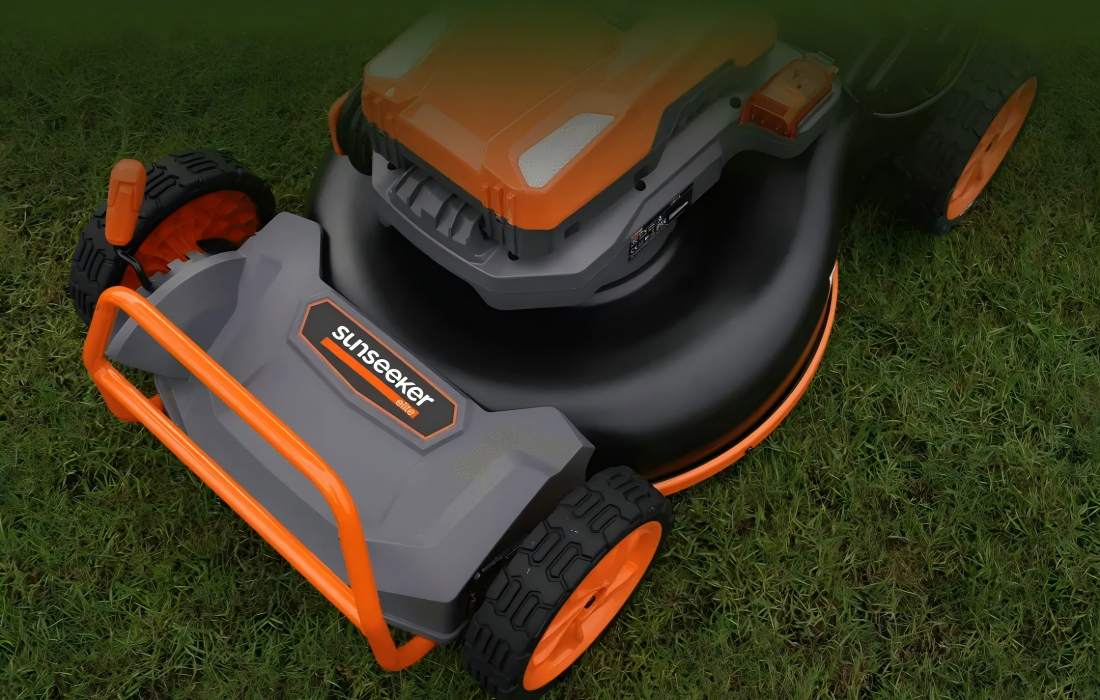
A lawn mower will sit unused for months during winter. Lawn mower winterization addresses the specific risks posed by freezing temperatures and inactivity.
If you are wondering what is a good lawn mower for long-term ownership, choose one that is durable, easy to maintain, and suitable for your yard. Regardless of the model, proper winterization is essential. The process depends on the mower type. Gas models require fuel and oil maintenance, while electric models focus more on battery care and moisture protection. Below are step-by-step details on how to winterize lawn mowers.
Winterizing a gas lawn mower focuses on the mechanical parts. Here is what you can do.
Step 1. Empty or Stabilize the Fuel
There are two common approaches. You can either run the mower until the fuel tank becomes empty or add fuel stabilizer and run the engine for several minutes so treated fuel circulates through the system. Both methods help reduce fuel-related buildup during winter.
Step 2. Change the Engine Oil
Warm oil flows more easily and removes contaminants more effectively. Warm the engine briefly before draining old oil, then refill with fresh oil recommended by the mower manufacturer.
Step 3. Replace or Clean the Air Filter
Dirty air filters restrict airflow and may affect engine performance. Foam filters can often be cleaned and reused, while paper filters usually require replacement.
Step 4. Remove the Spark Plug
Inspect the spark plug for carbon buildup or wear. Replace a worn plug when mowing season returns.
Step 5. Clean the Mower Deck
Moist grass left on metal surfaces increases the chance of corrosion. Use a brush or scraper to remove grass buildup from the underside of the deck.
Step 6. Sharpen and Inspect the Blade
Winter storage is a practical time to inspect the mower blade for dull edges, cracks, or bending. Sharpening the blade before storage reduces spring maintenance work.
Electric mowers require fewer maintenance steps because they lack fuel systems and engine oil. However, battery care becomes more important during winter storage.
Step 1. Disconnect and Remove the Battery
Leaving the battery attached for months may slowly drain power. You should always remove the battery before storage.
Step 2. Clean the Mower Thoroughly
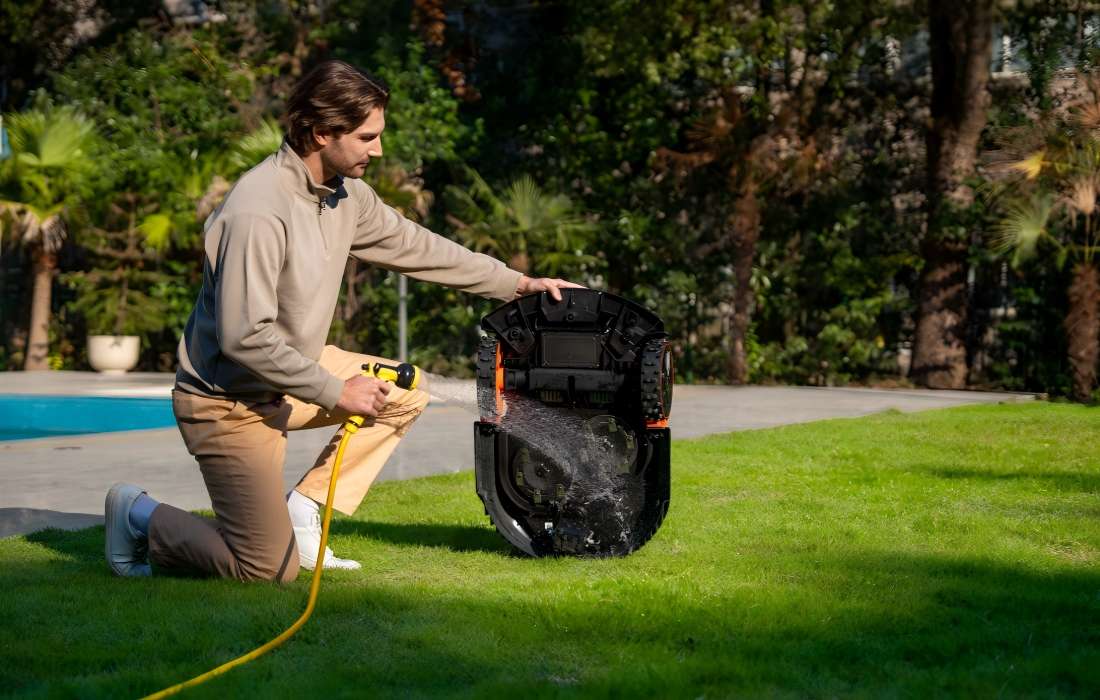
Wipe away dirt, grass, and moisture from the mower deck and wheels, and clean ventilation openings to prevent dust buildup. If you are using a model like the Sunseeker Elite X5 Gen 2, you have an advantage for a more thorough clean. Thanks to its IPX5 waterproof rating, you can safely use a damp cloth or a low-pressure water flow to clean the chassis. This ensures stubborn dirt is removed while keeping sensitive internal electronics protected.
Step 3. Store the Battery
Indoor storage helps maintain battery stability and reduces capacity loss. Also, lithium batteries generally store better with a partial charge. A charge of around 40% to 60% charge for long-term storage is highly recommended.
Step 4. Update Firmware
If your mower is a smart device, check for the latest software updates via the app before powering it down for the season
Step 5. Inspect the Blade and Fasteners
Small maintenance tasks completed during winter often reduce setup time in spring. Check blade condition and tighten loose hardware before storage.
Winterizing lawn mowers is more than preparing the equipment. Storage conditions affect mower condition as much as maintenance itself. Even a fully winterized mower may develop problems if stored improperly. Below are ways to store your winterized lawn mowers.
Large temperature swings and trapped condensation often increase rust formation. A dry and enclosed location offers the most stable environment. Avoid storing mowers in damp basements or unsealed sheds where moisture levels fluctuate significantly. Garages and sheds usually provide better protection than outdoor storage under tarps. You should also keep gas models away from heat sources.
Storing slightly above concrete floors can also help reduce moisture exposure. Some owners place a wood board or rubber mat beneath the mower during long-term storage.
Cover helps limit dust accumulation, but airtight plastic wrapping may trap moisture. A breathable protective cover helps reduce dust accumulation while allowing moisture to escape. You can invest in one to help store your equipment for the off-season.
Winterization is a standard maintenance practice that pays off with long-term reliability. Even the best lawn mower requires proper off-season care to prevent corrosion, battery deterioration, or fuel-system problems. The blog explores how to winterize a lawn mower. Whether you operate a standard mower or an autonomous model, the effort spent now helps preserve mower performance and reduce repair needs before the next mowing season begins.
Yes. Leaving a mower exposed to cold, damp air without preparation leads to rusted decks, degraded fuel, and battery failure. Regular winterization mitigates these risks, ensuring the machine remains operational and reducing the need for costly maintenance when you take it out of storage in the spring.
It is not recommended. Gasoline begins to degrade within a few months, turning into a sticky residue that clogs carburetors and fuel filters. This buildup prevents the engine from starting or causes it to run poorly. If you cannot drain the tank, always use a fuel stabilizer to slow down the degradation process.
If you prefer not to drain the fuel tank, add a reputable fuel stabilizer to the gas. Fill the tank near the top to reduce the amount of air inside, then run the engine for five to ten minutes to ensure the treated fuel reaches all components.