






FAQs
4/14/2026
Contents
Products
Residential Lawns




Commercial Landscapes
Explore
Where to Buy


Mowing efficiently relies on preparation, patterns, and mower condition. Straight, consistent passes, sharp blades, proper cutting height, and dry grass all speed the process. Maintaining the mower—cleaning the deck, checking wheels, and ensuring engine or battery performance—also keeps cutting smooth. Robotic mowers optimize paths and reduce effort further for fast, consistent results.
Mowing the lawn should be simple, but it often ends up taking more time than it needs to. You go out thinking it’ll be quick, and before you know it, you’re still pushing the mower around with no clear end in sight. Most of the time, it’s not the size of the lawn, it’s how you’re doing it.
A few small changes can make the whole process faster and less tiring. Things like your mowing pattern, timing, and setup matter more than people think. Once you get those right, the job feels a lot more manageable and doesn’t drag on as much. In this article, we will discuss how to mow the lawn efficiently and fast in detail.
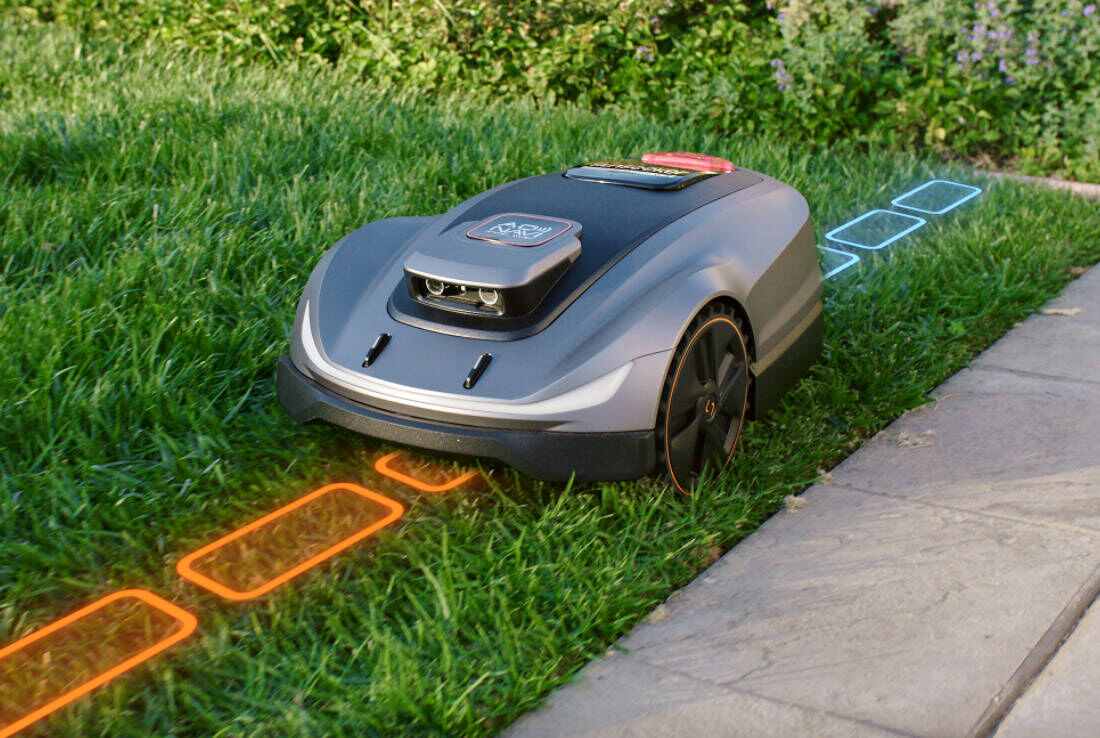
Instead of mowing randomly, when you follow the most efficient way to mow a lawn then you can cover the lawn evenly while saving time and effort. Different patterns also affect how the grass grows and how the lawn looks after cutting. Below are some commonly used mowing patterns and when to use them.
This is the most basic and most efficient mowing pattern. You move the mower in straight, parallel lines across the lawn, turning at the end of each row. It works best for open, flat areas and is ideal when speed is the priority. The direction can be adjusted, such as horizontal, vertical, or diagonal, depending on preference.
The curved pattern follows a wave-like motion instead of straight lines. It is suitable for lawns with irregular shapes or when a softer, more natural look is preferred. Consistency in the curve is important to maintain an even appearance across the lawn.
This pattern involves mowing two rows in one direction and then switching direction for the next row. It helps reduce soil compaction and prevents grass from bending in one direction over time. It also adds a subtle visual variation to the lawn.
In this pattern, mowing is done in circular paths, either starting from the outer edge and moving inward or from the center outward. It is useful for lawns with focal points such as trees or garden features. Slower and controlled turns are needed to maintain uniformity.
This is a variation of the circular pattern where mowing continues in a spiral path. It requires consistent overlap between passes to avoid uneven cutting. It is often used for decorative results rather than speed.
This pattern is created by mowing the lawn twice. The first pass is done in straight lines, and the second pass is done at a 90 degree angle. It produces a contrast effect due to the way grass blades reflect light. It is commonly used for a more polished and professional appearance.
This pattern is similar to the checkerboard but uses a diagonal second pass instead of a perpendicular one. The result is a diamond-shaped visual effect across the lawn. It requires more time and precision but enhances the overall look of the lawn.
Robot mower speed is usually measured by how much area it can cover, not how fast it moves in a straight line. Brands often list a maximum mowing area, but that number assumes perfect conditions like flat ground, no obstacles, and a simple layout. In real gardens, things are rarely that ideal. Slopes, narrow passages, obstacles, and even grass type all slow things down.
Weather can also play a role, especially for models with rain sensors. Because of these factors, actual mowing efficiency can drop by around 20 to 30 percent in a typical yard. However, newer models with better traction and smarter navigation systems can reduce this gap by planning cleaner paths and avoiding unnecessary turns.
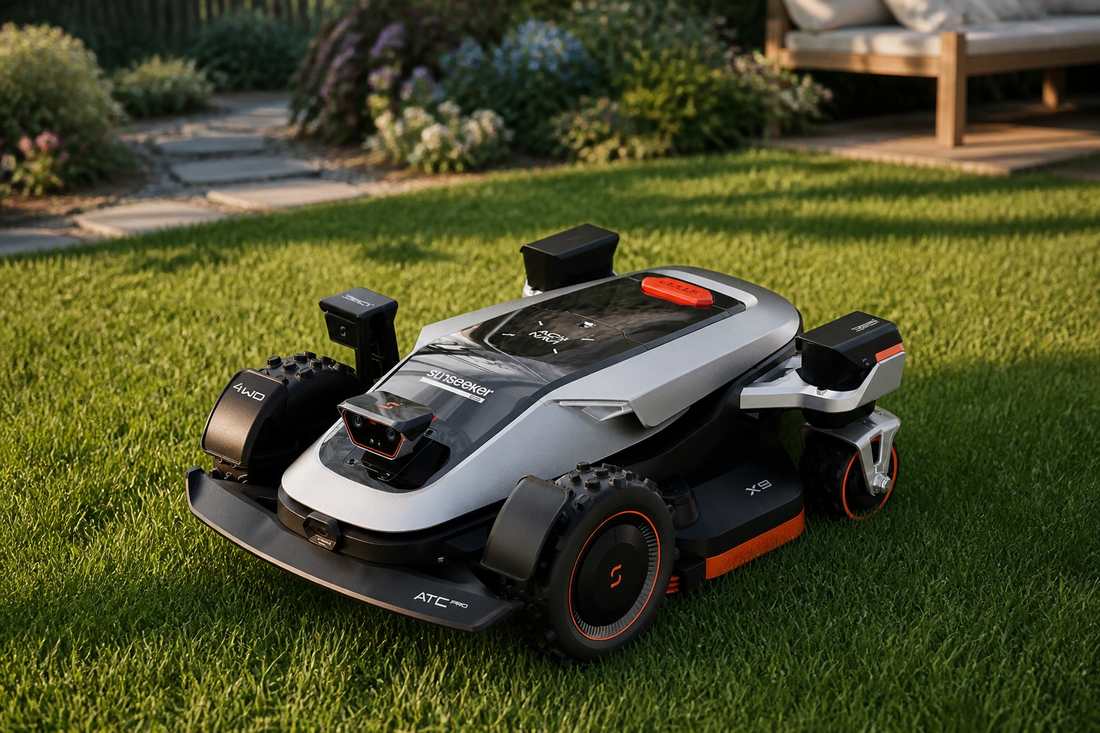
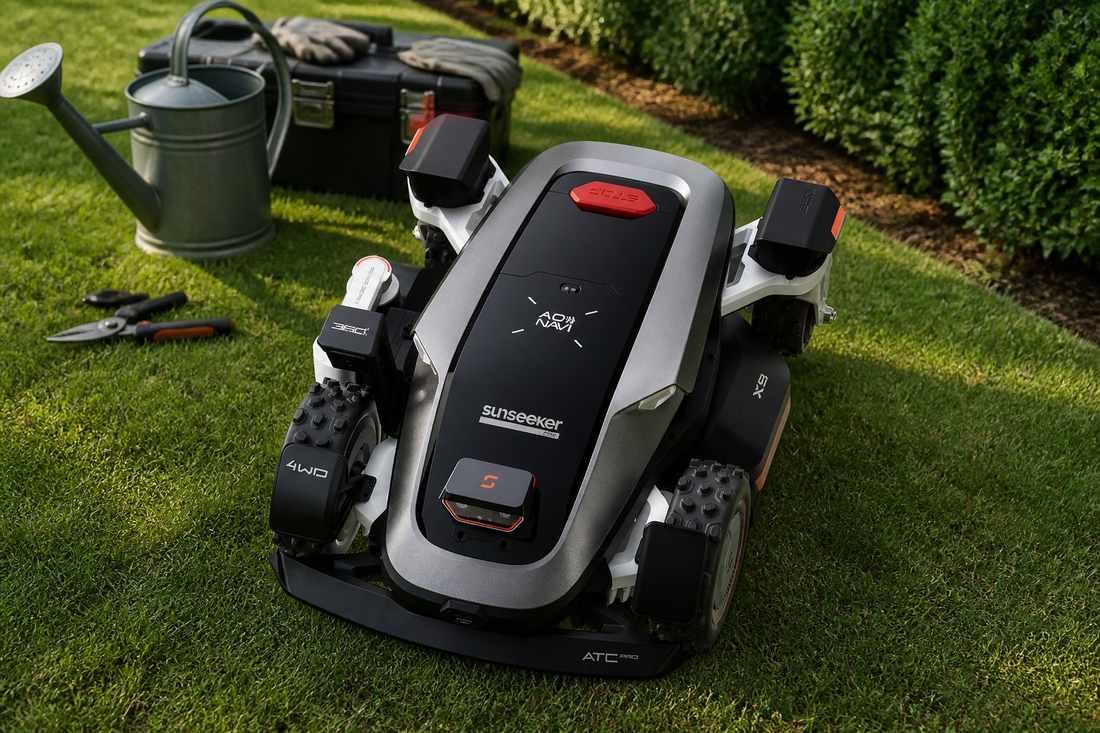
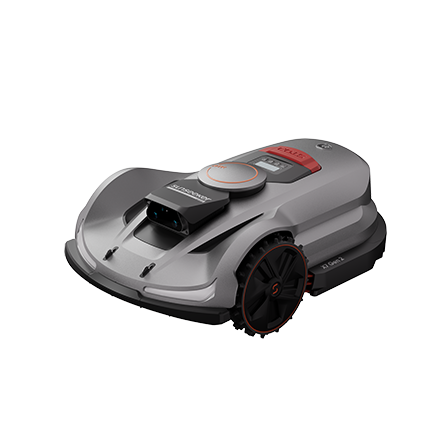
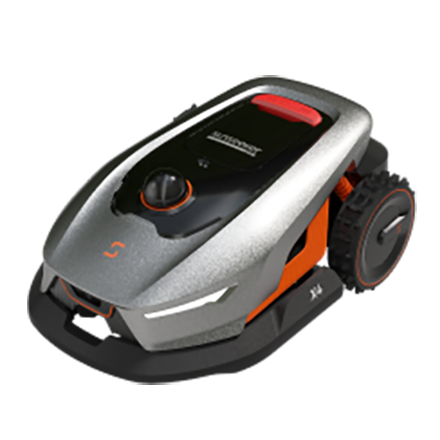
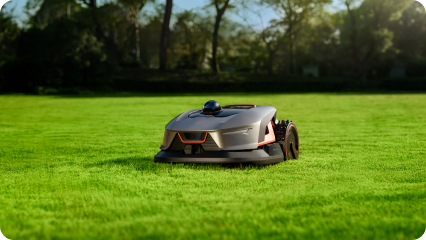
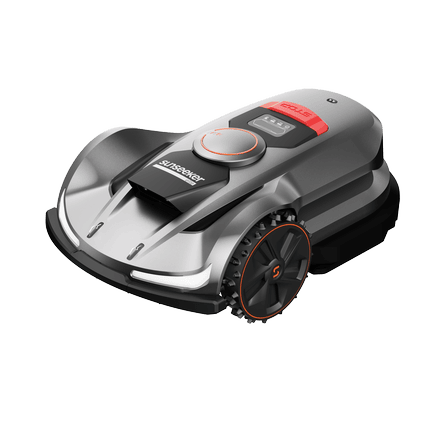
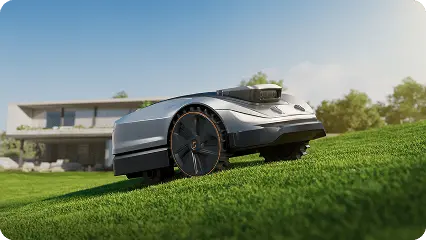
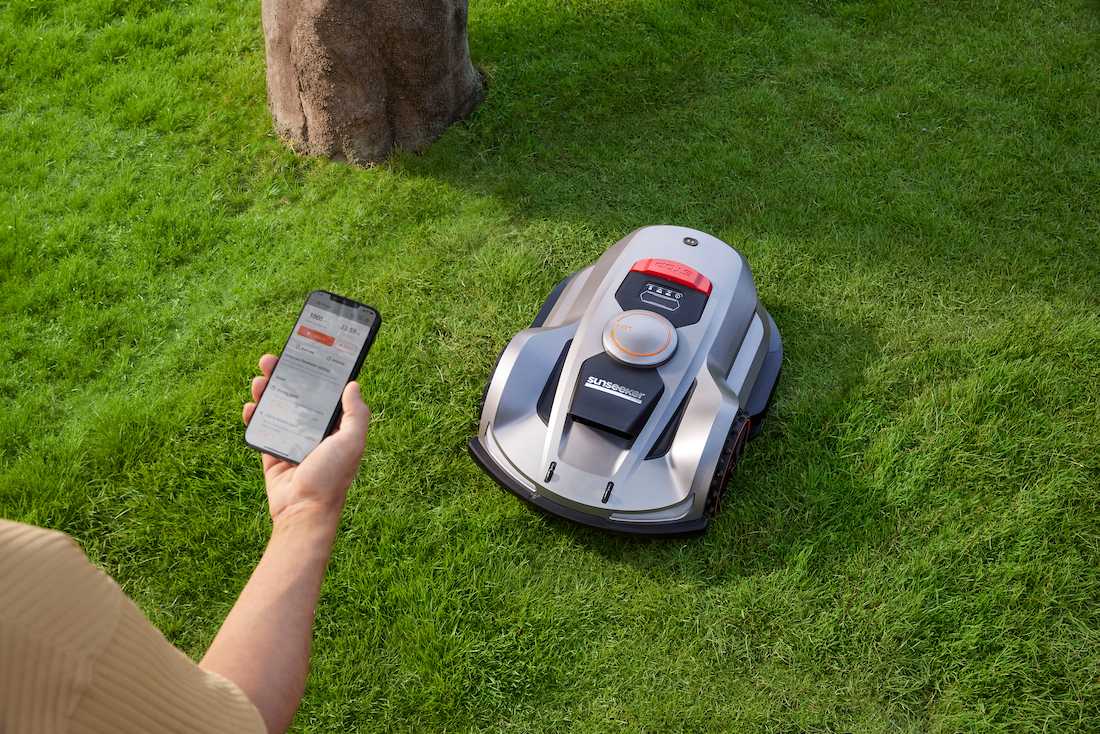
A good example is the Sunseeker Elite X7 , which focuses more on smart efficiency. It uses AONavi™ positioning combined with AI-based navigation to map the lawn and follow precise mowing paths, so it avoids missed spots and unnecessary overlap. The mower can handle large areas up to 6000m² and even manage slopes up to 70 percent, which is where many standard robot mowers struggle. With Vision AI, it can detect over 200 types of obstacles, adjusting its route in real time. On top of that, features like dual cutting discs and intelligent path planning allow it to maintain a clean, even cut while continuously working in the background.
Now, how to make a mower faster? Speed isn’t just about pushing harder or walking faster behind the mower. Most of the time, it comes down to how well your mower is set up and how you use it. Small adjustments can make a noticeable difference.
A well-maintained mower naturally runs faster and more efficiently. If the machine is struggling, no technique will fully fix that.
Grass clippings, dust, and debris slowly build up under the mower deck after repeated use. When this layer gets thick, it starts blocking airflow and interferes with how the blades spin and cut. Over time, this doesn’t just slow the mower down; it also reduces cutting quality and forces the engine or motor to work harder than necessary. Cleaning the deck regularly keeps everything moving freely and helps the mower maintain a steady cutting speed with less effort.
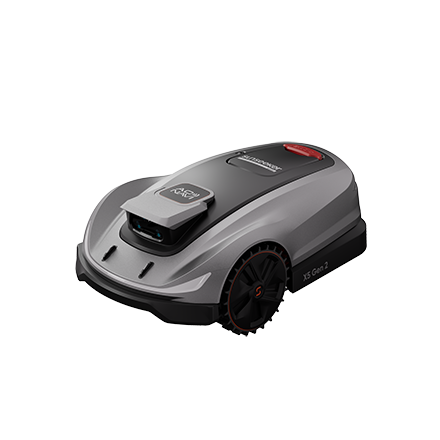
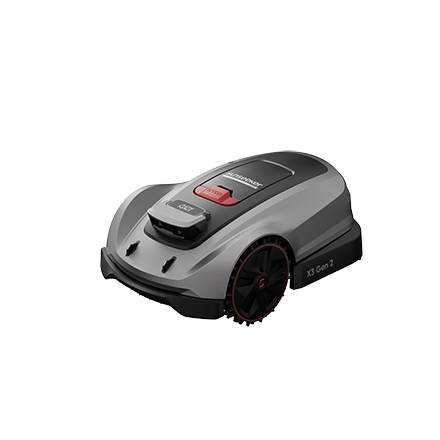
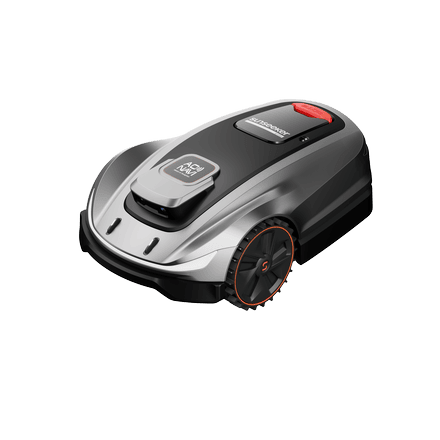
For gas mowers, clean filters and fresh oil help maintain speed. For electric mowers, a healthy, fully charged battery ensures consistent performance without slowing down midway. Tools like the Sunseeker Elite X5 take this a step further with efficient motor systems and smart navigation technology. Instead of relying only on manual handling, it maintains steady performance through optimized cutting paths and balanced power use. This helps reduce unnecessary strain on the system, so the mower keeps working at a consistent speed without noticeable slowdowns during operation.

Wheels are often ignored, but they directly affect how easily the mower moves across the lawn. If they are clogged with grass, worn out, or not aligned properly, the mower can feel heavy and slow even if the engine is working fine. Cleaning them and checking alignment ensures smoother rolling and more consistent movement across different surfaces.
Routine servicing keeps small issues from turning into bigger problems. Tightening loose parts, checking belts, and making sure all components are in good condition help the mower operate at its intended performance level.
Mowing faster isn’t really about rushing the job. It’s more about removing the small things that slow you down without you noticing. A clean mower, sharp blades, the right pattern, and basic maintenance all add up to a smoother experience. Once these habits become part of your routine, the whole process feels less tiring and much quicker.
If you want to take things a step further and reduce manual effort even more, smart robotic solutions like the Sunseeker Elite X7 and Sunseeker Elite X5 are worth considering. They handle mowing with precise navigation, consistent cutting, and minimal supervision, which saves both time and energy in the long run. That’s really the core idea behind how to mow a lawn efficiently and fast.
The fastest way to mow your lawn is to keep it regularly maintained so the grass doesn’t get too long, use straight and consistent mowing patterns, and ensure your mower is in good condition. Cutting only dry grass also helps reduce resistance and makes the entire process quicker and smoother overall.
Bagging clippings depends on your lawn needs. If you want a cleaner appearance, bagging works better, but it takes more time. If speed is your priority, leaving clippings on the lawn is usually better because they break down and return nutrients to the soil, reducing extra work during mowing.
It’s better to mow at a steady and controlled pace rather than rushing or moving too slowly. Going too fast can lead to uneven cuts and missed patches, while going too slow wastes time. A consistent rhythm helps maintain quality while still keeping the mowing process efficient and manageable.