
















A bald spot usually shows up right after mowing: a light, bare patch that stands out even when the rest of the lawn looks healthy. It may be caused by pets, repeated foot traffic, poor drainage, or compacted soil, but the visible result is always the same—grass that fails to regrow in that area.
The key to repair is not just adding seed on top. First, understand what caused the damage, because compacted or waterlogged soil will prevent new roots from establishing. In this article, you will learn how to prepare the soil, choose the right repair method, and help new grass grow back stronger and more evenly.

What Causes Bald Spots in a Lawn?
Bald spots usually come from stress that kills grass faster than it can regrow. The bare patch is only the symptom; the cause may be on the surface, in the soil, or below the roots.
Common causes include:
- Heavy foot traffic: Repeated walking, play, or equipment movement compresses soil and crushes grass crowns.
- Pet urine: Concentrated urine can burn grass, especially when pets use the same spot often.
- Compacted soil: Hard soil limits air, water, and root growth, so seed struggles even after reseeding.
- Poor drainage: Waterlogged areas suffocate roots and encourage disease.
- Drought or heat stress: Thin, shallow-rooted grass may die back during dry periods.
- Grubs or other pests: Root-feeding insects can detach grass from the soil, leaving loose patches.
- Lawn disease: Fungal issues may create thinning, discolored, or expanding dead zones.
- Chemical spills or overapplication: Fertilizer, herbicide, fuel, ice melt, or cleaning products can burn turf.
- Shade mismatch: Sun-loving grass often thins under dense trees, fences, or structures.
A quick check can narrow it down. Tug gently on the edge of the dead patch. If grass lifts like a loose carpet, roots may be damaged by grubs or rot. If the soil is hard and shiny, compaction is likely. If the area is bright green around a dead center, pet urine or fertilizer burn may be involved. Once you know the likely cause, soil prep and reseeding make more sense.
How to Prepare the Lawn Before Repairing Bare Spots?
Before repairing bare spots, it helps to deal with anything that caused the damage in the first place. This makes sure new grass can grow without being stressed again, and each issue needs a slightly different approach depending on the cause.
|
Problem type |
What to check |
What to do before repair |
|
Weeds |
Small isolated weeds or spreading patches with roots still active |
Remove as much of the root system as possible. Hand pull in moist soil for small areas. If using herbicides, check label timing to ensure it won’t block seed germination. |
|
Grubs / insects |
Turf lifts easily, roots are eaten, soil shows visible larvae |
Peel back damaged turf and check root zone. If infestation is noticeable, apply a suitable grub control treatment before reseeding. |
|
Lawn disease |
Wet, matted, thinning patches with poor airflow |
Remove dead material and improve drainage and airflow. Adjust watering habits to avoid prolonged moisture, especially overnight. |
|
Pet damage |
Repeated urine spots or localized burned patches |
Flush the area with water, then adjust pet access patterns. Without changing the cause, damage will likely return. |
How to Fix Lawn Bald Spots Step by Step
Fixing lawn bald spots restores a healthy, even yard by addressing soil issues, grass health, and reseeding techniques. Let’s go through the steps below.
Step 1: Find the Cause of the Bald Spot
Look for clues before you touch the soil. Circular brown patches may point to pests or disease, a spot near a path may reflect foot traffic, and a patch where water sits after rain may signal drainage or compaction. If pets use the area, treat that as part of the repair plan, not an afterthought. If a patch has a scorched edge after fertilizer, urine, or heat, fixing lawn burn starts with removing or diluting that stress before reseeding.
Step 2: Clear Dead Grass, Weeds, and Debris
Rake out dead blades, thatch, leaves, stones, and weeds so seed can contact soil directly. If weeds have taken over, pull as much of the root system as you can so they do not outcompete the new grass.
Step 3: Loosen and Improve the Soil
Scratch the top layer until it is crumbly rather than polished or hard. Mix in a thin layer of compost or quality topsoil if the patch is low, dry, sandy, or heavy with clay.
Step 4: Add Grass Seed or Lawn Patch Mix
Choose seed that matches your lawn and local growing conditions. Spread it evenly, then lightly rake so some of it settles into the surface. For very small spots, a lawn patch mix can help because it usually holds moisture better than seed alone.
Step 5: Water the Patch Consistently
Water gently so the seed stays in place. The goal is even surface moisture, not puddles or runoff. If the soil keeps drying during early growth, many seedlings will fail.
Step 6: Feed the New Grass at the Right Time
Use a starter fertilizer if your soil needs it, following the label. Avoid heavy feeding too early, especially with strong nitrogen products, because tender seedlings can be stressed.
Step 7: Wait Before Mowing the Repaired Area
Keep foot traffic and mower wheels off the patch until the new grass has enough height and density to tolerate cutting. If you use an automated mower, temporarily exclude or protect the repaired area so young blades are not clipped or tracked before they root firmly.
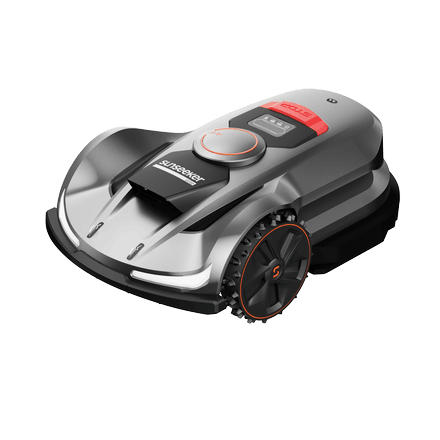
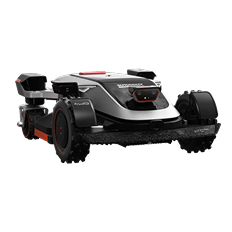
With a wire-free system like the Sunseeker Elite X4, this is easier to manage because you can set virtual boundaries and no-go zones in the app, allowing the mower to automatically avoid the repaired area while it continues mowing the rest of the lawn.