





FAQs
4/14/2026
Contents
Products
Residential Lawns












Commercial Landscapes
Explore
Where to Buy


Edging defines clean boundaries between lawns and adjacent surfaces, preventing grass creep and enhancing yard appearance. Tools include string trimmers, rotary or stick edgers, and half-moon hand tools. Regular edging, combined with materials like bricks, stone, metal, or plants, keeps borders sharp and manageable, while robotic mowers simplify maintenance between sessions.
Clean lawn edges make the whole yard look more finished, even if the grass itself is the same. If you're not sure how to edge a lawn, this guide covers everything you need: the right tools, a simple step-by-step process, and seven lawn edging ideas to help you define your borders and keep them looking sharp.
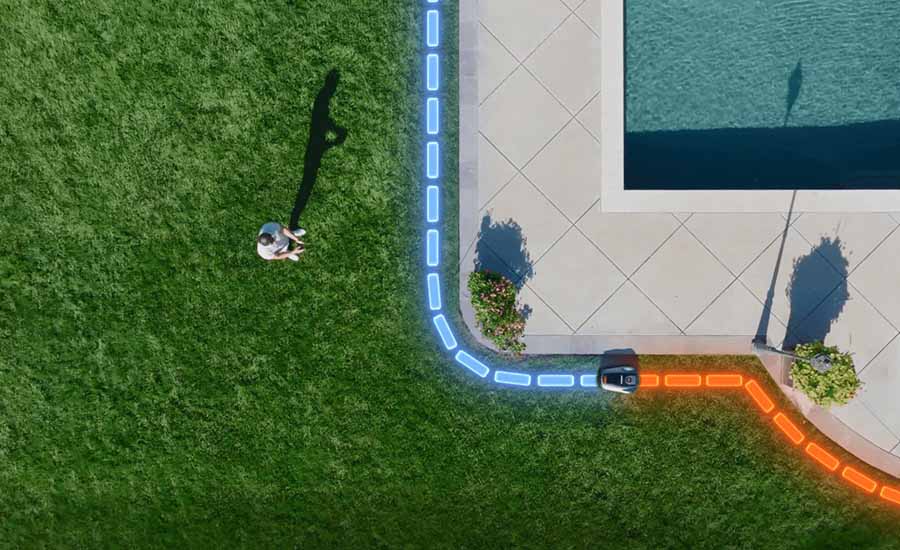
Edging creates a defined boundary between your lawn and adjacent surfaces like driveways, walkways, and garden beds. Done regularly, it keeps grass from creeping into areas where it doesn't belong and gives the whole yard a sharper, more intentional appearance.
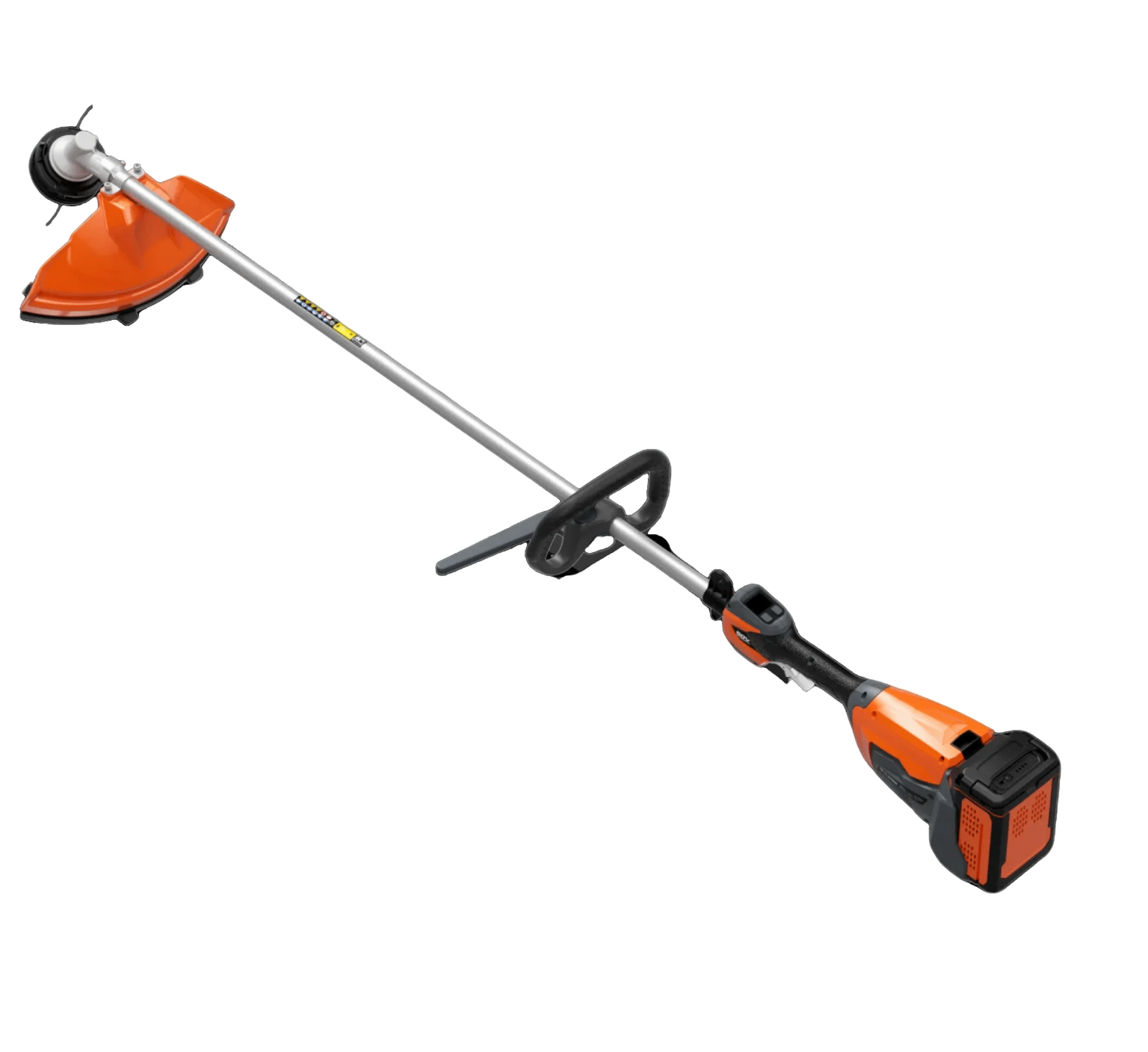
Choosing the right lawn edging tool for your yard makes the process faster and easier. Here are the main options:
Here are the steps to get clean, defined edges on any lawn.
Step 1: Mow first.
Always mow before edging. A freshly cut lawn makes it easier to see where the grass ends and the border begins, giving you a cleaner reference line to work from.
Step 2: Mark your edge line if needed.
For curved garden beds or new borders, use a garden hose or rope to lay out the line before cutting. For driveways and walkways, the hard surface itself serves as your guide.
Step 3: Position your tool.
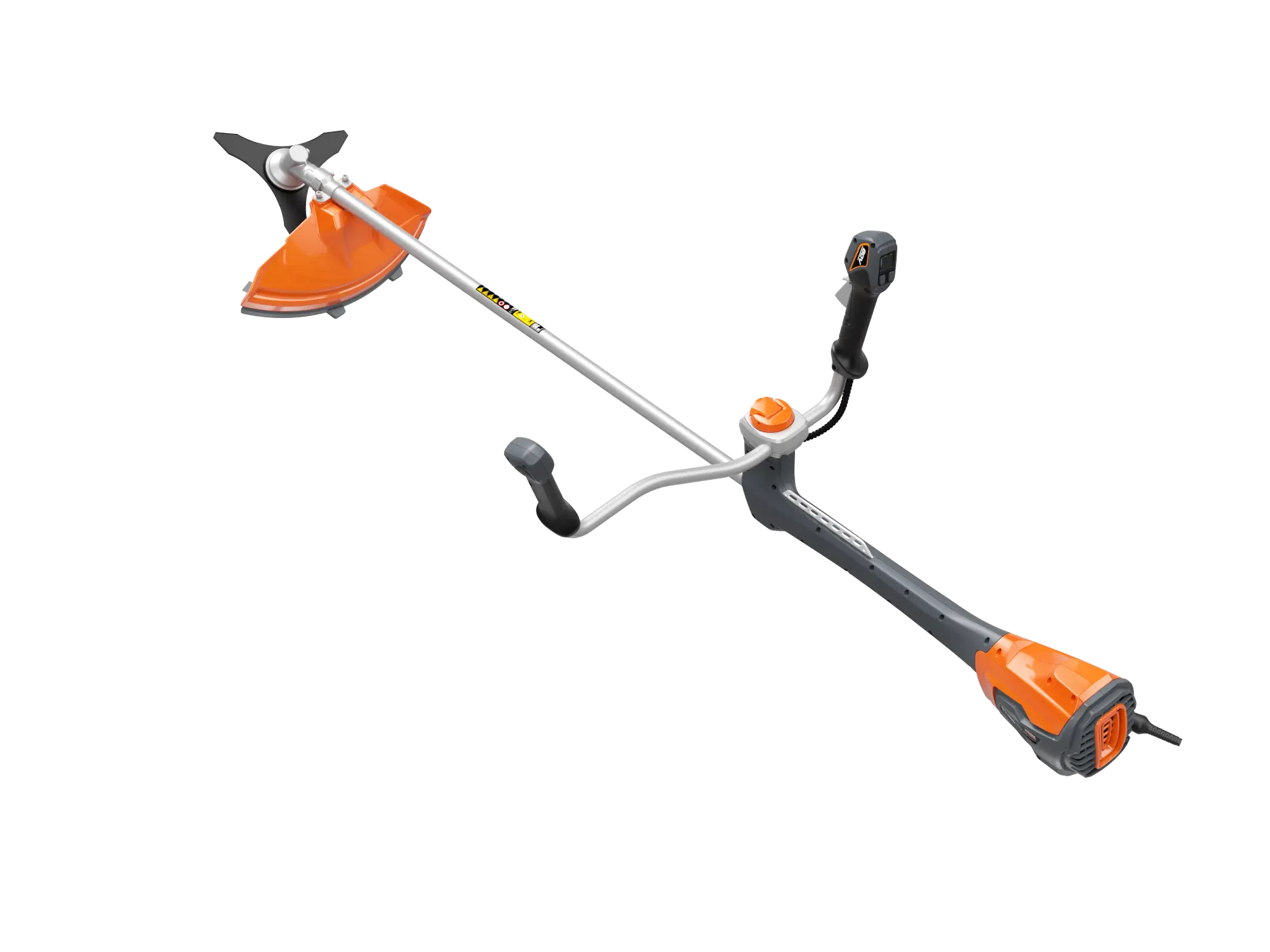
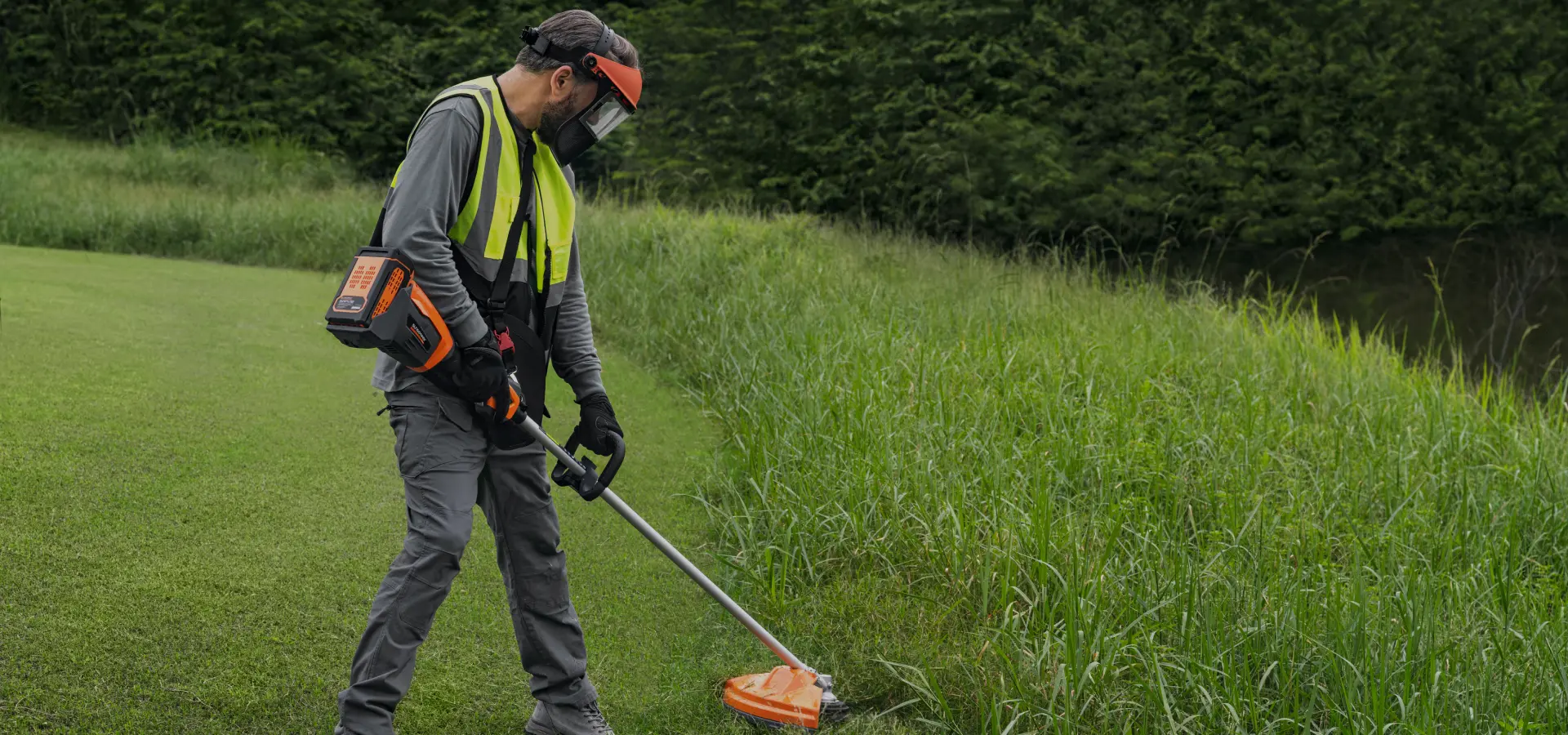
For a stick edger or rotary edger, align the blade with the edge of the hard surface. For a string trimmer used vertically, keep the cutting head just inside the lawn line, angled slightly toward the surface below.
Step 4: Work in one direction.
Move steadily along the edge in a single direction. Stopping and starting mid-run can create uneven depth. Keep a consistent pace and let the tool do the work.
Step 5: Clear the clippings.
Edging throws up a small ridge of soil and grass clippings. Sweep or blow these off the driveway or path once you've finished the run. Leaving them can make the edge look messy even after the work is done.
Step 6: Neaten the border.
For garden bed edges, use a half-moon edger or flat spade to clean up any ragged sections and define the border more sharply.
Step 7: Edge regularly.
Edging every one to two weeks during the growing season keeps the task quick. Letting it go for a month or more means more material to remove and a harder line to re-establish.
Beyond the basic edge along a driveway or path, there are plenty of ways to add structure and visual interest to your yard's borders. Here are seven lawn edging ideas worth considering.
Laying bricks along garden bed perimeters creates a classic, structured border that holds its shape over time. Bricks can be set flat or angled at 45 degrees for a decorative sawtooth effect. They're durable, easy to replace individually, and complement both formal and cottage-style gardens.
Thin steel or aluminum edging strips installed flush with the ground create a clean, almost invisible border. Metal edging is popular in modern landscape design because it disappears into the lawn while still providing a firm physical barrier against grass creep.
Irregular flat stones placed along a border add a natural, organic look that suits informal garden styles. Stone edging is low-maintenance once installed and holds up well in most climates without needing replacement.
Wooden sleepers or treated timber boards work well for raised bed borders and larger lawn sections. They add height and definition while creating a warmer, more natural aesthetic than hard materials. Treated timber resists rot, though it will eventually need replacement after several years.
A poured concrete strip installed along the perimeter of a lawn creates a permanent, low-maintenance edge that a lawn mower wheel can run along, making future edging easier. Concrete mowing strips are particularly practical along garden beds where the lawn meets mulch or soil.
Flexible plastic edging is one of the most affordable lawn edging ideas available. It installs quickly, bends around curves easily, and creates a clean barrier between lawn and garden beds. It's less durable than metal or stone but works well for homeowners who want a low-cost, fast solution.
Low-growing plants like creeping thyme, mondo grass, or dwarf mondo can be planted along borders to create a soft, living edge. This approach takes longer to establish but adds texture and interest to the boundary between lawn and garden while reducing the need for hard edging materials. Because occasional trimming may still be necessary, knowing how to restring a lawn trimmer can help you maintain a tidy border when the cutting line runs out or breaks.
Knowing how to mow a lawn evenly and how to edge it properly are two of the easiest ways to lift the overall appearance of your yard. The right lawn edging tool, a consistent routine, and clean follow-through after each session make the task straightforward. If you want to take the hassle out of keeping the lawn itself neat between edging sessions, the Sunseeker Elite X3 Gen 2 handles autonomous mowing on a set schedule so the grass is always ready when you edge.
A stick edger or dedicated power edger is the easiest option for most homeowners. These tools guide themselves along hard surfaces with minimal effort and produce a consistent depth with each pass. For smaller yards or quick touch-ups, a string trimmer held vertically works well and eliminates the need for a separate tool. The key to easy edging is doing it regularly. Frequent light passes are faster and simpler than letting the grass overgrow and having to cut back a thick border.
A manual half-moon edger or rotary edger costs very little and lasts for years with basic care. For homeowners who already own a string trimmer, using it vertically along borders costs nothing extra. Plastic landscape edging is also an affordable option for defining garden bed boundaries without ongoing effort. Regular manual edging with a basic tool is the most budget-friendly long-term approach, especially on smaller yards where a power edger isn't necessary.
Almost any durable material can serve as lawn edging. Common options include bricks, natural stone, metal strips, treated timber, concrete, and flexible plastic landscape edging. For a more creative approach, recycled materials like wine bottles buried neck-down or repurposed roof tiles can create unique borders.
Most professional landscapers use stick edgers or dedicated walk-behind edgers for straight runs along driveways and walkways, and string trimmers for curved borders and garden beds. For installation of physical edging materials, professionals typically use steel or aluminum edging strips set into a shallow trench, which provides a clean, long-lasting result.