






FAQs
4/14/2026
Contents
Products
Residential Lawns












Commercial Landscapes
Explore
Where to Buy


Aerating a lawn works best when timed to match your grass type and growth cycle—early fall for cool-season grasses, late spring for warm-season types. Start by mowing short, lightly watering, and marking obstacles. Use a core or spike aerator in multiple passes, leaving plugs on the surface, then follow with fertilizer, watering, and limited foot traffic for optimal results.
A dense, green lawn depends on healthy soil. Over time, soil becomes compacted. Air, water, and nutrients struggle to reach the roots. This is where aeration helps. It can improve growth, root depth, and resilience. From reading the signs your lawn is sending to the steps that actually work, this guide shows you how to aerate a grass lawn. Scroll down to know the basics that keep your lawn vibrant!
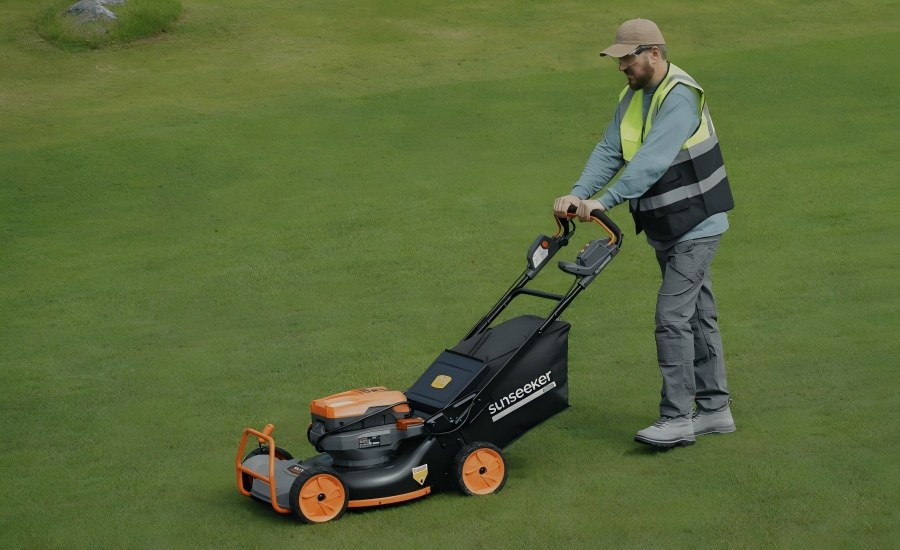
Literally, lawn aeration is the process of creating small holes in the soil. These holes allow air, water, and nutrients to move more freely.
There are two common methods. Core aeration removes small plugs of soil with a core aerator, while spike aeration pushes holes into the ground without removing soil. Generally, core aeration is more effective. It reduces compaction instead of adding pressure.
Why does lawn aeration matter? Even well-maintained lawns face soil compaction. Annual aeration addresses several hidden issues as follows.
Nutrients move faster and more efficiently because of direct channels created by aeration.
Understanding when to aerate lawn areas is essential for learning how to aerate a grass lawn properly. Aerating at the wrong time stresses the grass rather than helping it. You should plan it properly to match your grass type and growth cycle. Below are common times to aerate your lawn.
Your lawn will send signs to tell when the soil is struggling. Below are common indicators.
1.Water Pooling on the Surface: This is one of the clearest signals. If you see standing water after rain on a flat lawn or water sheeting off a slope that should absorb it, the soil is likely compacted.
2.Hard Soil:Push a screwdriver or pencil into the ground. If it resists penetration past 5 cm, the soil is compacted enough to impede root growth.
3.Thin or Patchy Grass: Weak growth often links to poor root conditions. If fertilizing and watering are not producing the results they used to, it indicates inputs are failing to reach the roots. Compacted soil is often the cause.
4.High Foot Traffic: Paths, play areas, and spots where people walk regularly become compacted faster. If these sections look worse than the rest of the lawn, they need attention.
5.Heavy Thatch Layer: If the thatch exceeds 1.3 cm, aeration can help manage it.
Aeration is straightforward. Preparation matters more than complexity. Here’s how to aerate grass lawns step by step.
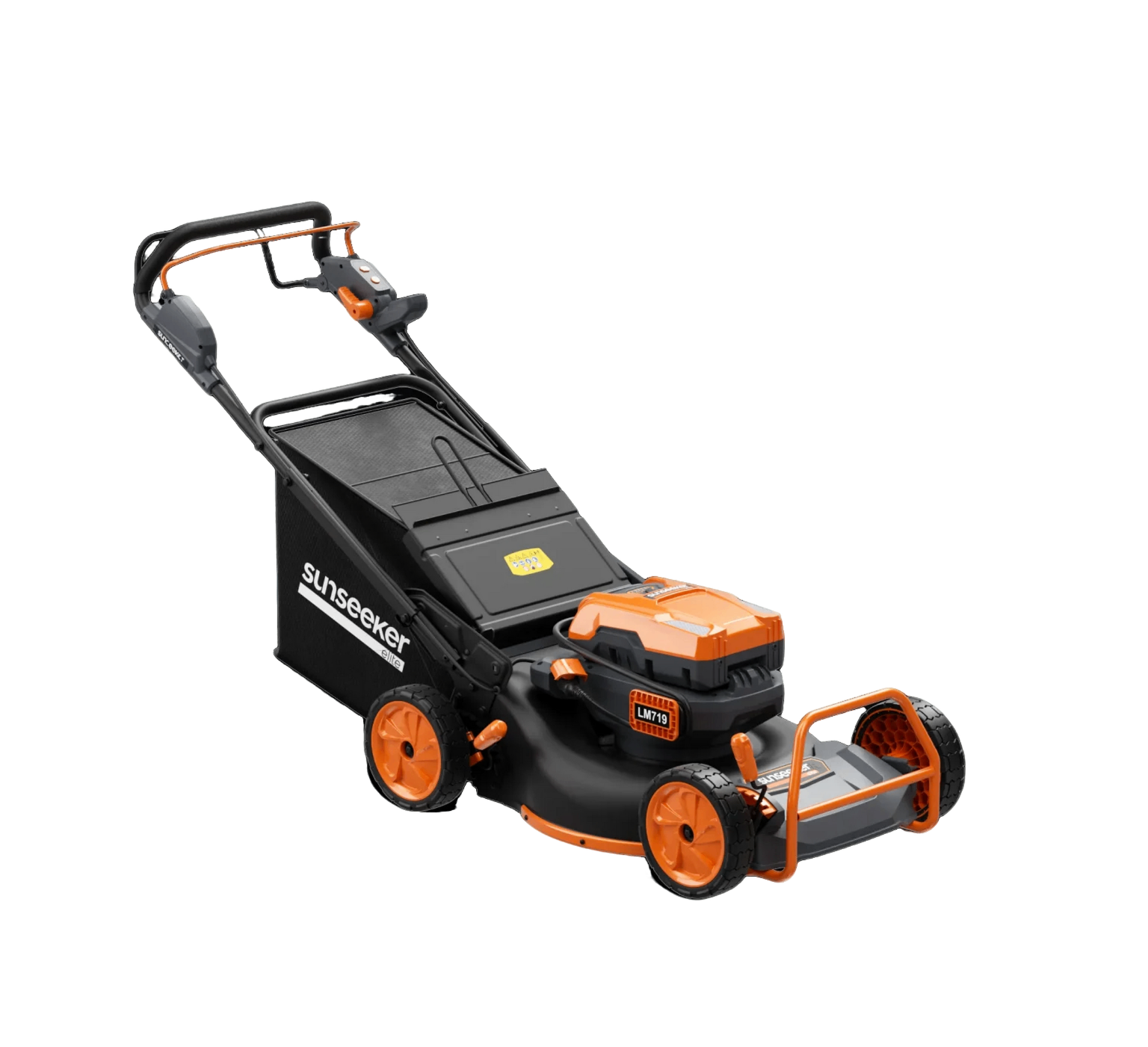
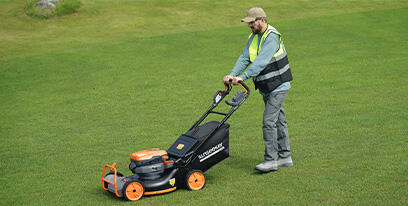
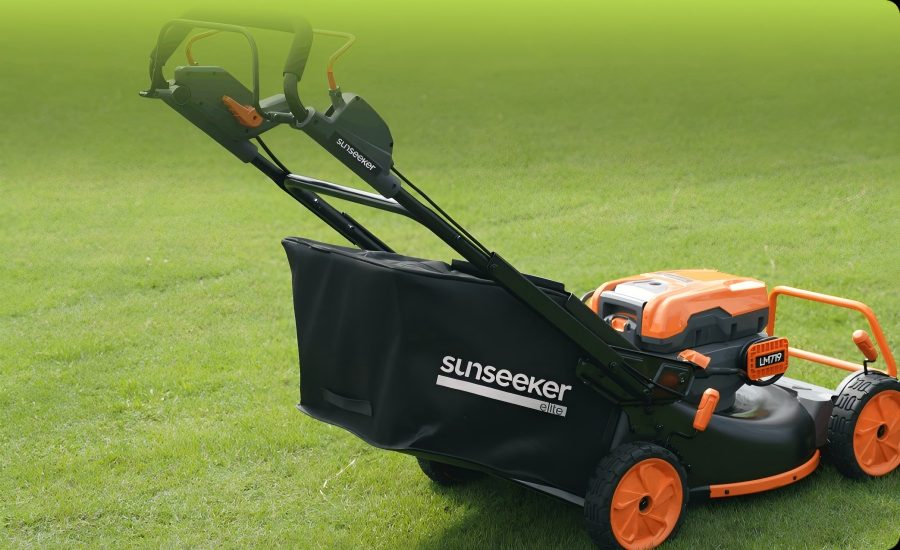
A day or two before aerating, cut the grass shorter than normal height. This improves access to the soil and makes it easier to see the cores. Choosing a proper mower matters in this step. To better protect the lawn, you can try a lawn mower with adjustable cutting heights. The flexibility allows you to go lower without scalping the lawn and get the desired appearance.
Lightly water the lawn one day before aeration. Also, do not aerate immediately after heavy rain. Waterlogged soil clogs the aerator and compacts further when handled.
Aerator tines can damage buried systems. Flag irrigation heads, shallow utility lines, and any lawn fixtures. You’d better walk the entire lawn for confirmation before starting.
Run the aerator across the lawn in straight lines. Repeat in a different direction. This ensures even coverage.
Do not remove the plugs. Leave them where they fall. They break down naturally and return nutrients to the soil.
Aeration creates ideal conditions for seeding. Seeds settle into the holes and establish faster. It’s also a good time to apply a starter fertilizer. Both will have direct access to the root zone.
Knowing what to do after aerating lawn areas is just as important as aeration itself. Proper aftercare supports recovery and growth.

Lawn aeration helps loosen compacted soil, so water, air, and nutrients can reach the roots more easily. Learning how to aerate grass lawn areas is a simple way to keep your lawn healthier and looking better. Good timing, a bit of prep, and proper aftercare all help you get the most out of it.
If you’re looking to keep things easy and maintain those results with less effort, Sunseeker is a great option to check out.
Core aeration is usually the most effective method. It removes small plugs of soil, which helps reduce compaction. This allows air, water, and nutrients to move more freely, helping grass roots grow stronger and healthier over time.
It depends on the grass type. Cool-season grasses perform best in early fall, typically in September or October. Warm-season grasses respond well in late spring or early summer. Both windows align with active grass growth, which speeds recovery.
Mechanical core aerators tend to give the most reliable results. They can cover larger areas and reach deeper into the soil, which creates better space for roots to grow and improves overall lawn health more effectively than manual methods.
No, there is no need to fill the holes. The soil plugs left on the surface will break down naturally over time. As they do, they return nutrients to the lawn and help improve soil structure without extra work.