







FAQs
5/28/2026
Contents
Products
Residential Lawns





Commercial Landscapes
Explore
Where to Buy


A mower blade does not need a razor edge to cut grass properly. A slightly thick, clean edge usually lasts longer and produces a neater lawn. Signs of cutting results are a good indicator of blade sharpness. Dull blades tear grass and often lead to brown tips, uneven patches, and extra strain on the mower during regular cutting. Replacing them instead of sharpening for structural integrity.
Blades that are too dull or over-sharpened can both create problems. It explains why there are concerning questions like “How sharp should mower blades be?” This guide outlines the indicators of blade wear, maintenance routines, and when replacement makes more sense than repair. Keep reading to ensure your lawn stays looking its best all year round!
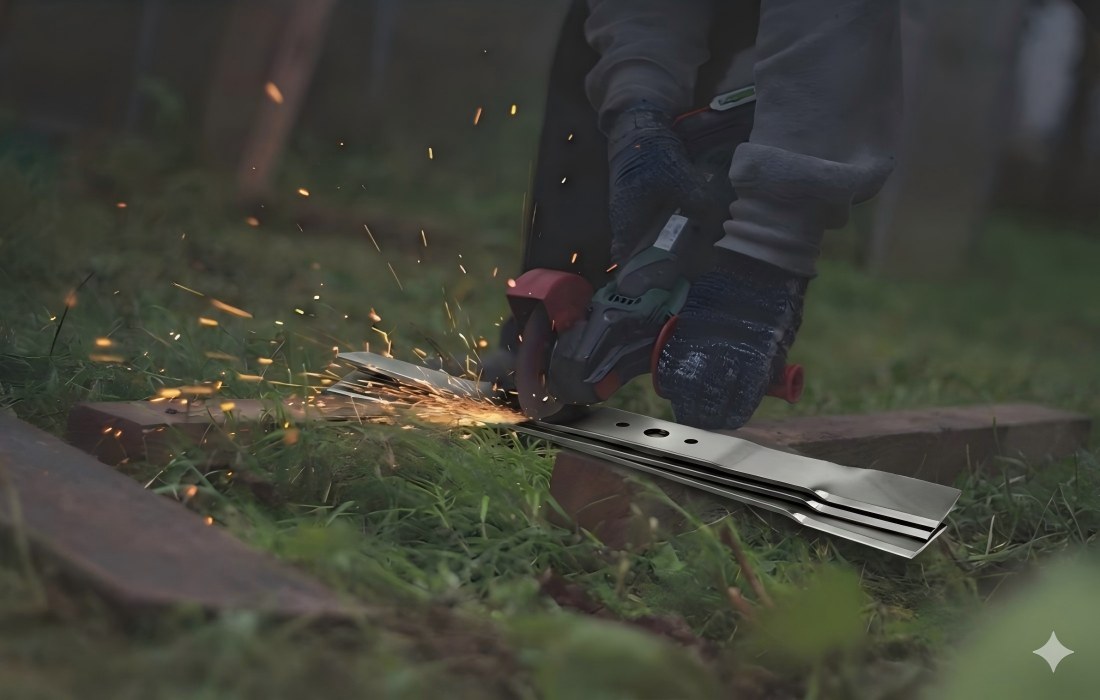
Many people assume sharper is always better. This is a misconception. A mower blade should be sharp enough to cut grass cleanly without tearing it, but it does not need a razor-like edge. A slightly thicker edge keeps its shape longer and provides a cleaner, more consistent cut across the lawn. Most lawn mower blades work best with an edge similar to a butter knife or heavy kitchen knife.
After knowing how sharp a lawn mower blade should be, let’s explore how to sharpen and maintain it. Keeping blades sharp requires both proper sharpening and regular maintenance. Below are guides for your reference.
Step 1. Remove the spark plug wire on gas mowers or disconnect the battery on cordless models before working on the blade.
Step 2. Tilt the mower with the air filter side up to prevent oil from flooding the carburetor. Remove the mounting bolts.
Step 3. Secure the blade in a vice, move the file or grinder evenly along the edge, usually around 30 to 45 degrees. Avoid over-sharpening as a slight thickness improves durability.
Regular maintenance helps maintain a lawn mower’s blade sharpness. Here are practical tips to follow.
Most robot lawn mower blades need sharpening after every 20 to 25 hours of mowing. This means sharpening once or twice during the growing season for many homeowners.
However, your lawn conditions and grass type will influence the sharpening frequency. Thicker grass and lawns with sandy soil or hidden debris dull blades faster. This requires added sharpening times. Also, commercial mowing or large properties may require sharpening every few weeks.
Instead of a fixed schedule, checking grass quality after mowing provides a more accurate indicator. If the lawn starts looking uneven or develops brown grass tips, blade sharpness may already be declining. It’s time to sharpen mower blades.
Visual cues are the most reliable indicators of dull equipment. These signs indicate how sharp lawn mower blades are. Watching for them early helps maintain lawn health and reduces strain on the mower.
Uneven weight distribution can create vibration during operation. Balancing a mower blade after sharpening is necessary to help prevent uneven wear and vibration problems later.
Step 1. Once sharpened, hang the center hole of the blade on a nail or a dedicated blade balancer mounted to a wall.
Step 2. Observe which side drops lower; the heavier side will tilt downward.
Step 3. Remove small amounts of metal from the heavier side. Repeat until the blade remains level without leaning to either side.
Step 4. Secure the blade tightly before operating the mower.
While regular sharpening extends a blade’s lifespan, replacement becomes necessary when structural integrity is at risk. Instead of wondering how sharp your lawn mower blades should be, consider replacing your blades if you observe:
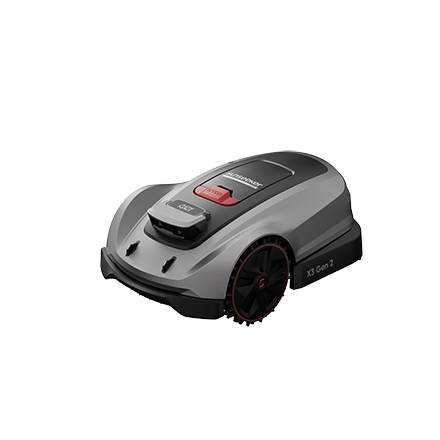
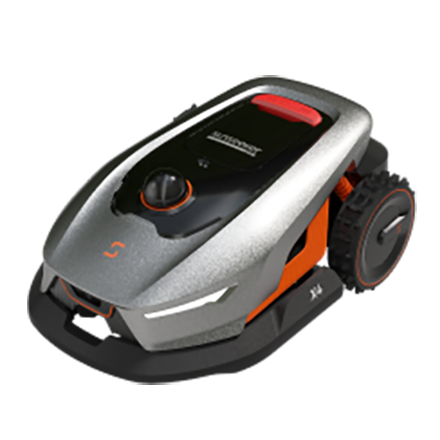
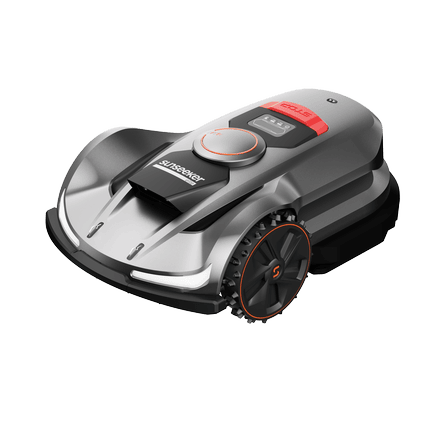
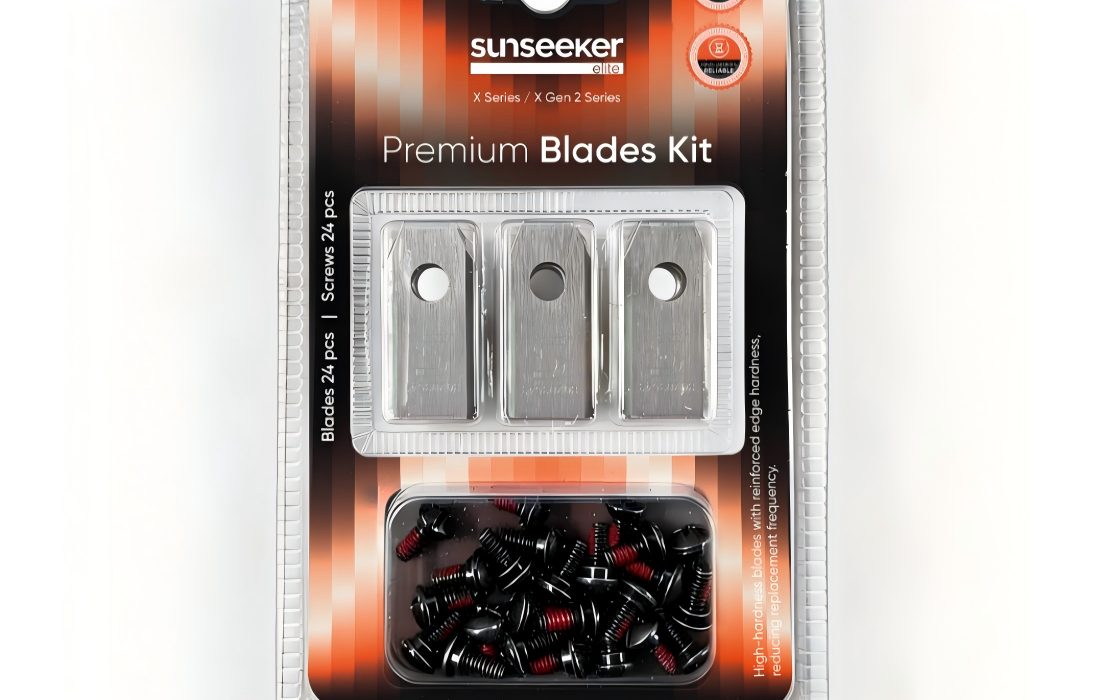
When you reach this decision point, OEM (original equipment manufacturer) components are the safest choice. They ensure fit and performance. You can expect them to be ready to work upon their arrival. The Sunseeker Elite Premium Blades Kit (24pcs) is a good example. These blades utilize a dual-construction approach. A flexible steel body to absorb impact and a hardened cutting edge to maintain geometry. This design improves wear resistance and reduces the maintenance frequency. The pack is fully compatible with Sunseeker robotic mowers from X4, X Series, and even the latest Sunseeker Elite X3 Gen 2. The bulk pack offers ample replacement blades for a consistent, clean cut across 1-2 years!
How sharp should mower blades be? Understanding the question helps improve both lawn appearance and mower performance. Mower blades don’t need to be razor-sharp. A blade that is too fine will dull almost instantly upon hitting minor debris. Choosing the best push mower blade and maintaining it regularly can extend blade life and reduce uneven mowing. However, instead of sharpening, you should replace mower blades for any signs of structural integrity. These measures all contribute to cleaner, healthier grass and more stable mower operation.
Yes, mower blades should feel sharp to the touch, but they do not need a razor edge. A slightly thicker cutting edge lasts longer and handles normal lawn debris better. Over-sharpened blades dull faster and are more likely to chip when they contact rocks or hard surfaces.
Blades that are too sharp often wear down faster because the cutting edge becomes thinner and weaker. They may also chip or bend more easily after hitting debris. A moderate edge angle usually provides better durability and more stable cutting performance over time.
A typical lawn mower blade maintains its effectiveness for approximately 20 to 25 hours of mowing time. This duration varies based on soil conditions, the presence of abrasive debris, and how often you mow over sticks or rocks, which can nick the edge and accelerate dulling.