




















After a hot summer, a dry winter, or a period of neglect, a lawn can quickly shift from green to straw-like brown. Before buying seed or fertilizer, the first step is to understand what you are actually dealing with—whether the grass is truly dead, temporarily dormant, or struggling because the soil underneath is no longer supporting healthy growth.
In this article, you will learn how to assess the condition of your lawn, prepare the surface properly, improve soil health, and rebuild grass density through reseeding, watering, and correct mowing practices step by step.

What Causes a Lawn to Die or Turn Brown?
A brown lawn is not always a dead lawn. Grass can turn brown from dormancy, drought stress, heat, foot traffic, disease, pests, poor mowing, compacted soil, or chemical injury.
Drought and heat are among the most common reasons lawns look dead. Many cool-season grasses naturally go dormant during hot, dry periods and can green up again when moisture returns and temperatures ease. Warm-season grasses may do the opposite, browning in colder weather before recovering in their active season.
Soil problems can make the lawn decline even when you water. Compaction limits oxygen and water movement, while poor drainage can suffocate roots and encourage fungal disease. Thin or low-quality soil may dry too quickly or lack the support grass needs to recover well.
Pests and diseases often create irregular patches rather than uniform browning. Grubs may cause turf to peel back like a loose rug because the roots have been eaten. Fungal problems can show as rings, spots, or spreading patches, especially in humid conditions or where overwatering is common.
Maintenance mistakes can also do real damage. Mowing too short weakens roots and exposes soil to heat, while dull blades shred grass tips and leave a gray-brown cast. Excess fertilizer, herbicide drift, ice melt, gasoline spills, and pet urine can all create burned-looking patches.
Before treating the whole lawn, match the symptom to the cause so you do not spend time fixing the wrong problem.
How to Revive a Dead Lawn Step by Step
Bringing a dead lawn back to life requires targeted care, soil improvement, and consistent watering strategies, leading you through the essential steps below.
Step 1: Check whether the grass is dead or dormant
Pull on a small patch of brown grass. Dormant grass usually stays rooted and may show some green near the crown; dead grass often lifts easily with little resistance. Also look at the pattern. A lawn that turned evenly brown during drought may be dormant, while scattered dead patches can point to grubs, disease, pet urine, poor drainage, or chemical damage.
Step 2: Clear dead grass, weeds, and debris
Rake out loose thatch, dead blades, matted leaves, and weeds so seed can reach soil. Avoid scalping the lawn or tearing up healthy crowns. If the surface feels thick and spongy, dethatching may help, but aggressive removal can further stress weak turf.
Step 3: Loosen compacted soil
Compacted soil blocks air, water, and root growth. Use a garden fork for small areas or core aeration for larger lawns. Focus on paths, play zones, and spots where water runs off instead of soaking in, since those areas often fail first.
Step 4: Reseed or overseed bare areas
Choose grass seed suited to your region, sun exposure, and yard use. Spread seed evenly over loosened soil, then lightly rake so it contacts the soil without being buried too deeply. Patchy lawns may only need overseeding, while fully dead sections may need more complete renovation. For isolated damage rather than a whole-lawn decline, follow a focused process for fixing dead spots in a lawn so the cause is corrected before the patch is reseeded.
Step 5: Add the right fertilizer or soil amendments
If possible, start with a soil test. It can show whether the lawn needs nutrients, lime, sulfur, or organic matter. Avoid heavy fertilizer on stressed grass; too much nitrogen can burn tender seedlings or push top growth before roots are ready.
Step 6: Water deeply and consistently
New seed needs steady surface moisture until it germinates, then deeper, less frequent watering as roots develop. Aim for damp soil, not puddles. Overwatering can invite disease and wash seed away, so consistency matters more than sheer volume.
Step 7: Mow carefully as new grass fills in
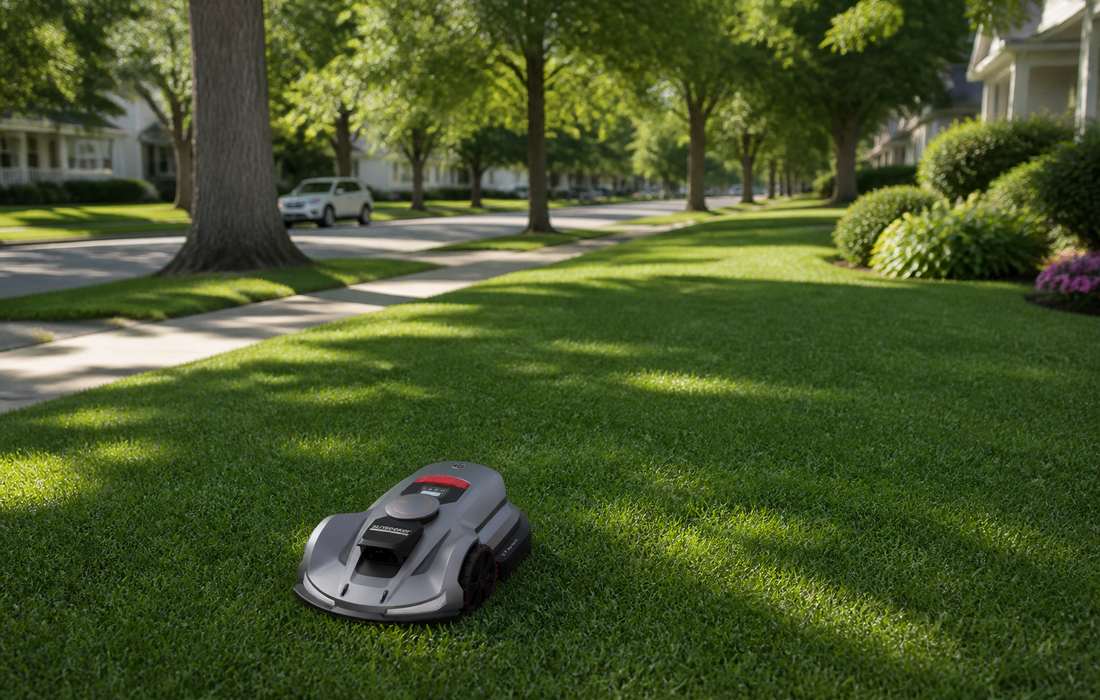
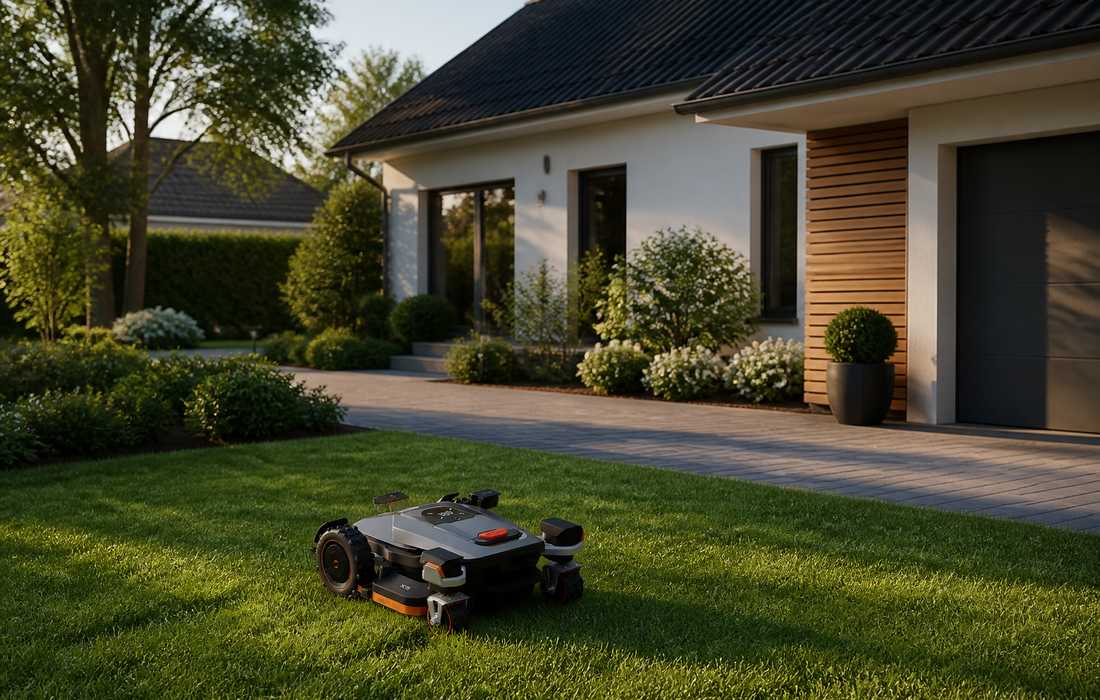
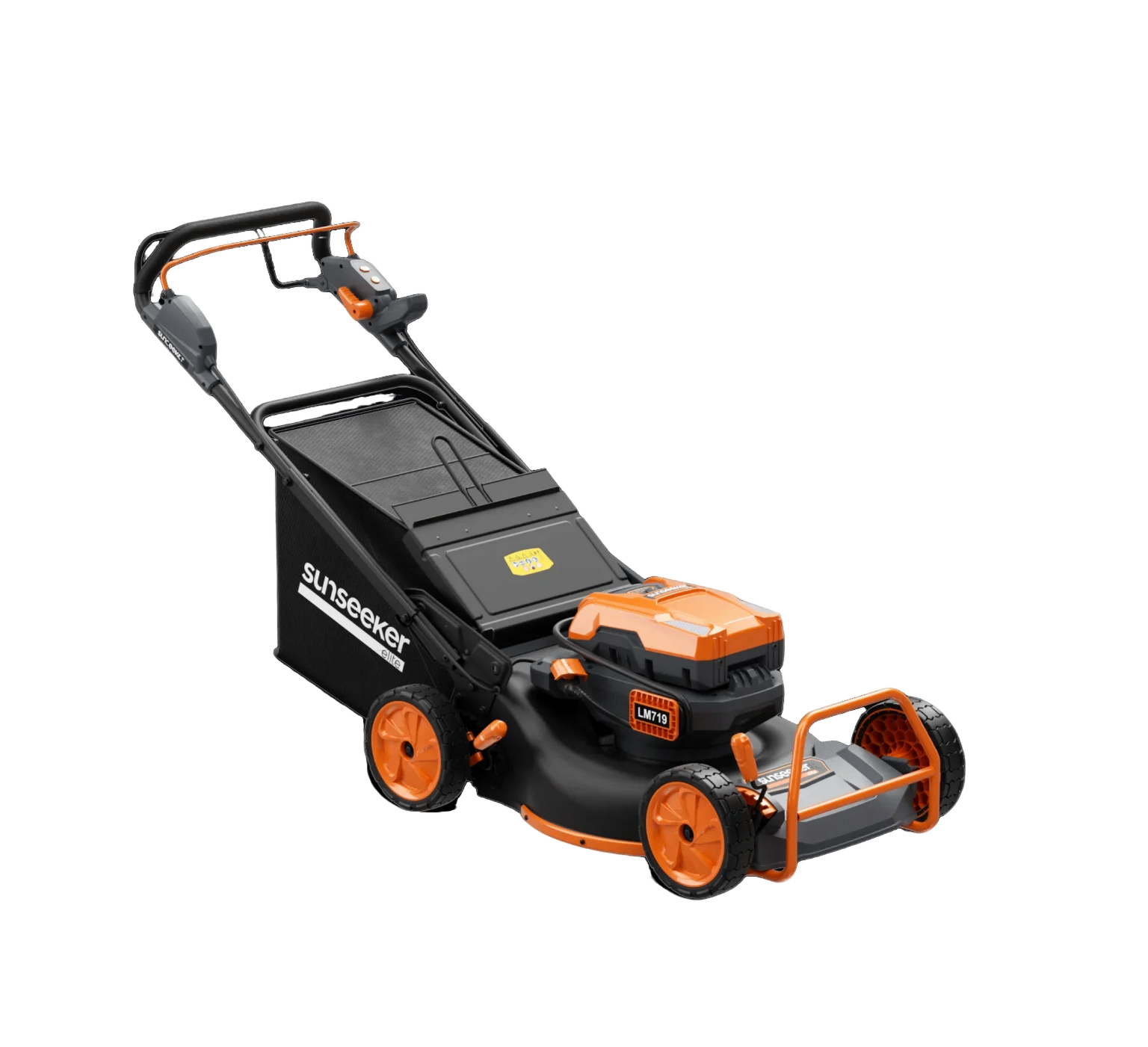
As new grass starts filling in and the lawn becomes more uniform, mowing should shift from protection to gentle maintenance. Wait until the new growth is tall enough that it won’t be pulled out by the mower, then trim lightly and avoid cutting too much at once. This helps young roots stay anchored while the lawn continues to thicken and stabilize. Once recovery is complete, a robot lawn mower can help maintain an even height and support steady long-term growth.t
When Is the Best Time to Revive a Dead Lawn?
The best time to revive a dead or badly damaged lawn is during the grass’s active growing season, when temperatures support germination and root growth. For cool-season grasses, early fall is usually the best window because soil is still warm, air temperatures are milder, and weed pressure is lower. Spring can also work, but seedlings often face more competition from weeds and the approach of summer heat.
For warm-season grasses, late spring through early summer is usually better. These grasses recover most strongly when soil is warm and days are long. Trying to repair them during cold dormancy often leads to weak germination, slow rooting, and wasted effort.
The best timing also depends on the scale of repair. Light overseeding, watering changes, and mowing corrections can start as soon as conditions are suitable. Bigger projects such as aeration, soil amendment, and reseeding should be timed so the new grass has enough weeks to establish before extreme heat, frost, or heavy wear.
Avoid reseeding right before severe weather. Seed can wash away in heavy rain, dry out in a heat wave, or fail to establish before a freeze. If the lawn turns brown during drought, first check whether watering restrictions apply and whether the grass is simply dormant. In that case, keeping the crowns alive with occasional deep watering may be wiser than starting a full renovation at the wrong time.
How Long Does It Take for a Damaged Lawn to Recover?
A damaged lawn usually shows early improvement in about 2–4 weeks, but full recovery typically takes 1 full growing season (3–6 months), and in severe cases up to a year. The timeline depends on grass type, weather conditions, and whether the root system is still alive or completely lost. Dormant grass can green up within 7–14 days once moisture and temperatures improve, while dead patches must be rebuilt from seed or sod, which extends recovery time.
Small bare spots often begin filling in after 10–21 days if seed germinates and soil stays consistently moist. However, visible density and blending with surrounding turf usually take 6–10 weeks, followed by another 4–8 weeks for full thickening under regular mowing. Larger damaged areas take longer, especially if soil compaction, poor drainage, or pest damage was not corrected before reseeding.
Recovery is uneven by nature: sunny areas dry faster, shaded zones grow slower, and high-traffic spots may lag behind. Weeds can also emerge within the first 2–6 weeks in open soil before grass becomes competitive. Consistent watering, correct mowing height, and avoiding early stress are key to reaching stable, long-term recovery.
How to Keep Your Revived Lawn Healthy Long Term
Once the lawn has recovered, the goal shifts from repair to maintaining stable growing conditions so problems do not return. Deep, infrequent watering helps roots grow downward, while mowing at the correct height for your grass type reduces stress and keeps soil shaded. Keep blades sharp, and avoid removing too much leaf tissue in a single cut, since that can weaken regrowth after recovery.
Ongoing care also matters. Periodically check soil compaction and drainage, and aerate when areas feel hard or water sits on the surface. Apply fertilizer based on actual lawn needs rather than a fixed schedule, and deal with pests or disease early so small issues do not restart bare patches.
Consistency is more important than intensity at this stage. A stable mowing rhythm helps the lawn stay dense and evenly covered, and systems like the Sunseeker Elite X4 can support that by maintaining regular cutting patterns across the yard, reducing fluctuations in grass height that often lead to uneven stress or thinning over time.