










FAQs
5/28/2026
Contents
Products
Residential Lawns








Commercial Landscapes
Explore
Where to Buy


New mower blades are built for immediate use, with a factory edge that prioritizes durability and consistent cutting rather than razor-like sharpness. A protective coating can make them feel less sharp at first glance, but that wears off quickly during mowing. Early sharpening is unnecessary and may interfere with balance and long-term performance.
Most people already know that mower blades need to be sharpened regularly to keep a lawn looking clean and healthy. But when it comes to brand-new blades, things get a little less clear. Should you sharpen new mower blades? It’s a fair question, especially when a new blade might not feel as sharp as expected right out of the box. In this guide, let’s explore whether new mower blades need sharpening, when to leave them alone, how to tell if they actually need attention, and the best way to maintain them over time. Just read on!
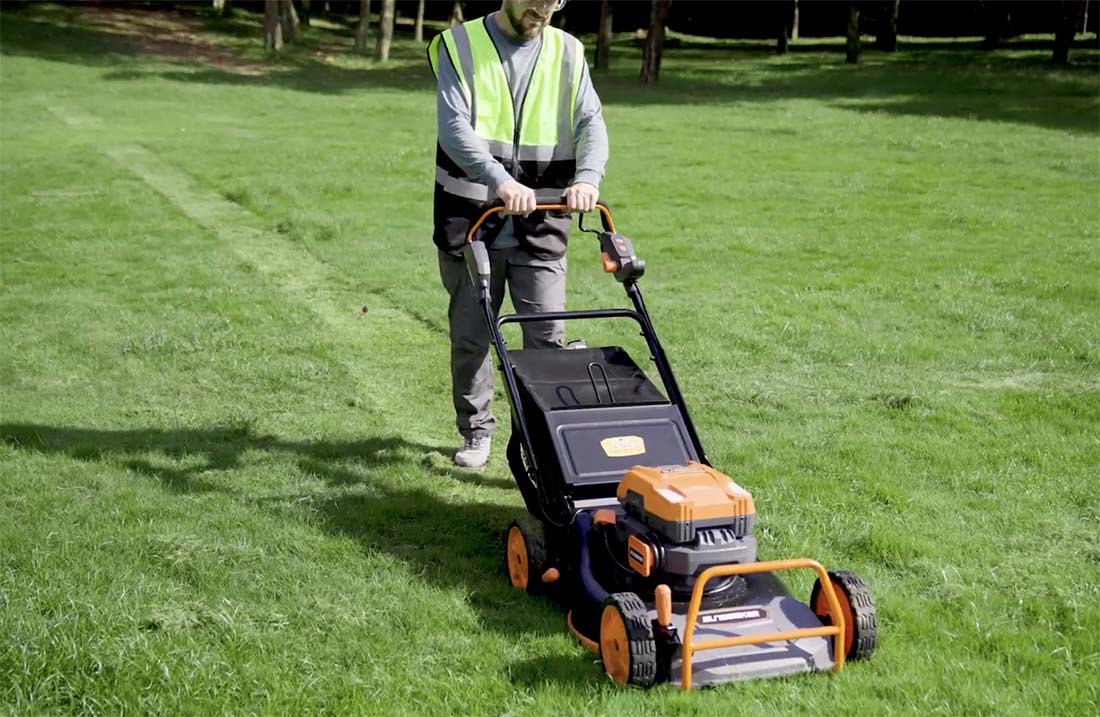
Short answer: No. New lawn mower blades come sharpened by manufacturers at a factory-set angle (commonly around 30 degrees), which is designed to balance cutting performance and durability. The edge geometry is standardized during production, so performance is already optimized for typical mowing conditions right after installation. Early sharpening is unnecessary and may interfere with balance and long-term performance.
New lawn mower blades usually do not need to be sharpened before first use. However, many people notice something unexpected: the blades don’t feel razor-sharp like a kitchen knife. This is completely normal and happens for several practical reasons:
Generally, there is no need to sharpen new mower blades right away. You should choose to let the blade wear in naturally when:
If you insist on sharpening new mower blades, it often introduces more risks than good. Here are the main risks to consider:
Over time, your mower blade will gradually lose its edge through regular use. Here are the key signs that your blade is no longer sharp and isn’t cutting grass efficiently.
When the time finally comes, knowing how to sharpen lawn mower blades safely can help restore clean cutting performance without removing unnecessary metal. Follow the steps below carefully, and always disconnect the spark plug wire or remove the battery first to ensure the mower cannot start while you are working.
Use a block of wood to wedge the blade in place so it cannot spin, then use a socket wrench to remove the mounting bolt. Note the orientation of the blade so you can reinstall it correctly later.
Use a wire brush and a scraper to thoroughly remove all dried grass, dirt, rust, and built-up debris from the blade surface. Ensure it is completely clean before inspection.
Use a metal file or a bench grinder, follow the existing factory bevel (around 30 degrees). Keep the file or grinder moving at a consistent angle, removing only as much metal as necessary to get a clean edge. Avoid overheating the metal if using a grinder.
This is the most critical step. Place the center hole of the blade on a nail or a dedicated blade balancer tool. If one side drops, remove a small amount of metal from the heavy (sharpened) side until it sits perfectly level.
Secure the blade back onto the mower spindle. Ensure it is tightened to the manufacturer's specified torque settings.
While the sharpening process itself is technically straightforward, the maintenance of traditional mower blades is often frustrating. Some push mower blades can be heavy and bulky, which need extra effort and careful alignment under the deck. For many homeowners, this maintenance becomes a tiresome chore during the peak of the growing season.
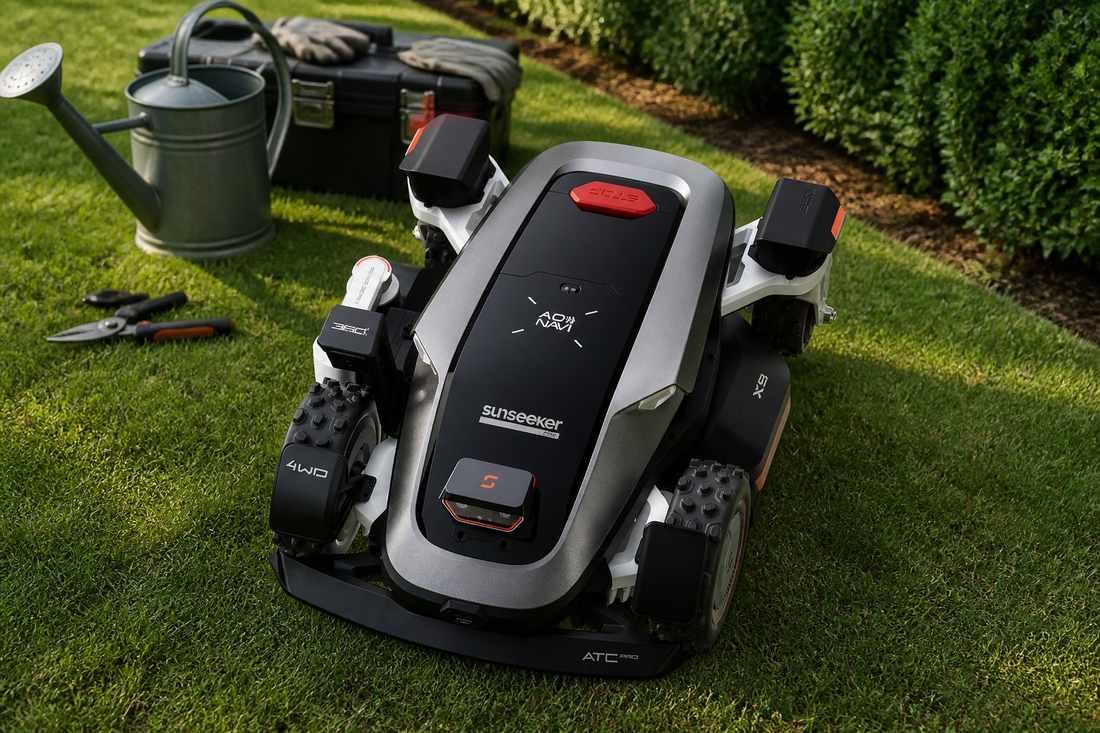
For a significantly more convenient experience, consider upgrading to a robotic lawn mower: Sunseeker Elite X7 Plus Gen 2. These advanced mowers virtually eliminate the need for traditional blade sharpening. Most models also include spare blades for quick replacement when needed. Their advanced blade systems are engineered for long-lasting performance with minimal maintenance. The Floating Dual Cutting Disc adapts to uneven ground and complex terrain for a more professional finish. Its higher-end models even feature a 35 cm dual cutting disc with 6 evenly distributed blades that deliver finer cuts and superior uniformity.
For even longer-lasting performance, pair it with the Sunseeker Elite Premium Blades Kit. These blades are built with high-hardness and reinforced cutting edges. Its edge is specially treated to achieve greater hardness, while the blade body retains flexibility. This precise engineering significantly enhances overall wear resistance, ensuring the blades stay sharper for longer and reducing the need for frequent replacements.
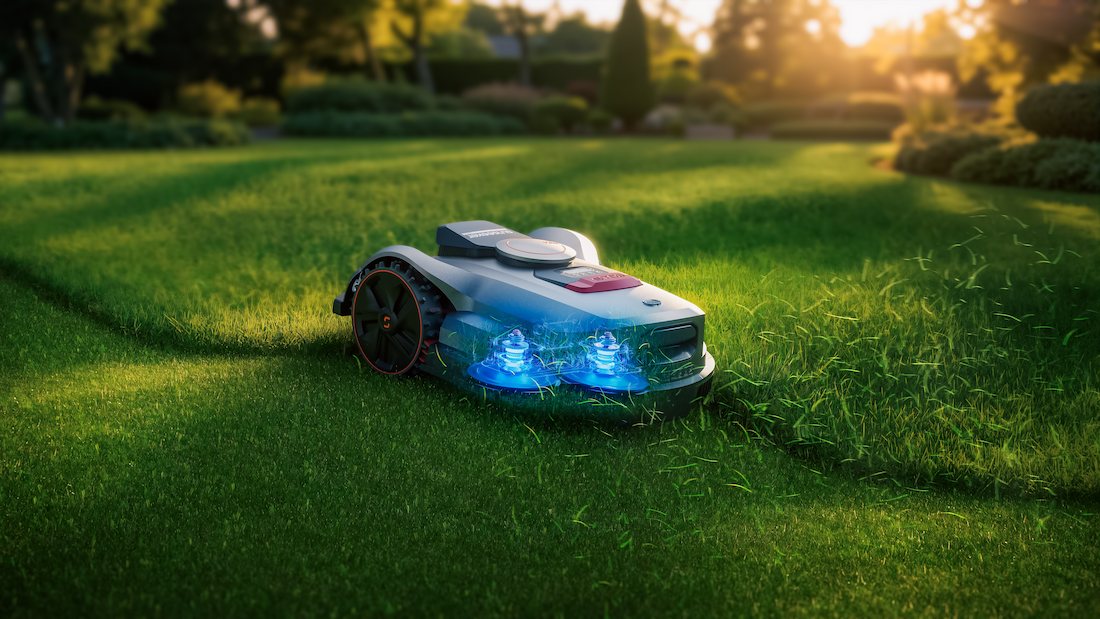
Deciding how often to sharpen lawn mower blades depends on how frequently you mow, the size of the lawn, and the conditions in which the mower operates. Use the following intervals as general guidelines:
Do I need to sharpen new mower blades? No. Manufacturers factory-set these blades to an optimal angle for both safety and durability, and they are ready for use immediately upon installation. Sharpening new mower blades might compromise the blade's balance and shorten its lifespan. If you find the blade sharpening and maintenance too much effort, consider upgrading to robotic mowers. These machines eliminate the need for sharpening altogether; just replace the blades, and you are good to go. They also deliver consistently strong cutting performance with minimal effort. Wait no more, explore the Sunseeker to enjoy a low-maintenance lawn care solution from now on!
Yes, new lawn mower blades are pre-sharpened at the factory. Manufacturers use a precise, machine-calibrated angle(around 30 degrees) to ensure the best balance between cutting efficiency and durability. While they may not feel razor-sharp to the touch like a kitchen knife, they are perfectly engineered to slice through grass effectively from the moment you install them.
Most manufacturers apply a thin layer of protective paint or powder coating to new blades to prevent rust and corrosion during shipping and long-term storage. This coating is intentionally left on the cutting edge. It is completely normal for this to be present; it will naturally wear away within the first hour of mowing, revealing the sharp steel edge underneath.
Sharpening new mower blades is usually unnecessary and can lead to several problems. For example, it takes off too much metal that may unbalance the blade. This creates strong vibrations and puts extra stress on the mower’s engine. Overheating during grinding can also weaken the steel and reduce hardness. It may also void the warranty, leaving you unprotected if problems arise.