





FAQs
4/3/2026
Contents
Products
Residential Lawns



Commercial Landscapes
Explore
Where to Buy


After fertilizing, it’s best to pause before mowing to let nutrients settle. Liquid fertilizers dry quickly, often within a few hours, while granular types need about a day or two. Cutting too soon can remove nutrients, stress the grass, and cause uneven growth. Proper timing ensures an even, healthy lawn.
Mowing and fertilizing both help your lawn stay healthy, and they work best when done at the right time. But can you mow after fertilizing? That’s where many people get unsure.
If you mow too soon or leave it too long, the fertilizer may not do its job properly, and the grass can feel the stress. Getting the timing right keeps your lawn looking fresh, green, and full of life. In this guide, we’ll walk you through what to do and when to do it.
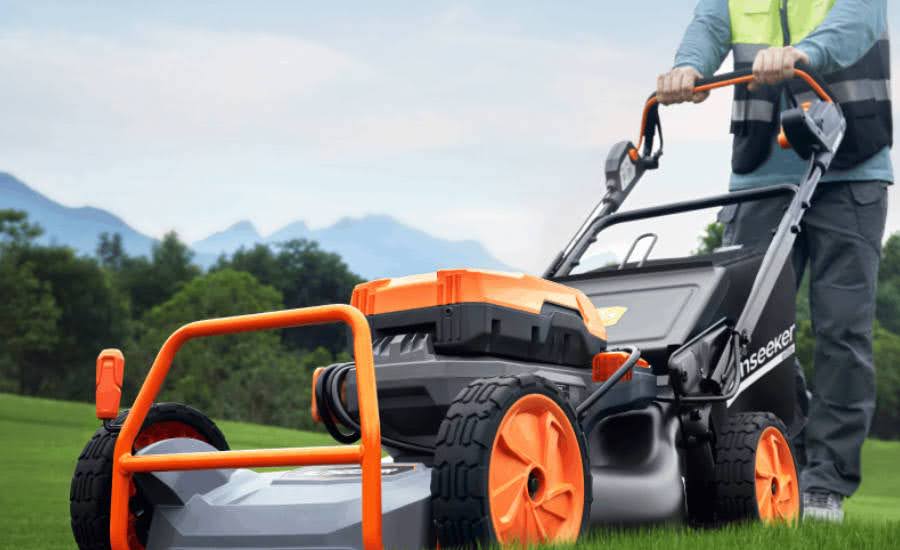
You can mow and fertilize on the same day, but the order matters. It’s best to mow first, then apply fertilizer. Mowing after fertilizing on the same day is not a good idea.
Mowing before fertilizing clears away debris and helps fertilizer reach the soil more easily. It also sets the grass at a good height, so you won’t need to mow again right away. Leaving the clippings on the lawn can help too, as they break down and add extra nutrients.
After fertilizing, give it time to settle. Nutrients need to soak into the soil, and mowing too soon can disturb that. Wait at least 24 to 48 hours before mowing again. If you already mowed before fertilizing, you can usually leave the lawn alone for about a week.
Knowing when to fertilize lawn areas is important, but planning when to mow afterward matters too. While some fertilizers may have specific instructions, the general rule is to give your lawn time to absorb the nutrients before mowing.
Think of fertilizer as a meal for your grass. Just like you wouldn’t immediately spit out a freshly served meal, your lawn needs time to “digest” the nutrients. Cutting the grass too soon risks removing the fertilizer from the surface before it can soak into the soil, which defeats the whole purpose of fertilizing.
To get the full benefits, wait at least 24 to 48 hours before mowing again. This ensures that your lawn fully absorbs the nutrients, allowing the fertilizer to do its job properly and your grass to stay healthy and green.
Getting the timing right after fertilizing really helps your lawn look its best. A quick check of your fertilizer label is always a good place to start. Most products will tell you how long to wait. If not, you can follow a simple rule of thumb based on the type of fertilizer you used and give it enough time to settle in before mowing again.
This type is applied directly to the grass, making it wet. Once the grass has dried completely and absorbed the nutrients, usually within a couple of hours, it’s safe to mow. You can test by lightly touching the grass. If it’s dry, you’re good to go.
These dry fertilizers need time to penetrate the soil. To determine how much fertilizer for lawn coverage you need, always follow the application rate on the product label. How soon can I mow after granular fertilizer? The standard waiting period is 24 to 48 hours. If you water after spreading granular fertilizer to help it absorb, make sure the grass is dry before mowing. Remember, mowing wet grass can damage your lawn.
Mowing right after fertilizing can undo a lot of your effort. The fertilizer needs time to settle into the soil, and cutting the grass too soon can lift or spread it before it gets absorbed. Your lawn may not get the nutrients it needs to grow well.
You may also notice uneven growth. Some areas turn green faster, while others stay dull or patchy. The lawn can end up looking uneven and less healthy. Giving it time before using a lawn mower helps the grass grow thicker and more even.
Mowing and fertilizing work best when done at the right time. With a few simple habits, your lawn can stay green, thick, and easy to manage.
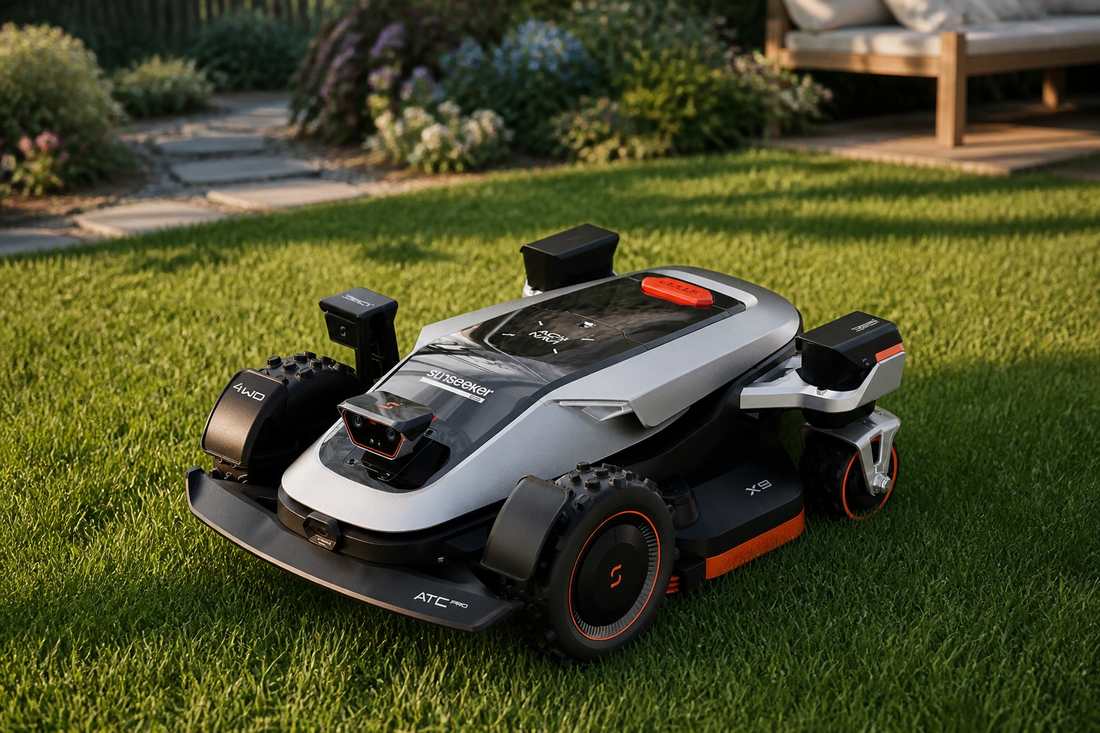
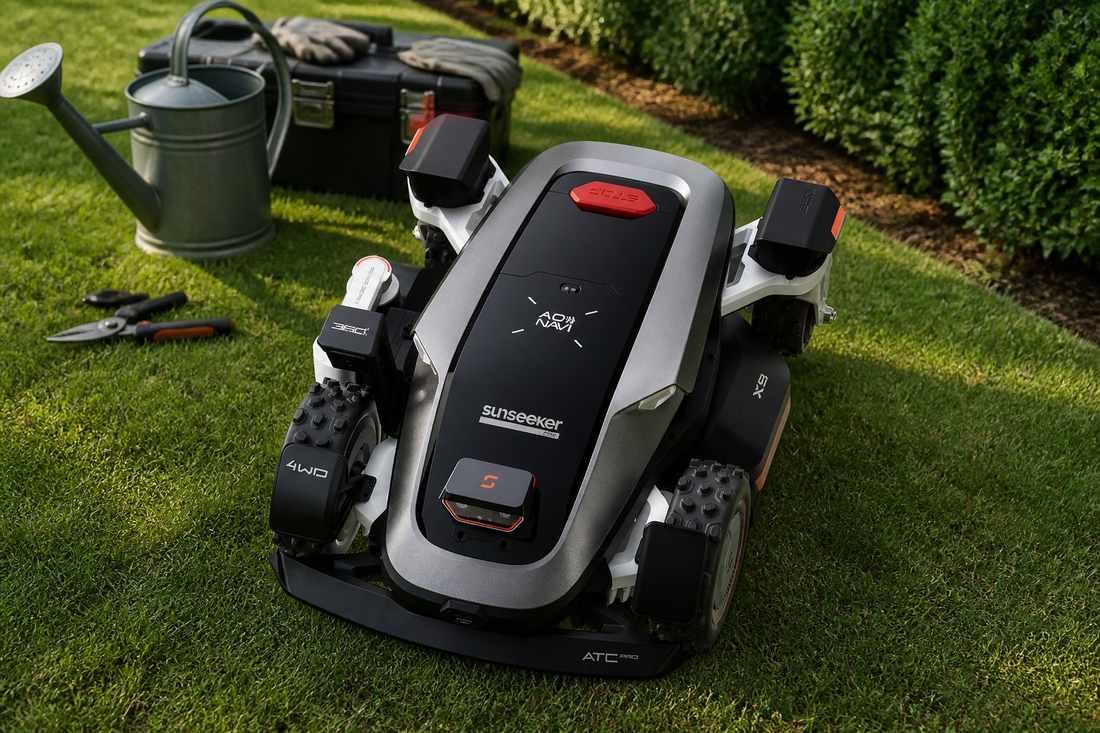
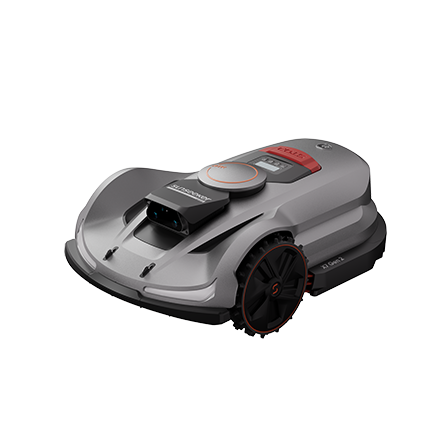
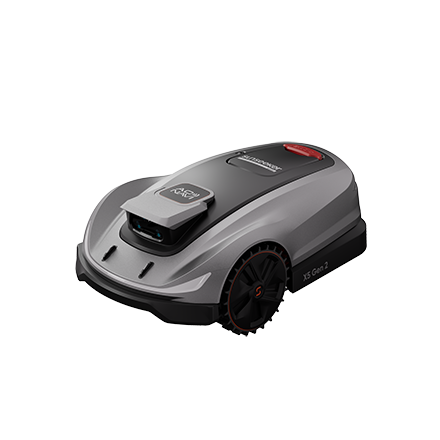
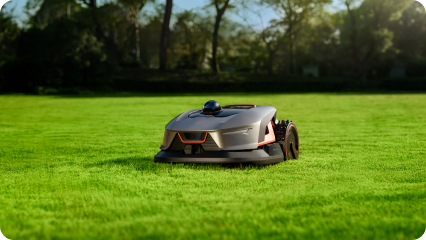
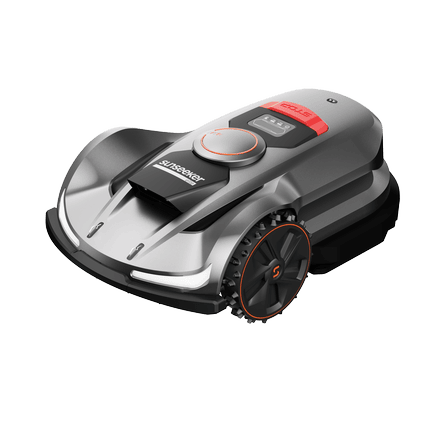
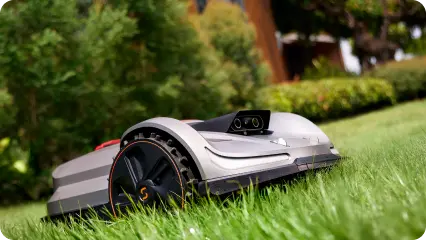
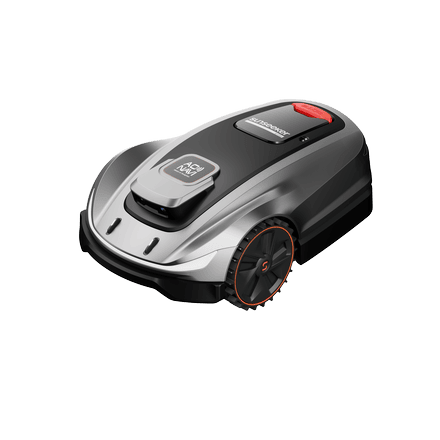
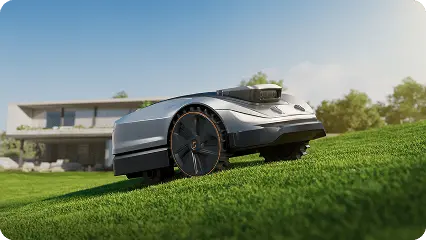
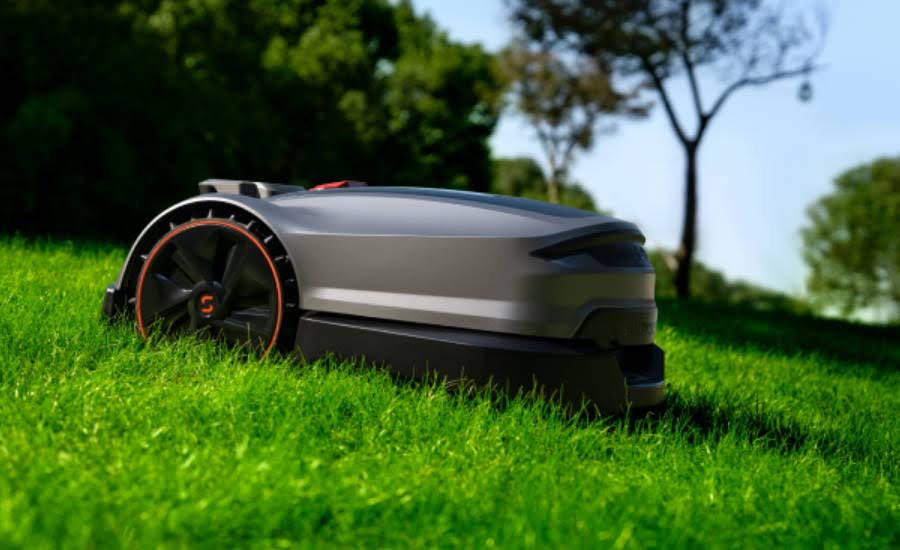
For an easier routine, tools like the Sunseeker Elite X5 Gen 2 can take care of mowing in the background. With wire-free mapping, AI-assisted path planning, and smart obstacle avoidance, it learns your yard and cuts evenly without extra setup. Features like Vision AI and RTK positioning help keep every pass precise, so your lawn stays neat while you spend more time enjoying it.
So, can you mow after fertilizing? It’s best not to do it right away. Mow first, then apply fertilizer, and give it time to settle. Liquid fertilizers usually need a few hours, while granular ones need about 24 to 48 hours so the nutrients can fully soak into the soil.
Keeping this timing in mind helps your lawn grow evenly and stay healthy. For an easier routine, a smart mower like those from Sunseeker can help keep your lawn neat and consistent, so you can enjoy a green, well-kept yard with less effort.
Yes, you can fertilize after mowing, and in many cases, it’s actually recommended. Mowing first clears the lawn of long grass and debris, allowing fertilizer to reach the soil directly. Grass clippings left on the lawn can also decompose, adding extra nutrients. Just make sure the grass isn’t wet, as wet blades may prevent even fertilizer distribution.
It’s usually best to mow before fertilizing. Cutting the grass first sets it at a good height and clears away debris, so the fertilizer can reach the soil more easily.
If you fertilize first and then mow, you may remove some of the nutrients, especially with granular products. Liquid fertilizers are less affected, but it’s still better to wait a few hours before mowing to let everything settle.
Granular fertilizer usually needs about 24 to 48 hours to break down and soak into the soil. The exact timing can vary based on the product and the weather. Warm conditions and light watering can help it dissolve faster. Watering after applying fertilizer can speed things up.
Wait until the grass is dry before mowing, usually a few hours after watering. Wet grass can clump, cut unevenly, and affect how well your lawn looks. If you’ve fertilized, this wait also helps nutrients settle into the soil before using a lawn mower.